REVIEW · ADDIS ABABA
6-Day Omo Valley Cultural Private Tour
Book on Viator →Operated by Ethio Target Tours · Bookable on Viator
Omo Valley culture, minus the tourist fog. This 6-day private tour is built around real local rhythms: market days, family-guest moments, and the kind of village life that doesn’t feel staged for you. I especially like the chance for a household-level welcome and that the route mixes tribal visiting with nature time at Lake Chamo and Nech Sar National Park.
The other big win is the people side—your guide/organizer has real follow-through (including the name Solomon from past trips), plus a strong driver team that keeps the long drives from turning into pure misery. One thing to plan for: meals aren’t included (lunch and dinner are on you), and you’ll spend a lot of the day in the car, so bring water, snacks, and patience.
In This Review
- Key points worth knowing
- How this Lower Omo tour actually works (and why that matters)
- Day 1: Arba Minch—Lake Chamo boat time and Nech Sar wildlife drives
- Day 2: Turmi—Weyto and Erbore markets, then evangadi night dancing
- Day 3: Kolcho on the Omo River—Karo body painting and a Hamer evening
- Day 4: Jinka to Konso—small museum context and wakas country
- Day 5: Key Afar and Konso markets—trading energy and wakas memorials
- Day 6: Arba Minch, Chencha mountains, and Dorze weaving before your flight back
- Price and value: is $500 per person fair for this route?
- Lodges, comfort, and the behind-the-scenes part you shouldn’t ignore
- How to behave in villages and markets (so the visit feels good for everyone)
- Should you book this Lower Omo private tour with Ethio Target Tours?
- FAQ
- What is the price for the 6-Day Omo Valley Cultural Private Tour?
- How long is the tour?
- Where does the tour start and end?
- What is included in the tour price?
- What is not included?
- Is this a private tour?
- Are there any weather or timing considerations?
- Is pickup included?
Key points worth knowing
- Family-house interaction: you get invited into everyday life, not just quick photos.
- Market-day scheduling: Weyto (Saturday), Key Afar (Thursday), and Konso (Mondays/Thursdays) add real energy to the visit.
- Hamer evangadi night dancing: a standout cultural evening tied to Turmi.
- Karo body painting at Kolcho: morning-to-evening cultural contrasts along the Omo River.
- Konso wakas and terracing: you’ll see how memorial wood carvings connect to farming survival.
- Dorze weaving in the Chencha mountains: wool/cotton craft time before you fly back.
How this Lower Omo tour actually works (and why that matters)

This isn’t a “big-city day trips” kind of schedule. You’re moving between regions—Arba Minch to Turmi to Jinka/Konso to Dorze/Chencha—so the experience is more like a slow caravan with comfort: you have a driver, a guide, set lodge bases, and planned stops.
Because it’s a private tour, your pace is tighter and your questions can be answered in real time. In places where context matters (markets, ceremonies, family compounds), that’s a big deal. A good guide can explain what you’re seeing, how people usually interact, and what’s appropriate.
That said, the best results come when you accept two realities:
1) You’ll likely be in the car for several hours most days.
2) You should budget extra for lunch and dinner, since they’re not included.
If you like travel that feels grounded—actual villages, actual daily trade, and honest cultural contact—this route is a strong fit.
You can also read our reviews of more private tours in Addis Ababa

Day 1: Arba Minch—Lake Chamo boat time and Nech Sar wildlife drives
You start in Addis Ababa (meeting point at Bole Addis Ababa International Airport) and then fly to Arba Minch. When you land, you’re picked up and checked into Paradise Lodge, which is the first “home base” for the trip.
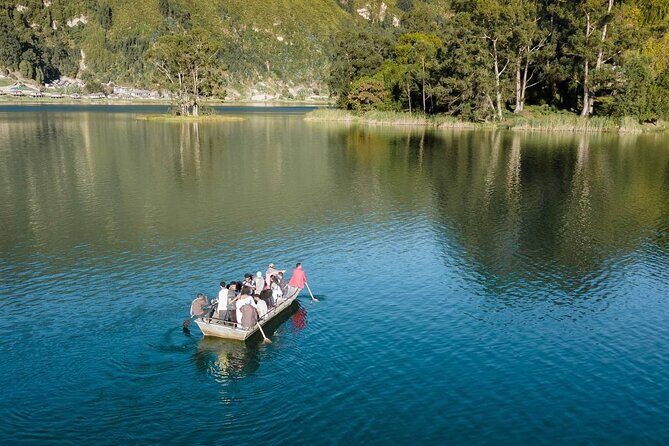
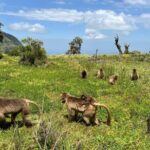
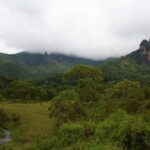
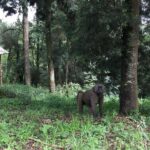
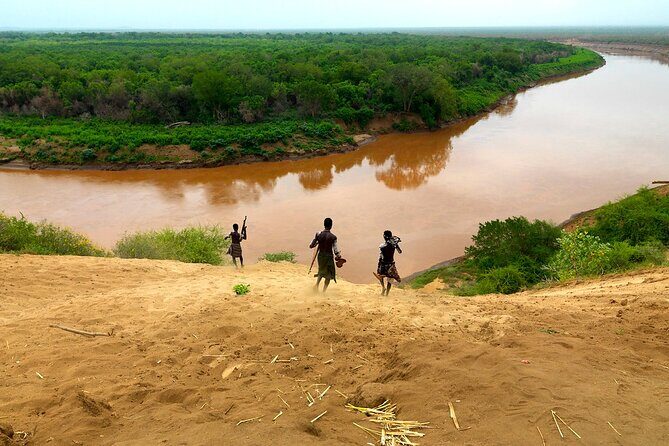
After check-in comes the most calming part of the itinerary: a boat trip on Lake Chamo. This is the slot where you might spot local hippos along the way. Then you cross over toward Nech Sar National Park and do a drive inside the park to look for wildlife such as zebras.
Why this day works: it gives you a nature reset before the cultural days ramp up. It also helps you understand the region as more than just “tribal tourism.” You’re seeing how animals and people share these habitats and waterways.
Practical note: boat time and park driving are best handled with a light jacket. Even when it’s sunny, Ethiopia’s lowland air can shift quickly, especially if you’re on the water.
Day 2: Turmi—Weyto and Erbore markets, then evangadi night dancing
Day 2 is when the Lower Omo itinerary starts moving fast. You travel from Arba Minch to Turmi, but the real magic is the market timing.
On the way, you’ll pass through Weyto on a Saturday—market day—with the Tsemai community. You then continue through the Weyto Valley to Erbore for a brief village visit, also aligned with Saturday market day, where you can see daily exchange and social life firsthand.
Then it’s onward to Turmi, home of the Hamer. In the evening, you get the chance to see traditional night dancing called evangadi.
What I like about this setup is the sequencing:
- Morning/daytime gives you the “how people trade and live” view through markets.
- Evening turns it into “how people celebrate and perform” through Hamer dancing.
A realistic consideration: cultural evenings can mean waiting a bit for the right moment. Build a flexible mindset and wear something comfortable. You’re here for the experience, not for perfect photo timing.
Day 3: Kolcho on the Omo River—Karo body painting and a Hamer evening
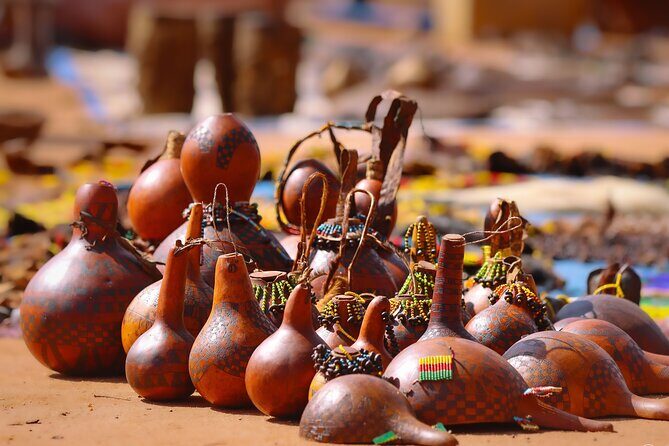
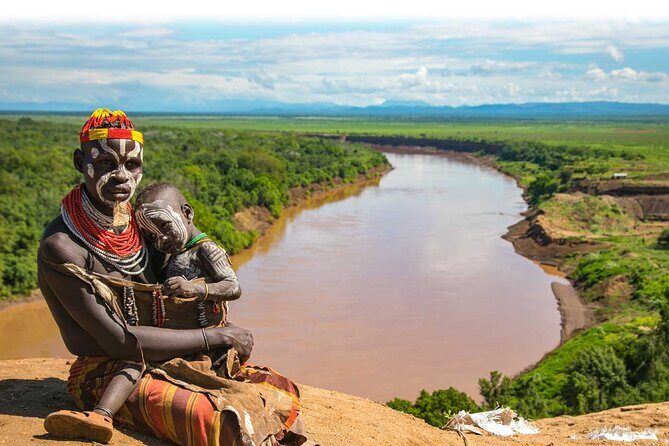
This day focuses on one of the most visually memorable cultural specialties in the area: traditional body painting with the Karo people.
You travel out to Kolcho village on the banks of the Omo River. Even if you’ve seen photos before, the real version is usually sharper: color, placement, and the fact that this is part of daily identity rather than a costume for outsiders.
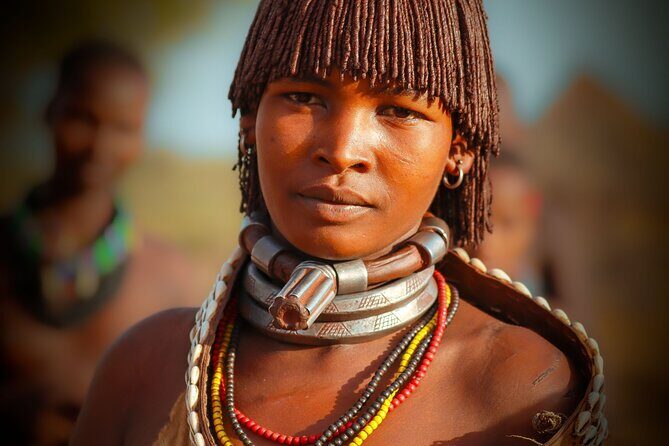
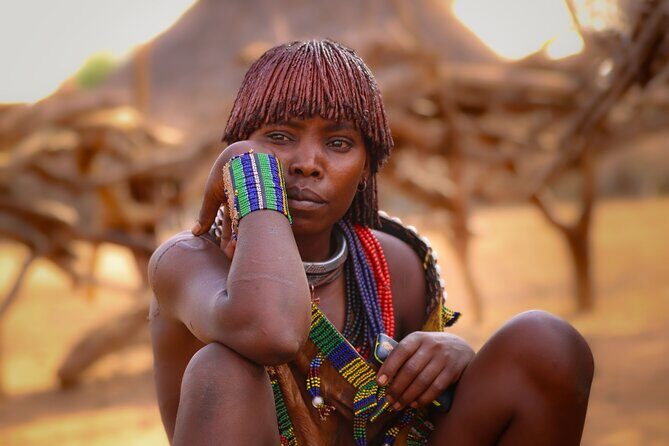
In the evening, you visit a Hamer village near the accommodation. The description you’ll hear (and what you’ll likely observe) is that their village life is built with local materials—mud, wood, and thatch—and that the settlement often functions as an extended-family unit. The villages you’ll see are typically made up of multiple huts in close proximity, with daily routines rotating around the family compound.
Why this day feels different from Day 2: it’s less about trading goods in a public market and more about personal expression and community space.
A key tip for respectful interaction: keep your energy calm. If people are painting or preparing, give them room and let your guide handle introductions. It makes a difference.
Day 4: Jinka to Konso—small museum context and wakas country
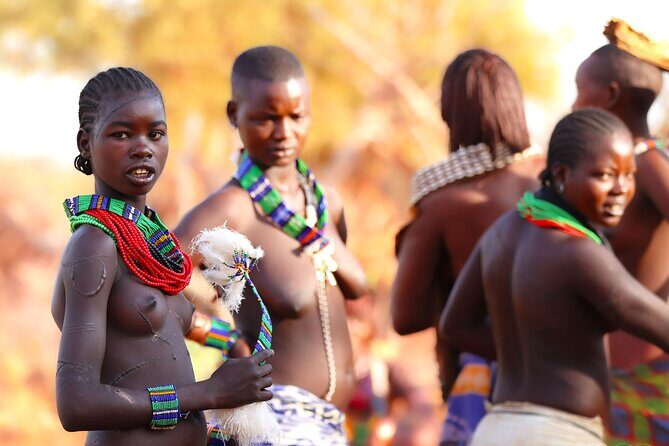
Day 4 is a shift from river and village evenings to a “learn as you travel” day.
You drive across dry sandy plains toward Key Afar, then into more fertile rolling hills to Jinka. In Jinka, you visit a small museum with insight into tribal customs. There’s also an optional walk where you can meet people along the way, which helps you transition from museum context to street-level reality.
Then you head to Konso and check in at Kanta Lodge.
Konso is a great choice for your last big cultural anchor before the final craft day, because it connects culture to land-use. You’re about to see wooden memorial statues and farming methods tied together by both memory and survival.
If you enjoy travel that explains what you’re seeing (not just showing it), the museum + walk pairing is a smart move.
A few more Addis Ababa tours and experiences worth a look



Day 5: Key Afar and Konso markets—trading energy and wakas memorials
This is market-day day, and market days are where the Lower Omo regions feel most alive.
You travel through Key Afar, where Thursday is market day and you can see the Benna and Tsemai trading goods. Market crowds here aren’t just shoppers—they’re social networks, bargaining spaces, and movement hubs for the region.
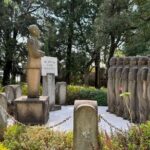
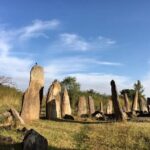
Then you proceed to Konso, where market days are Mondays and Thursdays. In Konso, the standout cultural elements are the wakas, wooden statues erected in honor of dead heroes. Konso is also known for innovative agricultural terracing, so you’ll likely notice how art, memorial, and farming connect.
You’ll also have a brief opportunity to visit a local village and a cultural museum displaying many wakas statues.
My practical take: this day is easier when you accept that markets are not theme parks. You’ll want to dress modestly, keep your distance until invited closer, and remember that people are doing their normal work.
Also, bring small cash for snacks and small purchases—your tour includes entrance and water, but not meals.
Day 6: Arba Minch, Chencha mountains, and Dorze weaving before your flight back

Your final day has a satisfying “craft and home” feel.
You start early and drive from Arba Minch across dry plains to the Chencha mountains. Arba Minch is known for Ensete, often called false bananas, and it’s also associated with the meaning Forty Springs.
Then you visit a Dorze village, known for weaving wool and cotton. This is also where you might do real shopping for textiles—because you’re meeting the producers, not browsing mass-made souvenirs.
After your Dorze visit, you transfer to the airport and fly back to Addis Ababa.
Why I like ending here: it connects your cultural learning to something tangible you can take home. Not as a trophy, but as a record of craftsmanship and local materials.
Price and value: is $500 per person fair for this route?
At $500 per person for a roughly 6-day private tour, the value depends on what you compare it to—and what’s included.
What’s covered:
- Car with driver and a guide
- Entrance fees and governmental tax
- Accommodation
- Bottle of water during the tours
- Mobile ticket
What’s not covered:
- Lunch and dinner
- Laundry service
In other words, you’re paying for the big fixed costs: transport time, guiding, lodging, and admission fees. The only meaningful cost gap you’ll manage is food and occasional extras.
Whether that’s a deal for you comes down to your style:
- If you hate hunting for logistics and want the route to run without constant decision fatigue, this price starts looking fair fast.
- If you want full-board dining included and you prefer fewer drive hours, you may feel the pinch.
Bottom line: for a private Lower Omo circuit with lodging and park/entrance coverage, $500 can make sense—especially if you budget meals up front.
Lodges, comfort, and the behind-the-scenes part you shouldn’t ignore
Your comfort matters in a route like this. Long days plus cultural stops can wear you down if the base is rough.
The itinerary uses specific lodge names:
- Paradise Lodge in Arba Minch
- Turmi Lodge in Turmi
- Kanta Lodge in Konso
Past trip experiences praised the staff, the driver, and the overall comfort, including positive comments about accommodation and food. That matters because it changes how your evenings feel: you don’t want to spend the night recovering in a place that makes you regret the day.
One practical suggestion: pack for sleep. Even when your lodge is fine, rural travel can mean variable air flow, and it’s worth being ready with a light layer and earplugs if you’re a light sleeper.
How to behave in villages and markets (so the visit feels good for everyone)
You’ll be visiting communities and markets where people are living, working, and expressing identity—not performing on a schedule meant for your convenience.
Here’s how I’d handle it to keep things respectful and smooth:
- Follow your guide’s timing cues.
- Ask before photographing anything that involves close personal space.
- Keep your body language calm and non-intrusive.
- If you’re invited into a family space, treat it like a home visit, not a viewing window.
Also, remember the tour is explicitly designed around interaction—including a guest-in-family-house moment. That’s a privilege. Show appreciation with your behavior more than your money.
And yes: bring patience for the practical parts. Roads can be slow. Markets can run late. This is normal here.
Should you book this Lower Omo private tour with Ethio Target Tours?
I think you should book if you want:
- A private guide and driver so you can ask questions and move at the right pace
- A route that hits both cultural living and nature time (Lake Chamo + Nech Sar)
- Market-day experiences aligned to specific days
- A craft and weaving finale in the Dorze village area
I’d hesitate if you:
- Need fully included meals every day
- Dislike long drives and early starts
- Are uncomfortable with cultural difference and want everything turned into a controlled, fast-moving itinerary
If your goal is authentic contact—done respectfully, with good logistics—this trip has the structure to deliver.
FAQ
What is the price for the 6-Day Omo Valley Cultural Private Tour?
The price is $500.00 per person.
How long is the tour?
It’s 6 days (approx.).
Where does the tour start and end?
It starts at Bole Addis Ababa International Airport in Addis Ababa, and it ends back at the same meeting point.
What is included in the tour price?
Included are a car with driver, guide, entrance, accommodation, bottle of water during the tours, and governmental tax.
What is not included?
Lunch and dinner are not included, and laundry service is not included.
Is this a private tour?
Yes. It’s a private tour/activity, so only your group will participate.
Are there any weather or timing considerations?
This experience requires good weather. If it’s canceled due to poor weather, you’ll be offered a different date or a full refund.
Is pickup included?
Pickup is offered, and you are also picked up from Arba Minch Airport after the flight on Day 1.