REVIEW · ADDIS ABABA
Addis Ababa: Debre Libanos, Blue Nile Gorge, and Cave Tour
Book on GetYourGuide →Operated by myGuzo Ethiopia Tours · Bookable on GetYourGuide
One day outside Addis can change your whole sense of Ethiopia. This tour strings together Debre Libanos Monastery and the Blue Nile Gorge into one big, scenic story, plus Portuguese Bridge and a cave church stop that sticks with you. I especially like the chance to see endemic primates up close and learn why the gorge and monastery matter to local life. One thing to plan for: it’s a long day of driving, and parts of the walking are over uneven ground.
You’ll start in Addis Ababa and head north toward the highlands, then work your way through monasteries, viewpoints, and wildlife breaks. You’ll also get a panoramic payoff at Entoto Hill, looking back over the city from about 3,300 meters. The only real drawback is the road time: schedules can feel tight if traffic or road conditions slow things down, so bring a patient mindset.
In This Review
- Key highlights worth knowing
- A long north drive with real payoff
- Debre Libanos Monastery: centuries of faith and cliffside views
- Blue Nile Gorge: viewpoints that do more than impress
- Portuguese Bridge: a historic shortcut over a river story
- Watching Ethiopia’s endemic primates and birds
- Entoto Hill at 3,300 meters: the best Addis photo you can get fast
- Lunch, coffee breaks, and how the day stays human
- Road time, comfort, and what to pack
- Price and value: what $94 includes in practice
- Who this tour is for (and who should pass)
- Should you book the Addis Ababa: Debre Libanos, Blue Nile Gorge, and Cave Tour?
- FAQ
- Where does the tour start?
- How long is the tour?
- How much does it cost?
- What are the main places you visit?
- Is the guide English-speaking?
- Is lunch included?
- What wildlife might I see?
- How high is Entoto Hill?
- What should I wear and bring for monastery entry?
- Is this tour suitable for everyone?
Key highlights worth knowing
- Debre Libanos Monastery founded in 1284, set on a terrace between cliff and gorge
- Blue Nile Gorge views that people often compare to Arizona’s Grand Canyon
- Portuguese Bridge, built in the 1890s by Ras Darge, with a short walk for photos
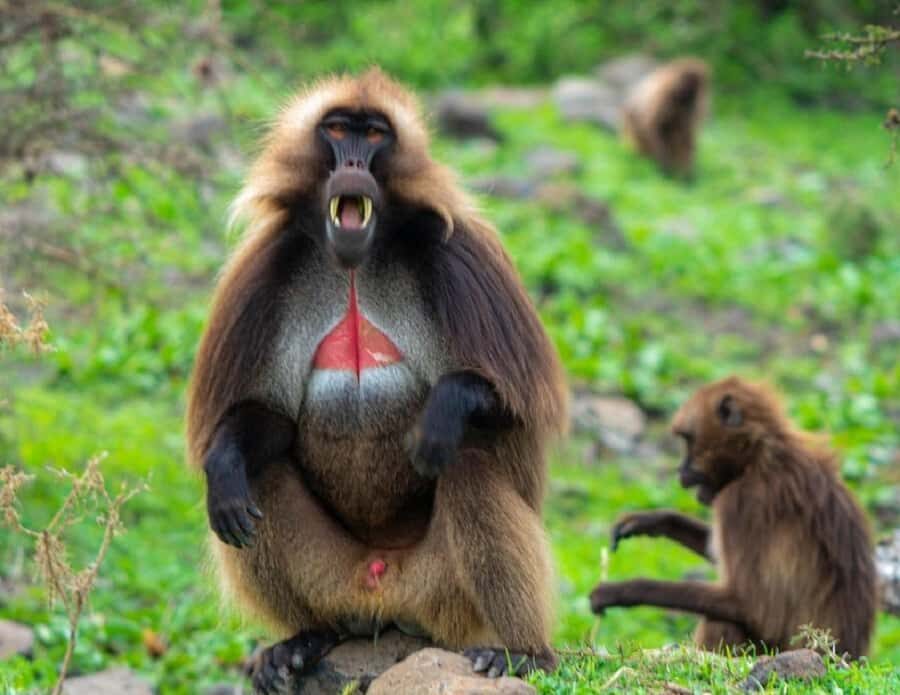
- Endemic bleeding-heart gelada baboons (and good birdlife chances) on the way
- Saint Teklehaimanot Cave Church, including the 1936 tragedy connected to the site
- Entoto Hill at 3,300 meters, for sweeping views over Addis Ababa
A long north drive with real payoff
This is one of those Addis day trips that feels like two places at once: a bustling capital in the morning, and then mountain roads and rural rhythms by late morning. You’ll get picked up from your hotel or the airport, then ride north roughly 100 kilometers. Along the drive, you’re not stuck staring out the window—your route passes viewpoints and church stops around Entoto, and you’ll be guided on what you’re seeing.
What makes it work is the pacing. You’re not trying to cram ten sites into ten minutes. Instead, you’re given a mix of stops: monastic history, dramatic gorge scenery, a historic bridge, and wildlife sightings, with lunch in between. It’s a practical way to make a short stay in Addis feel bigger.
Still, the big consideration is simple: you’re spending a big chunk of your day in the vehicle. Expect a long route back and forth, and plan your expectations around Ethiopian road conditions. If you’re the type who needs constant stops to break up the drive, you’ll want to mentally prepare.
You can also read our reviews of more tours and experiences in Addis Ababa.
Debre Libanos Monastery: centuries of faith and cliffside views
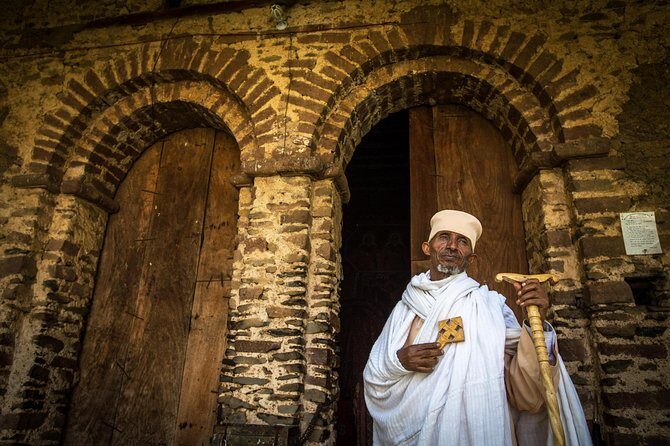
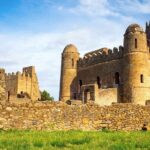
Debre Libanos is the spiritual anchor of the day. The monastery complex is tied to Ethiopian Saint Abune Tekle Haymanot and dates back to 1284. You arrive at a terrace setting that’s part cliff, part gorge edge—so even before you start looking closely at churches and rooms, you’re already surrounded by a dramatic setting.
This stop is valuable because you’re not just looking at stone buildings. You get a local guide at the monastery and a guided tour inside the complex. That matters if you want to understand what you’re seeing: Ethiopian Orthodox Christian life isn’t just art and architecture; it’s also daily practice, sacred space, and community memory.
Also, you’ll be dealing with modesty rules. Women should wear clothing that covers well below the knees, and bringing a scarf is encouraged for head coverage when you enter monastery areas (it’s optional, but helpful). Comfortable shoes really matter here, since you may move around uneven surfaces.
One note for logistics: the monastery and cave church experience can feel intense and emotional. The tour includes the Saint Teklehaimanot Cave Church, and you’ll hear the story connected to 1936, when around 300 monks were slaughtered by Italian invaders. It’s not a light, casual stop. It’s part of the reason the day feels meaningful, not just scenic.
Blue Nile Gorge: viewpoints that do more than impress
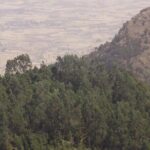
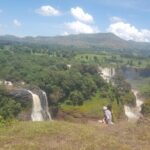
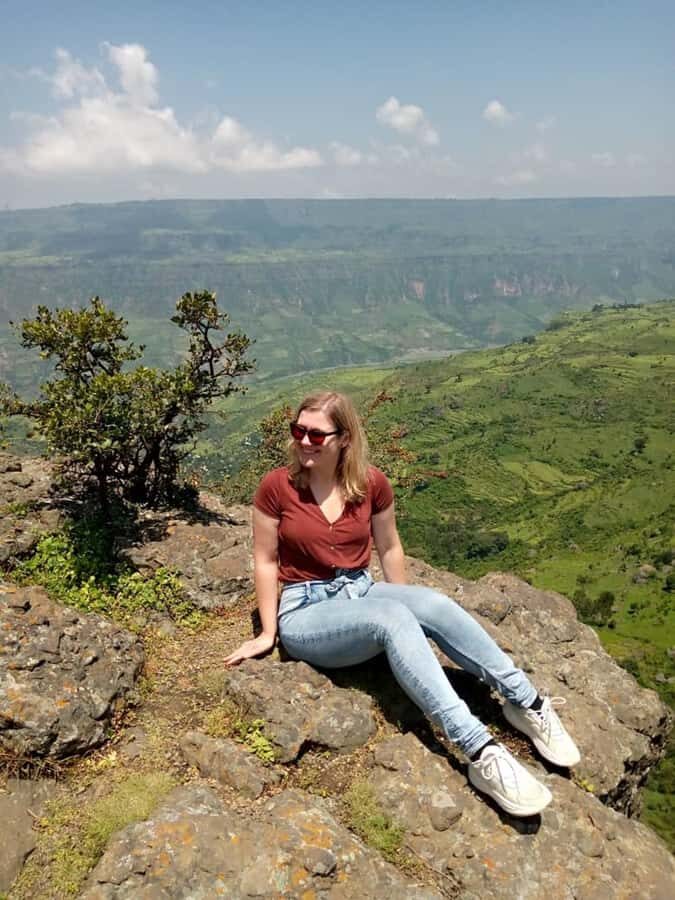
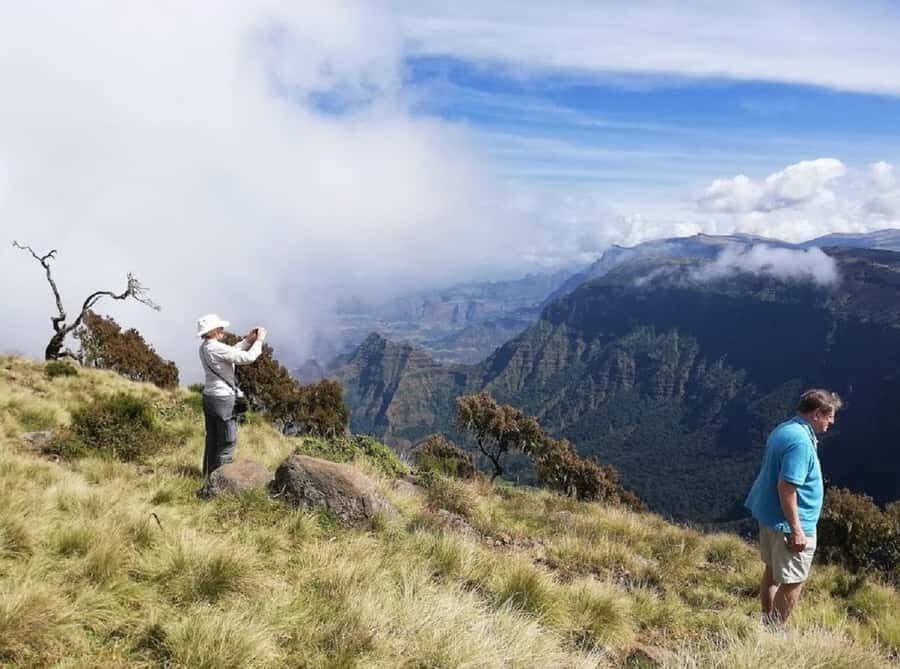
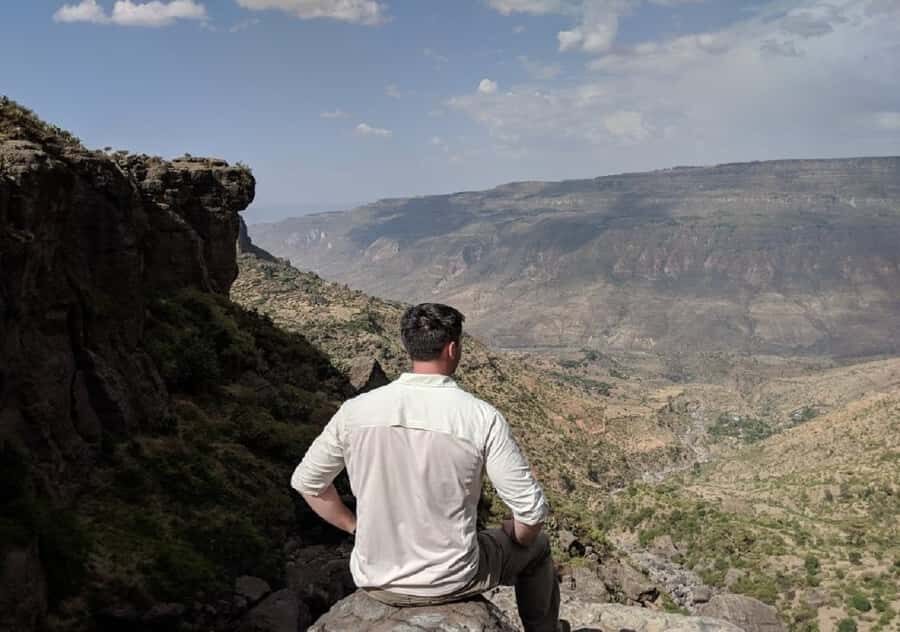
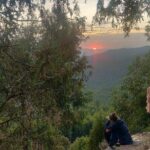
Then you hit the Blue Nile Gorge, and the day shifts from human history to raw mountain scale. People often compare the gorge to the Grand Canyon because the views can feel wide, layered, and exposed—deep cuts in the earth, with river routes and cliffs pulling your eyes into the distance.
This is where I’d tell you to slow down and watch how the light changes. Even a short pause at a viewpoint can feel different as clouds move or as the sun hits different rock faces. And because you’re there with an English-speaking guide, you’re not just photographing. You’re also learning what you’re looking at—why this gorge formed, how the river systems shape the region, and what makes the area special.
You should also be ready for some walking at or near the gorge viewpoints. One of the practical details that comes up: there can be some steps and walking over stones, so if your feet get sore easily, wear shoes with real grip and plan for careful steps.
Portuguese Bridge: a historic shortcut over a river story
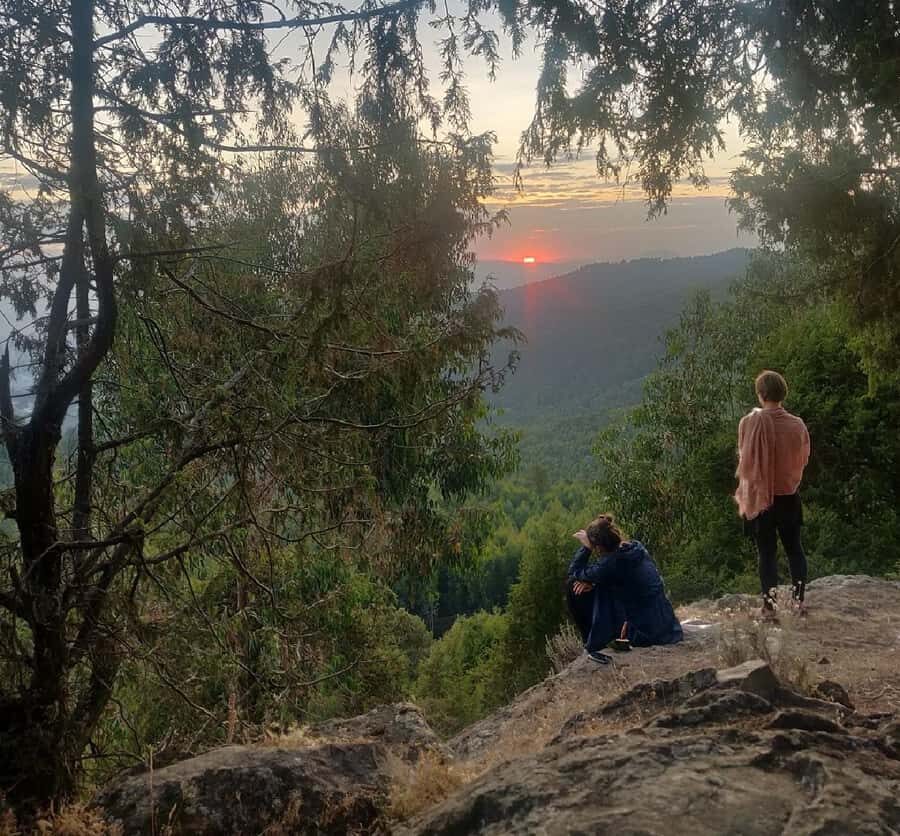
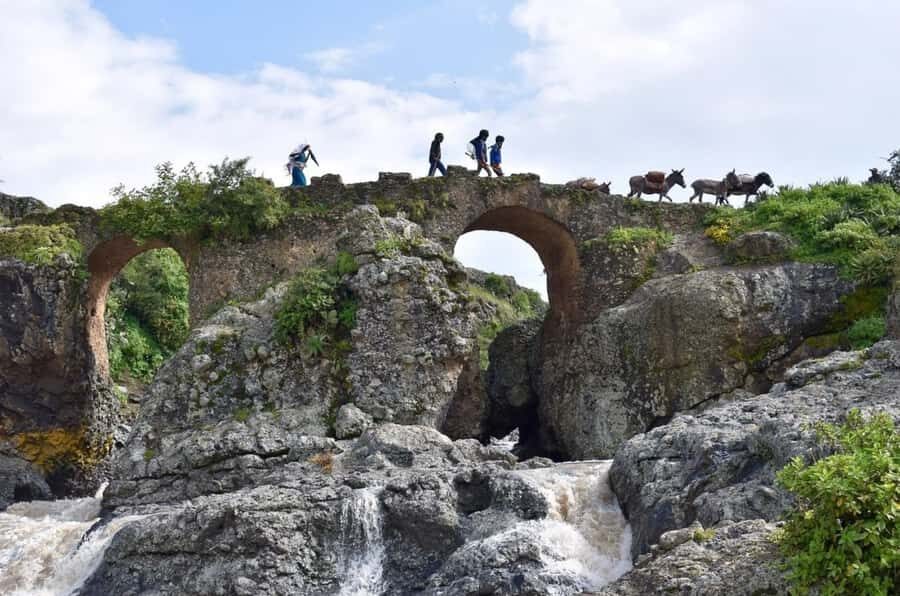
The Portuguese Bridge is one of those stops that feels like a snapshot of Ethiopia’s complicated connections to the wider world. It was built in the 1890s by Ras Darge, and it’s designed in a classic Portuguese style. The bridge itself is compact, but it anchors the scenery around it—views of the river area and surrounding terrain help you understand why it became a landmark.
You’ll take a short walk to see it up close and get your photos. This is a good moment for photos that include scale—standing near the bridge and then turning your camera toward the river and gorge line shows how the route connects different parts of the valley.
If you’re the kind of traveler who likes “one well-chosen object” stops, this is it. You’re not spending hours here. You’re getting a clear, historic focal point and then moving on.
Watching Ethiopia’s endemic primates and birds
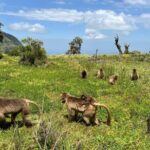
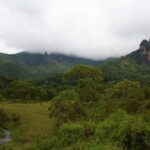
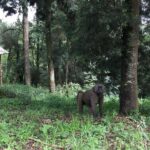
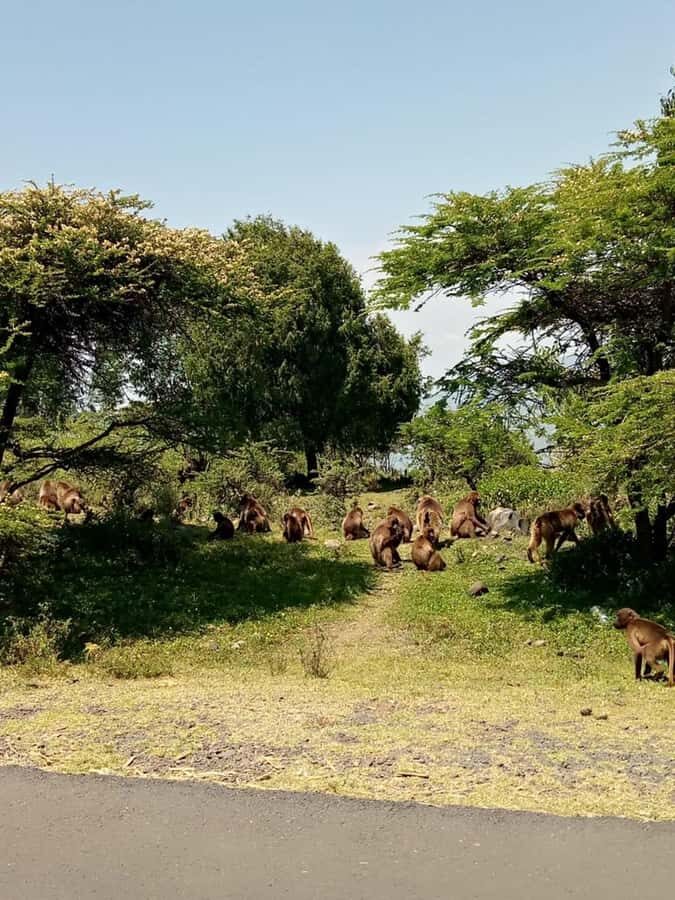
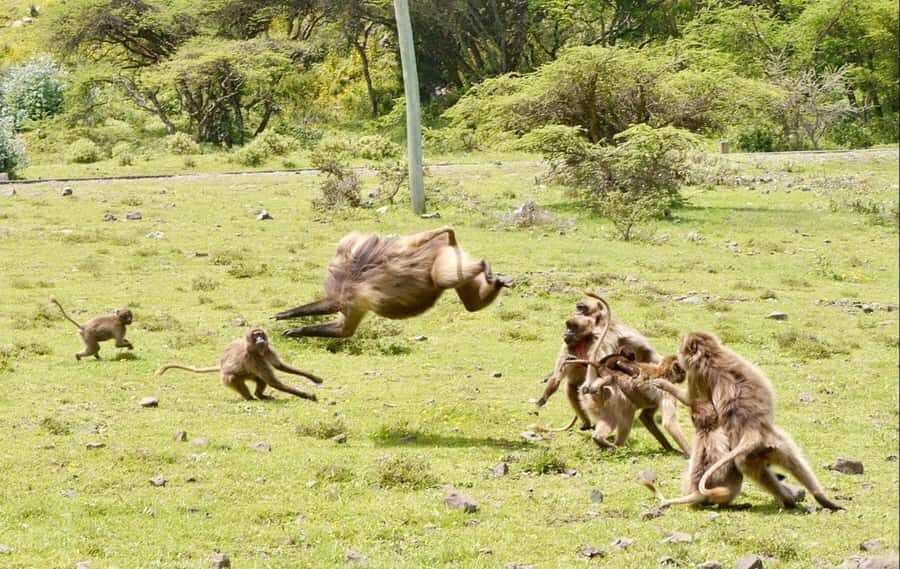
One of the best reasons to do this tour is the animal component—especially the endemic primates. On the drive north, you pass mountain terrain where Ethiopian bleeding-heart gelada baboons are found. You’ll also have a chance to spot birds tied to the region.
This part of the experience is more than a checkbox. Seeing these animals in the wild landscape they actually live in changes how you think about the country. Instead of zoos or curated exhibits, you’re watching animals that are adapted to these highland conditions.
Keep your expectations practical. You’re doing this on a day schedule, so wildlife sightings aren’t guaranteed like a theme-park ride. But the tour’s route and timing are built around the idea that you’ll have good opportunities. If wildlife is high on your list, this is a strong match for your day.
Entoto Hill at 3,300 meters: the best Addis photo you can get fast
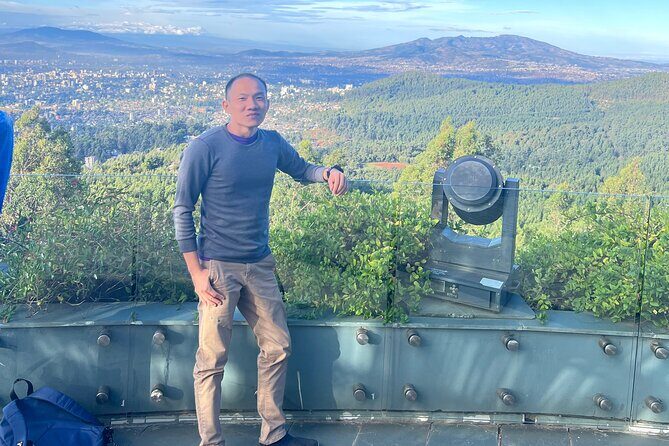
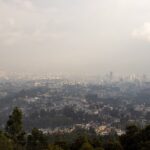
To close the day, you look back at Addis Ababa from Entoto Hill. The stop is at about 3,300 meters, so the views can be dramatic and far-reaching. This is also where you get a sense of Addis’s size and topography—how the city sits in a broader highland setting.
Before you reach the main viewpoint stops, you may pass by churches around Entoto, including Entoto St. Maryam Church and Entoto St. Raguel Church. These are mainly photo or pass-by moments, not long stays. Still, they’re useful for perspective, because they show how the city’s religious life connects with the highland geography.
Practical tip: at higher altitude, conditions can feel cooler and winds can pick up. Sunglasses, a hat, and sunscreen aren’t optional here. The sun can still be intense, and you’ll feel it when you’re standing still for photos.
Lunch, coffee breaks, and how the day stays human
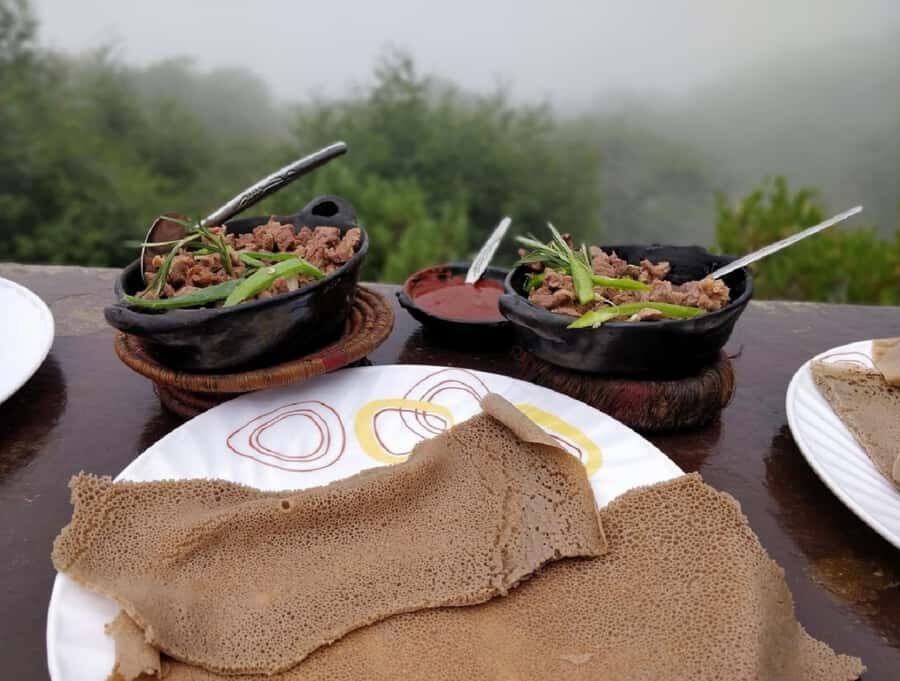
A day like this can turn into a rush if it’s all sightseeing and no breaks. Here, lunch is included at a local restaurant, along with water and hot drinks. That’s not a tiny detail. It gives you a real chance to reset, talk with your guide, and ask questions that you’d never get time for on a pure bus tour.
Guides on this route tend to bring Ethiopia to life through conversation. Names you might hear attached to guiding include Gabru/Gebru, Abiy/Abiy, Abi, Hallelujah, and Desale. Even when guides differ in style, the common thread is safety-first planning and explanations that help you connect places to stories.
One balance point: the lunch experience might not be a food highlight for every palate. Still, it’s included, it keeps you fueled for the afternoon, and it fits the day without turning it into a detour.
Road time, comfort, and what to pack
This tour runs like a full day circuit: you’ll drive out, visit multiple sites, then drive back. The roads can be challenging, and that’s not a reason to skip the tour—it’s a reason to pack smarter and stay flexible.
Here’s what I’d bring:
- Comfortable, grippy shoes for stone and uneven walking
- Sunglasses and sunscreen (sun at altitude hits)
- Sun hat for stops in open air
- A light layer for cooler winds higher up
- Passport or ID card
- For women: modest clothing and a scarf if you want extra comfort at monastery entry
If you have mobility limitations, this tour isn’t set up for you. And if you’re pregnant, it’s also listed as not suitable. If either applies, you’ll want a different plan with fewer physical constraints and a more flexible schedule.
Price and value: what $94 includes in practice
At $94 per person for about 8 hours, the value is best understood by what’s wrapped into the price. You’re not just buying sightseeing access. You’re getting:
- pickup and drop-off in Addis Ababa
- ground transportation
- an English-speaking escort guide from Addis
- a local guide at the monastery
- all entry fees
- lunch with water and hot drinks
- bottled water
That’s a lot to pay for separately on your own. The driving time is also a cost you avoid by booking the route as a package. Yes, one or two people note issues with vehicles or that the day can feel long. But in general, if you want a guided “hits-and-stories” day outside Addis, this price can make sense.
Think of it as buying time and clarity. You’re paying to have someone handle logistics and give context, while you focus on seeing the gorge, the monasteries, and the primates.
Who this tour is for (and who should pass)
You’ll likely love this tour if:
- you want a one-day overview of the north of Addis beyond city streets
- you’re interested in Ethiopian Orthodox religious sites and their history
- wildlife sightings are a must (especially bleeding-heart gelada baboons)
- you enjoy viewpoints and want the Addis skyline photo at the end
You might want to pass if:
- you hate long driving days or you’re prone to motion fatigue
- your mobility is limited (uneven walking and monastery spaces can be tough)
- you’re traveling with pregnancy-related constraints (listed as not suitable)
Should you book the Addis Ababa: Debre Libanos, Blue Nile Gorge, and Cave Tour?
If you have one free day and you want a mix of monastic life, dramatic Blue Nile Gorge views, and historic sites like the Portuguese Bridge, I’d book it. The included guide support, entry fees, and lunch make it easier to plan a smooth day without sweating the details.
But book with realistic expectations. This is a long road day. Bring sturdy shoes, protect yourself from sun and altitude, and stay patient if schedules get squeezed by road conditions. Do that, and you’ll come away with a day that feels full of place, not just busy on paper.
FAQ
Where does the tour start?
Pickup is included from your hotel in Addis Ababa or from the airport. The driver or guide will coordinate the pickup timing.
How long is the tour?
The duration is listed as 8 hours.
How much does it cost?
The price is $94 per person.
What are the main places you visit?
You’ll visit Debre Libanos Monastery, the Portuguese Bridge, the Blue Nile Gorge area, and the Saint Teklehaimanot Cave Church, plus viewpoints near Entoto Hill.
Is the guide English-speaking?
Yes, the live tour guide is English.
Is lunch included?
Yes. Lunch is included with water and hot drinks.
What wildlife might I see?
The tour focuses on endemic bleeding-heart gelada baboons and includes chances to see birdlife.
How high is Entoto Hill?
The panoramic views of Addis Ababa are from about 3,300 meters above sea level.
What should I wear and bring for monastery entry?
Bring comfortable shoes, sunglasses, sun hat, and sunscreen. Women should wear clothing that covers well below the knees, and a scarf is encouraged for head coverage when accessing the monastery areas.
Is this tour suitable for everyone?
No. It is listed as not suitable for pregnant women and people with mobility impairments.