REVIEW · ADDIS ABABA
Breathtaking Nature, Wildlife and Cave Church Tour – Free Pickups
Book on Viator →Operated by myGuzo · Bookable on Viator
Addis Ababa turns into wild countryside fast. This day trip to the Entoto Mountains mixes monastery history, dramatic gorge viewpoints, and real wildlife moments just outside the city. You also get a break from hassle thanks to free pickup and a driver who handles the roads.
My favorite part is the human one: you’re not just dropped at landmarks. Guides such as Teka and Zee (and drivers like Musse/Muse) are praised for clear English and for explaining what you’re seeing as you go, from mountain scenery to sacred sites.
The one thing to plan around is the travel itself. The road can be long and bumpy, and you’ll want proper shoes if you’re doing any walking near viewpoints and the bridge area.
In This Review
- Key things I’d bet on for a great day
- From Addis Ababa to Entoto: a fast escape into cooler air
- Debre Libanos Monastery: faith, politics, and a 1937 tragedy
- Jemma River Gorge and the Portuguese Bridge: photo spots with real steps
- Entoto Maryam and Mount Entoto: short stops, big views
- Wildlife and birds on the way: baboons, geladas, and kingfishers
- Lunch, timing, and the bumpy drive: what $80 buys you
- Who this tour fits best (and who should rethink)
- Should you book this Entoto and Debre Libanos tour?
- FAQ
- How long is the Entoto Mountains and Debre Libanos tour?
- Is pickup included, and where does it start?
- What’s included in the price?
- Is lunch included, and does it include drinks?
- What ages can join the tour?
- What if the weather isn’t good?
Key things I’d bet on for a great day

- Pickup across Addis Ababa makes this easier than many self-arranged day trips
- Debre Libanos Monastery combines breathtaking setting with heavy 20th-century history
- Portuguese Bridge offers standout views, especially when water is running in rainy periods
- Short church-and-ridge stops at Entoto Maryam and Mount Entoto keep the day moving
- Wildlife can be part of the plan, with sightings of baboons and other animals depending on the day
- Lunch plus hot drinks are included, so you’re not hunting for food mid-ride
From Addis Ababa to Entoto: a fast escape into cooler air
This tour is built for people who want to see Ethiopia beyond the city streets without turning the day into a logistics project. You’ll start with pickup anywhere in Addis Ababa (hotel or airport), then settle into the drive out toward the highlands around Entoto.
The timing is compact for what you pack in. You’re looking at roughly 7 to 8 hours total, with time spent at multiple stops along the way. The trade-off is that you spend a good portion of the day on the road, and that road can be rough. In exchange, you get to swap traffic and dust for altitude and open views.
What I like about this format for your first visit to Addis is that it gives you a feel for the country’s mix of spiritual life and everyday nature. Churches aren’t treated like museum objects here. They’re part of living landscapes, reached through real roads and canyon scenery, with your guide helping you read what’s around you.
Also, with a max group size of 30 travelers, it’s not a chaotic bus crowd. You should still be ready for a group pace, but it’s small enough to ask questions and get context during the stops.
A few more Addis Ababa tours and experiences worth a look
Debre Libanos Monastery: faith, politics, and a 1937 tragedy
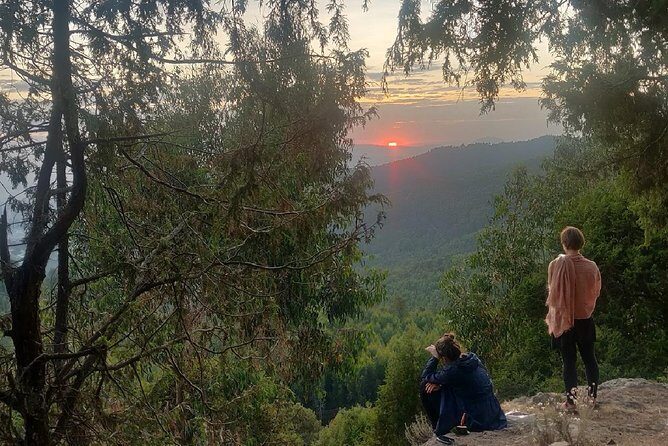
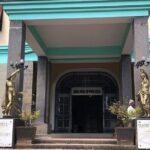
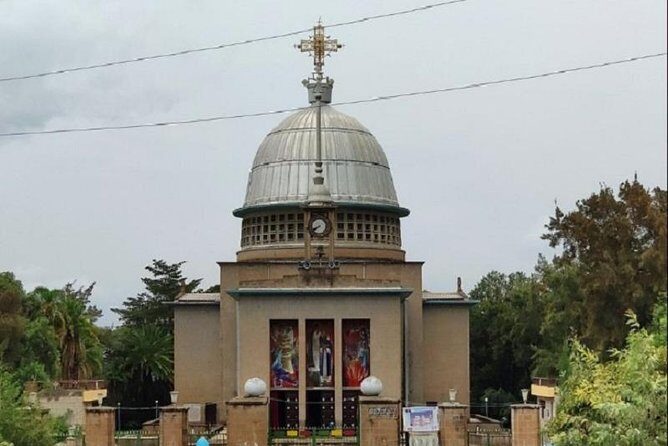
Debre Libanos Orthodox Church is the anchor of the day, and it’s the kind of place where your brain keeps catching up while your eyes do the work. You’re in a steep river canyon setting, where the monastery’s story connects religion, political power, and violence in modern history.
The church is linked to Ethiopian Saint Abune Tekle Haymanot, who founded it in 1284. Long after its founding, it grew into a political center of the Ethiopian Orthodox Church. There’s also a moment that ties the site to early European contact: Emperor Lebna Dengal received the first Portuguese mission to Ethiopia in 1520.
Then comes the hard part of the story. The original church was destroyed during a 1937 massacre carried out by the Italian army, where 800 monks, deacons, and lay worshippers were killed. What you see today is the modern church that replaced it, including a domed roof with stained-glass windows. It remains a key pilgrimage site, so the atmosphere is more than scenic.
Plan for this stop to feel meaningful rather than rushed. You’ll typically have about one hour here, which is enough time to walk around, take in the architecture, and hear the story your guide shares. If you’re the type who reads and asks questions, you’ll get a lot out of it.
A practical note: wear comfortable clothes you can sit or stand in for a while. Monastery sites often involve uneven ground and changing light. Even when the tour schedule is tight, this is the stop where you’ll want your attention fully on the details—stained glass, canyon views, and the sense of place.
Jemma River Gorge and the Portuguese Bridge: photo spots with real steps
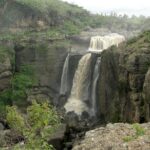
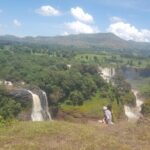
From Debre Libanos, the day shifts to scenery and river drama. The Jemma River Gorge is described as the starting point for the African Great Rift Valley, and you’ll see it from roads with striking views. It’s one of those Ethiopian drives where the road curves and you keep spotting more canyon angles.
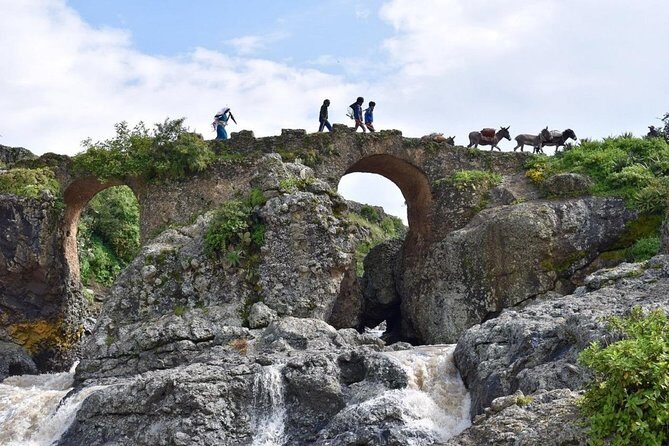
The bridge stop is where you get your “how is this real?” moment. The Portuguese Bridge is a narrow stone-arch bridge that locals sometimes believe was built by the Portuguese in the 16th century. The facts are more specific: it was actually built in the 1890s by Ras Darge, using an old Portuguese-style design.
Here’s what makes it memorable even if you’re not a bridge person. The span is narrow, which makes it great for photos—but it also means the area around it can involve stepping and careful footing. Below, you can see gushing water in rainy seasons, and that cascade adds motion and sound to the scene.
In terms of pacing, you usually get about one hour at the Portuguese Bridge area. That’s good for photos, short walks, and letting your guide explain what you’re looking at without feeling like you’re being herded.
Then there’s a second Debre Libanos-related viewpoint moment that focuses on the gorge experience: you’ll see the gorge starting point and the way roads and bridges connect the area. Expect about another hour of time here, giving you a chance to absorb the view and understand how the region’s geography shapes travel.
If there’s one drawback that comes up again and again, it’s this: the day includes walking on uneven, rocky surfaces. One review point was blunt: wear good shoes. Flats don’t cut it. Even if you’re not planning a long hike, you’ll still want grip and support.
Entoto Maryam and Mount Entoto: short stops, big views
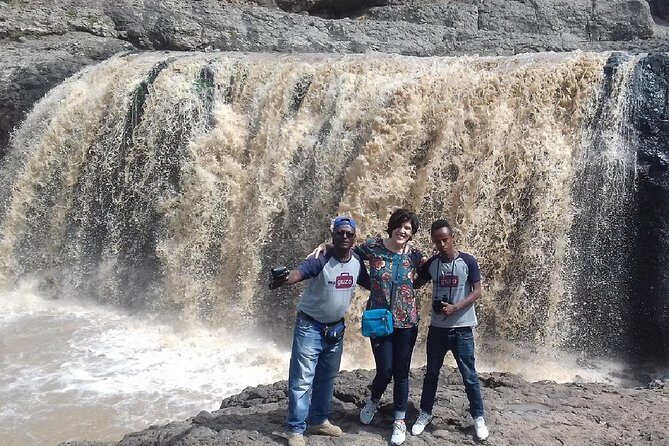
Not every stop is long, and that’s okay here. The day uses a smart mix: a major immersive site (Debre Libanos) and shorter ridge/church moments that help you understand the region’s scale.
Entoto Maryam Church is brief, around 15 minutes. You’ll drive by the historic Entoto Church—said to have been the first church in and around Addis Ababa—and then spend a short time at Entoto Maryam itself. It’s described as tranquil, with typical ancient Ethiopian church architecture. Because the stop is short, you’ll want to take photos quickly and then listen closely to your guide rather than trying to do everything on your own.
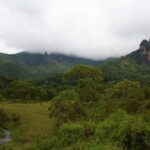
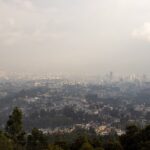
Mount Entoto is the other quick hit, again about 15 minutes. At roughly 3,300 meters elevation, it’s a classic “stretch your neck and look far” point. Entoto is where Addis Ababa was first established, and from here you get wide views over the city and surrounding areas. Even in a short time window, it helps your brain map where you are in relation to the highlands and ridges.
This is also where you’ll feel the altitude shift. You might not be hiking for hours, but being up on the ridge changes the air and light, and that makes everything feel more distinct from the city.
If you only remember one practical thing about these short stops, it’s this: come ready to move. The schedule is tight by design, so have your camera batteries charged, your water accessible, and your shoes ready. The views are worth the quick push.
Wildlife and birds on the way: baboons, geladas, and kingfishers
This is marketed as a wildlife-focused day, and the best part is that wildlife viewing isn’t forced or gimmicky. Instead, it happens in the gaps—on the drive, around viewpoints, and in areas where the animals naturally show up.
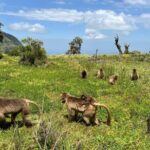
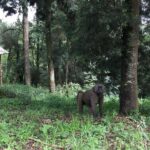
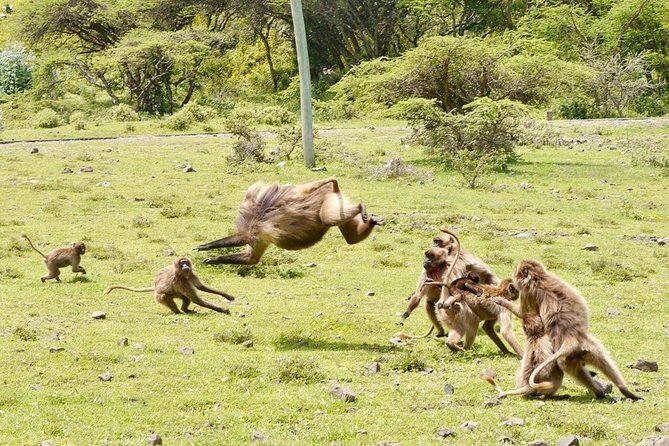
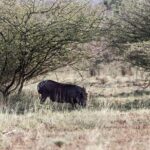
Baboons are mentioned as a highlight, and some guides also help you spot other animals like gelada monkeys. The exact sightings will depend on the day’s conditions, but the key is that your guide pays attention. This is also a tour style where the guide’s explanation matters, because they help you connect animal behavior to the environment you’re seeing.
Bird lovers have a special reason to feel excited. One detailed review focused on endemic and visiting birds, ranging from small lovebirds to raptors, with a standout moment watching kingfishers dive for fish. If that sort of moment sounds like your kind of travel, this route makes sense.
Even if you’re not a serious birder, wildlife viewing adds emotional payoff. You go from learning about church history to suddenly seeing living creatures in the same region. That shift is one reason this trip feels more like an outing than a checklist.
Just don’t treat animal viewing like a guarantee. Your responsibility is simple: be patient, keep your distance, and keep your eyes up while still watching your footing on rocky ground near viewpoints.
Lunch, timing, and the bumpy drive: what $80 buys you
Let’s talk value, because $80 is a real decision in any country. What you get here is not just access to sights. You get the parts that usually cost money and time when you travel independently: pickup and dropoff across Addis, a car with fuel, a driver, an English-speaking tour guide, plus local guides.
You also get entrance fees covered for museums and churches, which matters on a day trip like this. Many “cheap” tours end up stingy on entry costs and then surprise you with add-ons later. Here, the structure is more straightforward.
Then there’s food. Lunch is included with a bottle of water and hot drinks. Reviews also mention Ethiopian coffee quality and small food moments like hot milk snacks, which suggests the lunch stop is treated as a local experience rather than just fuel.
That said, you should be realistic about meal options. One negative point was that the lunch menu can be limited, and personal preferences like bread type can affect what you actually eat. If you have dietary needs or strong preferences, consider messaging ahead and clarifying what’s available at the lunch stop so you’re not stuck hungry on a long day.
Now the “consideration” everyone should take seriously: the road can be uncomfortable. Multiple comments describe a long drive that’s bumpy and full of holes. Plan for that. Pack patience. If you’re prone to motion sickness, bring your usual remedy.
And because this is a road-based day trip, schedule slippage can happen. One complaint described a late start and a tightened pace after that. That’s not the norm you should expect, but it’s wise to keep your day plan flexible if you’re juggling other activities in Addis.
For practical sanity, confirm pickup arrangements before the day. The tour operator’s support response mentions using WhatsApp for updates, so if you’re worried about meeting the driver, message them when your schedule gets close.
Who this tour fits best (and who should rethink)
This day trip is ideal if you want a strong first taste of Ethiopian countryside culture without spending your whole day organizing transport. If you like religious history, canyon scenery, and wildlife moments that pop up naturally, you’ll probably enjoy this outing.
It’s also a good fit for travelers who like guided storytelling. Guides such as Teka and Zee are repeatedly praised for explaining what you’re seeing and answering questions in good English. If you want to understand why Debre Libanos matters, not just photograph it, this format supports that.
I’d think twice if you hate bumpy rides or have limited tolerance for uneven walking. The tour includes mountainous stops and at least some rocky surfaces near viewpoints and the bridge area. Wear your best supportive shoes, not your flattest pair.
If you’re traveling with kids, note the minimum age is 7, and the tour is said to be doable for most travelers. With shorter stops, it can work for families, but the long drive still demands stamina and flexibility.
If you’re traveling with service animals, they’re allowed, which is useful if you need that support.
Finally, if your goal is a slow, deep hike day, this isn’t that. This is a “see a lot with context” style of outing, with time traded for variety.
Should you book this Entoto and Debre Libanos tour?
If you want a high-impact Addis day that combines Debre Libanos Monastery, Portuguese Bridge views, and wildlife moments in one smooth package, I’d say it’s worth booking. The value comes from the included driver, guide, entrance fees, and lunch, plus the fact that the day is designed for first-time understanding of the region.
Book it if you’re comfortable with a long, bumpy road and you’ll wear solid shoes. Skip it if you’re looking for a quiet, easy stroll day or you have strict expectations about lunch options.
If you’re on the fence, here’s my simple decision rule: if you’d rather spend your day learning stories and seeing wide views from ridge points than sitting in Addis traffic, this is the kind of tour that pays off.
FAQ
How long is the Entoto Mountains and Debre Libanos tour?
It runs about 7 to 8 hours.
Is pickup included, and where does it start?
Yes. Pickup and dropoff are offered at any location in Addis Ababa (hotel or airport). The meeting point is listed at Edna Mall.
What’s included in the price?
Pickup and dropoff, ground transportation with a driver, an English-speaking tour guide, local guides, lunch (with water and hot drinks), and museum and church entrance fees.
Is lunch included, and does it include drinks?
Yes. Lunch is included, along with a bottle of water and hot drinks.
What ages can join the tour?
The minimum age is 7 years.
What if the weather isn’t good?
The experience requires good weather. If it’s canceled due to poor weather, you’ll be offered a different date or a full refund.