REVIEW · ADDIS ABABA
DAY TRIP TO Debre Libanos Monastery Cave Church Nature and Wildlife
Book on Viator →Operated by WALK IN ETHIOPIA TOUR AND TRAVEL · Bookable on Viator
Debre Libanos turns a day trip into a story. I like the mix of orthodox monastery tradition and real-time nature, plus the included coffee ceremony that keeps things human and unhurried. The one possible drawback: the road can be rough and long, so plan for bumpy sections and leave extra time if you’re flying soon.
This is a private, full-day drive out of Addis, up over the Entoto Mountains, to one of Ethiopia’s major pilgrimage sites. You’ll also stop at the Portuguese Bridge and spend time around the monastery area where wildlife sightings (including monkeys) show up. If you’re hoping for an effortless, strictly smooth ride, this may not feel that way.
In This Review
- Key highlights at a glance
- Why Debre Libanos is a day trip you’ll remember
- Getting there from Addis Ababa: timing and what to expect on the road
- Portuguese Bridge: the quick stop that teaches you how Ethiopia remembers
- Entering Debre Libanos Orthodox Church: the walk, the legends, and the holy water line
- Cave church time: why this part of the monastery feels different
- Nature and wildlife: monkeys, baboons, and the gorge views
- Lunch and coffee ceremony: the calm cultural pause
- Private guide quality: what you should look for on the ground
- Price ($275) and value: what’s included, what isn’t, and where the money goes
- Comfort and logistics you can plan for
- Who this day trip suits best (and who should think twice)
- Should you book the Debre Libanos day trip?
- FAQ
- FAQ
- How long is the day trip to Debre Libanos?
- What time does pickup start?
- Is the tour private?
- Does the price include entrance fees and a guide?
- Is lunch included?
- Is there a coffee ceremony on the tour?
- Will I be walking during the visit?
- Where does the tour start and end?
- Is there free cancellation?
Key highlights at a glance
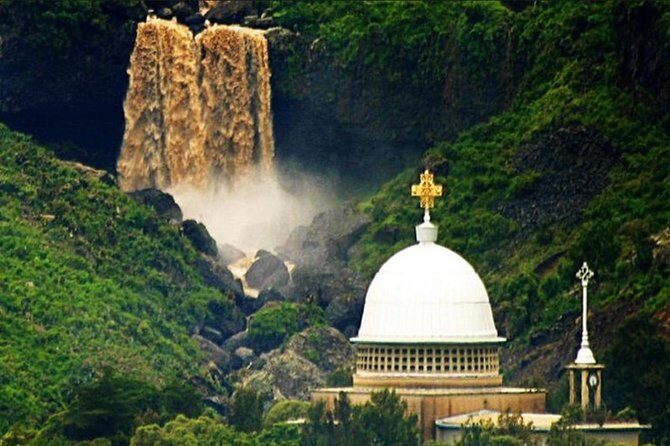
- Private guide at Debre Libanos, so you don’t just look—you understand what you’re seeing
- Portuguese Bridge stop with three arches and big views over the stream gorge
- Orthodox pilgrimage experience, including the walk up and the holy-water queue
- Wildlife moments around the monastery grounds and surrounding nature
- Typical Ethiopian lunch + coffee ceremony included, no extra cost for the ritual
- Round-trip hotel transfers by air-conditioned minivan, with entrance fees handled
Why Debre Libanos is a day trip you’ll remember
Debre Libanos is one of those places where the spiritual energy is visible in how people move, wait, and pay attention. You’ll see the monastery complex with an orthodox Christian focus that’s deeply woven into Ethiopian identity, not staged for tourists. Even if you’re not religious, you can feel how much meaning the site has for locals.
I also love the pacing here. You’re not only stuck inside one building. You get a bridge stop, then time at the monastery grounds, then a chance to watch for animals in the surrounding area. It’s a day that feels balanced between culture and outdoors.
The other strong point is practical: the tour handles a lot of the “logistics load” for you. Entrance fees, lunch, bottled water, and guiding are included, which usually means fewer surprises and less wandering on your own.
A few more Addis Ababa tours and experiences worth a look
Getting there from Addis Ababa: timing and what to expect on the road
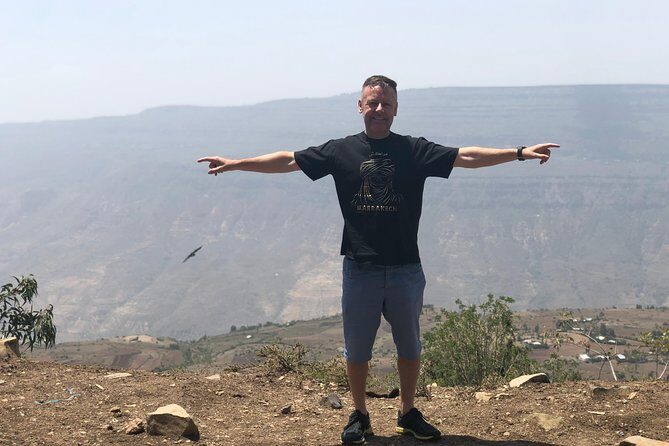
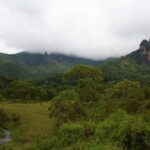
This tour runs about 9 hours, starting at 9:00 am with pickup offered from your Addis Ababa hotel. The route heads out over the Entoto Mountains, which matters because it sets the tone: you’re leaving the city for a cooler, greener change of pace.
On a day trip like this, the drive is the hidden half of the experience. One part of your enjoyment will come from reading the scenery outside the window and noticing how quickly the environment shifts as you climb and descend. Another part to take seriously: a few past experiences mention discomfort on rough road sections, and others mention delays on the return.
If your schedule is tight—especially if you have a flight—build in a buffer. A tour can run into traffic or slowdowns on the way back, and that’s not always fixable on the spot.
Portuguese Bridge: the quick stop that teaches you how Ethiopia remembers
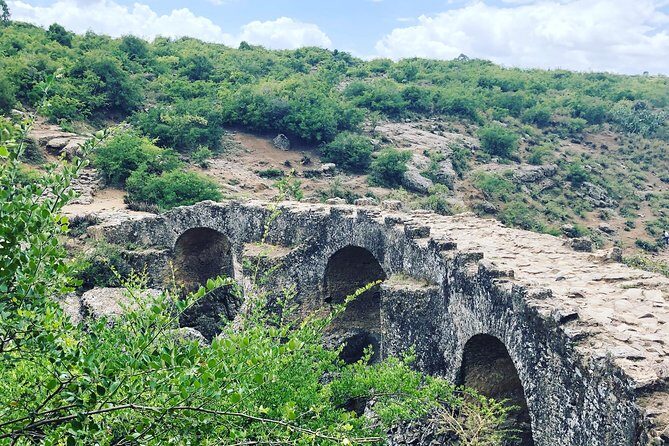
Before you reach Debre Libanos, you’ll visit the Portuguese Bridge, an impressive stone crossing that people connect to 17th-century masonry. The story goes that it may have been built by Indian or Portuguese masons either before the Jesuits were expelled in 1633, or later in the same century during the Gondarine period. Even if you keep the exact dating flexible, the bridge is still a strong example of how technical skill can outlast empires.
What you’ll notice on-site is scale. The bridge is about 33 meters long, roughly 10 meters high above a perennial stream, and built with three arches. There’s enough height and structure here to make you slow down, look across the arches, and take in the gorge-like setting around the water.
A practical tip: treat this as a photo-and-walk stop, not a “rush through” stop. The bridge looks different depending on where you stand, and the view often catches you off guard.
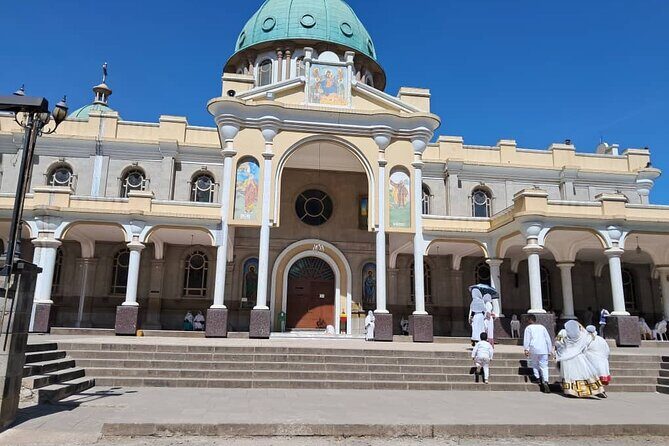
Entering Debre Libanos Orthodox Church: the walk, the legends, and the holy water line

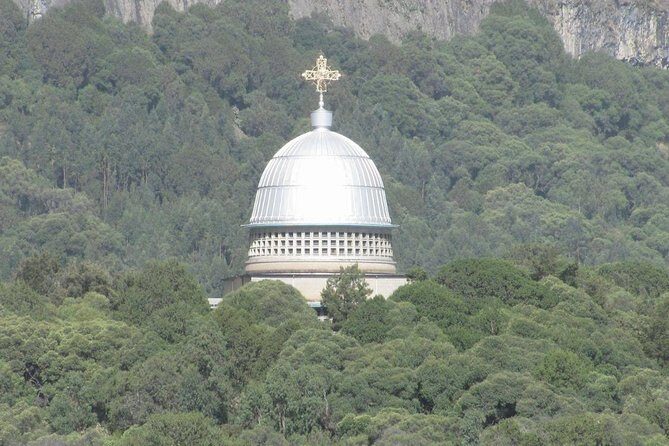
Debre Libanos is a monastery complex tied to Ethiopia’s orthodox tradition and pilgrimage culture. It’s said to have been founded in the 13th century by Saint Tekle Haimanot, which is a big part of why people still come here to pray and reflect.
Once you arrive, you’ll cross a river near the monastery area and then walk about 15 minutes uphill. That uphill stretch is the main physical effort of the day, and it’s worth planning for if you’re managing knees or stamina. You don’t need to be a hiker, but you do need comfortable shoes.
Then comes the pilgrimage moment that most visitors remember: a queue for holy water. People believe it’s a sign of Saint Tekle Haimanot’s prayer—linked to a legend where he prayed for 29 years, standing on one foot so long that the other foot fell off. You’ll see how seriously people take the ritual, from how they wait to the calm focus in the line.
This is one of the best reasons to choose a private guided visit. Your guide can explain what you’re seeing so the queue feels meaningful rather than just ceremonial.
Cave church time: why this part of the monastery feels different
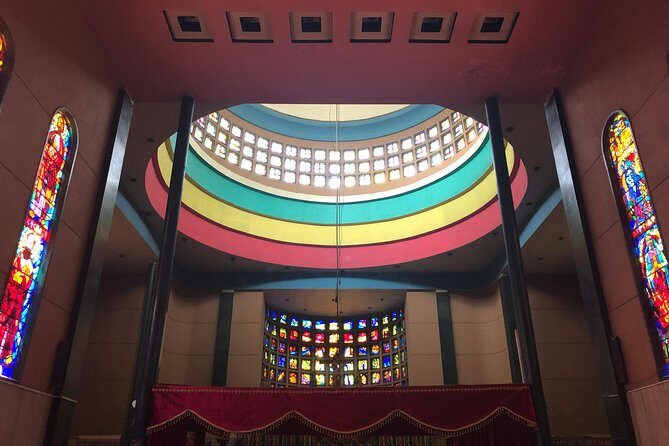
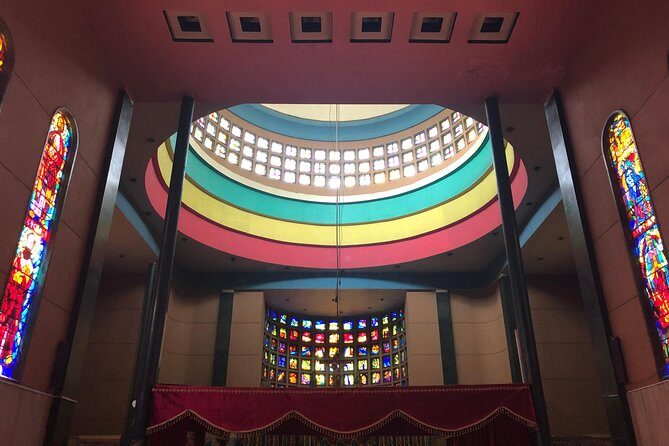
The tour is described as including the monastery and the cave church, and in a place like Debre Libanos, that difference in space is often the whole point. A cave setting changes sound, light, and your sense of closeness to the sacred. Even if you’re not chasing religious architecture, you’ll likely feel the atmosphere shift once you step into that more enclosed environment.
Because the day includes multiple stops in the monastery area, you’ll want to slow down here rather than treat it like a checkbox. Look up, notice where people gather, and watch how worshippers move. This is where the day’s religious thread becomes most tangible.
A few more Addis Ababa tours and experiences worth a look

Nature and wildlife: monkeys, baboons, and the gorge views
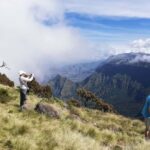
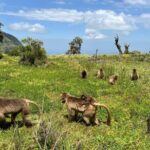
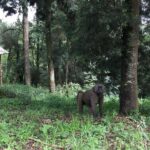
One of the reasons people love this day trip is that it’s not only about religion—it’s about being outside in Ethiopia’s highland environment. In the monastery area and along the route, you may spot animals, including monkeys and even baboons (depending on time of day and where you pause).
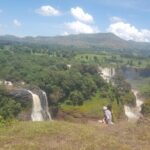
You’ll also often get views over water and natural settings around the site. Past experiences mention waterfalls and gorge scenery around the area, and the drive itself tends to throw up a steady stream of interesting landscapes—plus livestock and roadside life you’d miss if you only stayed in Addis.
A practical way to enjoy the wildlife part: don’t keep your eyes locked on your camera. Watch for movement first, then decide if you want to stop and take photos. If you’re with a guide, ask where animals usually appear during that time of year.
Lunch and coffee ceremony: the calm cultural pause
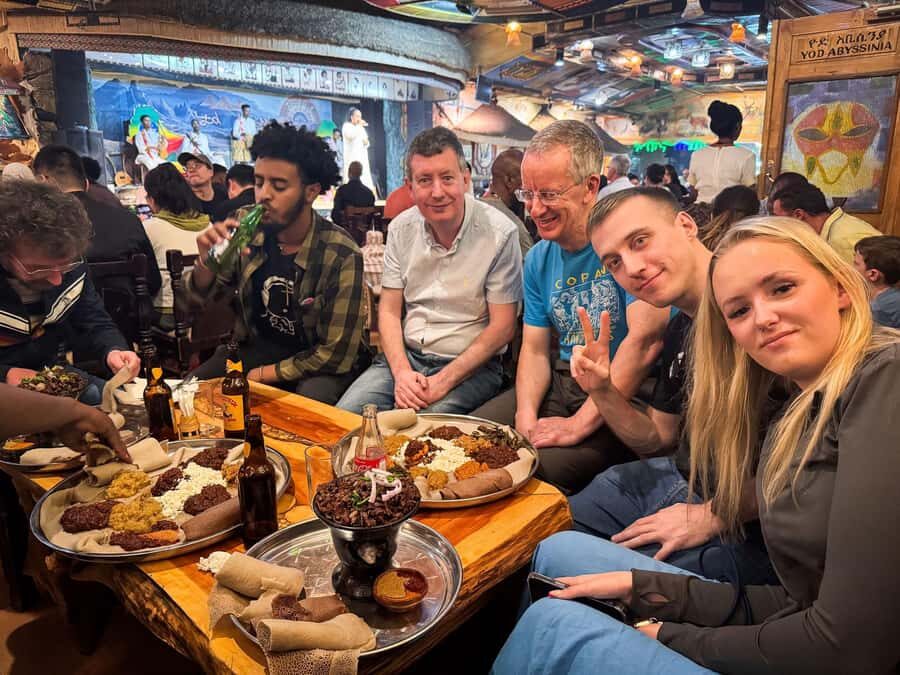
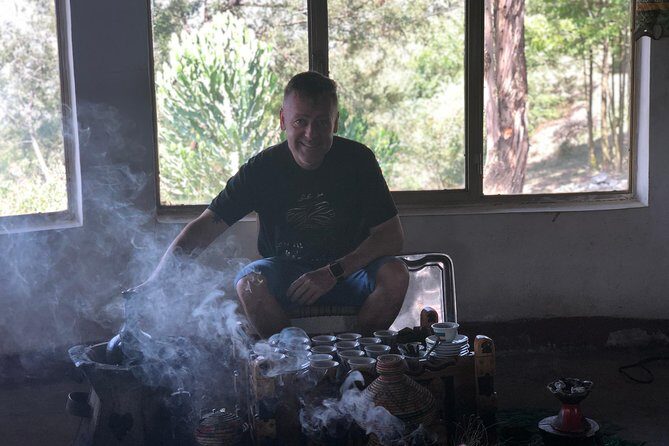
Most good day trips have one anchor meal and one cultural ritual that keeps the day from feeling like a checklist. Here, that’s the included typical Ethiopian lunch plus a traditional Ethiopian coffee ceremony.
Lunch is included, and you’ll also get bottled water. That matters because a day with a long drive can wear you down fast. The lunch also tends to be a social reset—people relax, talk, and refuel before the return leg.
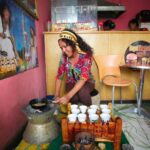
Then there’s the coffee ceremony, included at no extra cost. Even if you’ve had Ethiopian coffee before, watching the process is part of the experience. You’ll get that moment where the day slows down, and conversation becomes the main event.
If you care about flavor: drink the coffee at your pace. If you’re sensitive to caffeine, let your guide know. There’s no reason to push through just to match the rhythm.
Private guide quality: what you should look for on the ground
This is a private tour, meaning it’s just your group, not a mixed crowd shuffled through. That increases the odds you’ll get real conversations rather than quick scripted explanations.
The biggest praised value here is the guides’ ability to connect the site to Ethiopian life. Names you may see mentioned in feedback include Melaku, Seya, Wubi, Ray, Teewadros, Haile, and Birnabu. Some have been noted for speaking strong English, which can make a huge difference when you want the legends, rituals, and architecture explained clearly rather than vaguely.
What to do as a smart reader: ask questions at the moments that matter. For example, ask what the holy water ritual represents in practice, and ask what the monastery means for pilgrims today. Those answers will make the walking time feel purposeful.
Price ($275) and value: what’s included, what isn’t, and where the money goes
At $275 per person, this isn’t a “cheap excursion.” But it can be fair value if you’re looking at the full package. The tour includes private guiding, air-conditioned vehicle, round-trip transfers, all entrance fees, lunch, bottled water, and the coffee ceremony.
That’s important: you’re paying for coordination. You’re not negotiating entry tickets, hunting for a local guide on the fly, or piecing together transport out of Addis. For a destination like Debre Libanos—where meaning matters and context helps—having someone with you is usually worth more than a lower price.
What’s not included is straightforward: alcoholic drinks and any personal purchases. If you drink alcohol with meals, you’ll need to budget separately.
The one money-related caution comes from the comfort side. One negative experience mentions a vehicle with suspension issues that hurt someone’s back on rough roads. The operator says they use a latest-model minivan with A/C, but your comfort still depends on road conditions that day. If you’re sensitive to bumpy rides, plan for that and consider bringing something for back support.
Comfort and logistics you can plan for
A long day trip can feel great—or exhausting—based on preparation. Here’s what I’d do to make it smoother:
- Wear shoes with grip for the uphill walk of about 15 minutes
- Bring a light layer. Highland weather can shift, especially once you’re away from Addis
- Use the restroom before you start the hike segment, since the day is structured around site time
- If you’re prone to motion discomfort, consider taking precautions before the drive
- If you have an important deadline after the tour, don’t book a tight appointment for the same window, since return delays have happened
Also, if you’re coordinating pickup: confirm your pickup details in advance. One experience described trouble with email confirmation and a lack of phone service at the airport, so it’s smart to have a backup contact method.
Who this day trip suits best (and who should think twice)
This tour is ideal if you want a full culture-and-nature day without assembling the pieces yourself. It suits people who enjoy:
- Orthodox Christian sites and pilgrimage traditions
- Gentle hikes or short uphill walks
- Wildlife spotting in a natural monastery setting
- Ethiopian food and a real coffee ceremony experience
It may be less ideal if you:
- Need a very smooth ride all day
- Have strict timing for flights or events and can’t add buffer time
- Want a minimalist walking day with no queueing or uphill segments
Should you book the Debre Libanos day trip?
If you’re in Addis and want one trip that mixes monastery meaning, a standout historic bridge, and outdoor wildlife potential, I think this is a strong choice. The included lunch and coffee ceremony help the day feel complete, not rushed.
Just go in with realistic expectations about the drive and the road conditions. If you prepare for the uphill walk and give yourself timing slack for the return, you’ll likely find the day feels rich in both spiritual and natural moments.
FAQ
FAQ
How long is the day trip to Debre Libanos?
It runs about 9 hours.
What time does pickup start?
Pickup starts at 9:00 am.
Is the tour private?
Yes. It’s a private tour/activity, so only your group participates.
Does the price include entrance fees and a guide?
Yes. Entrance fees and a local professional guide are included.
Is lunch included?
Yes. Lunch is included, along with bottled water.
Is there a coffee ceremony on the tour?
Yes. A traditional Ethiopian coffee ceremony is included at no extra cost.
Will I be walking during the visit?
Yes. After crossing a river, you’ll proceed on foot up the hill for about 15 minutes.
Where does the tour start and end?
It starts in Addis Ababa and ends back at the meeting point.
Is there free cancellation?
Yes. You can cancel up to 24 hours in advance for a full refund.