REVIEW · ADDIS ABABA
Day trip Debre Libanos, Bule nile George &Portugal Bridge
Book on GetYourGuide →Operated by vowland ethiopia tour · Bookable on GetYourGuide
Few day trips hit this mix of faith and wildlife.
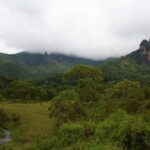
A long but rewarding drive north of Addis Ababa brings you to Debre Libanos (founded in 1284) and then to the Portuguese Bridge above the Blue Nile Gorge, where you can watch Gelada baboons and birds. What I like most is how the day connects big history with real countryside life outside the city, and how the views keep changing from Entoto highlands to river gorge. One thing to plan for: the roads can be bumpy and the day is tiring, so wear good shoes and expect a slow-moving schedule.
I also really enjoyed the on-site guidance—between the monastery’s local storytelling, the museum context, and the practical spotting help for wildlife. My day ran smoothly with a guide named Kane (Kena in some spellings) and a driver who kept things steady on the way back. If you’re coming with mobility limits, the tour is listed as wheelchair accessible, but you’ll still do some walking and viewing stops, so it helps to be realistic about uneven ground.
In This Review
- Why Debre Libanos + Portuguese Bridge Works So Well
- Price and What $90 Really Buys You
- Getting There: 7:30 AM Pickup and the Entoto Highland Drive
- Entering Debre Libanos Monastery: Churches, Museum, and a Guided Walk
- Tekle Haymanot’s Cave and the Holy Spring
- The 1937 Martyrs’ Memorial: Remembering a Violent Chapter
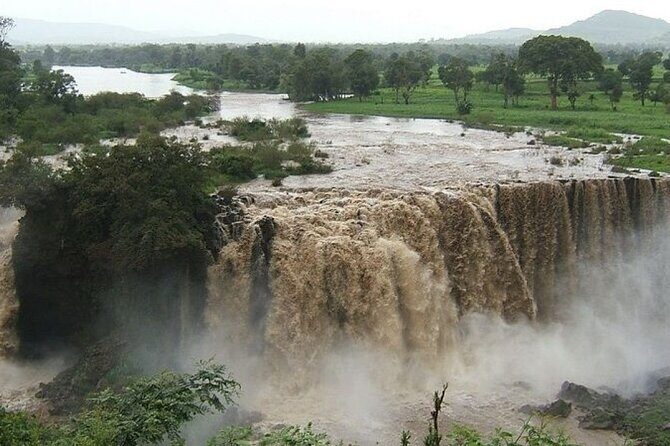
- Portuguese Bridge Over the Blue Nile Gorge: Views, Geladas, and Birds
- Jamma River Break and the Value of Unplanned Stops
- Mount Entoto on the Return: Addis Views at Day’s End
- What to Bring, How to Dress, and Comfort Reality Checks
- Best Fit: Who Should Book, and Who Should Think Twice
- Should You Book This Debre Libanos and Portuguese Bridge Day Tour?
- FAQ
- FAQ
- What time does pickup start for this day trip?
- Where will you pick me up in Addis Ababa?
- How long is the tour?
- What’s included in the $90 price?
- Is lunch included?
- Are there any clothing requirements for the monastery?
- Will I see wildlife?
- Is the tour suitable for everyone?
Why Debre Libanos + Portuguese Bridge Works So Well
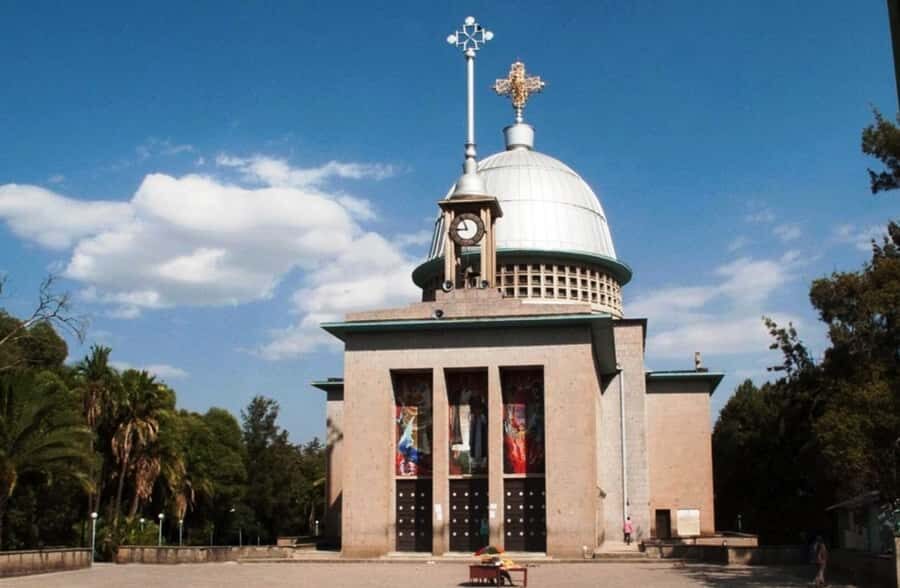
This is not one of those “see a church, take a photo, leave” outings. It’s a full-day blend: sacred Ethiopian Orthodox heritage, a museum that explains what you’re seeing, and a gorge viewpoint where the animals are the entertainment.
You’ll also get a strong sense of Ethiopia beyond Addis. Along the drive, you pass farmland, livestock, and everyday routines. That part matters because it changes how you read the monastery later. You don’t just visit a site—you see the region that has supported people, pilgrims, and faith for generations.
The Portuguese Bridge stop adds contrast. You’ll go from candlelight and stone floors to a dramatic overlook where the Blue Nile cuts through the area and the wildlife appears when you’re quiet and patient.
Price and What $90 Really Buys You

The price is $90 per person for about 9 hours, and the value comes from what’s included—not just the big sights.
Included in your day:
- Hotel or airport pickup and drop-off in the city
- Ground transportation
- Entrance fees
- An English-speaking escort guide from Addis plus a local monastery guide
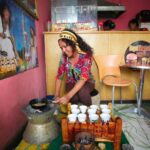
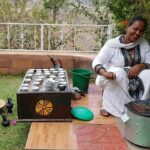
- Ethiopian coffee
- Bottle water
Not included:
- Lunch
- Alcohol
- Personal costs
- Souvenirs
For me, the best value piece is the combination of guides. You get a monastery specialist on the ground to explain symbols and relics, then a separate Addis-side escort to keep timing sensible. That’s how the day feels coherent instead of rushed. The biggest “hidden cost,” realistically, is lunch since it’s not included—so budget for it and don’t arrive hungry at mid-day.
A few more Addis Ababa tours and experiences worth a look

Getting There: 7:30 AM Pickup and the Entoto Highland Drive
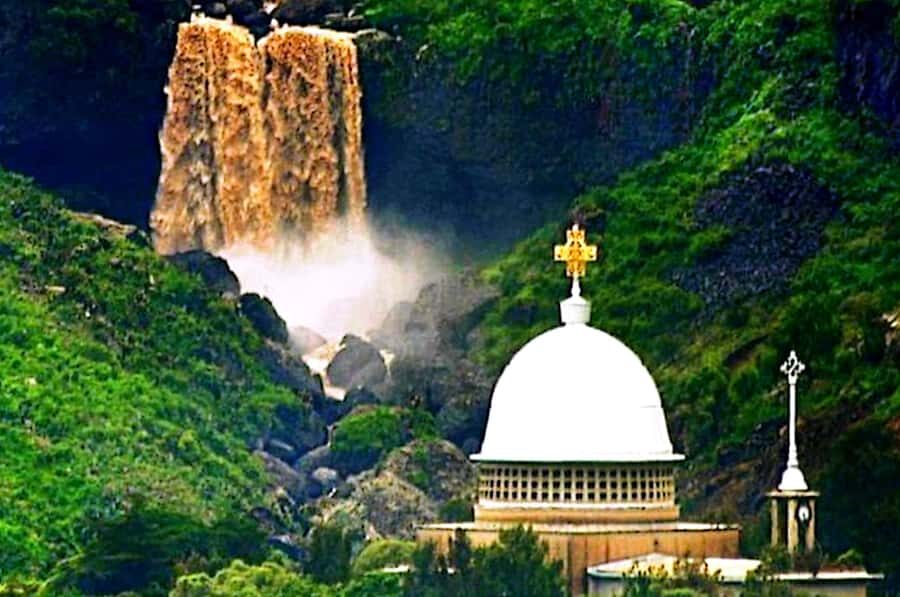
You start early for a reason. Pickup is typically around 7:30 AM, with hotel or Addis Ababa Bole International Airport pickup (you’ll meet your driver using a name banner at the airport). The day is long, but leaving early helps you reach Debre Libanos before it gets too hot and too crowded.
After roughly two hours of driving (about 110 km), you arrive in the area of Debre Libanos. The route crosses the Entoto Mountains, so you’ll see highland scenery and dense forest stretches along the way.
Practical note: the drive can be bumpy and you may share the road with trucks. If you get motion-sick, plan for that. If you don’t, still bring a mindset for potholes and frequent changing road surfaces—this is not a smooth highway day.
Entering Debre Libanos Monastery: Churches, Museum, and a Guided Walk

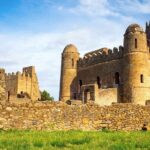
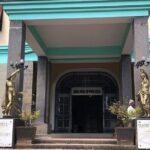
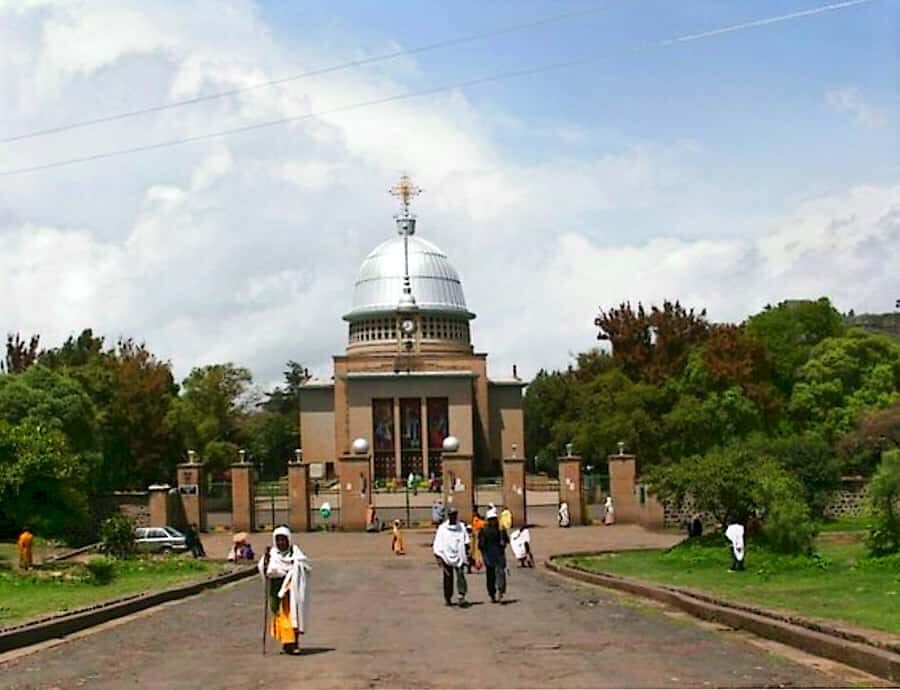
Debre Libanos is one of Ethiopia’s most venerated Ethiopian Orthodox Tewahedo sites, established in 1284 by Saint Tekle Haymanot. When you arrive, you’re stepping into a place where faith isn’t a performance—it’s part of daily rhythm and visitor etiquette.
Expect a guided visit that covers:
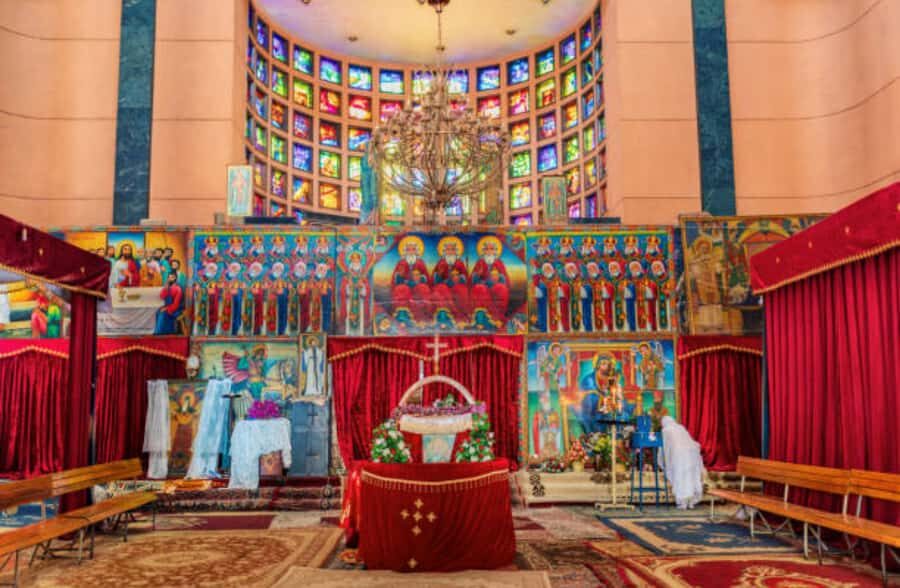
- The richly decorated church areas
- A museum with religious artifacts and historical objects
- Time for photos and a chance to pause and absorb
The museum standouts (the stuff you’ll be glad you didn’t skip):
- Religious crowns and historical items
- Musical instruments connected to worship traditions
- Relics connected to the Italian occupation
That museum context matters. Without it, you might see objects but miss the story. With a guide, you start noticing what people value and why.
You’ll also do some walking—plan on about 1.5 hours of guided time and movement at the monastery site, plus breaks for photos.
Tekle Haymanot’s Cave and the Holy Spring
This stop is one of the most emotionally direct parts of the day, because it ties belief to physical place.
You’ll visit:
- Saint Tekle Haymanot’s sacred cave
- A holy spring believed to have healing powers
Even if you’re not coming as a religious pilgrim, it’s worth treating this moment with the same calm you’d use inside a major church anywhere in the world. People are there for more than sightseeing. The guide’s role here is simple but important: explain what you’re seeing and how visitors should behave.
One practical tip before you go: women should bring a scarf to cover their head for monastery access. Plan it like you would a dress code item. Don’t treat it as optional last-minute improvisation.
The 1937 Martyrs’ Memorial: Remembering a Violent Chapter
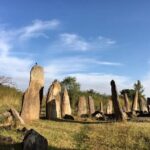
Near the monastery area you’ll also have time to see the Martyrs’ Memorial. It commemorates the 1937 massacre of priests and worshippers carried out by Italian forces, marked by a monument near the church.
This is not the kind of stop where you rush for the photo and move on. The guide’s explanation gives you a framework, so the memorial reads as a historical record and a warning about how fragile religious freedom can be.
It’s also part of why this tour is more satisfying than a checklist day: you’re offered both beauty and truth, not just one or the other.
Portuguese Bridge Over the Blue Nile Gorge: Views, Geladas, and Birds
After the monastery, the day shifts from indoor stone and ritual pace to outdoor scenery and animal time.
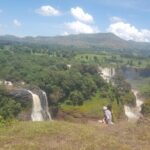
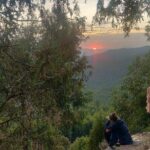
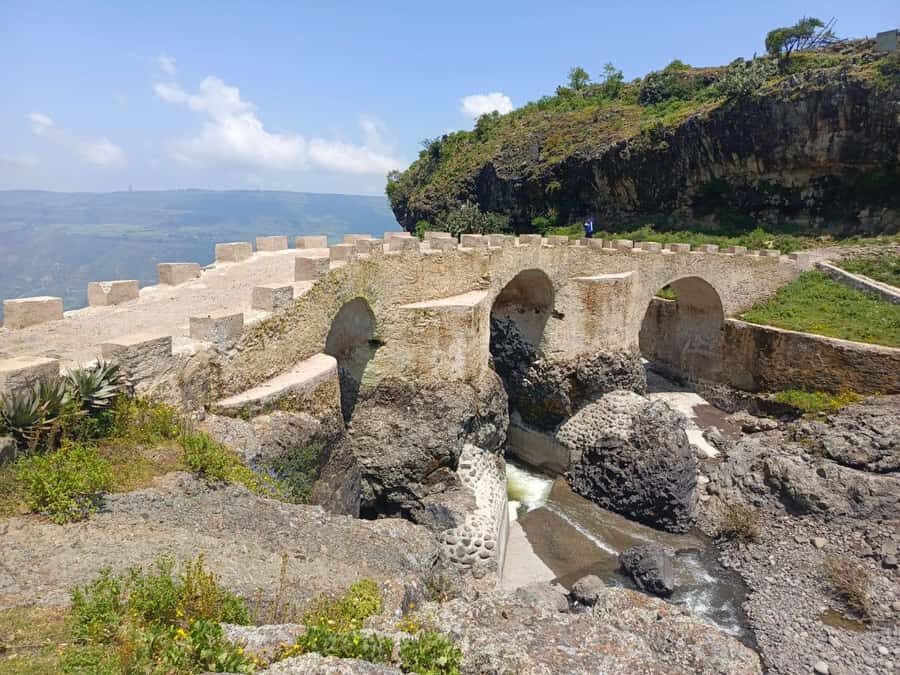
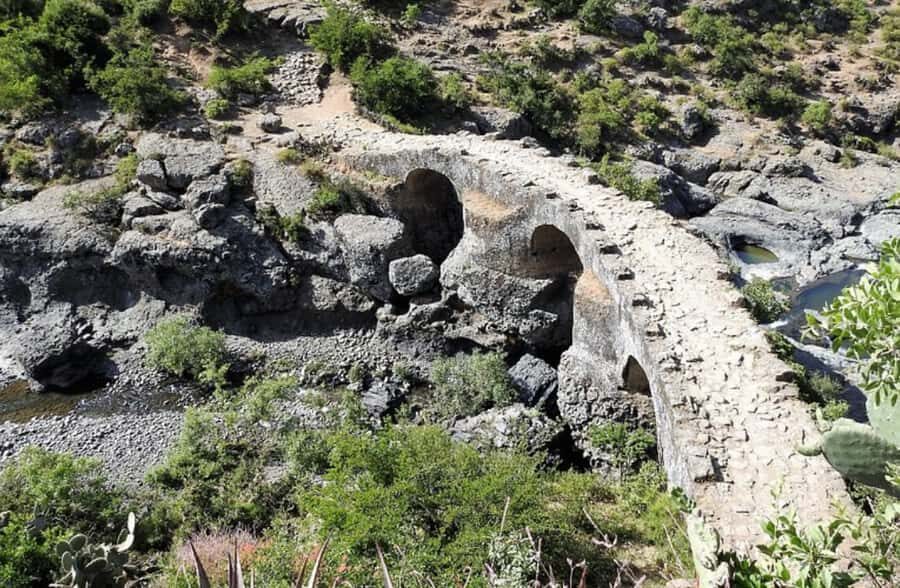
You drive to the nearby 16th-century Portuguese Bridge, an old structure that overlooks the dramatic Blue Nile Gorge. This is where the views start doing real work. You’ll get multiple photo moments, and you’ll often pause on the way for scenic stops too.
Wildlife is a major reason to choose this tour:
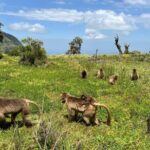
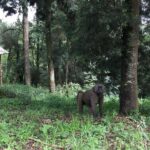
- You may spot Gelada baboons, including Ethiopian endemics
- You can also look for a variety of native birds
A good guide makes a difference here. When you’re searching a gorge viewpoint for small movement and distant animals, it’s easy to miss what’s right in front of you. With Kane’s help, I found myself noticing motion and then confirming it—quietly, without frantic scanning.
There’s also free time at the Portuguese Bridge area, plus optional shopping if you want it. Just keep your head clear: if wildlife is active, don’t lock yourself into shopping while others are watching.
Jamma River Break and the Value of Unplanned Stops
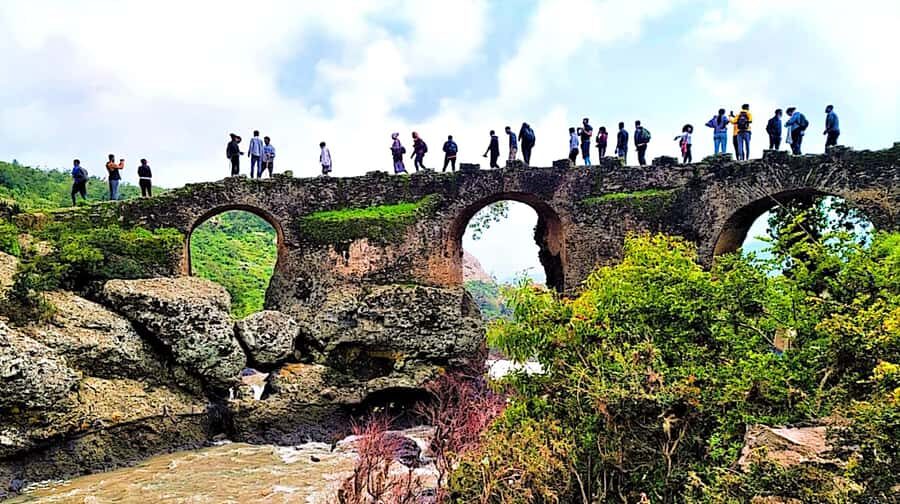
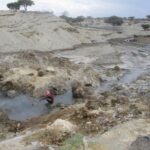
Between the big anchor moments, the tour includes a stop at the Jamma River area. Expect another round of breaks and guided explanation, plus time to stretch your legs.
This is where the day feels less scripted and more human. You’ll have a chance to:
- Take more photos
- Walk a bit and look around
- Enjoy a bit of free time
It’s also the kind of pause that helps you recover from the early start. A day like this is long enough that one extra standing break can keep your legs from feeling destroyed by late afternoon.
Mount Entoto on the Return: Addis Views at Day’s End
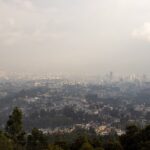
On your way back, there’s a final scenic pause on Mount Entoto for a panoramic view of Addis Ababa. It’s a nice closing beat because you get to compare the city against what you saw outside it.
This stop also helps you mentally land. You’ve been moving between monastery, museum, and gorge. A wide view puts everything into perspective and lets you connect the geography with the stories you heard earlier.
You’ll return to Addis in the late afternoon, around 5:00 PM, and then be dropped at your hotel or at the airport.
What to Bring, How to Dress, and Comfort Reality Checks
Pack for a day that includes church, museum, outdoor viewpoints, and some uneven walking.
Bring:
- Comfortable shoes (non-negotiable)
- Comfortable clothes
- A change of clothes (helpful for long travel and warmer outdoor sections)
Dress thoughts:
- Keep shoulders modest for monastery areas.
- For women: bring your scarf for head covering.
- Avoid anything too flashy or that makes you sweat too fast. You’ll be outside and moving.
Energy reality check:
- This is a full 9-hour day with early departure.
- The itinerary includes breaks, but it’s still long.
- Expect a tiring mix of driving time and walking time.
If you’re prone to stomach issues or headaches from travel days, plan accordingly—especially because lunch isn’t included.
Best Fit: Who Should Book, and Who Should Think Twice
This tour is a great match if you want:
- A cultural day that goes beyond Addis
- Church-and-history time with a local guide
- Outdoor time for animals and bird spotting
- Big variety in one trip: cave, museum, memorial, bridge, gorge, and wildlife
It’s a private group, and the tour is listed as wheelchair accessible. That said, you’ll still likely face uneven ground at viewpoints and monastery areas. If mobility is limited, you’ll want to move at a careful pace and ask your guide how much walking is involved for your specific situation.
Not suitable for:
- Pregnant women (per the tour info)
If you’re expecting a relaxed stroll with lots of lounging, choose something else. This is a “see a lot in one day” format.
Should You Book This Debre Libanos and Portuguese Bridge Day Tour?
I think you should book this if you want the kind of Ethiopia day that feels textured: faith you can understand through objects and explanations, plus wildlife spotting that turns viewpoints into living moments. The inclusion of entrance fees, local guidance, Ethiopian coffee, and water makes the price feel more reasonable than “pay extra for everything” tours.
Skip it if:
- You can’t handle long driving time and a bumpy road
- You don’t want an early start
- You prefer minimal walking or a very relaxed schedule
If you’re on the fence, this is the decision rule I’d use: if you’re excited by monasteries and by the chance to see Gelada baboons in the wild, the day will click. If those two interests don’t both matter to you, you may feel the effort doesn’t pay off.
FAQ
FAQ
What time does pickup start for this day trip?
Pickup is set for a 7:30 AM start, with you being ready about 15 minutes before departure.
Where will you pick me up in Addis Ababa?
You can be picked up from Addis Ababa Bole International Airport or from your hotel within the city. Airport pickup uses a driver banner with your name.
How long is the tour?
The duration is listed as 9 hours, with a return to Addis Ababa around 5:00 PM.
What’s included in the $90 price?
It includes hotel/airport pickup and drop-off, ground transportation, entrance fees, an English-speaking escort guide from Addis, a local monastery guide, Ethiopian coffee, and bottled water.
Is lunch included?
No. Lunch is not included, so you’ll need to plan for a meal on your own.
Are there any clothing requirements for the monastery?
Yes. Women should bring a scarf to cover their head for access to the monastery.
Will I see wildlife?
The tour includes wildlife viewing time, and you may spot Gelada baboons and various native bird species at the Portuguese Bridge/Blue Nile Gorge area.
Is the tour suitable for everyone?
The tour info says it is not suitable for pregnant women. It is listed as wheelchair accessible, but you should still expect some walking at stops.