REVIEW · ADDIS ABABA
Bale Mountains National Park – 5 Day Tour
Book on Viator →Operated by WALK IN ETHIOPIA TOUR AND TRAVEL · Bookable on Viator
Bale Mountains is where Ethiopia turns wild. This 5-day trip is built around real trekking time in Bale Mountains National Park, with strong odds of seeing the Ethiopian Wolf in its natural habitat and lots of highland birdlife. I especially like the mix of driving and trekking (so you actually reach the trailhead comfortably), and I like that the plan focuses on mammals and views, not just check-the-box stops. One consideration: it’s physically demanding, with multi-hour hikes and a high-altitude climb near Mount Wasama.
You start early from Addis Ababa (Bole Airport) and head to the park’s Dinsho area, then move camp-style through the Bale Highlands for a few days of sustained walking. You’ll sleep in a guest house on the first night, then in camps at Sodota and Garba Guracha, with dinners included along the way. If you want an easy walking holiday with lots of flat time, this probably won’t feel right.
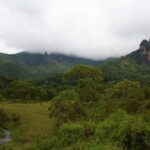
The payoff is the high country: giant lobelia slopes near Mount Wasama, big raptors overhead, and the kind of wildlife moments that feel earned after time on the trail. Just know the whole thing is private (your group only), so you’re paying for a tailored schedule and not a crowded bus experience.
In This Review
- Quick Hits Before Your Bale Trek
- From Bole Airport to Dinsho HQ: The Drive That Sets the Tone
- Dinsho Check-In, Park Paperwork, and a First Night Off the Trail
- Trek Day: Dinsho to Sodota and the Ethiopian Wolf Chances
- Trek Day: Sodota to Wasama Valley and the Raptors Overhead
- Trek Day: Garba Guracha to Wasama and the 4,200-Meter Pull
- Finishing the Trek and Landing Back in Addis for Culture
- Price and Value: What $2,260.26 Actually Buys
- Safety, Guides, and the Feel of a Well-Run Trek
- Practical Packing Notes for Bale Mountains Weather
- Who Should Book This Bale Trek (and Who Might Reconsider)
- Should You Book the Bale Mountains National Park 5-Day Tour?
- FAQ
- What time does the tour start from Addis Ababa?
- Do they offer pickup?
- How long is the tour?
- Is this a trekking tour, or mostly driving?
- What physical condition do I need?
- What wildlife can I expect to see?
- What is included in the price?
- Are alcohol and camera fees included?
Quick Hits Before Your Bale Trek
- Three and a half days trekking inside the park, starting around Dinsho and finishing toward the Sanetti Plateau area
- Wildlife-focused route with specific chances for Ethiopian Wolf, Mountain Nyala, Menelik Bush Buck, Warthog, and more
- Camping nights in the highlands, plus a guest house night in Dinsho to reset after the first drive
- Early 6:00 am departure from Bole Airport, with a long but scenic road approach and a bird stop at Lake Ziway
- Mount Wasama climb near 4,200 meters, where giant lobelia and Afro-alpine plants shape the trail
- End in Addis with a cultural buffet and live music at Yod Abyssinia Cultural Restaurant
From Bole Airport to Dinsho HQ: The Drive That Sets the Tone
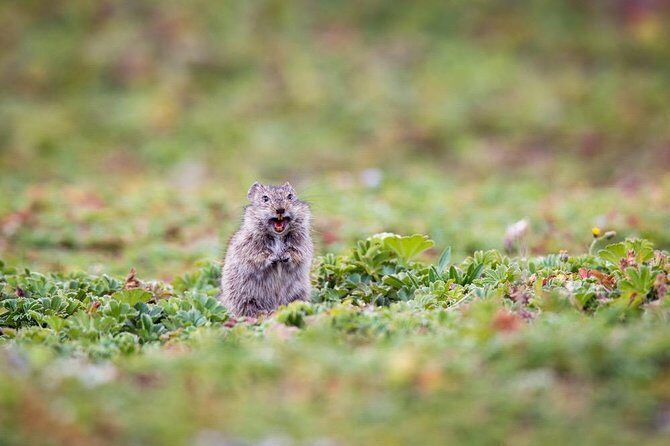
You start at 6:00 am from Bole Airport in Addis Ababa, which is smart for a trip like this. A slow start makes the road feel longer, and Bale day walks already take time, so beating the clock helps your first day feel manageable.
The drive is part of the experience. You’ll pass through the main approach corridor and stop for lunch in Shashmene, which is roughly 250 km from Addis Ababa. That’s a good reset point so you can eat, stretch, and not arrive at Dinsho completely depleted.
There’s also a birdlife stop at Lake Ziway en route. Even if you’re mainly coming for mammals and the Ethiopian Wolf, I like this kind of early wildlife bonus because it gets you alert right away.
A few more Addis Ababa tours and experiences worth a look
Dinsho Check-In, Park Paperwork, and a First Night Off the Trail
By late afternoon you reach Dinsho, where the park headquarters is located. Before you’re fully on the trail, you’ll do the necessary forms for trekking in the park. This matters more than it sounds: it keeps the trip aligned with local rules and ensures you’re properly set for your walking days.
If time permits, you can take a short hike along the northern part of the park near your lodging. I like that option because it breaks up the long drive and lets you feel the altitude and terrain before the real trekking starts.
That night is spent at a Dinsho guest house with dinner and overnight included. It’s a practical setup: you get real rest without sleeping in full camp mode before you’ve earned it.
Trek Day: Dinsho to Sodota and the Ethiopian Wolf Chances
After breakfast, your main walking begins with the trek from Dinsho to Sodota. This is about 20 km and typically takes 6 to 7 hours, so plan for a steady effort rather than sprinting for speed.
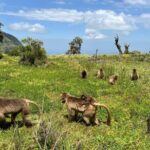
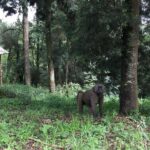
This is a wildlife-forward day, and the route gives you several named chances for animals: Mountain Nyala, Menelik Bush Buck, Warthog, and of course the Ethiopian Wolf. You also get a clear list of birds you might spot, including thick-billed raven, wattled ibis, blue-winged goose, and Rouget’s rail.
I like how specific the route is here. When a trek names likely wildlife and birds, it signals you’ll be moving with a guide who knows where to look and what you’re trying to see. And with Ethiopian Wolf sightings, “chance” really means you’re in the right place, at the right time, with time to watch—not just passing through.
You’ll have lunch midway on the trek, then dinner and overnight camping at Sodota. Camping day two is where you’ll feel the rhythm of the trip: walk, eat, settle in, repeat. If you’re the type who gets cold easily, take the cold seriously, because Bale nights can feel sharp once you’re up in the highlands.
Trek Day: Sodota to Wasama Valley and the Raptors Overhead
From Sodota, day two of trekking heads to Wasama Valley. The walk is shorter than the previous day at about 5 to 6 hours, but it’s still a real trek day, not a casual stroll.
Wildlife odds today include Lammergeyer (a big vulture-type raptor) and Verraux Eagles, plus continued chances for the Ethiopian Wolf. Bird sightings are often easiest when you’re not rushing—slow pace, frequent scanning, and time to stop matters.
Lunch is again at the midway point, which helps keep energy stable for the second half of the walk. When a schedule includes a built-in break like this, it reduces stress and helps you avoid the classic mistake of fading energy too early.
You’ll focus on the valley approach and the changes in vegetation as you move through higher country. It’s exactly the kind of day where your guide’s ability to read the terrain and watch animal movement makes a difference—so don’t be afraid to ask questions during stops.
Trek Day: Garba Guracha to Wasama and the 4,200-Meter Pull
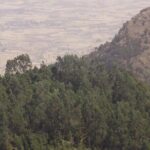
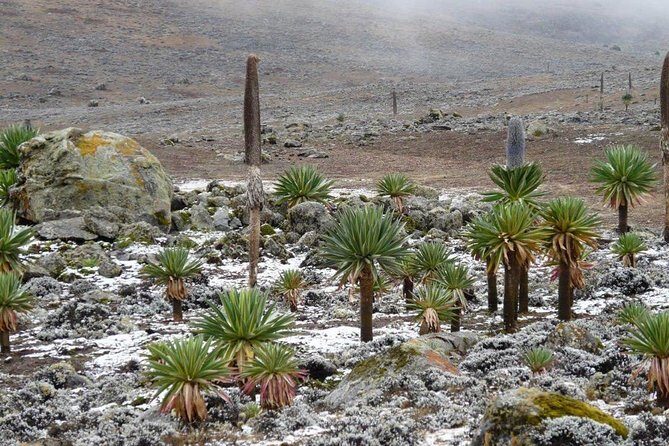
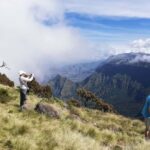
The most altitude-focused day is the one that includes the climb toward Mount Wasama, rising to about 4,200 meters. The trek from Garba Guracha to Wasama takes 6 to 7 hours, and the trail is described as dotted with giant lobelia and other Afro-alpine plants.
This is the day where you feel the Bale Mountains character most clearly. Giant lobelia gives the trail a distinctive look, and the high-altitude environment changes how the air feels and how your body works. Even if you’re fit, you’ll want to pace yourself and avoid the urge to “prove” you can go fast.
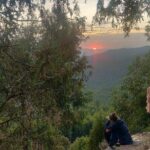
You’ll have dinner and overnight camping at Garba Guracha that evening. Camping here is part of what makes the trip special, because you’re not just driving through a photo location—you’re living in the ecosystem for a night.
If you tend to get headaches or feel winded at altitude, speak up early during the hike. A good guide will adjust your pace and keep you safe.
Finishing the Trek and Landing Back in Addis for Culture
After your final on-foot day, you’ll transition back to Addis Ababa and stay at your reserved hotel for the night. The schedule then includes an evening farewell dinner at Yod Abyssinia Cultural Restaurant, with a traditional Ethiopian buffet and live cultural music.
This ending matters. After several days of walking, you want a meal that feels like a celebration, not a logistical scramble. The cultural music show also gives you a change of pace from nature sounds and camp routine.
If you’re trying to keep things emotionally balanced, this is a good payoff: you close the trip with something social and lively, without losing the sense that the real highlight was the trek.
Price and Value: What $2,260.26 Actually Buys
At $2,260.26 per person, this isn’t a cheap trek—and that’s fair to say up front. The value comes from the package design:
- A latest-model Land Cruiser for the long approach and transfers
- A local, professional guide who handles navigation and wildlife focus
- Fees covered, including admission, fuel surcharge, gratuities, and parking
- Meals supported by breakfast (4) plus dinners during the trip (and the farewell buffet in Addis)
- A private format, so your group runs the schedule
Also, the tour info indicates admission is free on some days and included on others, which suggests you aren’t separately chasing park ticket costs while you’re in the middle of trekking. The price still includes a lot of overhead that you’d otherwise pay in pieces—transport, guide time, and support for multi-day hiking.
What’s not included is also clear: alcoholic drinks and any camera/photography fee. If you care about photography, plan that extra cost so it doesn’t show up late and annoy you.
Safety, Guides, and the Feel of a Well-Run Trek
One of the biggest strengths of this kind of Bale tour is how it’s run, not just where it goes. This experience is designed to be private, and it includes a local guide who knows the area and the species you’re hoping to find.
The trip also leans on practical comfort in the field. Camping is part of the adventure, but the setup is intended to be workable, with tents and food described as simple but satisfying. That matters because the best trekking gear won’t fix a bad routine.
I also like that the plan is straightforward: predictable start time, defined walking days, and an end point back in Addis. You’re not guessing where you’ll sleep each night. That reduces stress, and stress is the enemy at altitude.
And yes, safety matters most on the high ground. A professional guide and a capable vehicle make the whole thing feel more stable, especially when weather or animal movement changes how you move day to day.
Practical Packing Notes for Bale Mountains Weather
You’ll want to pack for altitude and temperature swings. The trip includes camping at Sodota and Garba Guracha, and you’ll be around high elevations on the day near Mount Wasama (about 4,200 meters).
Here’s the approach I’d take based on the trek profile:
- Layers you can add or remove fast for cold mornings and warmer afternoons
- Footwear you trust for multi-hour walking on rough ground
- A light day pack for your essentials during the trek
- A warm layer for evenings at camp
- Bring a camera if you want one, but remember camera/photography fees aren’t included
Also, the start is early and the drive is long, so don’t under-pack on basics like water handling and snacks. The schedule includes lunch midway on the trekking days, but it’s still smart to have your own comfort items.
Who Should Book This Bale Trek (and Who Might Reconsider)
This tour fits best if you:
- Want wildlife chances tied to a trekking route, not a quick drive-and-done experience
- Can handle moderate physical fitness and multi-hour hikes
- Like being outside for days, including camp nights
- Want the Ethiopian Highlands vibe, including giant lobelia country near Wasama
I’d be cautious if you’re expecting an easy walk with lots of downtime. The trek days are long enough to require real stamina, and the altitude day is a special challenge even for fit hikers.
Should You Book the Bale Mountains National Park 5-Day Tour?
Book it if you want your trip to feel earned: walking through Bale’s highland habitats for days, with a guided focus on Ethiopian Wolf possibilities and the animals and birds that share the ecosystem. The combination of Land Cruiser support, professional guiding, and camping plus a clean Addis cultural finish makes the whole trip feel coherent.
Don’t book it if you want comfort-only travel. This is nature time—cool air, sustained hikes, and a schedule that moves.
If you’re a confident hiker and you’re excited by the idea of seeing Ethiopian wildlife and high-altitude plants, this is a strong choice. If you’re on the fence about altitude and long days, consider shorter or lower-elevation options.
FAQ
What time does the tour start from Addis Ababa?
It starts at 6:00 am from Bole Airport in Addis Ababa.
Do they offer pickup?
Yes, pickup is offered, and the meeting point is Bole Airport.
How long is the tour?
The duration is 5 days (approx.).
Is this a trekking tour, or mostly driving?
It includes about three and a half days of trekking inside Bale Mountains National Park, starting from the Dinsho area and moving toward the Sanetti Plateau finish.
What physical condition do I need?
The tour is described as suitable for travelers with a moderate physical fitness level.
What wildlife can I expect to see?
The trip highlights chances to see Ethiopian Wolf plus animals like Mountain Nyala, Menelik Bush Buck, and Warthog, and birds such as thick-billed raven and Verraux Eagles (among others listed).
What is included in the price?
Included items are latest model Land Cruiser vehicle, local and professional guide, fees (admission, fuel surcharge, gratuities, parking), breakfast (4), and admission coverage as described for multiple days, plus accommodation details (guest house and camping) and included meals during the trek.
Are alcohol and camera fees included?
No. Alcoholic drinks are not included, and there may be a camera and photography fee that is also not included.