Five days, four ancient capitals. This Northern Ethiopia route is built around fast, sensible logistics, so you spend less time stuck in ticket lines and more time looking at real things. I like that the trip includes admission tickets for each main stop, and I love the Lake Tana boat cruise to island monasteries with names you’ll remember. One thing to consider: the pace is busy, and you’ll be moving city to city, so plan to travel light and accept a schedule that feels intentionally tight.
What really made the difference for me is the human side. With a guide like Sisay (and a driver like Hillo, in the same kind of group experience), the day-to-day details tend to get handled so you can focus on the sights and questions that come up as you go.
In This Review
- Key Things to Know Before You Go
- Why This Northern Ethiopia Historic Route Works in 5 Days
- Price and What You Actually Get for $1,830
- Bahir Dar: Lake Tana Monasteries by Boat and Blue Nile Falls
- Gondar’s Fasil Ghebbi Walls and Debre Berhan Selassie Murals
- Axum’s Ruins of Aksum, Obelisks, and St. Mary of Zion
- Lalibela’s Rock-Hewn Churches: North Cluster, South Cluster, Then Tej
- Back to Addis Ababa: Mercato Market and a Farewell Dinner
- Guide and Driver Matter: Sisay and Hillo’s Value on the Ground
- Practical Notes for a Smooth Trip (Pickup, Mobile Tickets, and Timing)
- Should You Book This Northern Ethiopia Historic Route?
- FAQ
- How long is the Northern Ethiopia (Historic route) experience?
- Where does the tour start and what is the start time?
- Is this a private tour or shared group?
- What admissions are included?
- Does the tour include a Lake Tana boat cruise?
- Is there a flight during the trip?
- What options do I have for refunds if my plans change?
Key Things to Know Before You Go
- Sisay’s hands-on guiding style keeps your days organized and your questions answered with a smile
- Admissions are included for the listed main attractions, so you’re not constantly negotiating tickets
- Lake Tana is a highlight, with a boat cruise to island monasteries like Ura Kidane Mihirte and Azewa Maryam
- Gondar mixes power and art, from Fasil Ghebbi to Debre Berhan Selassie’s painted interior
- Lalibela is church-heavy in the best way, covering both northwestern and southeastern clusters
- Your route ends in Addis with Mercato shopping time and a farewell dinner
Why This Northern Ethiopia Historic Route Works in 5 Days
Northern Ethiopia is where you see Ethiopia’s deep past doing its everyday work. Obelisks still stand, rock churches still draw pilgrims, and cities like Gondar feel like they grew up around the stories people told about them.
In a short window, the trick is not trying to see everything—it’s seeing the most iconic sites in a logical chain. This route links Bahir Dar, Gondar, Axum, and Lalibela in a way that makes geographic sense from Addis, rather than zig-zagging.
The biggest practical win is how the trip is organized around fewer “dead” moments. When someone else is handling routing and entry details, you can actually spend your energy on reading monuments, noticing church art, and taking in the landscape and local rhythm.
You can also read our reviews of more historical tours in Addis Ababa


Price and What You Actually Get for $1,830
$1,830 per person for about 5 days is not cheap, but this kind of historic route has real costs baked in: moving between far-flung regions, entry fees for multiple major sites, and at least one internal flight.
Here’s what you can point to as value:
- Admission tickets are included for the key stops on each day
- You get a structured visit pattern at major sites, rather than piecing things together day by day
- There’s a flight built into the schedule (Lalibela to Addis), which saves you effort and time
If you’re the kind of traveler who hates standing in lines, re-asking directions, or trying to coordinate multiple independent tickets, the price starts making sense. If you’re the type who prefers maximum freedom and minimal structure, you might feel the schedule is firm—so decide whether you want “guide-managed” time or “free-wander” time.
Bahir Dar: Lake Tana Monasteries by Boat and Blue Nile Falls
Bahir Dar is often the gateway to the north, and this day uses that position well. You start with market time in Bahir Dar, then shift into the calm, scenic work of the lake.
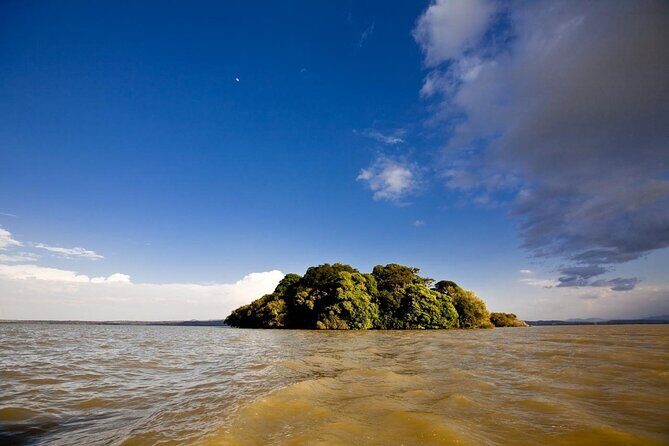
The main event is a boat cruise on Lake Tana to ancient island monasteries, including Ura Kidane Mihirte and Azewa Maryam, plus visits connected with the Zegi Peninsula. Even if you’re not a religious-history specialist, these places hit because of setting. You’re not just walking into a church—you’re arriving through water that feeds the region’s story.
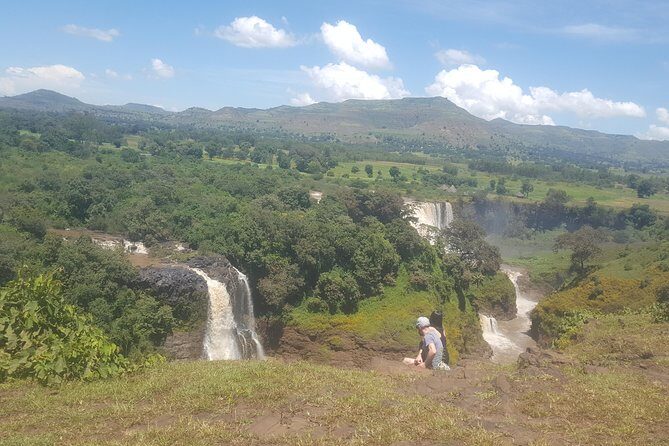
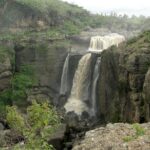
From there, you head to the Blue Nile Falls area. The Blue Nile is the lifeline of the wider system, and seeing its longest fall stretch gives you a different kind of context for why these northern regions mattered historically.
What to expect: a mix of water travel, sightseeing, and a full day that moves from market energy to lake serenity to the power of the falls. It’s the kind of day where good pacing matters more than fancy plans.
Watch-out: days like this can be tiring if you don’t pack for changes in weather and sun. Bring something for shade and layers for early/late hours, since lake and waterfall areas can feel cooler around water.
Gondar’s Fasil Ghebbi Walls and Debre Berhan Selassie Murals
Gondar is where Ethiopia’s imperial era becomes visible in stone and layout. Fasil Ghebbi is the heart of it—an enclosed walled compound and palace complex that once served as the seat of Ethiopian emperors.
What’s great here is the combination: you’re not only seeing ruins; you’re seeing a planned power center with boundaries and structures that make the city’s history feel tangible. Then you add Debre Berhan Selassie church, famous for its interior murals, including a ceiling known for the faces of angels.
This is the kind of stop where it helps to have someone explain what you’re looking at. You’ll still admire the visuals on your own, but a guide makes the symbols easier to interpret.
What to expect: a guided crawl through the major parts of the Fasil Ghebi complex, plus time in Debre Berhan Selassie’s painted interior. It’s a day that balances architecture with art.
One drawback to plan for: Gondar days can be long. The upside is you’re packing in major highlights; the downside is you may not have much time to linger on your own at every alley cafe or small side street. If slow wandering is your priority, keep that in mind.
Axum’s Ruins of Aksum, Obelisks, and St. Mary of Zion
Axum feels like stepping into the idea of a civilization built to last. The Ruins of Aksum are tied to what’s often described as the cradle of Ethiopian civilization, and the site is where you see how reverence, history, and archaeology overlap.
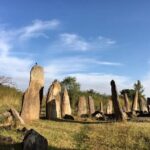
You’ll focus on standing monuments and the relics associated with the ancient Kingdom of Axum, including the famous obelisks. You’ll also spend time at Steael Park-like areas described in the plan, where there’s a “huge fallen pillage” (a broken, fallen element of what used to stand) now in pieces.
Then comes the spiritual anchor: St. Mary of Zion, a pilgrimage site believed to have housed the Ark of the Covenant. Even if you don’t treat the legend as literal fact, the place still matters because it’s part of how people understand identity and faith. That difference—between belief as lived experience and belief as argument—is something I always find fascinating in Axum.
What to expect: moving through a historic complex, seeing obelisks and ruins up close, and finishing with one of the key churches tied to long-running tradition.
Logistics note: the route mentions transportation through Axum’s maze of one-way streets. In practice, that kind of handling matters: you waste less time playing taxi-chess with unfamiliar roads.






Lalibela’s Rock-Hewn Churches: North Cluster, South Cluster, Then Tej
If Ethiopia has a “wow” destination for most first-timers, it’s Lalibela. These churches are carved out of solid volcanic rock, and the experience is both physical and visual—dark interiors, carved details, and a layout that makes you look twice.
This day is structured around visiting every one of the major churches listed in the two clusters:
- Northwestern cluster: Bet Medhane Alem, Bet Maryam, Bet Meskel, Bet Danaghel, Bet Mikael, and Bet Golgotha
- Southeastern cluster: Bete Gabriel & Rufael, Bete Merkorios, Bete Emanuel, Bete Libanos
- A final stop at Saint George, the cross-shaped church
What I like about this approach is that it prevents the classic “we missed half the churches” problem. You get the full picture of how Lalibela is organized, not just a highlight sampler.
Then you cap the day with something more human than stone: Tej, described as pure honey wine, plus cultural music and a traditional drink experience. That’s not a random add-on—it’s a good way to transition from hours of architecture to local social life.
What to expect: long walking, steady church-to-church transitions, and a finale that feels like you’re exhaling after a day of intense visuals.
Possible drawback: stone-carved churches can make the day feel same-y if you don’t slow down. The best fix is to take breaks when you can and pay attention to differences in shapes and carved details from one church to the next.
Back to Addis Ababa: Mercato Market and a Farewell Dinner
On day five, the route shifts gears. You take a morning flight from Lalibela to Addis Ababa, arriving around midday, which gives you a practical window for shopping and a bit of sightseeing.
The highlight here is time at Mercato Market, described as Africa’s largest market of its kind. Even if you only have a couple of hours, Mercato is the kind of place where your senses overload in a way that feels real, not staged. It’s a good moment to pick up souvenirs and simple essentials without turning it into a huge mission.
In the evening, you have a farewell dinner at a famous cultural restaurant. That ending matters. After stone churches, ruins, and lake monasteries, a shared meal is how the trip turns from “sightseeing” into a memory.
One practical consideration: free time in a big market can be chaotic. Set a simple goal for yourself (one or two items, or a browse route) so you don’t end up lost with sore feet and no clear plan.
Guide and Driver Matter: Sisay and Hillo’s Value on the Ground
The reviews you shared put a clear spotlight on the people behind the scenes. You’ll hear the name Sisay repeatedly, with the theme that he stays available, organized, and friendly throughout long stretches of travel. One review specifically notes meeting Sisay in Addis and traveling around Ethiopia for almost a month, with Sisay always present and doing it with a smile.
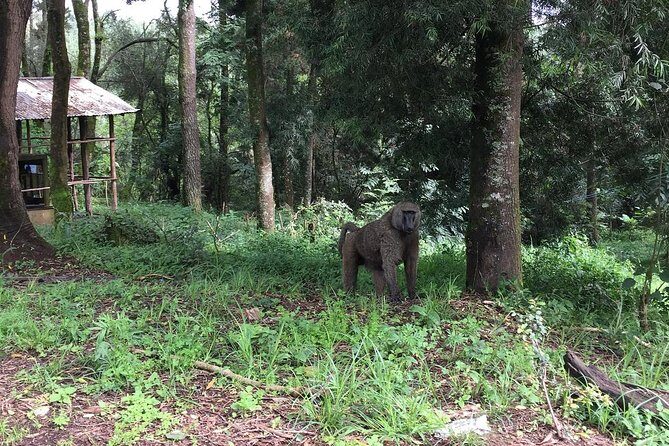
Another review mentions Sisay as the guide and Hillo as the driver and calls the trip well organized, with a chance to experience the festival in Gondar and authentic village life, plus wildlife like wild baboons and hippo. Even though the focus here is the historic route, the pattern is the same: a good guide helps you turn “a schedule” into “a story.”
Why this matters for you: in Northern Ethiopia, details add up fast—small timing shifts, ticket checks, route navigation, and the difference between seeing something and understanding why it’s important. A guide who can manage those details without making you feel rushed is worth more than saving a few dollars.
Practical Notes for a Smooth Trip (Pickup, Mobile Tickets, and Timing)
A few practical bits you should plan around before you go:
- Pickup is offered, and the meeting point is near public transportation, with a stated start time of 7:30 pm
- The tour is a private experience: only your group participates
- A mobile ticket is used, and confirmation happens at booking time
That last part matters more than it sounds. When you have a mobile ticket, you’re usually dealing with less paperwork and fewer last-minute misunderstandings.
Also, the tour notes that most travelers can participate. That’s helpful, but you should still think about your comfort level with a busy schedule. This is a “see the big hitters” trip, not a slow lounge vacation.
If you’re sensitive to long days or you dislike internal flights, you might find the pace demanding. If you like structure and want maximum value from limited time, it’s a strong match.
Should You Book This Northern Ethiopia Historic Route?
Book it if:
- You want a guided Northern Ethiopia circuit that hits the major historical stops without you coordinating everything yourself
- You care about having admissions handled and a plan that reduces time wasted on logistics
- You value a guide’s ability to keep things friendly and smooth, especially with names like Sisay showing up in past experiences
Consider skipping (or switching to a slower style) if:
- You prefer lots of free time in each city rather than moving daily
- You want a trip that’s flexible day to day, since this kind of route is built around a set sequence
- You’re uncomfortable with a morning flight day and long sightseeing transitions
My take: this is a solid choice for first-timers who want the north’s “big monuments” in one connected run. With the right expectations—good shoes, a light schedule mindset, and openness to moving fast—you’ll come away with more than photos. You’ll come away with a sense of how Ethiopia’s historic layers connect, from Lake Tana’s monasteries to Lalibela’s carved churches.
FAQ
How long is the Northern Ethiopia (Historic route) experience?
It runs for about 5 days.
Where does the tour start and what is the start time?
The tour is based in Addis Ababa, and the start time is listed as 7:30 pm. Pickup is offered, and the meeting point is near public transportation.
Is this a private tour or shared group?
It’s a private tour/activity, meaning only your group will participate.
What admissions are included?
Admission tickets are included for the listed main attractions each day.
Does the tour include a Lake Tana boat cruise?
Yes. You’ll take a boat cruise on Lake Tana and visit island monasteries, including Ura Kidane Mihirte and Azewa Maryam, plus the Zegi Peninsula area.
Is there a flight during the trip?
Yes. You fly from Lalibela to Addis Ababa, arriving around midday on the final day.
What options do I have for refunds if my plans change?
You can cancel up to 24 hours in advance for a full refund. If you cancel less than 24 hours before the start time, the amount paid is not refunded.