REVIEW · ADDIS ABABA
DAY TRIP TO THE UNESCO HERITAGE SITE TIYA & Melka Kunture
Book on Viator →Operated by WALK IN ETHIOPIA TOUR AND TRAVEL · Bookable on Viator
You can cover a lot of Ethiopian time in one day. This private tour strings together UNESCO-listed Tiya, prehistoric Melka Kunture, and the rock-hewn church of Adadi Maryam in about 10 hours. I like that it’s built for comfort and control: you get an air-conditioned vehicle with pickup, and the day runs like a real plan instead of a scramble. One drawback to consider: the schedule is tight, and in rare cases security changes can disrupt outings, so you’ll want clear contact info and a calm plan B.
My other favorite part is how different each stop feels, even though they’re close. You start with decorated megaliths from Ethiopia’s ancient stone tradition, then switch gears to tool-making history, and end with a church carved into stone in the Lalibela style. The only real heads-up: you’re on the go for a full morning into the afternoon, so pack for long sitting, sun, and walking around archaeological areas.
In This Review
- Key highlights to know before you go
- A one-day route that really works from Addis Ababa
- Tiya Stones (UNESCO): Ethiopia’s Stonehenge moment
- Melka Kunture: prehistoric tool-making in a short stop
- Adadi Maryam: a Lalibela-style rock-hewn church
- Transfers, comfort, and the pacing that keeps this day from dragging
- Price and value: what $265 gets you (and what it doesn’t)
- Who this trip suits best (and who should think twice)
- Should you book this day trip to Tiya and Melka Kunture?
- FAQ
- What’s the meeting time for the tour?
- How long is the day trip?
- Does the tour include entrance/admission tickets?
- Is lunch included?
- Is photography included in the price?
- What’s the cancellation window for a refund?
Key highlights to know before you go

- UNESCO at Tiya: See the decorated megaliths and learn why they’re called the Stonehenge of Ethiopia.
- Three eras, one route: Megaliths (Tiya) → prehistoric tools (Melka Kunture) → rock-hewn Christianity (Adadi Maryam).
- Comfort included: Air-conditioned vehicle, pickup option, and bottled water.
- Lunch is part of the deal: No extra cost, which matters on a day trip this long.
- Private and flexible: It’s your group only, so you can move at a sensible pace.
A one-day route that really works from Addis Ababa
This is one of those trips that makes sense if you’re short on time but still want depth. Addis Ababa is your base, and the tour uses an air-conditioned vehicle to keep the day comfortable while you hop between sites in the wider Tiya area. You start at 9:00 am, which helps you beat the day’s heat and gives you enough daylight for all three stops.
The structure is simple: a few hours at Tiya, a shorter stop at Melka Kunture, and then an hour at Adadi Maryam. That pacing is important. Archaeological sites reward patience, but you also don’t want to spend the whole day traveling or waiting around. Here, the time is distributed so you can actually look closely.
Because it’s a private tour, you’ll also get the advantage of flexibility. If you want a slower look at the megalith field, or you’d like more time near the church entrance, you can usually adjust within the day’s overall flow.
You can also read our reviews of more historical tours in Addis Ababa
Tiya Stones (UNESCO): Ethiopia’s Stonehenge moment
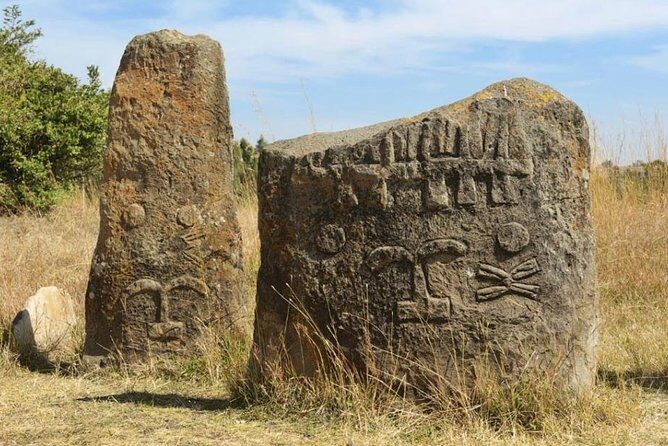
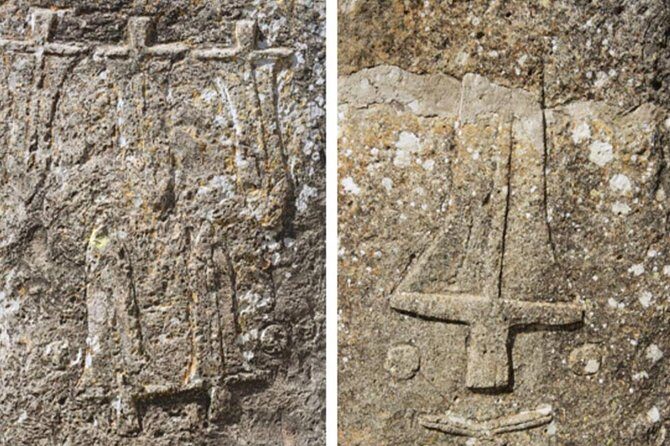
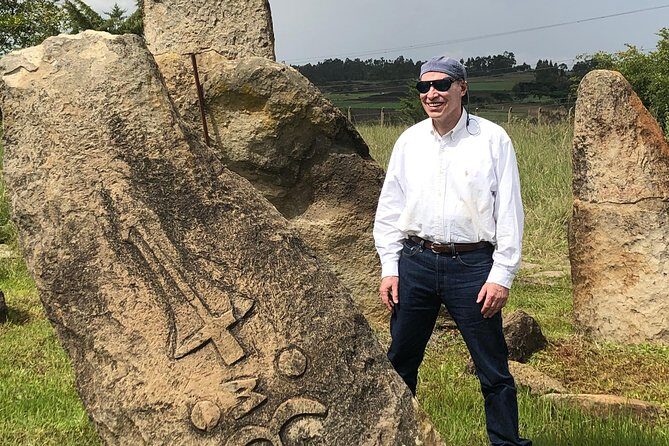
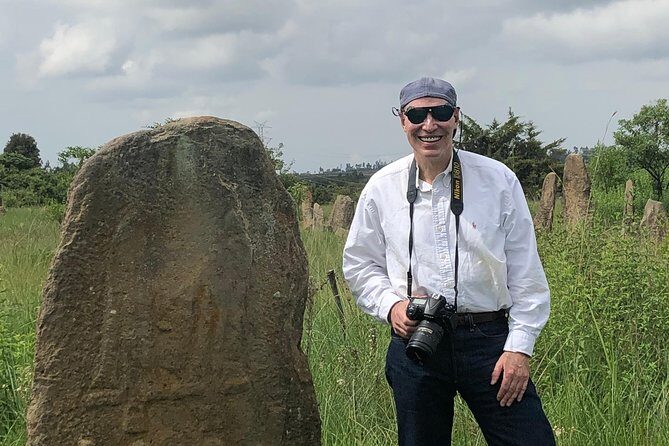
Stop 1 is Tiya World Heritage Site, part of an archaeological landscape in central Ethiopia in the Gurage zone. The headline here is the group of 46 large decorated tiya megaliths, recognized as a UNESCO World Heritage Site. If you’ve heard Tiya compared to Stonehenge, that’s where the nickname comes from: it’s a visible, deliberate arrangement of carved stone markers that feels both ancient and intentional.
What I like about Tiya is that you’re not just looking at rocks. These are decorated megaliths from a tradition that’s very old in Ethiopia, but the specific stone set at Tiya is described as being from roughly the 10th to the 15th centuries. That timing matters. It means you’re seeing a later flowering of a much older cultural practice, rather than an isolated “mystery monument” with no context.
You’ll get about 3 hours at Tiya with admission included. In that time, you can do two useful things:
- Get your bearings and understand the layout before you start trying to read details.
- Go back for a second look at the decoration once you’re oriented.
Practical tips for Tiya: wear shoes you trust. Even when the surfaces are firm, you’ll likely be stepping around uneven ground. Also, bring sun protection. This is an outdoor site and the day runs long.
Potential drawback: since the stop is a highlight, it’s tempting to rush. Don’t. The value of Tiya is in the slow look—close enough to appreciate the decorations, but not so close you’re constantly bumping into other people’s space.
Melka Kunture: prehistoric tool-making in a short stop
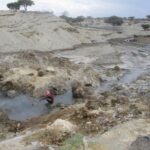
Right near the Tiya area, you’ll head to Melka Kunture, a prehistoric tool-making site. This is a fast switch from decorated megaliths to deep-time human activity. The site is described as a place where ancestors used tools millions of years ago, and your visit includes the admission ticket.
You’ll have about 1 hour here, which is both the charm and the limitation. It’s a good add-on if you want variety and you don’t want the entire day to turn into a single long archaeology session. But it also means you won’t get to soak up every detail the way you could if Melka Kunture were a full half-day.
Still, that short timing can work in your favor. One hour is enough to:
- see how the site is presented,
- connect what you’re looking at to the idea of tool-making, and
- move on without exhausting yourself before Adadi Maryam.
If you’re the type who loves prehistoric contexts, you might wish for more time here. If you’re more about balancing multiple eras, Melka Kunture hits a sweet spot.
Adadi Maryam: a Lalibela-style rock-hewn church
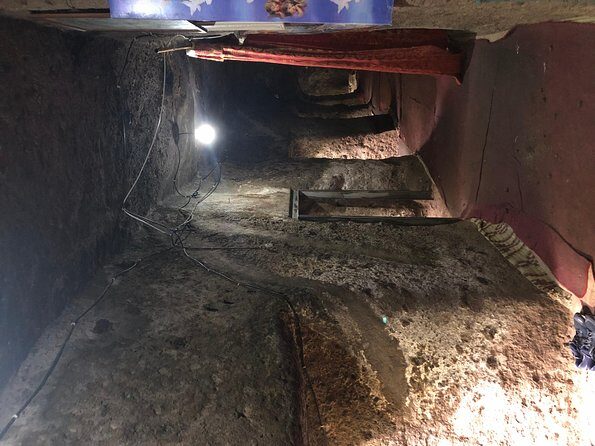
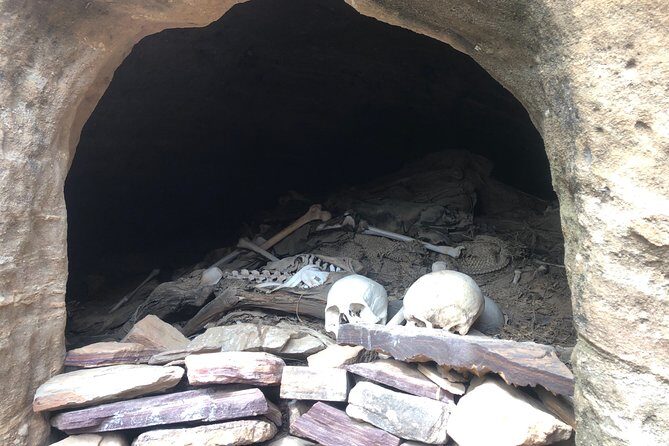
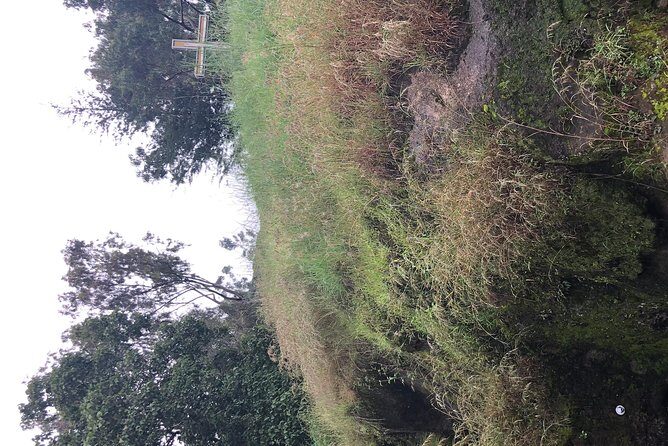
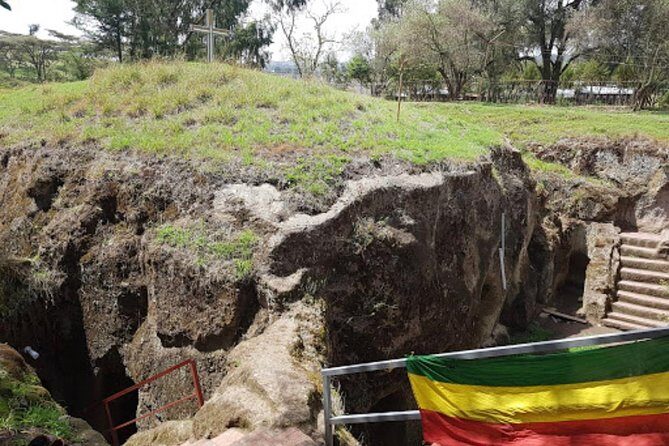
Stop 3 is Adadi Maryam, an underground rock-hewn church dating to the 9th century, visited with admission included. It’s described as similar in style to the rock-hewn churches you’ll hear about in Lalibela—so if you’re building a Lalibela comparison in your mind, this is the place to start.
The monastery is said to have been built by King Lalibela before he built the eleven rock-hewn churches of Lalibela. That’s a fascinating detail because it frames Adadi Maryam as part of the lead-up story, not just a standalone church.
You’ll get about 1 hour at Adadi Maryam. In that hour, focus on the space itself: how stone has been shaped to create worship space below ground. Even without turning it into a checklist, you’ll feel the shift from the outdoor megalith atmosphere to something more enclosed and stone-quiet.
A practical consideration: underground and rock-hewn sites can feel cooler and may have different lighting than the bright outdoors. Bring a phone or camera with a plan, but note that the tour listing says photograph/camera fees are not included, so you may need to pay separately depending on the rules on-site.
Transfers, comfort, and the pacing that keeps this day from dragging
This tour is around 10 hours total, with all three admissions included and lunch provided at no extra cost. That “included lunch” piece is more valuable than it sounds. On long day trips, buying food adds time, adds hassle, and sometimes turns the last part of the day into an energy dip. Here, you can keep moving without losing momentum.
The vehicle matters too. You get an air-conditioned vehicle and pickup is offered. In Addis and the surrounding region, the difference between a cold car ride and a hot one is the difference between arriving fresh enough to actually enjoy the sites. You’ll also get bottled water included.
As for group size, it’s private—your group only. That usually means you can keep conversations going, ask questions, and avoid the constant “wait for everyone” tempo that can happen on larger tours.
One more pacing note: start time is 9:00 am. If you’re staying in central Addis, plan to be ready early. Even if the day is well organized, you don’t want to be rushing at pickup time.
A few more Addis Ababa tours and experiences worth a look


Price and value: what $265 gets you (and what it doesn’t)
The price is $265.00 per person, and it’s often booked about 17 days in advance on average. That timing matters because you’re trying to line up a private day trip with a specific route and limited daylight.
So what makes this price feel worth it?
- Admissions are included for Tiya, Melka Kunture, and Adadi Maryam.
- Lunch is included, plus bottled water.
- You get air-conditioned transfers plus pickup.
- It’s a private tour, meaning you’re not paying for a seat in someone else’s schedule.
What’s not included is also clearly stated: alcoholic drinks, photograph/camera fees, tips, and other personal interest fees. That’s normal, but it affects your budget. If you care about photography, it’s smart to carry a little extra money in case camera-related fees apply at one of the sites.
My practical take: at this price level, you’re paying for reduced stress—fewer decisions, fewer logistics, and a day plan designed to hit multiple high-impact sites. If you’d rather spend time arranging transport and tickets yourself, you might find cheaper options. But if your goal is a smooth, guided day with admissions handled, this is set up for that.
Who this trip suits best (and who should think twice)
This tour is a strong fit if you want a compact “greatest hits” day without sacrificing variety. I’d especially recommend it if:
- you want to see UNESCO history at Tiya and a Lalibela-style church in the same outing,
- you like mixing eras (megaliths, prehistoric tools, then Christian rock-hewn architecture),
- you prefer a private setup with personal attention and a manageable schedule.
It might be less ideal if:
- you get worn out by long drives and an all-day plan,
- you’re highly dependent on keeping the trip perfectly synchronized with plans that could change fast,
- you dislike paying site-specific extra fees like photography charges.
And one gentle caution: one review points to a situation where sudden security concerns made the trip impossible, and communication wasn’t as quick as expected. That doesn’t mean it will happen to you. It does mean you should keep good communication habits—know who to contact, confirm pickup details, and don’t treat the day as untouchable.
Should you book this day trip to Tiya and Melka Kunture?
If your priority is maximizing one day in the Tiya area—UNESCO megaliths, prehistoric tool history, and an underground rock-hewn church—this is a sensible choice. The value comes from what’s bundled: admissions, lunch, water, and air-conditioned transfers, all wrapped in a private schedule.
I’d say book it if you:
- want a guided flow with less logistical stress,
- appreciate multiple time periods in one route,
- prefer not to spend your limited time coordinating transport and tickets.
I’d hold off or ask extra questions if you:
- have strict timing constraints beyond the tour’s control,
- care about photography and want clarity on camera fees ahead of time,
- want a slower, more detailed exploration of only one site.
If you do book, do it smart: plan to be ready for pickup at 9:00 am, wear comfortable shoes for archaeological ground, and budget a little extra for potential camera/photography fees at the churches and sites.
FAQ
What’s the meeting time for the tour?
The tour starts at 9:00 am.
How long is the day trip?
It runs for about 10 hours (approx.).
Does the tour include entrance/admission tickets?
Yes. Admission tickets are included for Tiya, Melka Kunture, and Adadi Maryam.
Is lunch included?
Yes. Lunch is provided at no extra cost, along with bottled water.
Is photography included in the price?
No. Photograph and camera fees are not included.
What’s the cancellation window for a refund?
You can cancel up to 24 hours in advance for a full refund. If you cancel less than 24 hours before the start time, the amount paid is not refunded.