REVIEW · ADDIS ABABA
Day Trip From Addis Ababa See Historical Monastery,Stunning Nature,Animals,Birds
Book on Viator →Operated by Aman Ethiopia Tours And Travel Agent · Bookable on Viator
Debre Libanos and the gorge views are a real punch of wonder. I love the way this trip blends ancient Ethiopian faith with wildlife watching (yes, geladas), all in one efficient day. The main thing to plan for is that the terrain can be rocky near the bridge, and animal sightings can be seasonal.
The day is built for people who want more than Addis street life: pickup from Bole Airport, a small group (up to 15), and entrance fees handled for you. You also get a traditional coffee ceremony and time outdoors that feels like a true countryside day, not a rushed checklist.
In This Review
- Key Points I’d Use to Plan Your Day
- A Day Trip That Runs on Pickup, Not Stress (8–9 Hours From Bole)
- Debre Libanos: Saint Tekle Haymanot, Tombs, and Church Buildings You Can Feel
- Portuguese Bridge: Why This Narrow Span Is Worth the Rocky Footing
- Blue Nile Gorge: Gelada Monkeys, Vultures, and Birding Targets
- Gelada monkeys
- Birds (and why Jemma Valley draws bird watchers)
- Vultures in the gorge
- Coffee Ceremony and Folk Dancing: The Human Side of the Countryside Day
- Price and Value: What You’re Really Paying for at $90
- Who This Tour Fits Best (And Who Should Be Careful)
- Should You Book This Day Trip From Addis Ababa?
- FAQ
- Where does the tour start?
- How long is the day trip?
- What does the tour cost?
- Is pickup included?
- How big are the groups?
- What meals and drinks are included?
- Are entrance fees included?
- What should I wear?
- Is there any minimum age?
- What if I cancel?
Key Points I’d Use to Plan Your Day

- Debre Libanos Monastery: Church over Saint Tekle Haymanot’s tomb, plus the Church of the Cross with a fragment of the True Cross
- Portuguese Bridge Hike: A narrow historic span with big scenery, but wear shoes for hilly, rocky ground
- Blue Nile Gorge Wildlife: Look for gelada monkeys and a mix of vultures in the gorge
- Bird Watcher Bonus: The area is known for spotting Harwood’s Francolin and other endemic or range-restricted species
- Good, Simple Inclusions: Pickup, transport, attraction fees, bottled water, plus coffee and lunch (vegan options)
A Day Trip That Runs on Pickup, Not Stress (8–9 Hours From Bole)
This is one of those practical Addis tours that starts where most people are stuck: Bole Airport. Pickup is offered, and the itinerary is designed as an “out-and-back” loop, so you’re not trying to piece together taxis, tickets, and timing on your own.
The day clock is about 8–9 hours, and the group stays small, with a maximum of 15 travelers. That matters because you’re going from sacred spaces to viewpoints to river gorge scenery, and you want fewer delays. I also like that entrance fees and transport are included, so you’re not doing money math in the middle of a schedule.
One thing to keep in mind: the drive can take time. In at least one case, guests noted rough road conditions and traffic that can add stress. Pack patience. If you’re arriving on a short layover, this is still workable, but plan to keep the rest of your day flexible.
Finally, you’ll deal with a formal dress code for the monastery/church parts. Bring something respectful and easy to manage, and wear shoes that won’t slip on uneven paths.
You can also read our reviews of more historical tours in Addis Ababa
Debre Libanos: Saint Tekle Haymanot, Tombs, and Church Buildings You Can Feel
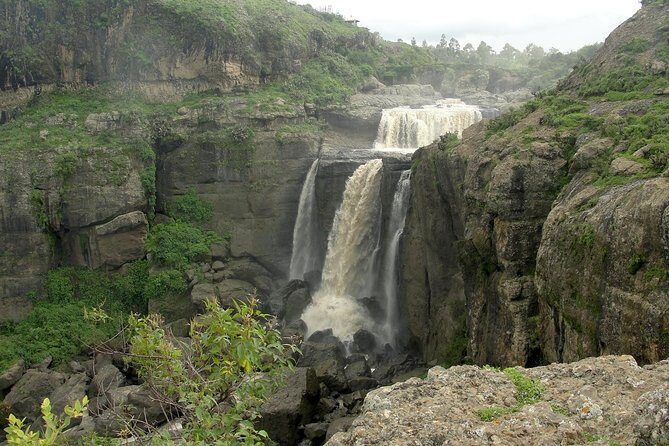
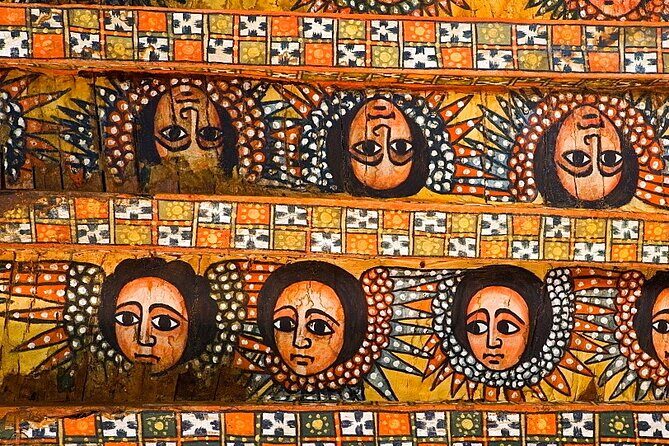
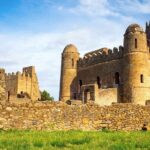
The star stop is Debre Libanos Orthodox Church, about northwest of Addis Ababa. This monastery is tied to one of Ethiopia’s most famous saints, Saint Tekle Haymanot. Tradition says he founded the monastery in the 13th century, and that he meditated in a cave for 29 years—a detail that helps explain why the site feels both historical and spiritual.
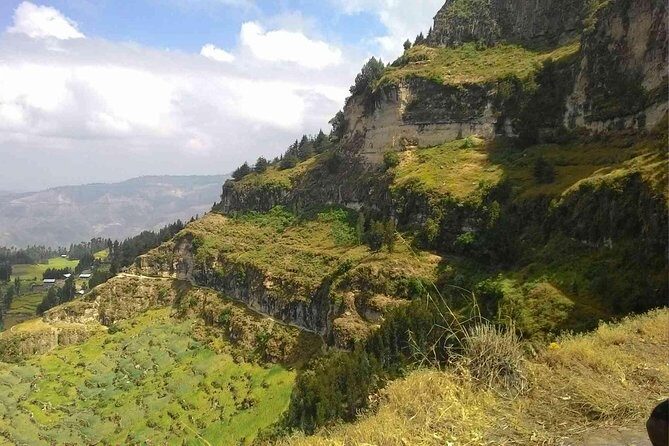
What you’ll see isn’t just one church. The monastery complex sits on a terrace between a cliff and the gorge area of one of the tributaries of the Abbay River (Blue Nile). It’s a dramatic setting, and it makes sense that the buildings feel anchored to the landscape.
Here’s what’s worth your attention on site:
- You’ll visit the church over Tekle Haymanot’s tomb, which Emperor Haile Selassie ordered constructed in 1961
- You’ll also see the Church of the Cross, described as slightly older, where visitors are told a fragment of the True Cross is preserved
- There are five religious schools connected to the complex, so the monastery isn’t just a museum piece
- The tour includes a museum and a look at the nearby cave tied to the saint’s long prayer
One honest reality: none of the original buildings survive today. Still, there’s enough here—tomb church, cross church, schools, and the cliff-and-gorge setting—that you’ll understand why this place matters.
Also, if you’re sensitive to slow moments (standing around, waiting for access in worship spaces), just know the church portion takes time. It’s not a “peek and go.” Plan to be present.
Portuguese Bridge: Why This Narrow Span Is Worth the Rocky Footing
After the monastery, the tour heads to the Portuguese Bridge area near Debre Libanos. The history is a little complicated in a way that’s actually interesting: Portuguese influence is linked to the 16th century, but the bridge you’re seeing is said to have been built at the turn of the 19th century by Ethiopians in an old Portuguese style.
This detail matters because it explains the vibe: it’s not Portuguese in language or architecture exactly, but it’s Portuguese in a “local builders adapted the idea” way. That’s the kind of cultural layering that makes Ethiopia feel very specific.
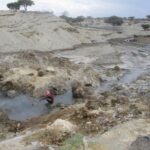
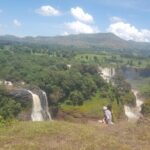
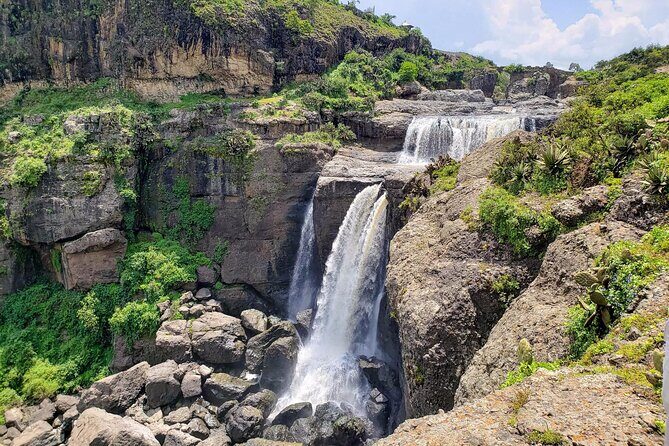
You’ll get a good look at the bridge’s narrow span, and scenery below can be impressive—especially in wetter periods when you get more water spilling through the cascade near the bridge.
Now, the practical part: there’s a hike element here. One guest specifically warned that the hike is over hilly, rocky terrain, and you should wear appropriate shoes. I agree with that advice. Even if you’re fit, the path can be uneven, and you’ll want grip.
One more consideration from real-world experience: in at least one case, the Portuguese Bridge area was described as under reconstruction, which can affect how close you can get. If this is one of your top reasons for booking, it’s smart to ask your operator on the day (or confirm before you go) about any access limits.
Blue Nile Gorge: Gelada Monkeys, Vultures, and Birding Targets
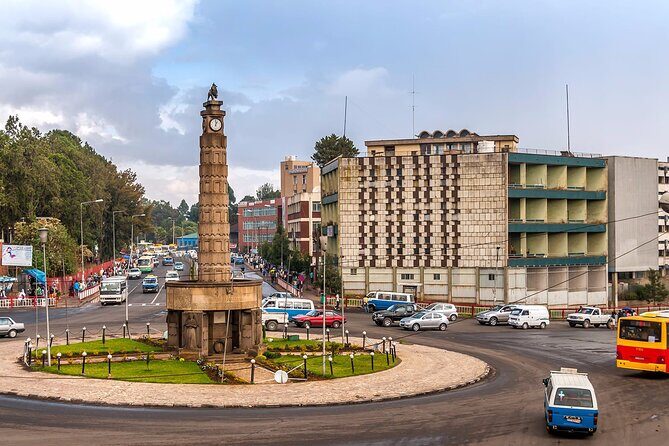
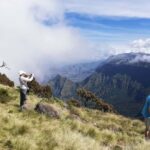
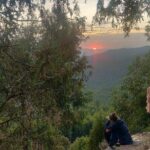
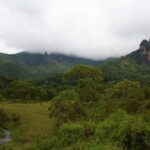
This is the wildlife-and-views chunk of the day, centered on the Blue Nile Gorge area and the river/gorge system near Jemma. The tour is built around the kind of wildlife viewing Ethiopia does well: you’re not in a fenced zoo, and sightings are never guaranteed—but the odds are better because the habitat is right.
Gelada monkeys
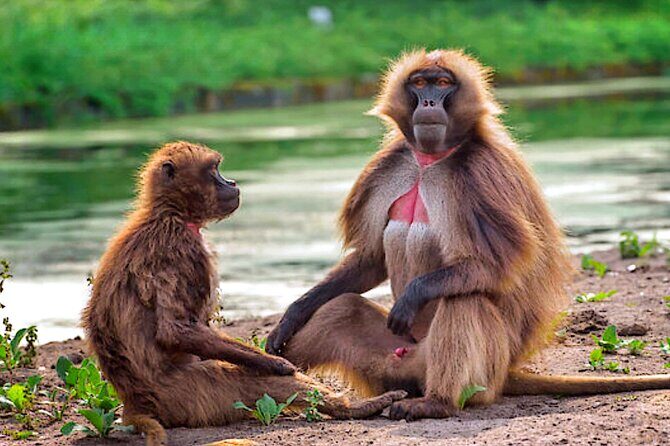
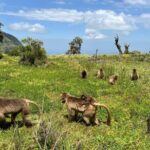
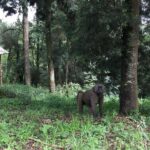
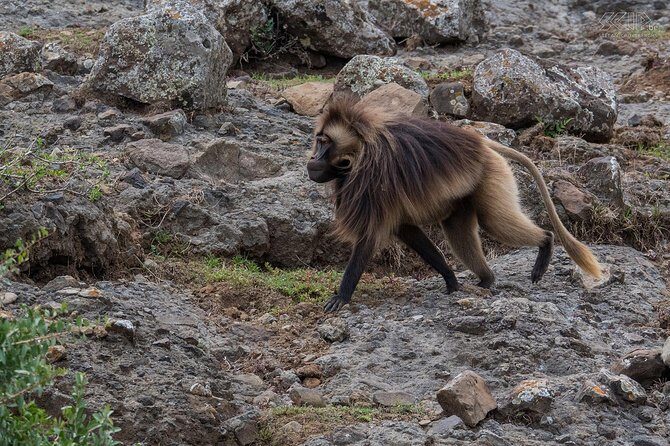
The headline mammal is the gelada, often called the bleeding heart baboon. You’ll look for them in the gorge area. This is where you should keep expectations realistic. One guest reported not seeing geladas in a season when conditions weren’t ideal. The takeaway: if geladas are your number-one goal, ask about season timing and have a backup mindset. Even when you miss them, the gorge views and other animals can still make the day worth it.
A few more Addis Ababa tours and experiences worth a look

Birds (and why Jemma Valley draws bird watchers)
The area is known for bird watching, and the tour is explicit about a key target: Harwood’s Francolin, an endemic and range-restricted bird. On a good day, you might also see species like:
- Banded Barbet
- Black-headed Forest Oriole
- White-billed Starling
- Red-billed Starling
- White-winged Cliff Chat
- White-backed Black Tit
- White-cheeked Turaco
- Hemprich’s Hornbill
You don’t need to be a serious birder to enjoy this section. What you’ll get is a guided way to scan, notice calls and movement, and connect what you see to Ethiopia’s endemism. It turns a view stop into something you can actually participate in.
Vultures in the gorge
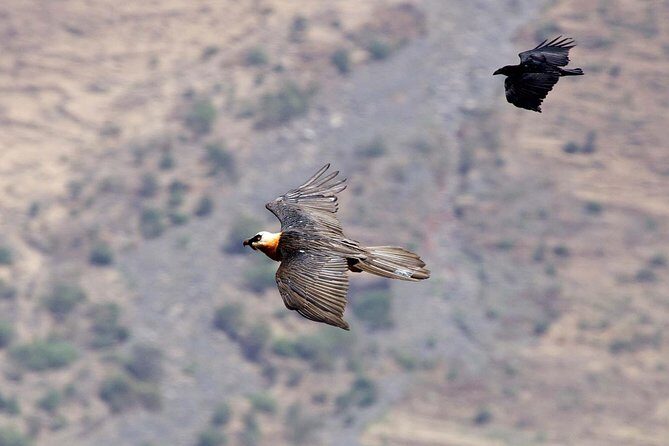
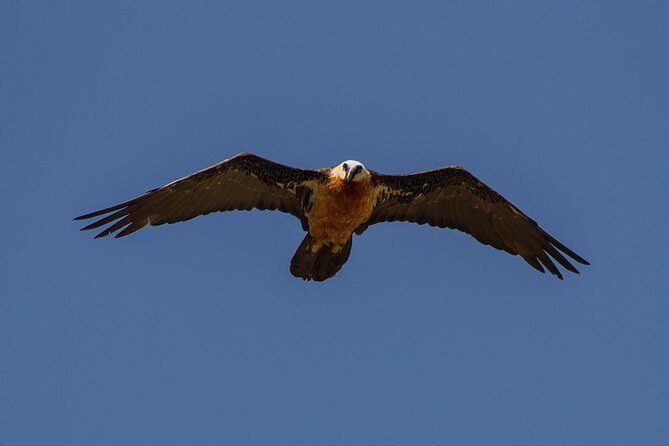
In the gorge, the tour mentions a chance to see vultures, including Lamergeyer’s, Ruppell’s, and Lappet-faced vultures. Even if you’re not a bird person, watching large raptors ride the air can be one of the most memorable moments of the day.
Coffee Ceremony and Folk Dancing: The Human Side of the Countryside Day
After the monastery and the gorge, the day ends with the cultural “glue” that keeps this from becoming only a sightseeing drive.
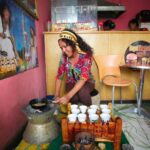
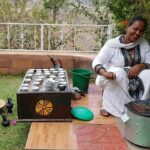
You’ll get an Ethiopian coffee ceremony, with a chance to experience coffee as part of local ritual, not just a caffeine stop. Coffee in Ethiopia is a whole topic by itself, and this is one of the easiest ways to feel that without needing a separate food tour.
Lunch is also part of the plan, with Ethiopian lunch for vegan & vegetarian options listed. Bottled water is included too, which is one of those unglamorous details that makes the day go smoother.
Now, about dinner: the highlights describe a traditional dinner to finish the day, but the listed exclusions say dinner is not included. That inconsistency is worth checking at booking so you’re not surprised if your day ends without an evening meal provided. If you’re sensitive to hunger timing, ask your guide when dinner will be served—or confirm whether you’ll eat before heading back.
There’s also mention of a folk dancing event. That fits the “not only churches and cliffs” goal of the day. Even if dance isn’t your main interest, it’s usually a good way to see how daily life and celebration overlap in rural settings.
Price and Value: What You’re Really Paying for at $90
At $90 per person, this isn’t a cheap impulse trip, but it also doesn’t feel inflated for what’s included. The value comes from bundling a bunch of costs that add up fast if you do them separately:
- Pickup from Bole Airport
- Transport for a day outside Addis
- Entrance fees for the key stops
- Lunch (including vegan options)
- Coffee and/or tea and bottled water
When entrance fees and guided logistics are included, you pay less for the “in-between” headaches: finding tickets, timing your rides, and trying to coordinate multiple sites at once. For a layover or a short stay, that’s usually where tours earn their money.
What’s not included is hotel and dinner, plus any alcoholic drinks. So budget for that on your own, or confirm whether dinner is actually part of your specific departure.
One more value note: this tour is typically booked about 20 days in advance on average. That’s a hint that popular dates can fill, especially for small groups. If your schedule is tight, don’t wait for the last week.
Who This Tour Fits Best (And Who Should Be Careful)
This is a great match if you want history plus nature in one day. The monastery visit gives you something real to look at—Tekle Haymanot’s tomb, the Church of the Cross, and the museum and cave story tied to his long meditation. Then the gorge gives you what Ethiopia often does best: animals and bird life in dramatic terrain.
It also suits solo travelers. One guest even called out it being a strong choice for a solo female traveler, with prompt pickup and friendly help.
You should be a bit more cautious if:
- You care most about geladas and want near-guaranteed sightings (sightings can depend on conditions)
- You dislike hikes or uneven ground (the route near the bridge involves hilly, rocky terrain)
- You’re not comfortable with formal dress code inside churches
Guide quality can also change the feel of a day. Multiple guests praised guides such as Sis/Sissay, Jose, Freaw, Yihun, Niko, and drivers like George. If you have a choice or can request, it’s worth doing. But even without names, the reviews make it clear that attention and care are part of the experience.
Should You Book This Day Trip From Addis Ababa?
If you want a day that mixes Debre Libanos, Portuguese Bridge, and gorge wildlife without the hassle of piecing everything together, I’d book it. This is one of the better “value-per-hour” options because you get entrance fees, meals, and real countryside scenery in a tight schedule.
Just go in smart. Wear shoes for rocky paths, bring respect for church rules, and treat geladas as a hopeful highlight, not a guaranteed contract. If you plan like that, you’ll come away with a memorable blend of culture, birds, and wildlife that feels far from the usual Addis routine.
FAQ
Where does the tour start?
The tour starts at Bole Airport, Addis Ababa, Ethiopia.
How long is the day trip?
It runs about 8 to 9 hours.
What does the tour cost?
The price is $90.00 per person.
Is pickup included?
Yes. Pickup offered is included, and the start point is Bole Airport.
How big are the groups?
The group size has a maximum of 15 travelers.
What meals and drinks are included?
The tour includes lunch (Ethiopian lunch for vegan and vegetarian) and coffee and/or tea, plus bottled water. Dinner is not included.
Are entrance fees included?
Yes. All attraction fee is included.
What should I wear?
The dress code is formal.
Is there any minimum age?
Yes. The minimum age is 6.
What if I cancel?
Cancellation is free if you cancel up to 24 hours in advance for a full refund.