REVIEW · ADDIS ABABA
Addis Ababa Monasteries, Wildlife, & Hike Day Trip
Book on GetYourGuide →Operated by Aman Ethiopia Tour & Travel · Bookable on GetYourGuide
One drive north-west of Addis Ababa can feel like a whole different country. This day trip mixes Debre Libanos, a respected monastery founded by Saint Tekle Haymanot, with the 16th-century Portuguese Bridge and a real shot at seeing Gelada monkeys (spelled Chelada on the tour info). I like how the itinerary is paced so you get both spiritual sights and big, open countryside time. The best part for me is the guide-led museum and church visit, followed by coffee and lunch with serious scenery. One thing to consider: the day involves walking, and it is not suitable for people with back problems or mobility impairments.
What makes it work is the blend of details and stopping points. You start with a museum full of ancient Bible books, crosses, and church-related clothing/materials tied to monastic life, then you move inside the church to see the founder’s tomb and stained glass windows. Later, you hit the bridge area and then the Jemma river gorge for lunch, which turns the trip from sightseeing into a proper day out. The drawback is that wildlife sightings are never guaranteed, so plan to go for the monastery and views first, and treat monkeys as a bonus.
In This Review
- Key highlights you can actually plan around
- Debre Libanos: more than a quick church stop
- Museum first: ancient books, crosses, and everyday monastic artifacts
- Inside the church: stained glass and the founder’s tomb
- The Portuguese Bridge: a 16th-century detour with epic canyon views
- Gelada monkeys: your best wildlife shot, with realistic expectations
- Jemma river gorge lunch: where the day finally slows down
- The drive back: villages, birds, huts, and farm fields
- Price and value: what $81 per person actually buys you
- Who this day trip is best for
- Should you book this Addis Ababa monasteries, wildlife, and hike day trip?
- FAQ
- How far is Debre Libanos from Addis Ababa?
- What does the tour include for the $81 price?
- Is lunch included, and where do we eat?
- Do I get a chance to see Gelada monkeys?
- What stops are part of the day?
- What should I bring for the day trip?
- Is this tour suitable for wheelchair users or people with mobility or back problems?
Key highlights you can actually plan around
- Debre Libanos museum + church with stained glass windows and Saint Tekle Haymanot’s tomb
- 16th-century Portuguese Bridge with a strong sense of place in the canyon area
- Chance to spot Gelada/Chelada monkeys, Ethiopia’s endemic primate
- Lunch by the Jemma river gorge, plus water and Ethiopian coffee included
- Scenic road time from Addis with chances to see birds, farm land, and traditional huts
Debre Libanos: more than a quick church stop
The day starts with pickup from your hotel or home in Addis Ababa (or from Addis Ababa Bole International Airport), then a drive about 105 km north-west. The ride takes around two and a half hours, and that matters because you’re not just bouncing between buildings—you’re watching the countryside change as you go. On top of that, you get a professional English-speaking guide in the car, so the trip doesn’t feel like dead time.
Debre Libanos itself is a major stop. It’s one of the respected monastery sites in Ethiopia, founded in the 13th century by Saint Tekle Haymanot. Even if you don’t know the details ahead of time, the guide framing helps you understand why this place has weight for Ethiopian Christians.
You can also read our reviews of more hiking tours in Addis Ababa
Museum first: ancient books, crosses, and everyday monastic artifacts
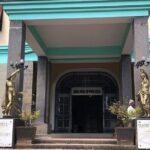
You begin at the museum, and I love this because it gives context before you step into the church. The museum covers ancient Bible books collections along with religious crosses, clothing, and traditional materials used within the monastery in earlier periods. You’re not just seeing old things; you’re seeing how the monastery worked as a living religious space over time.
This is where good interpretation makes the difference. In the guide-led experiences I’m using to inform this review, guides like Abe stood out for connecting religious history to broader Ethiopian context, so the museum doesn’t turn into a hallway of objects. If you like learning at a human pace—ask questions and get answers without rushing—this is a strong start.
Inside the church: stained glass and the founder’s tomb
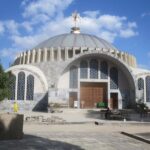
After the museum, you move into the church interior. The big draw is the tomb of the monastery’s founder, Saint Tekle Haymanot. Then there are the stained glass windows, which add color and calm to the visit.
This part is worth taking slowly. Church interiors tend to reward quiet attention. I’d plan to spend a little time just watching how light moves through the glass and how people behave inside. It’s one of those moments where you stop thinking of the day as a schedule and start feeling the place.
The Portuguese Bridge: a 16th-century detour with epic canyon views
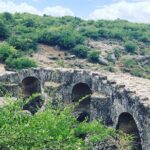
Next comes the Portuguese Bridge, built by the Portuguese during the 16th century. This is the kind of sight that makes you understand why people stop for photos and then keep looking after the camera is put away.
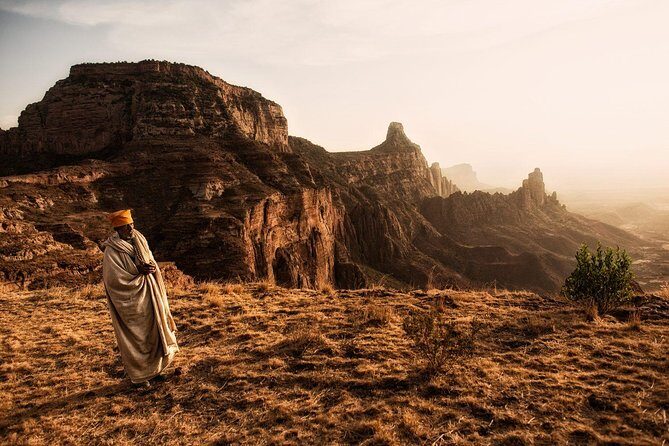
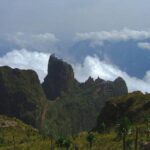
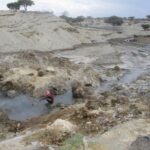
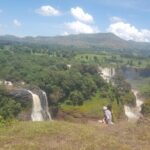
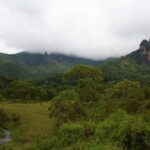
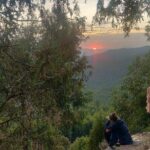
The bridge area sits in a dramatic setting, and the key advantage here is that you don’t just see the bridge—you see how it fits into the gorge and river area around it. That’s the spot where the views are truly impressive, and it’s also where the day’s energy shifts from museum quiet to open-air wandering.
If you’re the type who enjoys historical oddities, this stop is a big payoff. Ethiopia’s past has layers, and this bridge is one of the physical reminders of how different cultures left marks far from home.
Gelada monkeys: your best wildlife shot, with realistic expectations
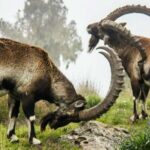
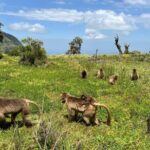
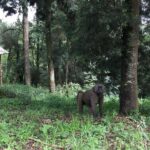
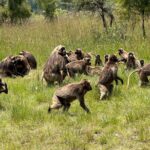
The tour explicitly offers a chance to meet Gelada monkeys, sometimes referred to as Chelada in the tour details. This is an Ethiopian endemic mammal, so if you get even a brief look, it’s a memorable moment.
Here’s the practical truth: wildlife timing is unpredictable. I’d treat monkey spotting as a bonus that depends on what the animals are doing that day, not as a guaranteed checkbox. Still, the tour’s routing is designed to put you near the right kind of habitat around the bridge area.
One small tip: keep your eyes up and stay patient. When these monkeys are active, you might only catch them if you’re looking around instead of focusing entirely on one fixed point.
A few more Addis Ababa tours and experiences worth a look
Jemma river gorge lunch: where the day finally slows down
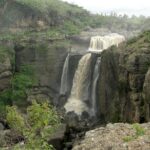
Lunch is served in front of a beautiful Jemma river gorge. Even if you’re not a big foodie, this is a smart way to build in a rest stop that’s actually worth getting out of the car for.
The included meal timing also helps you reset before the drive back. Plus, water is included, and Ethiopian coffee is part of the experience. That coffee stop is more than a perk—it’s a chance to sit for a few minutes, talk with your guide, and take in where you are.
If you like your breaks with views (and you should), this is one of the strongest “value for your time” parts of the day.
The drive back: villages, birds, huts, and farm fields
On the way to and from the main stops, you get opportunities to see birds, traditional Ethiopian huts, and farm lands. This is the kind of detail that makes a day trip feel grounded rather than staged.
It also helps you understand what you’re visiting. When you see the living countryside on the road, the monastery and the bridge don’t feel like isolated attractions. They start to feel like part of a working, inhabited region.
In the same spirit, guides such as Dagi and George (mentioned for an excellent monastery + bridge outing) helped keep things coherent—so the countryside moments connect to the historical ones instead of feeling like random roadside stops.
Price and value: what $81 per person actually buys you
At $81 per person, this trip is priced like a solid day tour rather than a budget-only transfer. The value comes from what’s included:
- pickup from Addis Ababa hotels or homes (and also airport pickup)
- professional English-speaking guide
- car with a professional driver
- all entrance fees
- water and Ethiopian coffee
- lunch
When you add it up, you’re paying for transportation, paid access to the key sites, and a guide to explain what you’re seeing. Without that, you’d likely spend time figuring things out on your own and still pay for admissions at multiple stops.
Also, the day is designed to avoid feeling rushed. The reviews for this experience consistently mention excellent value and a well-paced itinerary, and that matches what the structure suggests: museum, church interior, bridge, then lunch, with countryside scenery along the way.
One practical reality check: you’ll still need to cover personal expenses, alcohol drinks (not included), gratuities, dinner, and any hotel costs. So think of $81 as the core day package price, not your entire Addis trip budget.
Who this day trip is best for
This is a good fit if you want:
- a cultural and historical day outside Addis
- a monastery experience that includes museum context and church interior details
- a chance at Ethiopia’s endemic Gelada in a single outing
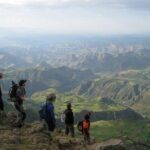
- a mix of walking and viewpoints, followed by lunch with Ethiopian coffee
It’s less ideal if:
- you need step-free access (the tour is not suitable for wheelchair users)
- you have back problems or mobility limitations
- you’re looking for a long, strenuous hike (the plan is more about guided sightseeing and short walking at stops than an all-day trek)
If you’re in Addis for a short stay and want something real beyond the city, this is one of the clearer choices.
Should you book this Addis Ababa monasteries, wildlife, and hike day trip?
Yes, if you want a day that balances history, religion, and the chance to see endemic wildlife without complicated logistics. Debre Libanos gives you the deeper story first (museum to church), and the Portuguese Bridge plus Jemma gorge lunch makes it feel like a full itinerary, not just a drive-by.
If your priority is guaranteed wildlife sightings, manage expectations and go in for the monastery and the views. If you have mobility or back issues, skip this one and look for a more accessible alternative.
FAQ
How far is Debre Libanos from Addis Ababa?
It’s about 105 km north-west of Addis Ababa, and the drive takes around two and a half hours.
What does the tour include for the $81 price?
The price includes pickup (hotel or home in Addis Ababa, and also from Addis Ababa Bole International Airport), a professional English-speaking guide, a car with a professional driver, all entrance fees, water and Ethiopian coffee, and lunch.
Is lunch included, and where do we eat?
Yes. Lunch is included and is served in front of the Jemma river gorge.
Do I get a chance to see Gelada monkeys?
The tour includes a chance to meet Gelada monkeys (called Chelada in the information), especially around the bridge area. Sightings are not guaranteed.
What stops are part of the day?
You visit the Debre Libanos monastery area (including a museum and the church interior), then the 16th-century Portuguese Bridge, with lunch near the Jemma river gorge.
What should I bring for the day trip?
Bring a passport or ID card, comfortable shoes, and comfortable clothes.
Is this tour suitable for wheelchair users or people with mobility or back problems?
No. It is not suitable for wheelchair users, people with mobility impairments, or people with back problems.