REVIEW · ETHIOPIA
3 Days Danakil Depression Tour
Book on Viator →Operated by Ethio Travel And Tours · Bookable on Viator
Danakil doesn’t do normal. It hits you with Erta Ale’s lava-lake sunrise and the surreal salt country of Dallol. I love how direct the experience is: you get real time at the volcano and real time around the salt-mining work, not just quick photo stops. I also like the practical setup for a tough region, including an air-conditioned vehicle and meals lined up for the long driving days. One drawback: this is physically demanding and hot, and the area isn’t set up for comfort.
What makes this itinerary especially interesting is the pacing. Day 1 and 2 center on Erta Ale (including a dawn visit to the main crater area), and Day 3 shifts to salt work, Dallol, Lake Assal, and the Afar people. I’d just go in with the right expectations: on a trip like this, communication and on-the-ground conditions can vary, so you’ll want to stay flexible and double-check key timing.
In This Review
- Key highlights worth your attention
- Why the Afar Depression and Erta Ale feel like a different planet
- Price and value: what $450 actually covers in the Danakil heat
- Day 1: Erta Ale to Dodom, early start, and your first crater-area walk
- Day 2: Sunrise at the pits, crater geometry, and the optional Lake Giulietti/Afrera stop
- Day 3: Salt mining near Ragad/Asebo, Dallol’s 116m-below-sea-level colors, and Lake Assal
- Guides, small groups, and how communication can affect your day
- Food, camping reality, and staying comfortable when comfort isn’t the goal
- Common hiccups to watch for before you go
- Who should book this 3-day Erta Ale and Danakil Depression tour
- Should you book this Danakil Depression and Erta Ale tour?
- FAQ
- How long is the Danakil Depression tour?
- What does the tour cost?
- Is pickup offered, and do I get a mobile ticket?
- What size is the group?
- What are the main highlights on the itinerary?
- Is Dallol below sea level?
- Are camel caravans always part of Day 3?
- What’s included in the price, especially meals and fees?
- What’s the cancellation rule if plans change?
Key highlights worth your attention
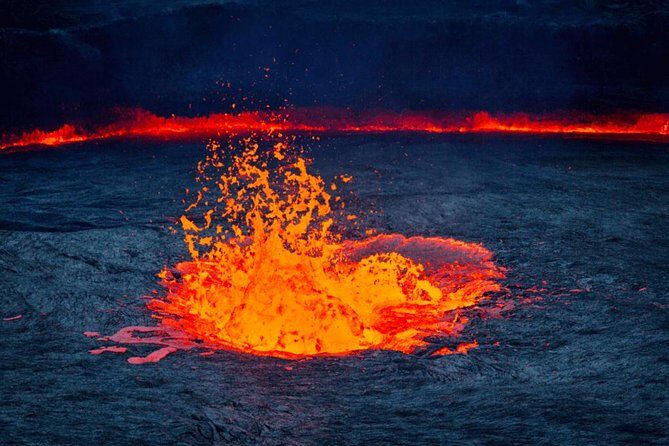
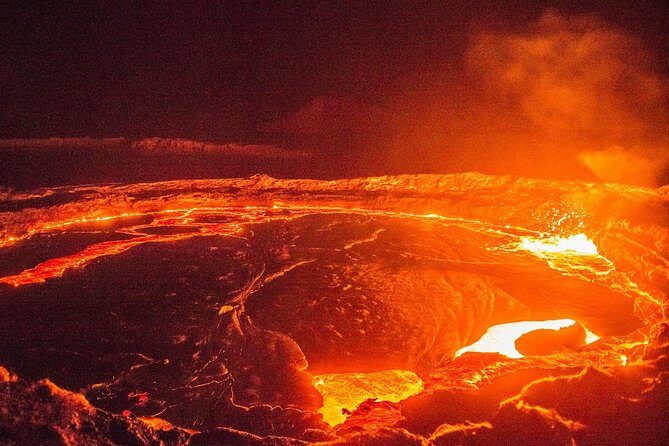
- Permanent-lava-lake access at Erta Ale: this volcano is famous for having a lava lake that’s been present since the early 1900s, though activity can be less intense than in past years
- Sunrise timing around the crater pits: you’ll start early so you can see the main pit crater area and nearby pits (a short walk)
- Salt mining at Ragad/Asebo: watch workers break salts and load the rectangular pieces onto camels
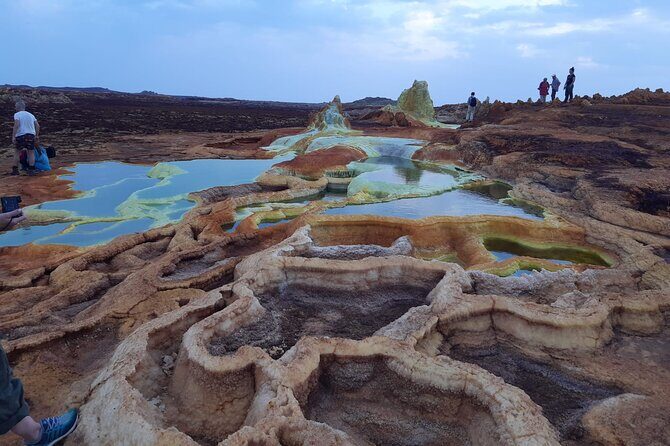
- Dallol and the lowest spot: Dallol sits about 116 meters below sea level, with colors shaped by volcanic minerals
- Lake Assal + Afar walking: you’ll pair the volcanic salt sights with a human-scale look at local life
- Small group cap (max 10): with this kind of route, fewer people usually means smoother logistics
Why the Afar Depression and Erta Ale feel like a different planet
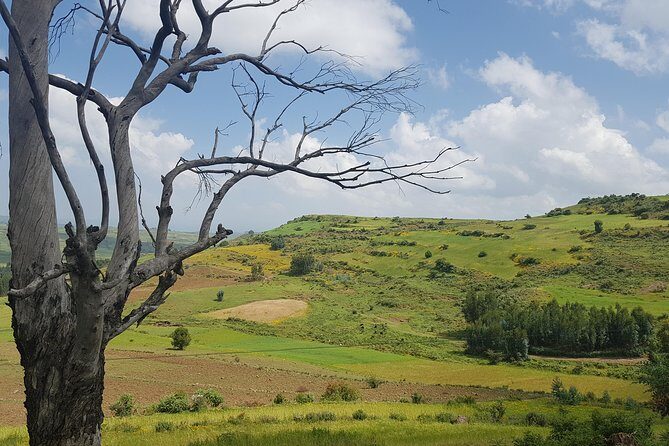
This part of Ethiopia sits in the Afar Triangle, also known for the broader Afar (or Danakil) Depression. Geologically, it’s tied to the divergence of tectonic plates in the Horn of Africa, which helps explain the extreme volcanic and mineral landscapes you’ll see up close.
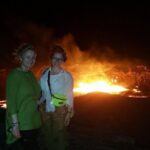
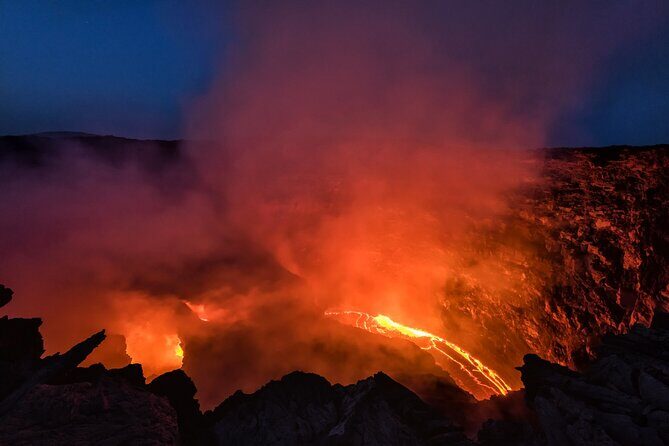
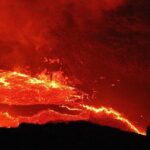
Then there’s Erta Ale—often called the smoky mountain in Afar language. It’s a shield volcano with a summit caldera about 1 km across and a base roughly 30 km wide. The big reason people line up for this trip is the world’s only permanent lava lake. It’s also described as the longest-existing lava lake since the early twentieth century, though you should assume the exact intensity of activity can change from year to year. Even when the lava isn’t roaring, the fact you’re looking into a long-lived geothermal system is a rare, grounding experience.
For me, the main draw is that this tour isn’t just about seeing a volcano from far away. You’re close enough to feel how physical it is. The overall tour notes a moderate physical fitness level, and that’s not a marketing phrase here—it’s about getting you through the early starts and the walking/hiking time at altitude-heat extremes.
A few more Ethiopia tours and experiences worth a look
Price and value: what $450 actually covers in the Danakil heat
At $450 per person for 3 days, this tour can feel either like a bargain or a splurge, depending on what you’re expecting. The best way to judge value here is to look at what’s already included.
You get:
- Air-conditioned vehicle transport
- All fees and taxes plus permits and entrance fees
- Meals: 2 breakfasts, 3 lunches, and 2 dinners
- Admission tickets tied to the days’ main activities
- A small group setup (max 10)
For Danakil specifically, the “hidden cost” is usually logistics and permits, not just entrance fees. When those are included, you’re less likely to hit surprise add-ons halfway through a remote region. Also, this isn’t a huge group bus. A maximum of 10 people matters because it affects pacing, radio/communication clarity, and the stress level when roads turn rough.
One practical note: it’s commonly booked about 40 days in advance. That tells me demand is real, and your best shot at the date you want is to plan ahead.
Day 1: Erta Ale to Dodom, early start, and your first crater-area walk
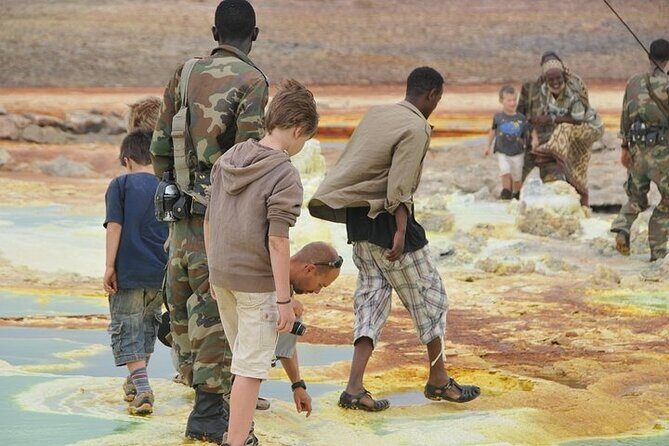
You start Day 1 around 9:00 AM, driving toward Erta Ale and specifically to Dodom at the base. “Dodom” is your jump-off point for the volcano experience, and this is where the day’s mood shifts from normal travel into something more physical and more intense.
The day is set up as a long driving + activity block (about 12 hours) with an admission ticket included. The itinerary language is built around the volcano visit and getting you in position for camp and the next morning’s sunrise.
In plain terms: Day 1 is your acclimation day in the schedule. You’re getting to the right base area, meeting the reality of heat and uneven ground, and settling in so Day 2 can be the star day.
The most important drawback to factor in on Day 1 is fatigue. If you sleep poorly, you’ll feel it twice: once after the long drive and again on the early wake-up schedule for sunrise.
Day 2: Sunrise at the pits, crater geometry, and the optional Lake Giulietti/Afrera stop
Day 2 is where you earn your Erta Ale memories. The plan is built for early sunrise with a walk to the pit crater area. The schedule notes an early breakfast around 07:00, then leaving Dodom, with you aiming to get to the camp and relax by about 10:30 at the latest.
From Dodom, the route is described as a short walk—about 5 minutes—to reach different pit viewpoints. The main pit-crater is described as roughly 200 meters deep and 350 meters across, with a sub-circular, three-storied shape. There’s also a smaller southern pit mentioned at about 65 meters wide and around 100 meters deep.
Why that matters for you: sunrise changes everything. Even if volcanic activity is quieter than it was in someone’s old photo album, the light angle makes the pits, textures, and smoke/heat distortion easier to read. It’s also cooler in the morning, which helps you focus instead of just surviving.
After the crater time, you return to the camp to rest. This tour also includes an optional side trip to Lake Giulietti (also called Lake Afrera), though the notes indicate it may not be available during some periods. If it’s offered on your dates, that’s a bonus because it adds a different kind of harsh water-and-salt scene after the volcano exertion.
Expect Day 2 to be another 12-hour day, just with a smarter payoff: the early start buys you the best light and the most dramatic sense of place.
Day 3: Salt mining near Ragad/Asebo, Dallol’s 116m-below-sea-level colors, and Lake Assal
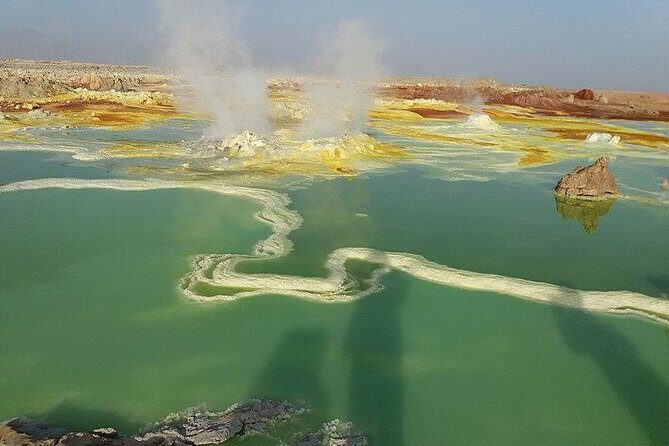
Day 3 shifts away from volcano intensity and into salt-country work and mineral drama.
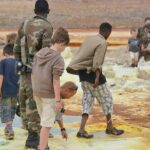
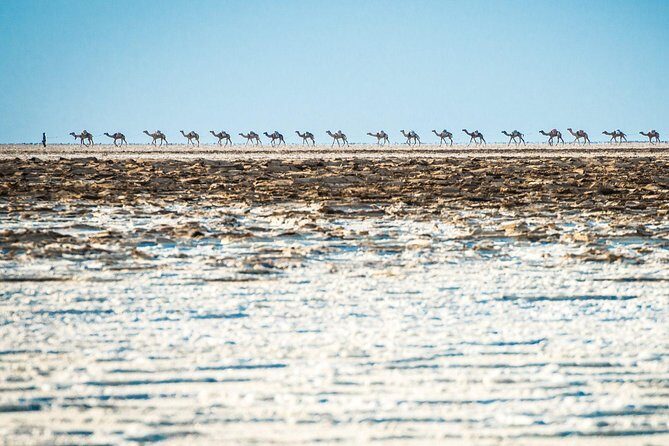
First stop: Ragad (Asebo), where salt mining happens. The itinerary describes workers breaking salt from the ground, cutting it into rectangular pieces, and loading it onto camels. This part is worth slowing down for. It’s not a staged attraction; it’s labor in a place where nature does most of the work and humans do the cutting and hauling.
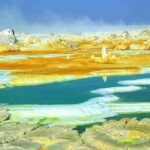
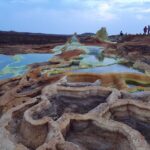
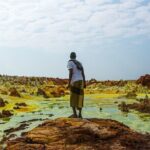
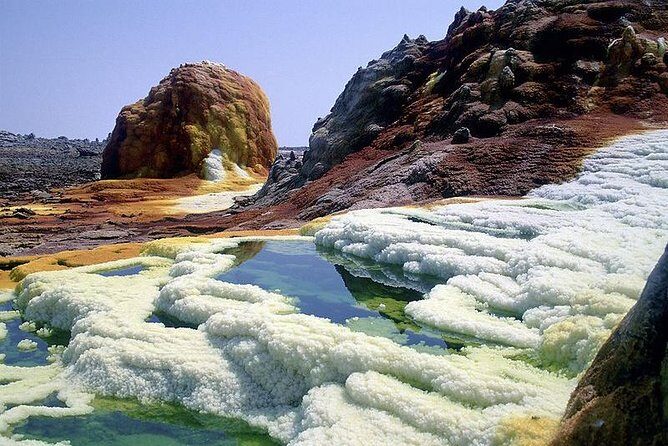
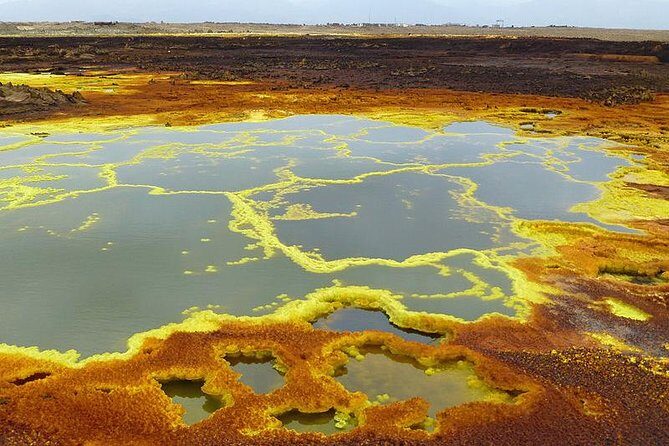
Next, you drive to Dallol, described as about 116 meters below sea level. Dallol is famous for colorful mineral formations created by volcanic activity. Here, you’ll also see salt-mining scenes again, since the area is shaped by the same evaporating and geothermal processes.
Then you continue to Lake Assal. After that, the itinerary brings in camel caravans and time around Afar people on foot. There’s one key limitation to know: camel caravans are not available on July, August, and early September. If you’re traveling in those months, don’t plan around the camel segment as a certainty.
Finally, you drive back to Semera and then fly back to Addis. That Day 3 wrap matters because it keeps the experience from turning into a multi-day grind. You get your big sights, then you move back toward civilization without spending an extra night on the road.
Guides, small groups, and how communication can affect your day
With a max group size of 10, you should get better control of timing than you would with large buses. That said, Erta Ale and Danakil logistics rely on people. The tour’s value rises fast when the team is sharp.
The names showing up in past participant accounts include guides such as Hope (also called Tesfa) and Aki, plus support roles like Demeke. People also mention drivers and cooks, and they credit the crew with adjusting the schedule and handling the day’s heat and walking without making it feel chaotic.
One more real-world point: at least a couple of past experiences mention communication that could have been clearer during the program. That’s not a deal-breaker, but it is a reason to stay proactive. I recommend you ask your guide (or coordinator) to confirm:
- wake-up time for the crater morning
- the day order for Dallol vs. Lake Assal
- whether the Lake Giulietti/Afrera add-on is running on your date
- how the camel-caravan situation will work if you’re near the July–September window
Because when the route is remote, small misunderstandings turn into wasted daylight.
Food, camping reality, and staying comfortable when comfort isn’t the goal
This itinerary includes meals: 2 dinners, 3 lunches, and 2 breakfasts. Past participants repeatedly describe the food as good, and that’s a serious plus on a route where you don’t want to spend your energy hunting snacks.
You also have “camp” time—especially after the crater activities on Day 2. That’s when you eat, rest, and reset for the next driving block. In a place like this, your comfort strategy should be simple:
- Plan for heat first, then weather
- Expect dust
- Bring water discipline seriously
I can’t tell you what your cups, beds, or tents look like from the data alone, but I can say the trip is built around camping-style downtime between activity windows. The best mindset is to treat camp as a charging station, not a hotel.
Common hiccups to watch for before you go
A remote route runs on vehicles, schedules, and airline connections. One past account flags miscommunication related to an Ethiopian Airlines return flight, along with financial damage. Another account reports tire blowouts early in the trip and raises safety concerns.
I’m not saying those issues will happen to you. I am saying you should reduce your risk:
- Double-check your return flight details and keep the confirmation handy
- Ask what the plan is if a vehicle needs a tire change (and who handles it)
- Build a little flexibility into your Addis plans on Day 3
Also, remember that the region is described in past advice as extremely poor. That means basics may be basic. If you’re the kind of person who needs everything polished, Danakil might frustrate you.
Who should book this 3-day Erta Ale and Danakil Depression tour
This tour is a strong match if you:
- want real early-morning volcano time, not a drive-by
- care about geology and extreme mineral settings
- can handle heat and rougher conditions without needing luxury
- like a small group feel (max 10) so the day can move intelligently
It might not fit you if:
- you get stressed by rough logistics or unclear timing
- you’re unwilling to do an active walking day during extreme conditions
- you’re traveling at the months when camel caravans are not operating (July, August, early September)
Should you book this Danakil Depression and Erta Ale tour?
I think this is an easy yes if you want the core Danakil package: Erta Ale’s permanent-lava-lake fame with sunrise crater access, plus Dallol and salt mining that feels close to how people actually work there. The included meals, permits, and entrance fees also make the $450 price feel more straightforward than many “remote add-on” trips.
Book it if you’re flexible, physically game for the schedule, and comfortable with a basic setting. Don’t book it if you need constant comfort or if you know you react badly when communication is imperfect.
If you decide to go, one last practical move: before departure, confirm your Day 2 sunrise timing and your Day 3 camel-caravan expectations for your month. That’s the difference between a trip that feels smooth and one that feels like you’re chasing details in the heat.
FAQ
How long is the Danakil Depression tour?
It runs for 3 days (approx.).
What does the tour cost?
The price is $450.00 per person.
Is pickup offered, and do I get a mobile ticket?
Yes. Pickup is offered, and the tour uses a mobile ticket.
What size is the group?
The tour has a maximum of 10 travelers.
What are the main highlights on the itinerary?
You’ll visit Erta Ale with sunrise crater time, then go to Danakil Depression sites including salt mining near Ragad/Asebo, Dallol, Lake Assal, and an Afar people walking component.
Is Dallol below sea level?
Yes. Dallol is described as about 116 meters below sea level.
Are camel caravans always part of Day 3?
No. Camel caravans are not available in July, August, and early September.
What’s included in the price, especially meals and fees?
The tour includes an air-conditioned vehicle, permits, all entrance fees and taxes, and meals: 2 breakfasts, 3 lunches, and 2 dinners.
What’s the cancellation rule if plans change?
You can cancel up to 24 hours in advance for a full refund. The experience also requires good weather; if it’s canceled due to poor weather, you’ll be offered a different date or a full refund.