REVIEW · LALIBELA
Lalibela: Churches Full-Day Private Tour w/Coffee Ceremony
Book on GetYourGuide →Operated by Highland Eco Trekking Tours · Bookable on GetYourGuide
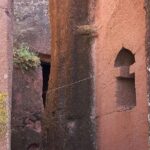
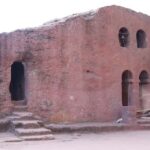
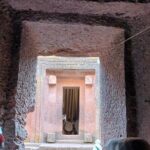
Lalibela feels carved by hand and time. This full-day private tour strings together the town’s most important rock-cut churches with a guided walk and a family coffee ceremony. If you like architecture you can actually see with your own eyes, this day gives you the route and the stories to make sense of it.
What I like most is the slow, practical way the guide explains what you’re standing in front of, especially across multiple churches instead of just one photo stop. You also get a true town walking feel, plus a community visit later in the day, rather than a quick circuit and out the door.
One thing to plan around: access rules at specific churches. Entry is not permitted for women at Bete Golgotha, and the day comes with a clear dress code (no shorts or short skirts).
In This Review
- Key highlights worth planning around
- The real value: a guided day, not a checklist
- Pickup, transport, and the practical “how to do this day”
- Northwestern churches: the route that makes Lalibela click
- Lunch break at noon: refuel before the second cluster
- South-eastern churches: the story continues
- Bet Giyorgis: the famous finish that lands best after context
- Coffee ceremony at a family home: where the day turns human
- Evening Amhara music and dance: cultural energy with a local setting
- The guide factor: details that make a big difference
- Optional mountaintop monastery walk: when you want more
- Price and value: what $342 buys you
- Who this tour is best for
- Before you book: the couple of things to double-check
- Should you book this Lalibela full-day private tour?
- FAQ
- What does the tour include?
- How long is the tour?
- Is this a private group?
- Which churches will we visit during the tour?
- Is entry allowed for women at all the churches?
- What is the coffee ceremony?
- Are there any dress code rules?
- What should I bring?
Key highlights worth planning around
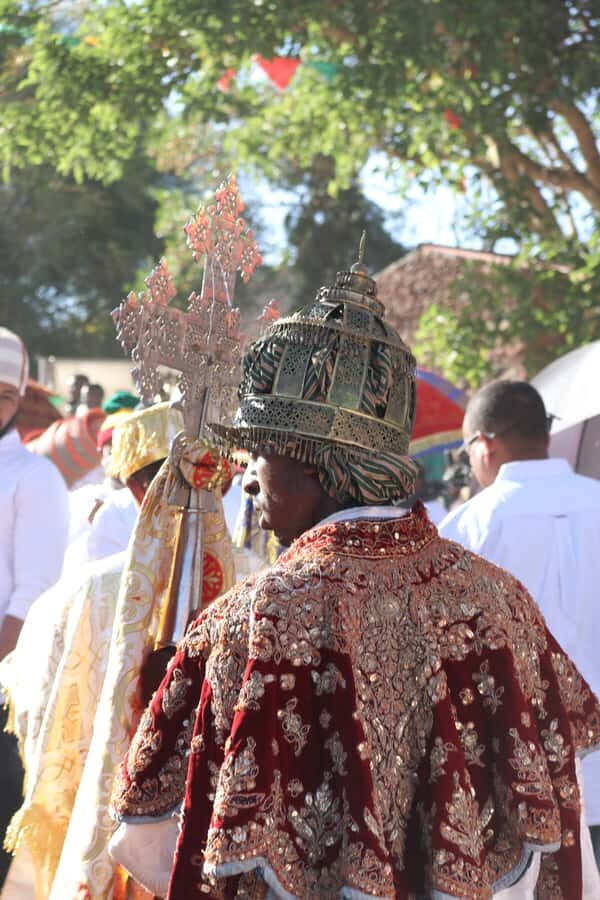
- A church route in two clusters that helps you understand the layout instead of rushing between landmarks
- A live English/Amharic guide who takes time to explain what you’re seeing at each site
- Bet Giyorgis at the end of the route so you build to the most famous sight
- Coffee ceremony in a family home where local daily life is part of the experience
- Evening Amhara music and dance performed in a bar
- Women’s entry restriction at Bete Golgotha (important if you’re traveling as a woman)
The real value: a guided day, not a checklist
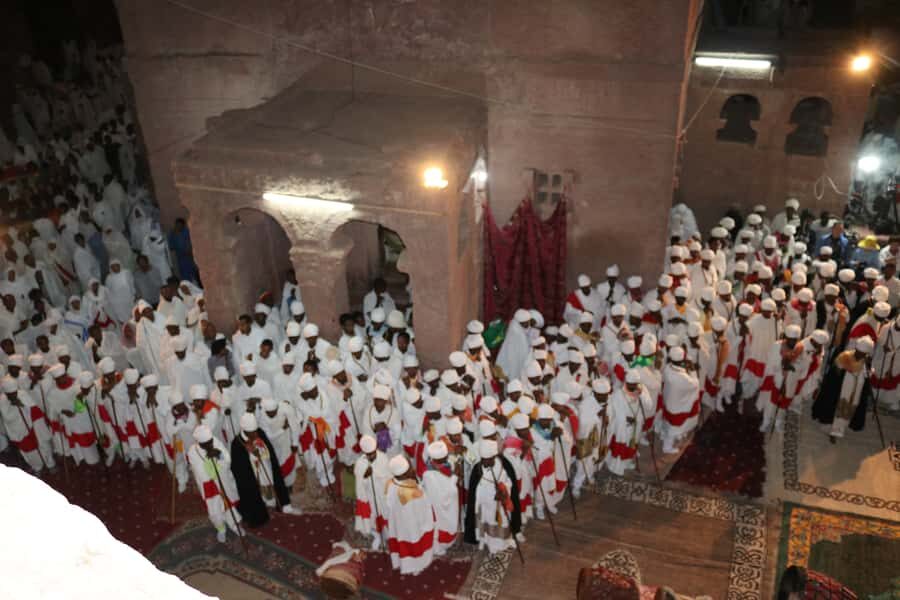
Lalibela’s churches are famous for a reason, but they can also be a little disorienting if you’re just wandering. This private full-day setup helps because you get a guide from pickup to drop-off and a walking plan that groups sites logically. You see churches in the northwestern cluster, take lunch, then head to the south-eastern cluster, finishing with Bet Giyorgis.
Price-wise, you’re paying for four big things: private transport, a live guide, entrance fees to the Lalibela churches, and the cultural portions of the day (coffee ceremony plus live music and dance). The entrance fee is listed at $100, which matters when you’re comparing tours. Lunch is not listed as included, so you should expect to cover it separately, and you’ll want a bit of cash for small costs.
Also: this is a private group. That means you can move at a pace that works for you, ask questions, and spend a little extra time where your eyes keep returning.
You can also read our reviews of more tours and experiences in Lalibela.
Pickup, transport, and the practical “how to do this day”
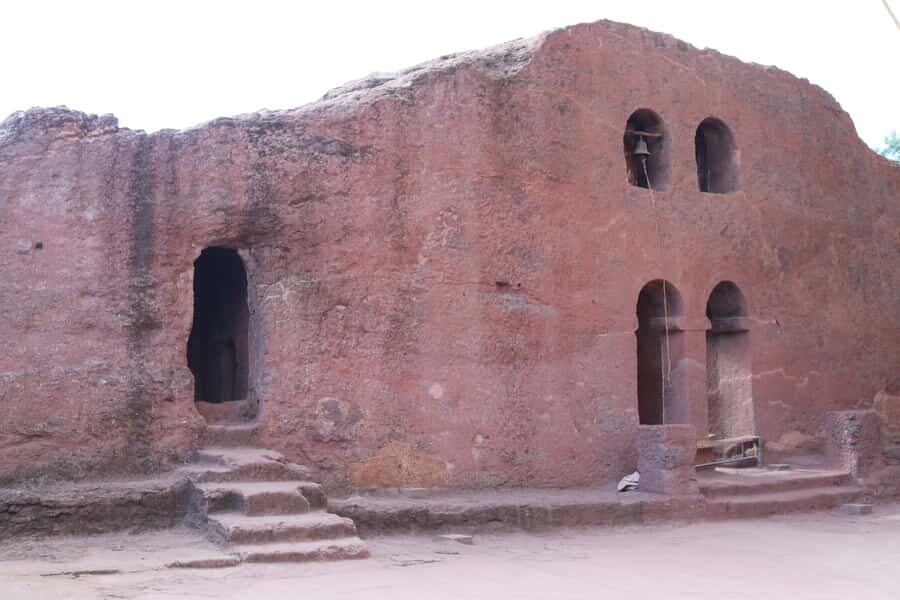
The day starts with pickup at your chosen point in Lalibela and ends with a drop-off back where you started. You ride in a private car, so you’re not shuffling through a shared vehicle schedule while also trying to manage walking time.
What’s nice here is that your guide is built into the flow. You’re not just paying for someone to hold a map. You’re getting an English and Amharic guide who stays with you for the churches, the town walk, and the later cultural stops.
Before you go, pack for the realities of church visits:
- Bring passport or ID card
- Wear sandals
- Bring sunscreen
- Have cash on hand
- Keep your outfit within the rules: no shorts, no short skirts, no see-through clothing
Not going to lie: this is one of those places where what you wore on the beach day needs to stay in the past. If you’re traveling with a lot of flexible outfits, plan ahead so you don’t lose time at the start of the day.
Northwestern churches: the route that makes Lalibela click
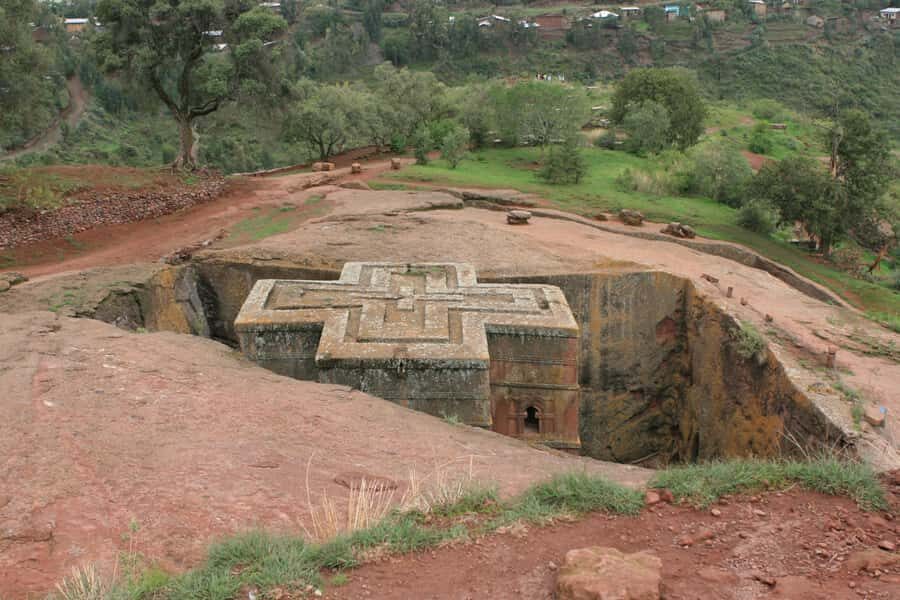
After pickup, your guided tour begins in the northwestern cluster. The idea is simple: you walk and learn your way through a set of churches that share the town’s distinct rock-cut style and architectural language. Instead of treating each church like a standalone postcard, the guide connects features and history so they start to feel like a system.
You’ll visit:
- Bet Medhane Alem
- Bet Maryam
- Bet Meskel
- Bet Danaghel
- Bet Mikael
- Bet Golgotha
A key detail: entry is not permitted for women at Bet Golgotha. If you’re traveling as a woman, I’d treat this as non-negotiable planning. If you’re traveling with mixed-gender groups, it helps to understand that the pacing for that one stop may look different depending on access.
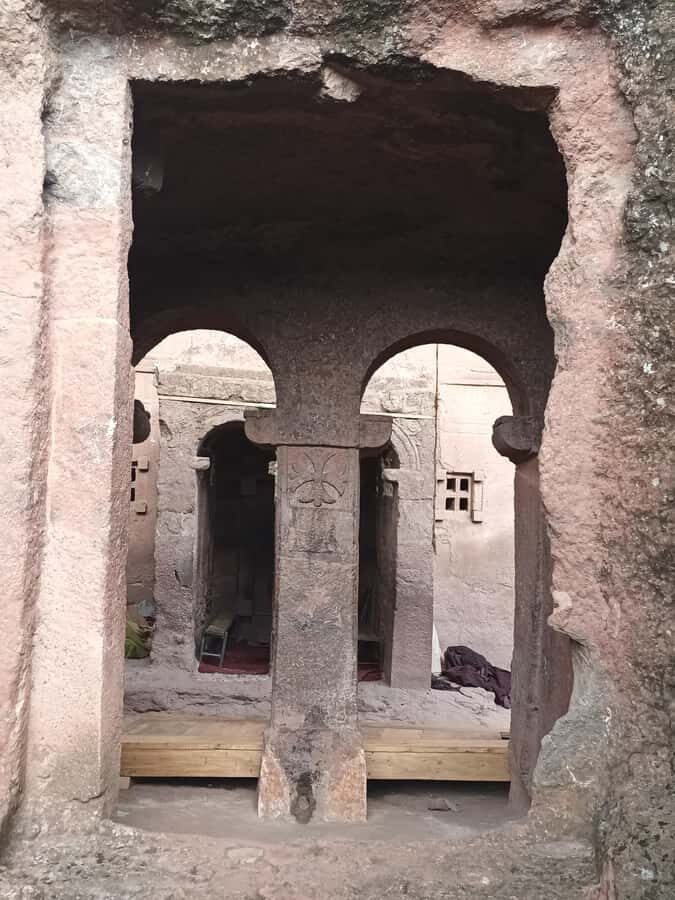
Even aside from the restriction, this cluster is where many people first start noticing the “how did they do this?” parts of Lalibela. You’ll spend real time looking at rock cuttings and architectural differences between churches, rather than just snapping pictures and moving on.
Lunch break at noon: refuel before the second cluster
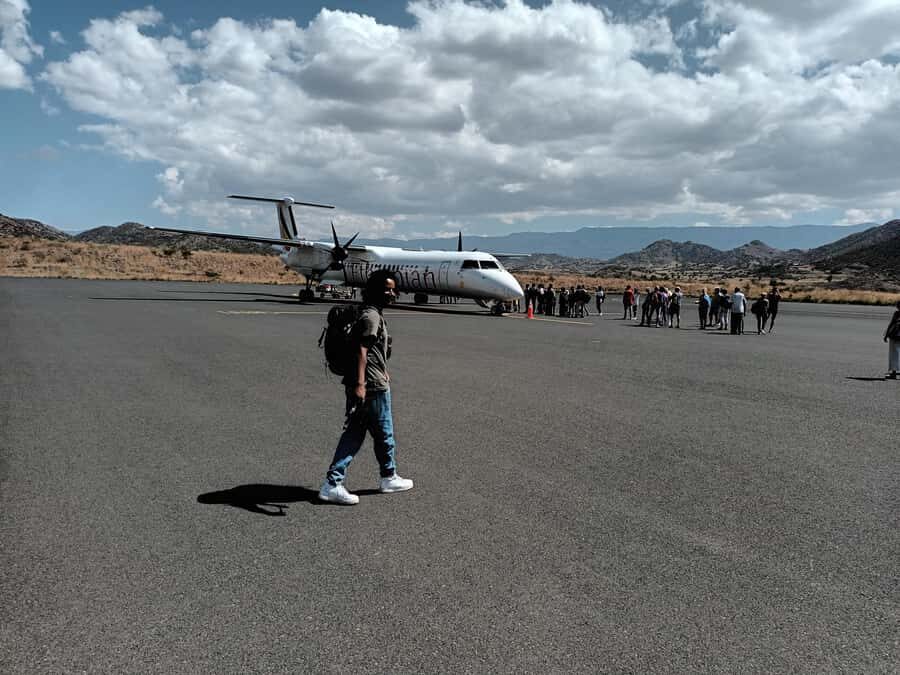
At noon, you stop for lunch at a local restaurant. Since lunch isn’t listed as included, budget for it as part of your day.
Use this break wisely:
- It’s a good time to check how your feet are doing. The churches are spread enough that good walking shoes and a sensible pace matter.
- Grab water and take a breath. The afternoon cluster is where the day can feel like it’s accelerating.
This structure also keeps the tour from becoming a nonstop church endurance test. Two clusters with lunch in the middle is a smart way to keep the experience enjoyable.
South-eastern churches: the story continues
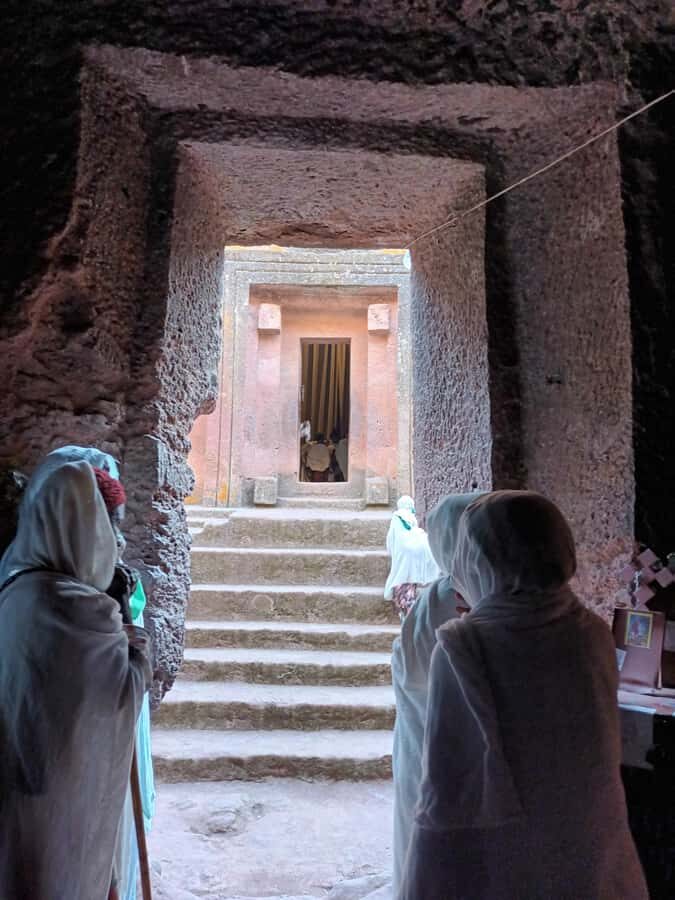
After lunch, you shift to the south-eastern cluster. This part of the day continues the guided walk with another set of major churches, each with its own architectural personality and historical importance.
You’ll visit:
- Bet Gabriel-Rufael
- Bet Merkorios
- Bet Amanual
- Bet Abba Libanos
- then Bet Giyorgis
By the time you hit the south-eastern cluster, you’ve already trained your eyes on Lalibela’s style. That’s when the differences start to become easier to notice. The guide’s explanations also help you avoid the common mistake of treating everything as just ancient rock buildings.


Bet Giyorgis: the famous finish that lands best after context
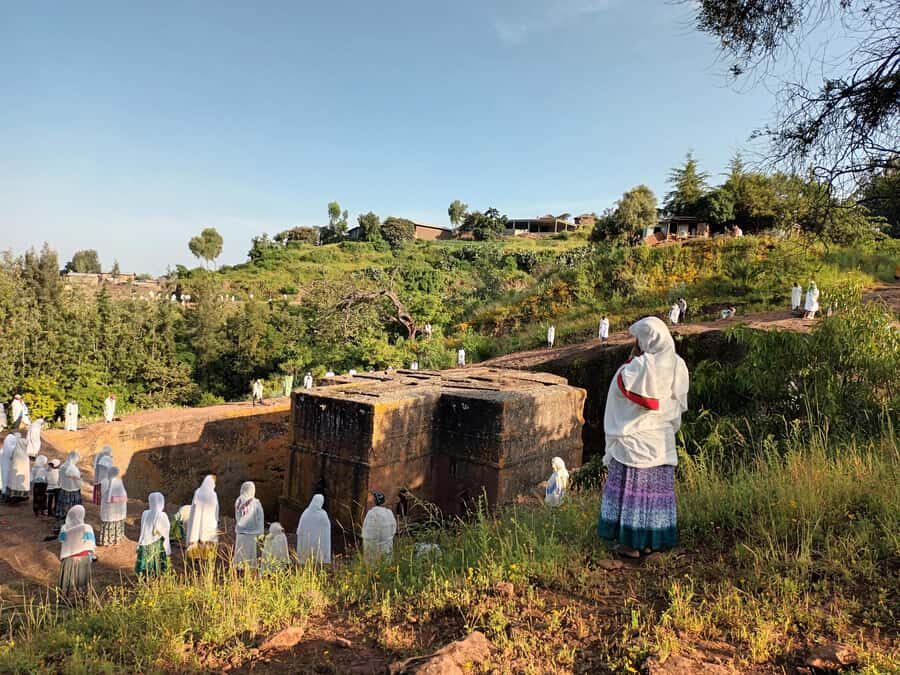
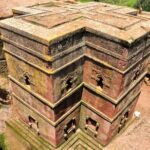
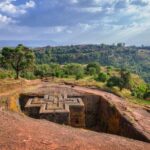
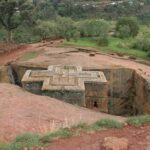
Bet Giyorgis is the famous one built in honor of Saint George. The route saves it for the end, and that’s smart. The day isn’t spent racing for the most photogenic church first. Instead, you’re building familiarity, and then you arrive with your eyes ready.
If you care about photography, this is usually the point where you’ll want to slow down. By now you understand the layout, and you’re not just trying to capture a single view before the next stop appears. You can focus on angles, carvings, and how the church sits within the rock-cut townscape.
Coffee ceremony at a family home: where the day turns human

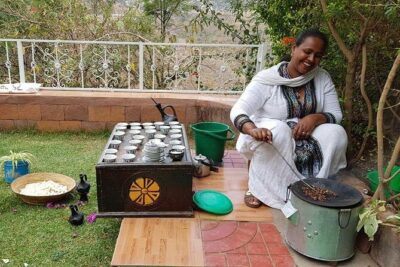
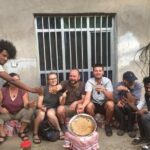
Later, you go to a family house for a traditional coffee ceremony. This is more than a break. It’s an experience that connects you to local life and culture, right down to how the day’s rhythm feels from the inside.
Since this takes place in a home setting, treat it with the respect you’d give any invitation. If you’re watching the steps and learning from your guide, you’ll get more meaning out of it than if you treat it like a quick performance.
For me, this part is one of the best reasons to pick a private tour. It’s easier to ask questions in a calm setting, and you can connect what you saw earlier (the churches and the town) to what people practice in daily life.
Evening Amhara music and dance: cultural energy with a local setting
The day doesn’t end with coffee. In the evening, you watch traditional Amhara music and dance performed in a bar. It’s a practical way to experience cultural performance without needing to hunt for what’s on.
A bar setting means you’ll probably feel the performance in a social, informal way. If you’re the kind of traveler who likes real local scenes more than polished stages, this format is a good fit.
You can also treat it as a gentle wrap-up. After a full day moving between rock-cut churches, music and dance shift your senses from stone to sound.
The guide factor: details that make a big difference
This tour’s standout ingredient is the live guide. One guide name comes up strongly: Abebe. The big thing is not just that he knows church facts. It’s that he explains in clear, detailed ways at each church and takes his time so you don’t feel rushed.
There’s also a practical edge: having a guide with community connections helps the day feel smoother and more personal. One person summed him up as knowing so many people that he felt like the mayor of Lalibela. That kind of local reach usually means you spend less time confused and more time looking closely.
If you want to increase your chances of a standout guide, I’d ask specifically for Abebe when you reserve. It’s a simple move that can change the whole tone of your day.
Optional mountaintop monastery walk: when you want more
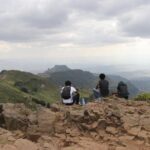
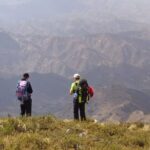
One customization mentioned is a walk toward a monastery on a mountaintop. It’s described as a long trek (up to a five-hour hike), with the option to reach a village on the mountain for about an hour and a half hike, for an additional fee.
This is worth considering if you:
- like real walking and views
- don’t mind that the route depends on pace and condition
- want something beyond churches and town stops
If your energy is limited, treat it as a “choose your version of the hike” situation. You’ll still get a sense of the mountain-side experience without needing to push all the way if that’s not realistic for you.
Price and value: what $342 buys you
At $342 per person for a one-day private tour, the value comes from bundling several costly and time-consuming elements:
- private car transport
- hotel pickup and drop-off
- live guide for the day
- entrance fee to Lalibela churches (listed at $100)
- coffee ceremony
- live music and dance in the evening
- a walking tour in town
What you should expect to pay separately: lunch (since it’s described as a stop at a local restaurant, not as an included meal). Also expect the usual small on-the-ground costs that pop up when you’re carrying cash and moving around town.
If you’re comparing options, think less about the sticker price and more about how much of your day is guided with entrance coverage and cultural extras included. This one is built to reduce decision fatigue. You show up, and the route is handled.
Who this tour is best for
This experience fits you best if:
- you want a structured walking route across multiple churches
- you appreciate history and architectural explanation at each stop
- you want cultural experiences beyond sightseeing, like a family coffee ceremony and Amhara music/dance
- you prefer private pacing and a guide who can answer questions
It’s less ideal if you want only quick photo stops with minimal walking, because the day is designed around a full guided circuit and time in multiple churches.
Before you book: the couple of things to double-check
I’d double-check two practical items before you commit:
- The Bet Golgotha restriction for women, so your group planning is smooth.
- Your clothing choices so you don’t show up in something that gets refused at church sites.
If you can align with those, you’ll have a far easier day.
Should you book this Lalibela full-day private tour?
Yes, if you want a guided, full-day experience that covers the major Lalibela churches in smart clusters, then adds real culture afterward through coffee and music. The private format and the entrance fee inclusion make it feel efficient, not like you’re piecing the day together yourself.
If you’re a woman traveling and the group includes Bet Golgotha, be sure you’re comfortable with the entry rule before you book. And if you’re the type who hates dress codes, keep in mind there are specific restrictions here.
If you care about detailed explanations and a guide who sets the tone for the day, try to arrange for Abebe. That guide focus is where this tour seems to shine the most.
FAQ
What does the tour include?
It includes hotel pickup and drop-off, transportation in a private car, entrance fee to Lalibela churches ($100), a live guide, a walking tour, and a coffee ceremony.
How long is the tour?
The tour is 1 day.
Is this a private group?
Yes, it’s a private group.
Which churches will we visit during the tour?
You’ll visit Bet Medhane Alem, Bet Maryam, Bet Meskel, Bet Danaghel, Bet Mikael, Bet Golgotha, Bet Gabriel-Rufael, Bet Merkorios, Bet Amanual, Bet Abba Libanos, and Bet Giyorgis.
Is entry allowed for women at all the churches?
No. Entry is not permitted for women at Bete Golgotha.
What is the coffee ceremony?
You’ll visit a family home for a traditional coffee ceremony as part of the day.
Are there any dress code rules?
Yes. Shorts, short skirts, and see-through clothing are not allowed.
What should I bring?
Bring your passport or ID card, sandals, sunscreen, and cash.