REVIEW · LALIBELA
Fully guided city tours of Addis Ababa with hotel pickup
Book on GetYourGuide →Operated by Danakil Depression Ethiopia Tours & Travel · Bookable on GetYourGuide
High altitude, Lucy, and coffee in one day. This fully guided Addis Ababa tour uses a minibus setup with hotel pickup, then strings together major history, faith, and everyday city life. You’ll also get the kind of guide who explains what you’re looking at, not just where to stand.
I especially like the combo of Entoto Maryam Church and the Entoto Hills hike for the big-city-and-sacred-feeling contrast. And meeting Lucy at the National Museum gives you that rare, emotional, earth-science moment that isn’t just photos and labels.
One key consideration: lunch isn’t included, so you’ll want to budget and plan accordingly (and the ethnological museum can be closed on some days, like Mondays).
In This Review
- Key highlights worth getting excited about
- Hotel pickup and a tight Addis Ababa day plan
- Entoto Maryam Church and the Entoto Hills at 2,900 meters
- Haile Selassie’s former palace: the Ethnological Museum at Addis Ababa University
- Lucy and Selam: why the National Museum is the day’s must-stop
- Merkato: walking Africa’s largest open-air market
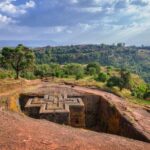
- St George or Trinity: the Orthodox church contrast you shouldn’t skip
- Ethiopian coffee and the kind of guiding that makes it click
- Price and value: what $70 buys you in Addis Ababa
- Getting comfortable on a high-elevation, high-traffic itinerary
- Should you book this Addis Ababa city tour?
- FAQ
- Is hotel pickup included?
- What does the tour price include?
- Is lunch included?
- What do we do at Entoto?
- Are entrance fees included?
- Which churches will we visit?
Key highlights worth getting excited about
- Hotel pickup, English-speaking guide, and smooth transport so you spend less time figuring things out
- Entoto Maryam Church (built 1877) with royal artifacts linked to Menelik II and Empress Taytu
- Entoto Hills viewpoint at 2,900 meters (not Entoto Park) for panoramic Addis Ababa energy
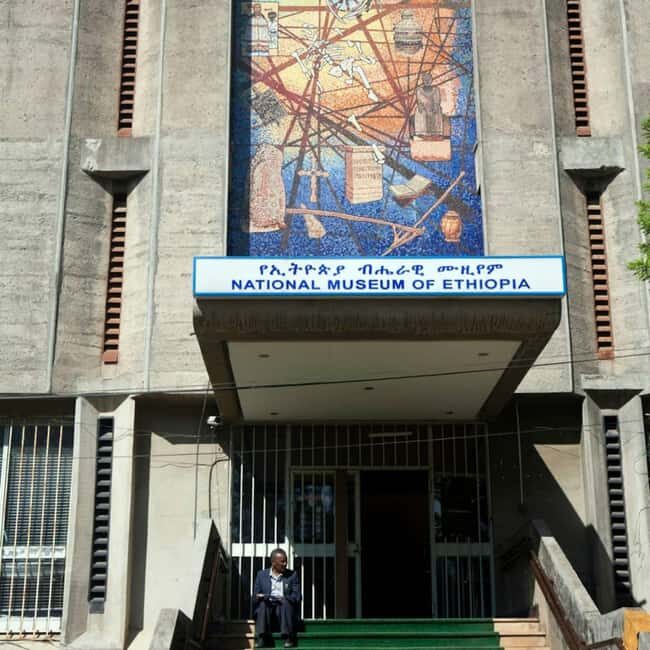
- National Museum of Ethiopia featuring Lucy and the well-preserved child hominid fossil Selam
- Merkato market walk at Africa’s largest open-air market, founded during the Italian occupation
- A stop at St George or Trinity to experience Ethiopia’s Orthodox church heritage firsthand
Hotel pickup and a tight Addis Ababa day plan
Addis Ababa can feel like two cities at once: big viewpoints and ancient faith, plus markets and movement that never fully slow down. This tour is built to help you cover the essentials in one day without turning it into a self-guided puzzle.
The day starts after breakfast, with pickup from your requested place and transport by a professional driver in a minibus. You get an English-speaking guide, entrance fees are covered, and the tour even includes bottle water plus Ethiopian coffee later on. That’s not just “nice”—it removes a lot of small friction that can turn a good day sour.
You can also read our reviews of more guided tours in Lalibela

Entoto Maryam Church and the Entoto Hills at 2,900 meters
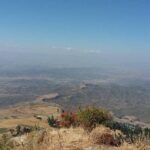
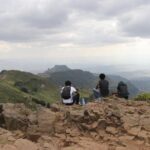
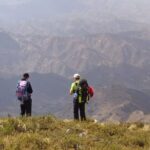
The altitude alone changes the vibe. You’ll head to the Entoto Hills area at about 2,900 meters above sea level, where Addis Ababa looks wide and purposeful. It’s also historically and spiritually significant because this highland zone was once the capital area before the city moved to its current location.
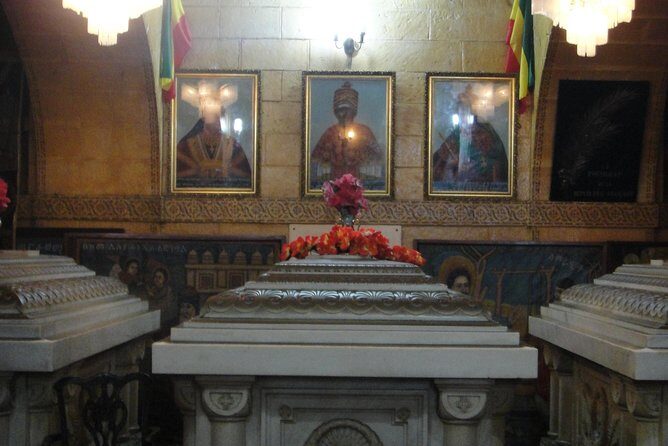
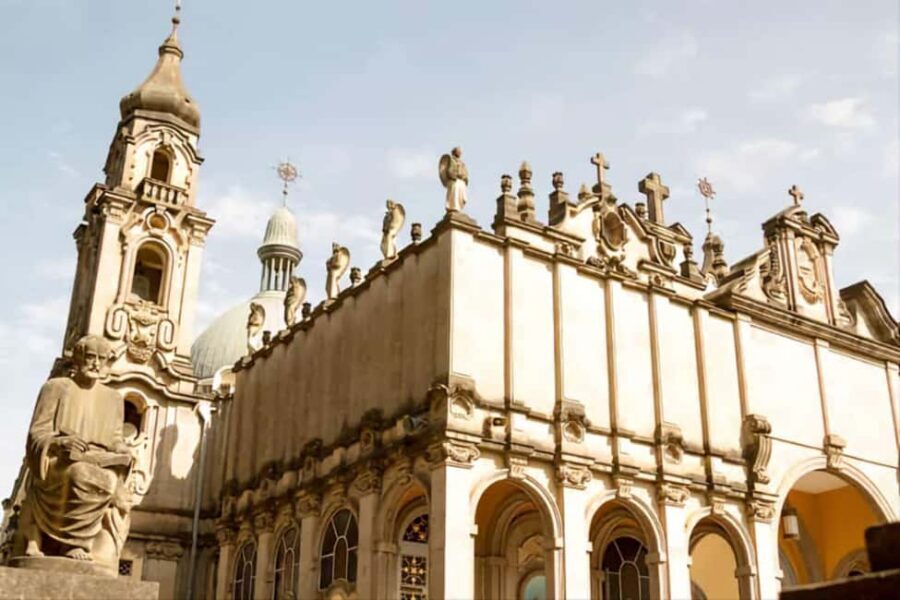
Entoto Maryam Church is one of the big reasons to come. It dates to 1877, built by Emperor Menelik II, and the church’s architecture includes octagonal domes in a traditional Ethiopian Orthodox style. If you like details, this is the kind of place where you’ll want to listen closely: inside, you’ll find royal artifacts connected to Menelik II and Empress Taytu—like their crowns, ceremonial garments, their royal bed, and even a mirror gifted to the Empress by Queen Victoria.
A practical note for the hike: you’re not just strolling on level ground. You’ll be moving at a high elevation, so I’d keep your pace steady and plan for slower breathing. Bring comfortable walking shoes, and if you’re sensitive to altitude, go easy on the first section.
Haile Selassie’s former palace: the Ethnological Museum at Addis Ababa University
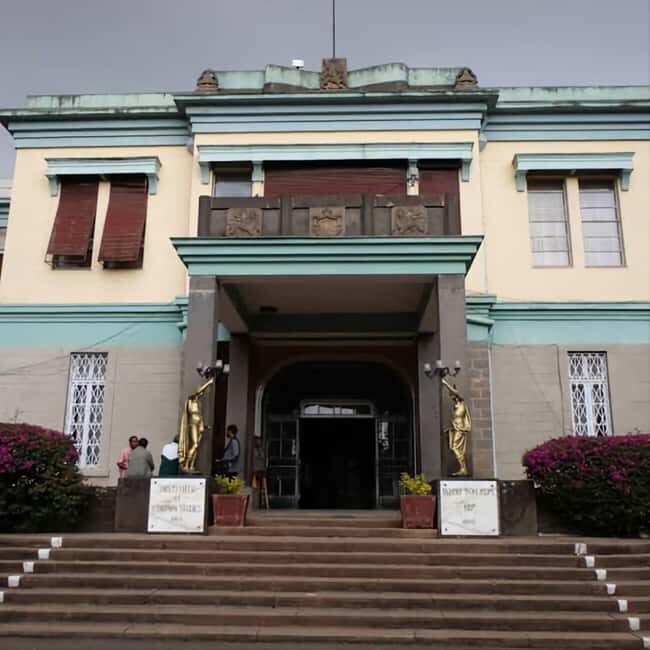
Next comes a quieter kind of learning—culture and everyday life—set inside a building with real political weight. The Ethnological Museum sits on the main campus of Addis Ababa University and occupies the former palace of Emperor Haile Selassie.
What I like about this stop is that it’s not only about artifacts; it frames Ethiopia’s diversity in a way that feels human. The museum includes exhibits tied to anthropology, music, and traditional life, which helps you connect what you saw in churches and on hills with how people lived beyond royal stories.
One heads-up: the ethnological museum may not be open on every day. If your schedule lands on a day like Monday, the tour can end up shifting how much time you get inside. That’s still workable—just don’t expect every room to be guaranteed every single day.
Lucy and Selam: why the National Museum is the day’s must-stop
If you want the single most famous “wow” moment on this tour, it’s the National Museum of Ethiopia. This is one of the most important museums in sub-Saharan Africa, and it’s where you’ll see the world-famous fossil remains of Lucy (Australopithecus afarensis).
But the museum’s strength isn’t only big headlines. You’ll also see Selam, a remarkably complete child hominid fossil estimated to be 3.3 million years old. That adds context to the story—because it isn’t just one dramatic find; it’s a window into early human life stages.
Time-wise, museums can be tricky in a single-day itinerary, so this is where having a guide matters. A good guide helps you focus on what you’re looking at, and what questions to ask your own brain while you’re there: What does “complete” mean in fossil terms? How do they date these finds? What changes in the story when you see multiple specimens?
Merkato: walking Africa’s largest open-air market
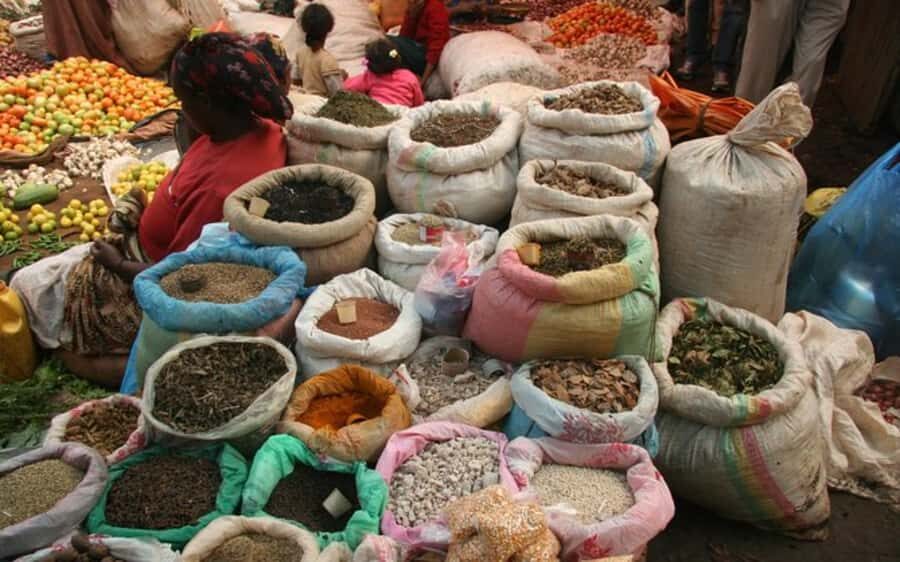
Then the day pivots into motion. You’ll visit Merkato, described as Africa’s largest open-air market. It spans several square miles and has over 7,000 businesses, so it’s not “a market”—it’s a city system inside the city.
What makes Merkato memorable is the texture of daily life. You’ll see vendors and trades tied to the basics: spices, textiles, handmade crafts, and even electronics. And because it was established during the Italian occupation in the late 1930s, the market’s shape reflects a particular historical layer in Addis Ababa’s development.
A practical approach: wear shoes you can walk in for a while, and keep your expectations realistic. Merkato is busy, crowded, and sometimes noisy. A guide helps you move through it efficiently, and it’s also easier to ask questions about products and prices without feeling like you’re navigating alone.

St George or Trinity: the Orthodox church contrast you shouldn’t skip
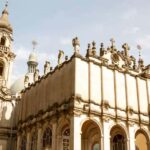
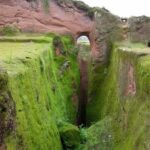
Ethiopia’s Orthodox churches do something special to a city tour: they slow you down in a good way. This tour includes one of the historical churches—either St George or Trinity—so you get a tangible sense of the religious architecture and tradition that shapes Addis Ababa.
I like that this stop comes after the museum and market. By then you’ve seen scientific deep time (Lucy), cultural context (ethnological exhibits), and the everyday economy (Merkato). The church stop becomes the thread that ties it all together through faith, art, and community space.
What to expect in practice: religious sites often have rules about where you can stand and how you move. In Ethiopia, it’s wise to follow your guide’s pace and cues, especially for photography and clothing expectations. If you’re unsure, ask before you enter.
Ethiopian coffee and the kind of guiding that makes it click
This tour isn’t only about boxes checked. The experience includes Ethiopian coffee, and that matters because coffee culture in Ethiopia is part ritual, part social time—not just a drink.
In past versions of this experience, guides have also been open about sharing deeper context and, at times, including a local home-cooked meal and a coffee ceremony with their families. That’s not something you should treat as guaranteed every single departure, but it’s a sign of what you might get when the guide is truly invested in showing you the living side of Addis Ababa.
Names you may see in your planning: Joseph and driver George are associated with excellent communication and smooth driving through busy roads. Abe is another guide name connected to broad, detailed explanations—covering Ethiopian history, geography, and even how to think about local trees and plants in context.
Price and value: what $70 buys you in Addis Ababa
At $70 per person, you’re paying for more than the sightseeing stops. You’re paying for a system that includes:
- Hotel pickup
- Professional driver and transport in a minibus
- English-speaking professional guide
- All entrance fees (with one clear exception below)
- Bottle of water
- Ethiopian coffee
That structure can be great value if you’d otherwise have to pay for multiple entry tickets, figure out transport, and coordinate your own pacing across far-apart areas.
The one place where you should mentally budget extra is Entoto Park. The tour specifies that entrance fee to Entoto Park is not included. The main elevation time is tied to Entoto Hills (not Entoto Park), so if you’re only doing what this itinerary focuses on, you may not need that extra ticket. Still, it’s worth confirming with your guide on the day how the route is being handled.
Also note: lunch and dinner aren’t included, and alcohol isn’t included. If you’re trying to control your budget, you’ll want to plan a lunch stop yourself or accept that you’ll spend some extra cash during the day.
Getting comfortable on a high-elevation, high-traffic itinerary
Even when you’re well organized, this is still Addis Ababa. Expect road movement, some walking, and time spent at altitude.
For a smoother day, I’d pack for:
- Comfortable walking shoes (church floors and market terrain add up)
- A light layer for changing temperatures on higher ground
- A small snack buffer if you know lunch timing won’t work for you
- Water discipline, even though water is included—because the market and hills can make you forget to drink
Altitude matters here because you’re going to 2,900 meters. You don’t need to panic about it, but don’t treat it like a regular neighborhood hike. Slow down, take rests when needed, and let your body adapt.
Should you book this Addis Ababa city tour?
I’d book this tour if you want one day that’s structured, guided, and grounded in real Addis Ababa contrasts—church and viewpoint, deep museum learning, and a walk through Merkato that shows you how the city functions day to day.
It’s especially a good fit if:
- You’re short on time and want a focused sweep of key sites
- You like explanations that connect history, religion, and everyday life
- You appreciate having transport handled so you don’t lose half your day in transit
Skip or rethink it if:
- You don’t want any hiking at elevation
- You prefer fully independent pacing (because a guided day keeps you moving)
- You’re trying to keep meals entirely included and fixed in price (since lunch and dinner aren’t included)
FAQ
Is hotel pickup included?
Yes. The tour includes pickup based on your requested place, and it ends back at the meeting point.
What does the tour price include?
It includes a car with a professional driver, an English-speaking professional guide, all entrance fees, bottle of water, and Ethiopian coffee.
Is lunch included?
No. Lunch and dinner are not included.
What do we do at Entoto?
You’ll visit Entoto Hills and Entoto Maryam Church. The itinerary also notes that the focus is on Entoto Hills, not Entoto Park.
Are entrance fees included?
Yes. Entrance fees are included, except the entrance fee to Entoto Park, which is not included.
Which churches will we visit?
The tour includes a stop at one of Ethiopia’s historical Orthodox churches—either St George or Trinity.