REVIEW · LALIBELA
Lalibela 2-Day Eco Trekking Tour
Book on Viator →Operated by Highland Eco Trekking Tours Ethiopia · Bookable on Viator
A morning start above Lalibela turns into real mountain life fast. This 2-day eco trekking plan begins after the rock-hewn churches and takes you up toward the Atabkit escarpment and the Ad Medhane Alem area, with stops that mix viewpoints, monastery scenery, and day-to-day rural contact.
I like how the trek includes real village moments (not just a walk-and-go), and I like the practical pacing: meals, breaks, and a guide who keeps you moving and makes the experience understandable.
One thing to weigh: this is trekking in high terrain (around 3600 meters at the plateau area), so you’ll want moderate fitness and warm layers. Also, the entrance fee for Asheton Maryam Monastery is not included.
In This Review
- Key things that make this Lalibela eco trek worth your time
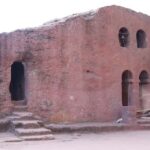
- Lalibela’s highland trekking route starts after the rock-hewn churches
- Day 1: Asheton Maryam Monastery, then into the Lasta Mountains
- Day 1: Medhane Alem Church at Atabkit, lunch with a view, then village stay
- Day 2: breakfast in the village, then the long walk back to Lalibela
- Authentic eco trekking means more than a scenic hike
- Guides in Lalibela’s highlands: Mareg, Luel, and Ababa’s role
- Price and value: what $213.77 includes, and what costs extra
- Practical tips so you enjoy the hike (not just survive it)
- Who should book this Lalibela 2-Day Eco Trek (and who might skip it)
- Should you book the Lalibela 2-Day Eco Trek?
- FAQ
- What time does the Lalibela 2-Day Eco Trekking Tour start?
- Is pickup offered, and where can the trek begin?
- What is included in the tour price?
- Is the entrance fee for Asheton Maryam Monastery included?
- Where will we stay overnight?
- How difficult is the trekking?
- Is this a private tour?
- Are service animals allowed?
- Can I cancel for a full refund?
Key things that make this Lalibela eco trek worth your time
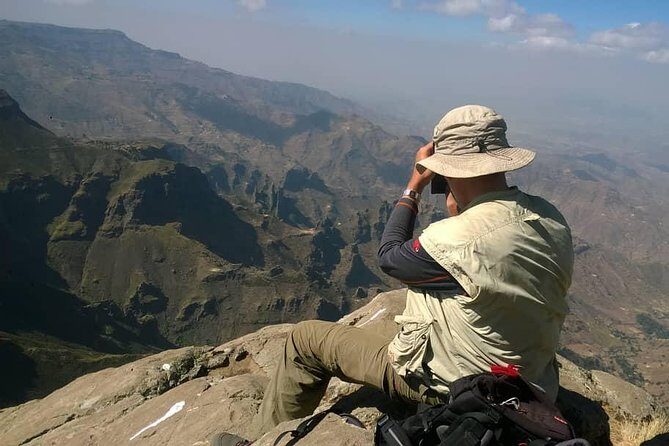
- Atabkit plateau views over Lalibela and far beyond, with a chance to spot birds in flight
- Homestay-style village time near Ad Medhane Alem, including hands-on moments with local farmers
- Day hikes with built-in food: lunch is prepared for you and brought on-route
- English-speaking guidance with strong cultural context; guides like Mareg, Luel, and Ababa are mentioned for clarity and translation
- Convenient start options: pickup, and a trek start from your hotel or even from the airport on arrival
- Luggage storage in Lalibela so you don’t carry extra weight on the trail
Lalibela’s highland trekking route starts after the rock-hewn churches
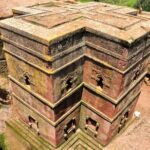
This tour is designed around your Lalibela visit. You’re not just ticking off churches; you’re using that cultural momentum to move into the Lasta Mountains. The meeting time is 7:00am, and you can be picked up, or the hike can start right from your hotel. If you’re arriving by air, you may even start the trek from the airport after you land.
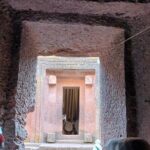
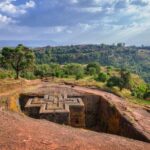
What I like here is the mental shift. Lalibela’s rock-hewn churches already feel like time travel. Then the trail adds a second layer: daily altitude, farmland, and the rhythms of highland life. If you want a trip that connects the churches to the people who live above them, this format fits.
You’ll also get a private setting—your group only—so you’re less likely to feel rushed or awkward about asking questions.
You can also read our reviews of more hiking tours in Lalibela
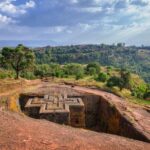

Day 1: Asheton Maryam Monastery, then into the Lasta Mountains
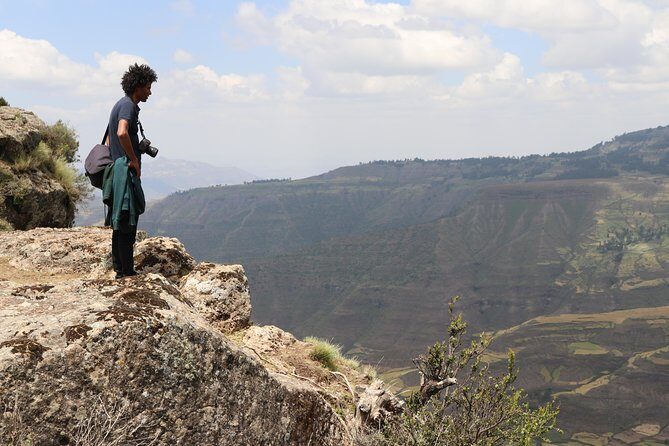
Day 1 starts with a guide and usually a smooth setup for the climb. You meet your English-speaking guide either at your hotel or at the Highland Eco Trekking office. The plan also includes a mule man, with the mule prepared so you don’t have to carry everything yourself.
If your hotel breakfast isn’t your best, the tour typically starts with a filling breakfast at a local café so you have steady energy for the morning push. This matters more than it sounds. At altitude, you want food in your stomach early so you’re not negotiating with your energy level while you’re climbing.
Stop 1: Asheton Maryam Monastery (about 3 hours).
You’ll visit the monastery area first. The entrance ticket for Asheton Maryam Monastery Church is not included, so budget for that. The tradeoff is that you get a religious and historical sight in the right order—before you’re fully committed to the mountain trek.
Practical consideration: the morning schedule is firm. If you’re easily stressed by early starts, plan your first night in Lalibela so you can sleep well and eat calmly.
Day 1: Medhane Alem Church at Atabkit, lunch with a view, then village stay
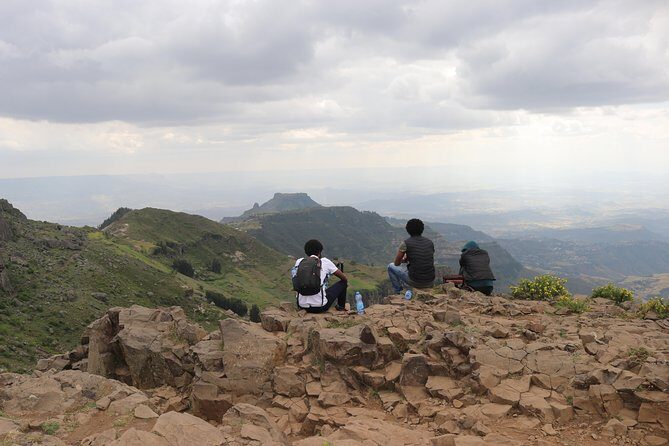
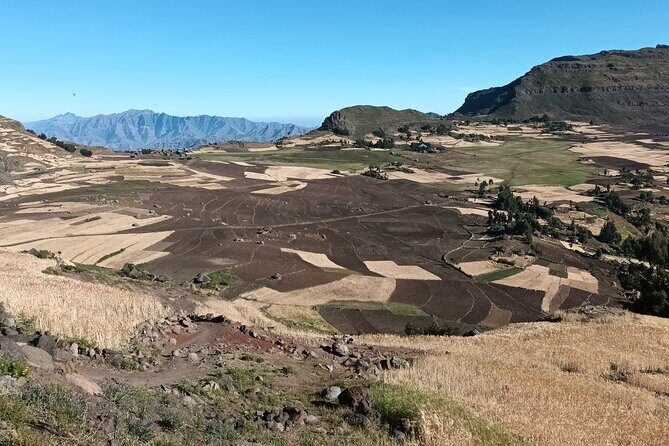
After Asheton Maryam, you move deeper into the highlands. The terrain becomes rougher and the vegetation thins out compared with the lower areas. In other words, this is when the trek starts to feel distinctly mountain—more sky, more distance, and more exposure.
Stop 2: Medhane Alem Church / Ad Medhane Alem (Atabkit).
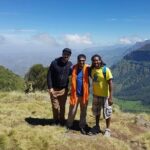
This is the key altitude-and-view segment of Day 1. You reach a plateau-like area called Ad Medhane Alem (Atabkit) at around 3600 meters. The outlook is described as wide: you can see Lalibela, and also stretch toward the Wollo land, the Gondar region, and Tigray. It’s also a good place for spotting birds, since they’re active up above the plateau.
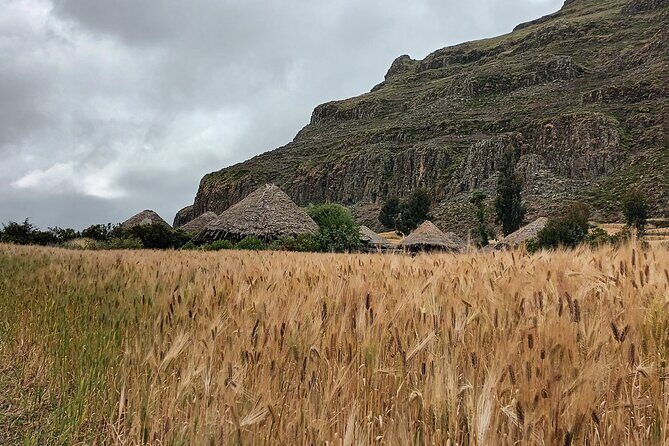
Then comes a very practical bonus: lunch is prepared by the company cook and brought to you around midday, so you’re not forced to scramble for food mid-hike. After lunch and a long break, you continue walking toward the Ad Medhane Alem village near Astabir, where you’ll stay for the night.
Why this matters: many short treks in Ethiopia are “fast sightseeing.” This one includes downtime. It gives you time to recover, take photos, ask questions, and settle into village life instead of only passing through.
What to consider: that high plateau means the weather can change quickly. Even if the day starts mild, plan for cooler conditions after you climb.
Day 2: breakfast in the village, then the long walk back to Lalibela
Day 2 begins after breakfast. Your things are gathered, and you start walking back toward Lalibela. The return walk is about 5 hours, with chances to pause for views and animals along the way.
The route is timed so that you typically reach Lalibela around 4-ish in the afternoon. This is a helpful finish line: it leaves enough time for you to regroup in town, clean up, and enjoy a final meal without needing to rush immediately to the next transport.
If you like treks that feel more like a journey than a series of photo stops, Day 2 tends to be the calmer arc. You’re already accustomed to the rhythm from Day 1, and you’re focused on descending back into familiar surroundings.
Authentic eco trekking means more than a scenic hike
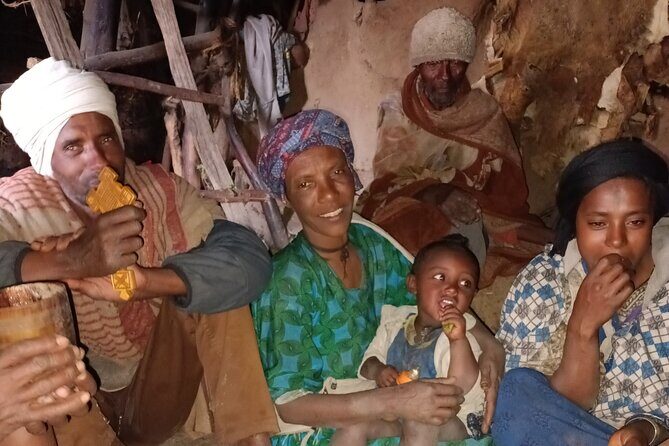
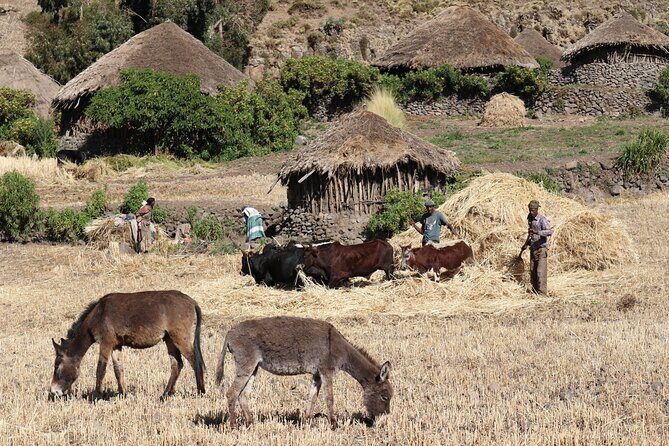
The best thing about this tour is the way it connects the trail to daily life. You meet local highlander farmers, and you can stay in their village so you see their way of life instead of only hearing about it. You may even take part in daily activities during your stay—exact details can vary, but the goal is hands-on rural connection.
One standout from guide-led experiences here is the cultural explanation. Guides such as Mareg and Luel are specifically noted for sharing detailed context about the area and the host family, and for translating when needed so you understand what you’re seeing instead of just watching.
Also, at least one version of the experience includes a school visit, which adds a grounded, human note to the trek. If that kind of community interaction is your favorite part of travel, you’ll likely appreciate the way this itinerary is structured around relationships rather than only scenery.
Small reality check: eco trekking still means walking. It’s not a luxury lodge stroll. If you prefer comfort over contact, you might find the village stay challenging. But if you want that “I met people and learned how life works here” feeling, this route is built for you.
A few more Lalibela tours and experiences worth a look
Guides in Lalibela’s highlands: Mareg, Luel, and Ababa’s role

In a place like Lalibela, a guide can make or break your understanding. Here, the praise is consistent: the guides called out by name—Mareg, Luel, and Ababa—are described as having strong English and clear knowledge of both the churches and the surrounding culture.
There’s also an important practical element: translation and communication support. When your guide can explain what you’re looking at—why a monastery matters, what local life looks like, how farming works—you spend more time learning and less time guessing.
If you’re considering booking and you care about good explanations, look at this tour as much for the guide team as for the trail itself.
Price and value: what $213.77 includes, and what costs extra
At $213.77 per person for about 2 days, this price looks fair when you consider what’s bundled. Included items cover most of the real expenses for a short trek:
- English-speaking guide
- Breakfast, dinner, and lunch (2 lunches)
- Accommodation during the village stay period
- Snacks
- Bottled water
- Coffee and/or tea
- All activities on the trek, including interaction with farmers
- Possibility to safely store not needed luggage in Lalibela in the office
- Mobile ticket is part of the process
The one notable extra is the entrance fee for Asheton Maryam Monastery Church, which is explicitly not included.
My take on value: you’re paying for more than a walk. You’re paying for food carried and/or prepared, nighttime lodging, a guide, and structured time with local families. If you tried to DIY this without local logistics, the cost would likely creep upward quickly once you add guiding, meals, and safe coordination.
Practical tips so you enjoy the hike (not just survive it)
This trek is listed as needing moderate physical fitness. That’s a useful label: you don’t need to be an athlete, but you do need to be comfortable walking for hours in upland terrain and keeping a steady pace.
Here are the smart, low-drama moves that match the itinerary you’ll be following:
- Start strong on Day 1. The plan meets at 7:00am, and lunch is later, so eat what’s offered and hydrate early.
- Dress for altitude changes. At around 3600 meters near Atabkit, mornings and breaks can feel cooler than you expect.
- Pack light. The trek includes support via mule and luggage storage back in Lalibela, so don’t bring a carry-on worth of stuff.
- Plan for the monastery fee. Asheton Maryam’s entrance ticket isn’t included.
- Expect a real village pace. If you’re hoping for constant comfort and private bathrooms, you might feel friction. If you’re open to simple village living, it’ll feel more meaningful.
Who should book this Lalibela 2-Day Eco Trek (and who might skip it)
This is a strong fit if you:
- want a short trek that still includes village life
- like learning from guides who can explain culture and churches
- prefer a structured itinerary with meals, breaks, and local interaction
- don’t mind waking early and walking for multiple hours
It might not be the best fit if you:
- hate early starts or you’re only comfortable on flat terrain
- want zero cultural involvement and purely scenic stops
- have very limited flexibility with cooler temperatures at altitude
Should you book the Lalibela 2-Day Eco Trek?
I’d book it if your Lalibela trip includes more than church photos. The big value is the mix: monastery + plateau viewpoint + highland village stay + guided context. It’s also priced so that the included meals and accommodation feel like part of the deal, not an upsell.
If you’re undecided, ask yourself one question: do you want the trail to connect you to people, or do you mainly want views? This tour is clearly built for connection.
If you’re the connection type, this is a great way to turn Lalibela from a sightseeing town into a place you actually understand a little better.
FAQ
What time does the Lalibela 2-Day Eco Trekking Tour start?
The tour start time is 7:00am.
Is pickup offered, and where can the trek begin?
Yes, pickup is offered. The hike can start in front of your hotel in Lalibela, or on the airport after your arrival.
What is included in the tour price?
The tour includes breakfast, dinner, accommodation, snacks, bottled water, coffee and/or tea, lunch (2), an English-speaking guide, and the on-trek activities including time with farmers. It also includes the option to store not needed luggage in Lalibela at the office.
Is the entrance fee for Asheton Maryam Monastery included?
No. The entrance ticket for Asheton Maryam Monastery Church is not included.
Where will we stay overnight?
You’ll stay in the village area near Ad Medhane Alem (near Astabir) for the night.
How difficult is the trekking?
The tour is suitable for people with moderate physical fitness.
Is this a private tour?
Yes. It’s private, meaning only your group participates.
Are service animals allowed?
Yes, service animals are allowed.
Can I cancel for a full refund?
Yes. Cancellation is free up to 24 hours in advance of the experience’s start time for a full refund. If you cancel less than 24 hours before, the amount paid isn’t refunded.