REVIEW · LALIBELA
Full Day Tour To The 11 Rock Hewn Churches Of Lalibela
Book on Viator →Operated by Highland Eco Trekking Tours Ethiopia · Bookable on Viator
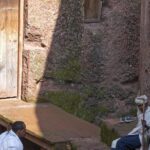
Lalibela’s churches aren’t built on a hill. They’re built into it, and that changes how you feel the whole town. This full-day tour connects you to the rock-hewn churches of Lalibela with a structured route through two church clusters, plus a visit to a local family stop and a traditional coffee ceremony.
What I like most is the way the day is paced around actual church hours, including a noon-to-2 pm lunch break when the churches close. I also like that you get an English and Amharic speaking local guide, with service from guides who are known for clear explanations and real care—like Abeje Mengesha, who’s repeatedly praised for being friendly and answering questions.
The one drawback to plan for: the stated price does not include the entrance fee. You’ll need to budget that extra $100 USD if you want to see the churches.
In This Review
- Key Things to Know Before You Go
- Why Lalibela’s Rock Churches Don’t Feel Like Sightseeing
- Getting There: Transfers, Shared Car, and a Smooth Start
- North-western Cluster: Five Churches That Set the Tone
- Noon to 2 pm: The Church Closure and the Lunch Reset
- South-eastern Cluster: Five More Churches, More Context
- Bet Giyorgis: Ending With Saint George’s Tribute
- Coffee Ceremony + Local Family House: The Part Most People Skip
- Price and Value: What You Pay vs. What Costs Extra
- Group Size, Timing, and Your Comfort Level
- Who This Tour Fits Best
- Should You Book This Full-Day Lalibela Churches Tour?
- FAQ
- How long is the Full Day Tour To The 11 Rock Hewn Churches Of Lalibela?
- What’s included in the price?
- Is the entrance fee included?
- Where does the tour start and end?
- How many people are in the group?
- Is free cancellation available?
Key Things to Know Before You Go
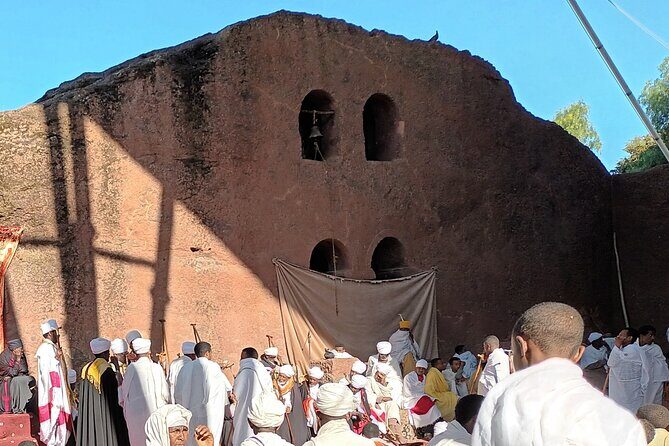
- 11 rock-hewn churches in one day, split between the North-western and South-eastern clusters
- A scheduled lunch break from noon to 2 pm when churches close
- Local guide in English and Amharic, with the kind of storytelling that makes the stone feel personal
- Coffee ceremony + local family house visit, so you get beyond monuments and into daily life
- Small group size (maximum 12), which helps the guide manage timing and questions
- Entrance fee not included ($100 USD), so your true cost is higher than the tour price
Why Lalibela’s Rock Churches Don’t Feel Like Sightseeing
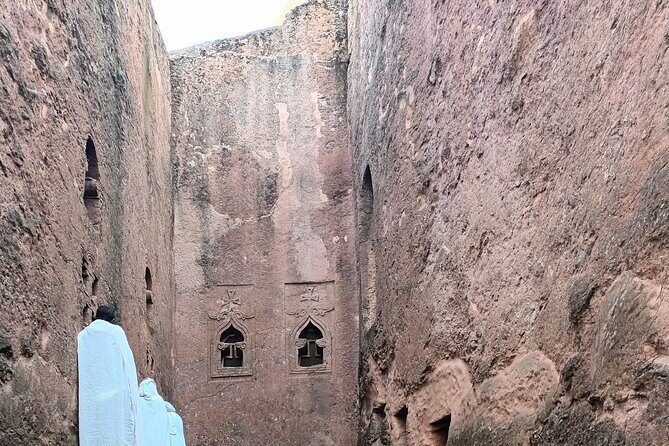
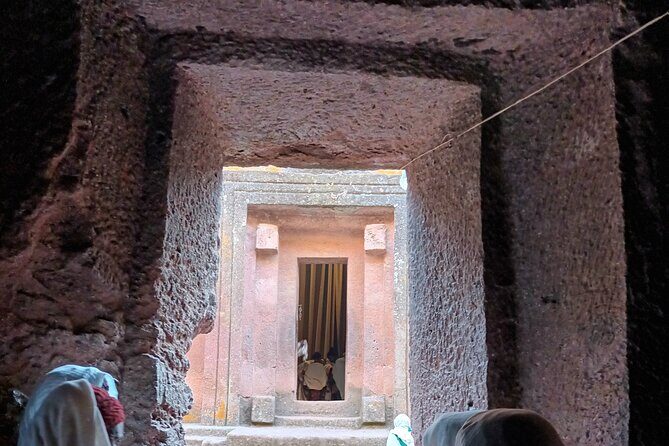
If you’ve visited big-ticket churches in Europe, you’ll know the feeling: you walk in, you look up, you move on. Lalibela is different. These churches are carved from rock, and the walls carry the marks of the effort—stone cut with intention, then shaped to hold worship, light, and community.
This tour works because it treats Lalibela like a lived place, not a checklist. You don’t just “see churches.” You learn how the town is organized and why pilgrims and locals keep returning to these specific sites. And since you’re guided through clusters, you get a sense of the geography instead of wandering in circles like a confused tourist in sandals.
A few more Lalibela tours and experiences worth a look
Getting There: Transfers, Shared Car, and a Smooth Start
The day is built for you to arrive without handling every piece of logistics yourself. If you’re coming through the airport, you’re met and escorted, and you’ll head to your hotel in a shared car before you check in and connect with the tour. In other words, the start is designed to reduce friction, especially if it’s your first day in Ethiopia.
You’ll also have city transfers from the provider, and the experience includes pickup offered. There’s even a mobile ticket, which can save time at the start. Small things like that matter in Lalibela, where timing is everything.
The meeting point is Highland Ethiopia Tours, Shimberema, Lalibela, and the tour ends back there when you’re done. That keeps the day from turning into a “drop-off and figure it out” situation.
North-western Cluster: Five Churches That Set the Tone
Your church day begins with the North-western Cluster, which includes 5 rock-hewn churches. This is the part of the route that helps you understand what you’re looking at before the pace speeds up later in the afternoon.
In practical terms, the morning is when your eyes are freshest for details: carved doorways, sculpted interiors, and how each church’s shape relates to the rock around it. When a guide is with you here, the explanations become part of the visit instead of an added lecture on the side. The goal is to help you connect the physical layout to the spiritual purpose.
A strong guide can also make the early part easier for first-timers. Lalibela can feel overwhelming at first because everything is ancient and close together. A good run-through in the morning helps you get your bearings fast.
Noon to 2 pm: The Church Closure and the Lunch Reset
From noon until 2 pm, the churches close for lunch break. Your tour plan respects that rhythm, and that’s not a small detail. It changes your day from frantic to manageable.
During this window, you’re taken to a restaurant in town for lunch. The practical value here is simple: you’re not stuck hunting food with a tired guide and a dwindling group. You can eat, regroup, and come back with energy for the second cluster.
If you like photographing at golden hour, this break might feel like a pause in momentum. But honestly, it’s also a good moment to hydrate and rest. Stone churches demand attention, and attention takes energy.
South-eastern Cluster: Five More Churches, More Context
After lunch, you continue to the South-eastern Cluster, again with 5 churches. The afternoon route is where the trip starts to click: you see the patterns in the carving, and you feel how the town’s layout supports pilgrimage and worship.
This part of the tour tends to be rewarding if you’re the type who enjoys comparisons. You’ll likely notice differences in design and how each church’s form shapes light inside. And because the morning built your base understanding, you can follow along without feeling lost.
Also, a local guide’s explanations really land in the afternoon. It’s easy to listen at the start, but it’s harder to stay focused later. When the guide keeps things clear, the second half stops being just “more of the same” and starts feeling like a full story told in order.


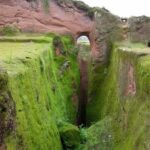

Bet Giyorgis: Ending With Saint George’s Tribute
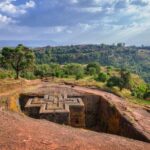
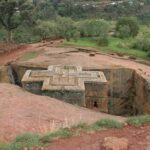
Finally, your day includes Bet Giyorgis, often described as the most famous church in Lalibela, built as a tribute to Saint George. If you want a visual payoff at the end, this is it.
This stop works well as a closer because it brings a named centerpiece into the route. By the time you reach it, you’re not just seeing another carved church. You’re arriving with context for why these places matter and how the town’s religious identity shows up in stone form.
If you’re short on patience, Bet Giyorgis can be the reason you kept going. If you’re the thoughtful type, it’s the moment where the artistry and devotion line up in your mind. Either way, it’s a strong final anchor for a long day.
Coffee Ceremony + Local Family House: The Part Most People Skip
Not every tour includes time with local daily life, but this one does. Along the way, you’ll visit a local family house and experience a coffee ceremony.
I like this kind of stop because it slows the whole day down. Churches are big and dramatic. A family house and coffee ceremony remind you that Lalibela is not only heritage. It’s a community with routines, conversations, and hospitality.
Even if you don’t speak Amharic, you’ll likely feel how the coffee ritual frames connection. The best part is that it gives your guide a chance to talk beyond architecture. And from the praise you’ll find for guides—especially people like Abeje Mengesha—the conversation style can be warm and personal, not just instructional.
Price and Value: What You Pay vs. What Costs Extra
The tour price is $82.05 per person, which sounds reasonable for a full-day guided visit with transfers, interpretation, and local experiences. But here’s the math you should plan for: the entrance fee is $100 USD and not included.
So your realistic total is closer to $182.05 USD before any optional spending like lunch. That still may be good value if you care about a guided route through 11 churches plus the coffee ceremony and family house visit. Without a structured plan, you’d likely spend time figuring routes and translation yourself, and time in Lalibela is not cheap when you’re traveling.
Also, the tour offers small-group service (max 12). For places where timing matters, that can be worth something. A quieter group means fewer bottlenecks and less rushing.
Group Size, Timing, and Your Comfort Level
With a maximum of 12 travelers, the day is designed for a more controlled pace than big bus tours. That’s helpful when you’re moving between clusters and stopping for explanations.
The biggest timing reality is the 12–2 pm closure. If you’re the type who insists on “seeing everything at all costs,” you might feel irritated by the break. But if you want a day that fits how the churches actually function, the schedule is a win.
Comfort-wise, you should expect a long stretch of time outdoors and in and around church sites. Build in patience and water habits. You’re here for the stone and the meaning, so plan your day like a pilgrimage: steady pace, not sprint.
Who This Tour Fits Best
This is a strong match if:
- you want to cover both church clusters in one day without planning routes yourself
- you care about interpretation—not just photos
- you like tours that add a local coffee and family visit instead of ending at the next monument
It’s also a good option for solo travelers who want a human connection. One recurring theme in guide praise is that guides like Abeje Mengesha can make the experience feel like you’re being looked after, not just scheduled.
If you’re traveling with limited time, this full-day format is practical. If you have a longer stay, you might also consider adding additional days with the same guide style, because the best part isn’t only the churches—it’s the way the guide connects the town to Ethiopia.
Should You Book This Full-Day Lalibela Churches Tour?
I’d book it if you want a guided, structured day that covers 11 churches and still leaves room for local life. The combo of transfers, a guide who can explain in English and Amharic, and stops like the coffee ceremony makes it feel like more than a sightseeing drive-by.
But I’d also go in with clear budgeting. The tour price is only part of the total because the $100 USD entrance fee is separate. Also, plan your expectations around the noon-to-2 pm closure, so you don’t spend that time hungry or irritated.
If you’re the type who likes learning while you walk, and you want a day that feels organized rather than chaotic, this is a solid pick.
FAQ
How long is the Full Day Tour To The 11 Rock Hewn Churches Of Lalibela?
The duration is about 10 hours.
What’s included in the price?
The tour includes city transfers, from/to airport transfer, an English and Amharic speaking local tour guide, a visit to a local family house, and a coffee ceremony. It also includes a mobile ticket.
Is the entrance fee included?
No. The entrance fee is $100 USD and is not included.
Where does the tour start and end?
It starts at Highland Ethiopia Tours, Shimberema, Lalibela, Ethiopia and ends back at the meeting point.
How many people are in the group?
The maximum group size is 12 travelers.
Is free cancellation available?
Yes. You can cancel for a full refund up to 24 hours in advance of the experience’s start time. If you cancel within 24 hours, the amount paid is not refunded.