REVIEW · LALIBELA
Visit the rock hewn churches
Book on Viator →Operated by Happy Day Ethiopian Tours · Bookable on Viator
Lalibela feels unreal before breakfast. I love how this tour sets up door-to-door A/C transport and gets you to the UNESCO rock-hewn churches early, when the day feels more manageable. The only real drawback is the 1:30 am airport start, so this is not a sleep-in kind of plan.
I also like the pacing. You’ll see one set of churches until 12:30, then lunch, then the rest of the complex through 5:00, at an unrushed tempo that leaves room to look closely instead of rushing photo stops. With a small group capped at 10 and guides such as Happy (also known as Desale) or Temesgen, you get the kind of context that helps the stonework and layout make sense.
You’ll also get a peek at local markets and everyday life in the Ethiopian highlands, so the day feels connected to real people, not just a checklist of monuments.
In This Review
- Key highlights at a glance
- The 1:30 am Lalibela start: why it matters
- Entering the rock-hewn churches: what you’ll experience
- UNESCO context that actually helps you look
- The split schedule: morning churches, lunch, then the rest
- Local markets and everyday highland life
- Comfort and control: the A/C vehicle and small-group cap
- Price and value: what $165 really covers
- Who this tour suits best (and who should think twice)
- What to do before you go: make the day smoother
- Should you book this Lalibela churches tour?
- FAQ
- How long is the Lalibela rock-hewn churches tour?
- What time does the tour start?
- Does the tour include pickup and drop-off?
- How many people are in the group?
- Is admission included for the churches?
- What is the cancellation policy?
Key highlights at a glance
- Very early start with a named pickup at Lalibela Airport so you can hit the churches first
- Split-day timing: churches until 12:30, lunch, then more until 5:00
- Small group capped at 10 for a calmer, more personal feel
- UNESCO context from a guide (often Happy/Desale or Temesgen) to help you read the complex
- A/C vehicle and door-to-door transfers to reduce hassle in transit
The 1:30 am Lalibela start: why it matters

This tour starts when most people are still dreaming. Pickup begins at Lalibela Airport at 1:30 am, and Lalibela Airport sits about 25 kilometers from town, so the early departure isn’t just a gimmick. It’s about getting into the church sites while the day feels fresher, calmer, and easier to take in.
The practical bonus: a driver meets you with your name, and you ride in an A/C vehicle with a dedicated driver. That’s a big deal in Lalibela, because you’re not spending your precious daylight wrestling with transit logistics. The plan is set up so you can focus on the sights.
One thing to consider: this is a long day that begins at an hour that will mess with your routine. If you’re the type who hates early mornings, take that seriously. Bring the right mindset, and you’ll be rewarded with a smoother route and less pressure.
You can also read our reviews of more tours and experiences in Lalibela.

Entering the rock-hewn churches: what you’ll experience

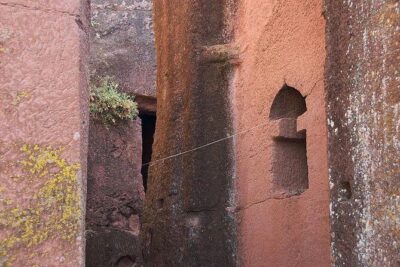
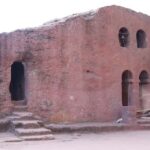
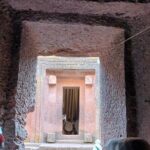
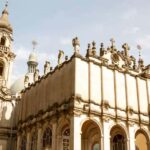
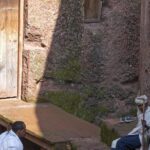
Lalibela’s rock-hewn churches are famous for a reason. They’re carved into the earth and rock in a medieval complex that UNESCO recognizes, and walking around them feels like moving through architecture that was built into the landscape rather than laid on top of it.
On this tour, you don’t just park and sprint. You spend part of the day seeing one set of churches until 12:30, then after lunch you continue with the rest of the complex until 5:00. That structure matters because it gives your brain time to adjust. The first places you visit help you get your bearings—layout, entrances, sight lines—so later on you can look with more understanding.
You’ll also notice that the churches aren’t only about buildings. The experience includes context that helps you interpret the stonework and the way the complex is arranged. The guides associated with Happy Day Ethiopian Tours—many people meet Happy (also called Desale), and some tours are led by Temesgen—are praised for being friendly, punctual, and easy to talk to in English. That makes a difference because when you’re standing in front of carved details, a few good explanations can turn guessing into clarity.
UNESCO context that actually helps you look
A big reason people love this tour is the way the guide turns the visit from scenery into something you can understand. You’re not just hearing dates and titles—you’re getting the kind of on-the-ground explanations that help you notice what to pay attention to.
For instance, guides like Happy/Desale are known for being good-humored and flexible, and English communication is described as very helpful. That sounds small, but it matters when you’re trying to connect what you’re seeing with the religious and historical setting of the sites.
Temesgen is also mentioned as delivering a strong guided church experience. The pattern you’ll notice in these comments is consistent: people feel taken care of, and they leave with a stronger sense of what they saw and why it’s significant.
If you enjoy conversations—asking questions, listening to stories, and learning how locals view the churches—this is a tour style that fits. The pace gives you time to do that without feeling trapped in a rigid script.
The split schedule: morning churches, lunch, then the rest
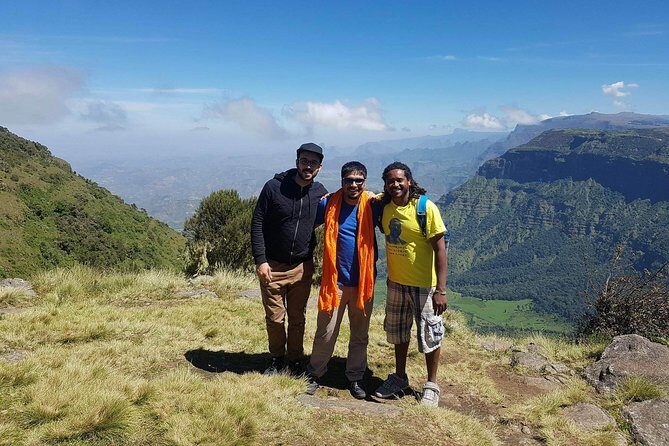
The day is structured in two chunks, and it’s smart. You’ll explore churches through 12:30, take a break for lunch, then continue through the rest until 5:00.
Why this works for real life:
- The morning gives you a concentrated start. You see a group of churches first, get your bearings, and build momentum.
- Lunch helps you reset rather than trying to power through.
- The afternoon feels less like your eyes are closing and more like you’re still curious, still noticing.
There’s also a human side. An unrushed schedule means you’re less likely to feel like you’re being dragged. Rock-hewn sites reward patience; if you rush, you miss the details that make them special.
One more practical note: since you start extremely early, you’ll be thankful for the lunch break. It turns the day from endurance into sightseeing.
Local markets and everyday highland life

One of the best parts of Lalibela is that the churches sit inside a living town. This tour includes time to see local markets and get a peek at everyday life in the Ethiopian highlands.
This doesn’t turn the day into a shopping spree. Think of it as a rhythm check: you connect the monumental churches to the routines around them—where people go, what they do, how they move through the day.
It’s also a nice counterweight to long hours of stone and architecture. After spending time reading carved structures, market time brings you back into the scale of daily life.
If you like to eat and drink like a local, ask your guide for what to try. A popular tip shared by people who’ve toured with Happy Day Ethiopian Tours is tej, a honeymead-style drink. Even if you don’t plan to sample it, asking the guide what’s worth trying is a fun way to feel more plugged in.



Comfort and control: the A/C vehicle and small-group cap

This tour is built around comfort and reduced friction. You get transport in an A/C vehicle with a driver, and the tour is set up with hotel or airport pickup and drop-off. That door-to-door approach matters more than it sounds, especially in a place where you don’t want to lose time figuring out logistics.
Group size is capped at 10 people, which gives it a more personal feel than big-bus tours. In a small group, it’s easier for a guide to adjust—answer questions, handle timing, and keep the day from feeling like a production line.
Another detail that sounds minor but helps: you get a mobile ticket. That reduces the amount of paper you have to manage, and it keeps check-in simpler when you’re heading out early.
The overall vibe here is practical. You’re not paying for the bus ride to feel fancy. You’re paying so you can get to the churches comfortably and spend your energy on what matters.
Price and value: what $165 really covers

At $165 per person, you’re paying for more than a “church visit.” You’re paying for:
- a guided experience through a UNESCO-listed medieval complex
- A/C transport between sites
- airport pickup and drop-off, plus hotel or airport transfers
- a small-group setting (max 10)
- a mobile ticket and confirmed booking process
Is it a bargain? Not exactly. But in Lalibela, the value is in the package. You avoid the cost and hassle of arranging separate transport plus a guide plus timing yourself at an early hour. When a tour includes pickup, transport, and guidance, you’re also buying back energy. That matters because this is a long day starting at 1:30 am.
A quick way to judge fit: if you already have a guide arranged and transport solved, the tour might feel pricey. If you don’t, this kind of bundled logistics can be worth it, because it lowers the chance of wasted time or missed timing.
Also, this is commonly booked about 110 days in advance, which is a hint of demand. If you have a firm travel window, don’t wait too long.
Who this tour suits best (and who should think twice)
This tour is a strong match if:
- you want a guided experience with clear context for the church complex
- you like small groups and don’t want to feel herded
- you want A/C comfort and a driver to handle the routes
- you’re okay with an early start and a full day from near-dark to late afternoon
You might think twice if you:
- dislike extremely early mornings
- hate long days with limited breaks (you do get lunch, but it’s still a full schedule)
- prefer total independence, where you choose every stop and pace yourself with no guide structure
If you’re traveling with friends or you want a calm, organized day that still feels personal, this setup is ideal. Many people also appreciated that guides like Happy/Desale are friendly and easy to communicate with, and they’re often described as punctual.
What to do before you go: make the day smoother
Since the start time is 1:30 am, you’ll benefit from planning the night before. Set yourself up so you’re not scrambling for the right bag at midnight.
Bring what you’ll want for a long day: a light layer for early hours, something for the sun, and comfortable footwear for the church paths. Rock-cut churches can involve lots of walking and stairs, so prioritize grip and comfort.
Also, your guide can help you get the most out of the day. If you have questions—about carvings, layout, or what you’re seeing—ask. This tour’s value is that the guide’s explanations turn the visit from seeing into understanding.
And if your travel dates line up with major Ethiopian Orthodox celebrations, guides associated with this company have experience taking people to key church moments at the right times. That doesn’t mean it’s guaranteed on every date, but it’s the kind of context-oriented strength a good guide brings.
Should you book this Lalibela churches tour?
I’d book it if you want a well-run day that handles transportation and timing for you, with a small group and a guide who can explain what you’re seeing. The early start is the big tradeoff, but it’s also the reason the schedule feels structured and less rushed.
Skip it if you need late mornings, or if you’re determined to do Lalibela entirely on your own. But if you’re looking for an efficient, guided, door-to-door way to experience Lalibela’s rock-hewn churches, this tour fits nicely.
FAQ
How long is the Lalibela rock-hewn churches tour?
It runs about 7 hours.
What time does the tour start?
The start time is 1:30 am.
Does the tour include pickup and drop-off?
Yes. Pickup and drop-off are included, with options for hotel or airport pickup.
How many people are in the group?
The tour is limited to a maximum of 10 travelers.
Is admission included for the churches?
The tour info indicates the admission ticket is free for the church visit.
What is the cancellation policy?
You can cancel for a full refund if you cancel at least 24 hours before the experience’s start time.