REVIEW · LALIBELA
Trekking in Ethiopia’s Lalibela Wollo Highland 4 Days / 3 Nights
Book on Viator →Operated by Extraordinary Ethiopia Tours · Bookable on Viator
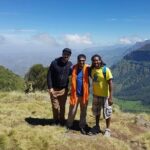
Footpaths in Ethiopia teach faster than any museum. This 4-day Lalibela Wollo Highland trek has you driving to Flakit, then walking between villages with stops at local guest houses. I especially like the chance to eat and sleep in community guest houses, not just pass through. One thing to consider: the schedule is hike-heavy (often around 3 hours), and the operator says good weather is required.
I also love the way the trail climbs to 2,820 meters at Mekuat Maryam, then pushes you toward Meskel for bird-watching and a real shot at seeing the endemic Gelada baboon. With a guide like Maereg, you get more than footwork—you get context for what you’re seeing, day by day.
In This Review
- Key highlights you should care about
- Why this trek turns Lalibela into walking Ethiopia
- Day 1: Lalibela to Flakit and Mekuat Maryam at 2,820 meters
- Day 2: Meskel birds, Gelada baboons, and the walk to Wajela
- Day 3: Gala Dejen to Aterow and the rhythm of highland walking
- Day 4: the wrap-up back to Lalibela
- Price and value: what $500 per person really includes
- Meals, transport, and the pace you should expect
- Getting your head right: fitness, altitude, and weather reality
- Responsible trekking: seeing communities without turning it into a show
- Who should book this trek
- Should you book it
- FAQ
- What are the dates for this trek?
- Where does the trek start?
- What time does it start?
- What is included in the price?
- What is not included?
- Is this a private tour?
- How long is the drive on Day 1?
- How high is Mekuat Maryam?
- What wildlife might I see?
- What happens if weather is bad?
- Is cancellation free?
Key highlights you should care about
Community guest houses, not tourist-only lodging — dinners and stays are built around local life.
Mekuat Maryam at 2,820 meters — a specific altitude goal on a promontory with big plateau views.
Meskel wildlife moment — birds plus a chance to spot Gelada baboons.
Meals and snacks included — breakfast, lunch, dinner, and snacks are part of the package.
Private tour with your group — you’re not mixed into a big crowd.
Why this trek turns Lalibela into walking Ethiopia
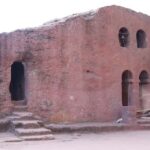
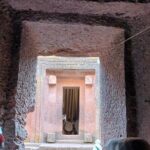
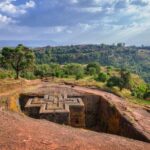
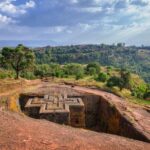
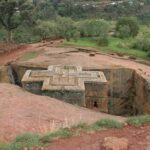
Lalibela is famous for churches cut into rock, but this experience shifts your attention from stone to people and terrain. You’re in the Wollo highlands on foot, moving between villages and community guest houses while the landscape does the storytelling.
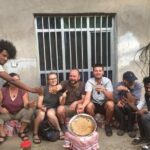
The best part for me is how the trip is built around community interaction, not a drive-by. You spend time eating locally and walking alongside daily routines that don’t change just because you arrived with a camera.
The balance here is real: you do get scenic highland walking, but the pace is also shaped by people’s homes, guest house schedules, and trail-to-meal timing. That means the days feel grounded, even when you’re hiking at altitude.
You can also read our reviews of more hiking tours in Lalibela

Day 1: Lalibela to Flakit and Mekuat Maryam at 2,820 meters
You start at 10:00 am from Lalibela Airport (XXHM+6MG, Girany Amba). There’s a two-hour drive to Flakit, which helps you ease into the day rather than starting the hike straight off the road.
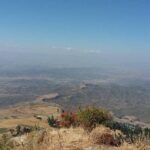
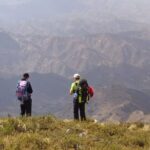
Lunch is at Warkahye. Then you hike about 3 hours to the first major site: Mekuat Maryam. This stop is set on a promontory of the plateau and sits at 2,820 meters above sea level. That altitude matters because you’ll feel it in breathing and legs, especially if you’re new to trekking in higher regions.
Mekuat Maryam is also a good “orientation” day. You’re not just walking—you’re seeing how highland geography shapes where people build, farm, and travel. At the end of the hiking, you’ll have dinner at a community guest house, which keeps the day from becoming a long, tiring transit loop.
One practical note: at 2,820 meters, your body may ask for slower steps. You don’t need to sprint; you need to keep moving steadily, drink when you can, and let your breathing settle.
Day 2: Meskel birds, Gelada baboons, and the walk to Wajela
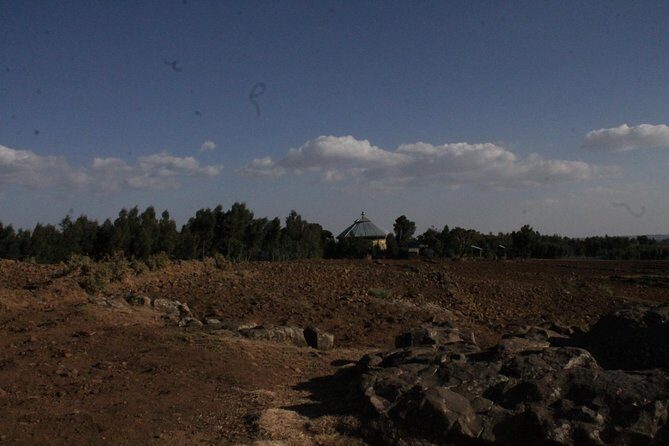
Day 2 starts with breakfast back at the Mekuat community guest house. Then it’s another hike of about 3 hours to Meskel, which is where the day’s wildlife focus comes in.
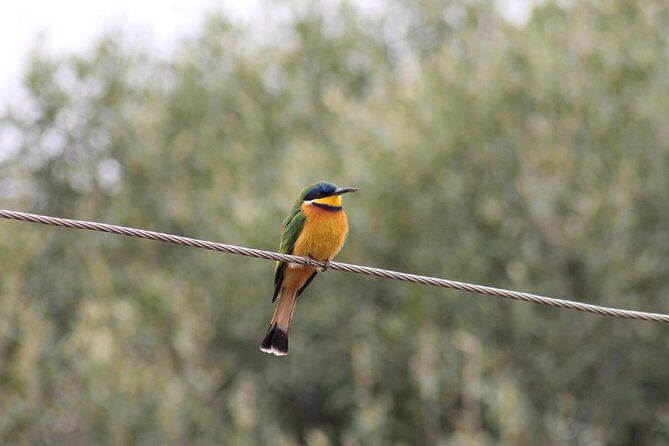
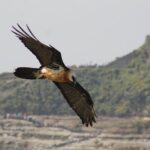
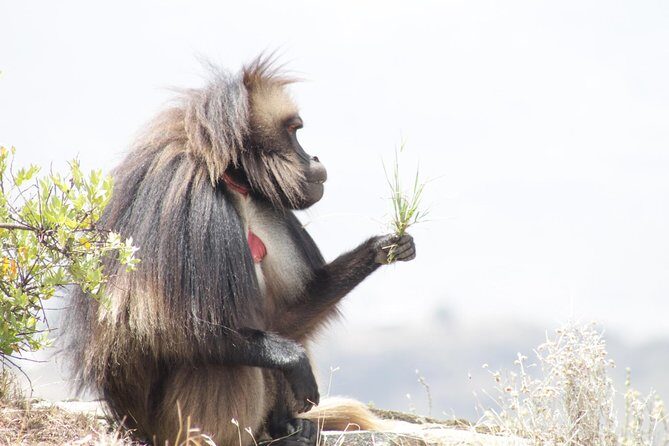
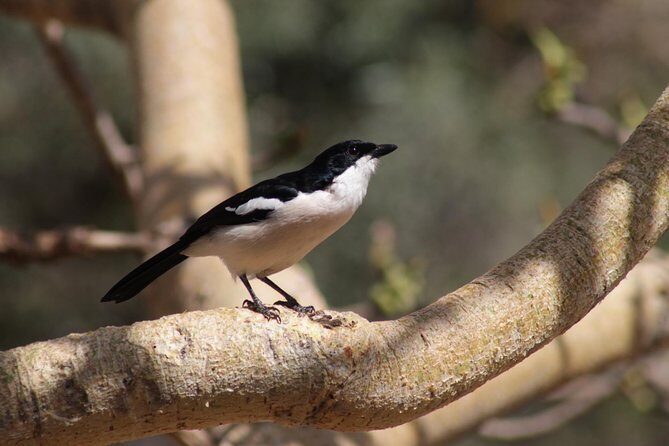
At Meskel, you’ll have a chance to see different types of birds and the endemic Ethiopian mammal called the Gelada baboon. You’re not guaranteed animals on any trek, but this is one of the clearest wildlife cues in the itinerary—and it’s timed for the location, not just a random stop.
Lunch happens at Meskel. After that, you trek around 2.5 hours to Wajela. Dinner is at the Wajela community spot, noted for beautiful acacia trees. That may sound like a small detail, but in a place where the route can be dusty and steep, a calm dinner setting under trees helps the day feel complete.
For you, this is a great day if you like a mix of goals: movement, then a named place for birds, then a quieter finish. It’s also a day where your guide’s pacing really helps, because you’re doing two separate efforts—Meskel first, then the push to Wajela.
Day 3: Gala Dejen to Aterow and the rhythm of highland walking
Breakfast starts at the Wajela community guest house. Then you hike for about 3 hours to Gala Dejen, followed by lunch at Gala Dejen.
After lunch, you continue hiking another 3 hours to Aterow. This is a classic trekking rhythm day: hike, reset with food, then hike again. Even without a long list of stops, it’s the kind of day that lets you feel the trail under your shoes and understand why people travel these routes for daily life.
Because the provided day-by-day details don’t go further than the walk to Aterow, you should think of Day 3 as the “late-stage” push—getting you deep into the trek before the final day wraps up.
What I like about this structure is that it keeps expectations clear. You know the walking blocks and the named places, so you’re not guessing what each hour is for.
Day 4: the wrap-up back to Lalibela
This itinerary is listed as 4 days (about 3 nights), and the activity ends back at the meeting point in Lalibela. So Day 4 is your return and finish.
If you’re planning around the trek, treat Day 4 as a “travel day,” not a second sightseeing day. You’ll want to plan lighter commitments afterward, since you’ve already spent multiple days hiking and adjusting to elevation.


Price and value: what $500 per person really includes
At $500 per person, the value comes down to what you’re buying beyond just walking.
The package includes:
- Breakfast, lunch, dinner, and snacks
- Private transportation
You also get a private tour/activity, meaning it’s just your group. That can matter in places where travel time is real, because it avoids the slowdowns that come with shared pickups and mixed schedules.
What’s not included is also clear:
- Alcoholic beverages
- Bottled water
That matters because you’ll want to plan for hydration. Snacks are included, so you won’t be scrambling for food mid-hike, but you should still expect water logistics to be your job (or your guide’s, depending on how they handle refill options on the ground).
Now the less obvious value piece: this trek is community-focused. When a trip is built around local guest houses, your money supports the places you sleep and eat—not just the driver’s time and the fuel in the car.
Meals, transport, and the pace you should expect
Meals are part of the design. Breakfast happens before each day’s hiking block, and lunch is scheduled at or near key points like Warkahye, Meskel, and Gala Dejen. Dinner is consistently tied to community guest houses, including the end of Day 1 at Mekuat Maryam’s community area and Day 2 at Wajela.
Food here is described as simple in tone, which is exactly what you want on a trek like this. You’re not chasing fine dining; you’re eating enough fuel for walking and you’re doing it in the place you’re visiting.
Transport is private and included, which helps you keep the trek days from turning into airport-style transfers. Still, you’ll have driving time on Day 1, and then the return at the end.
The pace is outdoors-first. Expect long stretches on foot, with hiking durations like 3 hours repeated across multiple days, plus a 2.5-hour leg on Day 2. If you’re comfortable with day hikes and you can keep a steady rhythm, you’ll likely do fine.
Getting your head right: fitness, altitude, and weather reality
Two parts of this trek deserve respect: elevation and weather.
Elevation shows up immediately on Day 1 at 2,820 meters. Even fit hikers can feel it if they jump too fast into steep terrain. The best strategy is boring and effective: slow down, breathe steadily, and stop often enough to keep your legs from tightening.
Weather is another big one. The operator notes the experience requires good weather, and if it’s canceled due to poor weather, you’ll be offered a different date or a full refund. That flexibility is useful in Ethiopia’s highland conditions, where clouds, rain, or mist can change how comfortable trails feel.
In other words: pack for a trek, not for a flat city walk. Layers matter, sun matters, and shoes matter.
Responsible trekking: seeing communities without turning it into a show
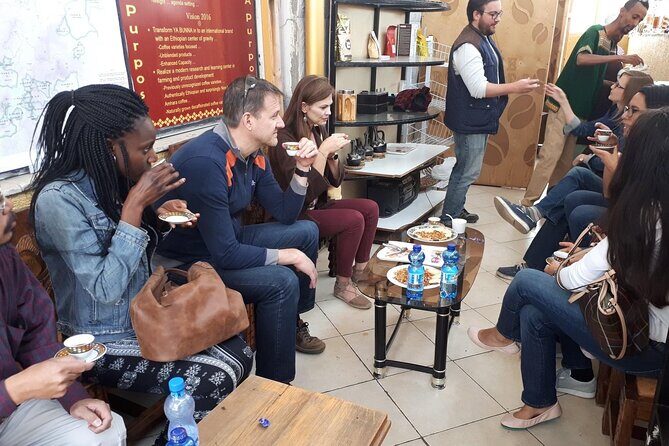
This is the kind of trip where your behavior really affects the vibe. The community guest houses aren’t set dressing; they’re homes and workplaces. When you treat them with basic care—quiet voices where needed, respect for schedules, and patience during shared meals—you help make the trek good for everyone.
This also explains why the experience often feels more human. You’re not just observing; you’re sharing time and meals in the same rhythm as the people around you.
A guide like Maereg is also part of this. The point isn’t to be lectured—it’s to understand what you’re looking at while you walk through it. That’s one of the reasons the trip earns strong ratings and repeat interest.
Who should book this trek
This trek fits you best if:
- You want a walking-focused Ethiopia experience, not just cars and viewpoints
- You like named destinations during the hike (Mekuat Maryam, Meskel, Wajela, Gala Dejen, Aterow)
- You’re curious about how highland life works through community guest houses and shared meals
- You can handle 3-hour hiking blocks and a day with back-to-back walking after lunch
You might think twice if:
- You’re looking for a mostly flat, low-effort stroll
- You get nervous with altitude or long time on your feet
- You want bottled water and alcohol included (they aren’t)
Should you book it
If your ideal trip combines highland hiking with community stays, this one is a strong match. The included meals, the private transport, and the specific trekking targets make it feel structured without losing the local feel.
Also, the wildlife clue at Meskel—birds and the chance for Gelada baboons—adds a reason to care beyond scenery. If you’re the type who likes watching animals and learning what habitat supports them, Day 2 is a highlight.
If you can handle elevation and you’ll be patient with weather, you’ll probably enjoy this trek a lot. If not, you may want a shorter or lower-altitude option first.
FAQ
What are the dates for this trek?
The trip length is listed as 4 days (about 3 nights), but specific dates aren’t included in the information provided.
Where does the trek start?
It starts at Lalibela Airport (XXHM+6MG, Girany Amba, Ethiopia).
What time does it start?
The start time is 10:00 am.
What is included in the price?
Included meals are breakfast, lunch, dinner, and snacks, plus private transportation.
What is not included?
Alcoholic beverages and bottled water are not included.
Is this a private tour?
Yes. It’s described as a private tour/activity where only your group participates.
How long is the drive on Day 1?
Day 1 includes a 2-hour drive from Lalibela to Flakit.
How high is Mekuat Maryam?
Mekuat Maryam is listed at 2,820 meters above sea level.
What wildlife might I see?
At Meskel, you may see different types of birds and the endemic Gelada baboon.
What happens if weather is bad?
The experience requires good weather. If it’s canceled due to poor weather, you’ll be offered a different date or a full refund.
Is cancellation free?
Free cancellation is available up to 24 hours in advance for a full refund.