REVIEW · LALIBELA
3-days Scheduled Lalibela Churches & Abune Yosef Trekking
Book on Viator →Operated by Access Eco Trekking Tours · Bookable on Viator
This 3-day Lalibela adventure pairs UNESCO rock-hewn churches with a community-based highland trek to Abune Yosef, starting right in town and ending back in Lalibela for church time. I love that it’s designed around daily village rhythms—so you’re not just walking between viewpoints—and that first-day stop at Asheton Maryam Monastery sets a calm, local tone fast.
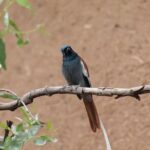
I also like the animal and nature moments: you’ll have chances to spot gelada baboons and even a huge bird often seen in the high country. One consideration: even though the tour is labeled easy overall, Day 2 runs long—over 18 km and about 10 hours—so you’ll want real walking stamina for that second day.
In This Review
- Key highlights at a glance
- Entering the highlands: what you’re really buying for $350
- A note on the altitude you’ll feel
- Walking schedule: the 3 days in plain terms
- Day 1: Asheton Maryam Monastery and mountain village life
- Day 2: Tegu Kebele, Ziget Mountains, and lunch at Abune Yosef
- Day 3: Downhill into Lalibela and the UNESCO church circuit
- Why the community-based details matter (not just feel-good words)
- Coffee ceremony and village stops
- Village nights at Ade Medhamialem
- Wildlife and viewpoints: what to realistically expect
- Price and logistics: what’s included, what you’ll still need to handle
- Is $350 fair?
- Who this trek suits best, and who should think twice
- What to pack and how to be comfortable at altitude
- Guides make the difference: expect a calm, steady pace
- Should you book this 3-day Lalibela + Abune Yosef trek?
- FAQ
- What days does the tour run?
- How long is the total trek?
- What altitude should I expect?
- Is the trek hard?
- What meals are included?
- Does the price include church and park entrance fees?
- Can I cancel and get a full refund?
Key highlights at a glance
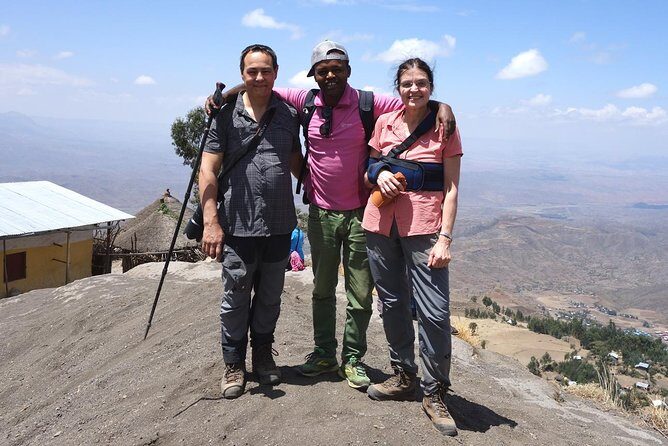
- Community village night(s) at Ade Medhamialem with a hands-on feel for mountain life
- Coffee ceremony in a mountain village early in the trek
- Abune Yosef summit viewpoint with lunch around 4200 m
- Wildlife encounters including gelada baboons and the Lamargair (lammergeier)
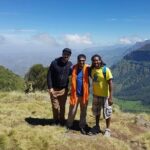
- Guides who keep pace steady so a mixed group can manage the hike
- Time in Lalibela churches after the trek, including St. George
Entering the highlands: what you’re really buying for $350
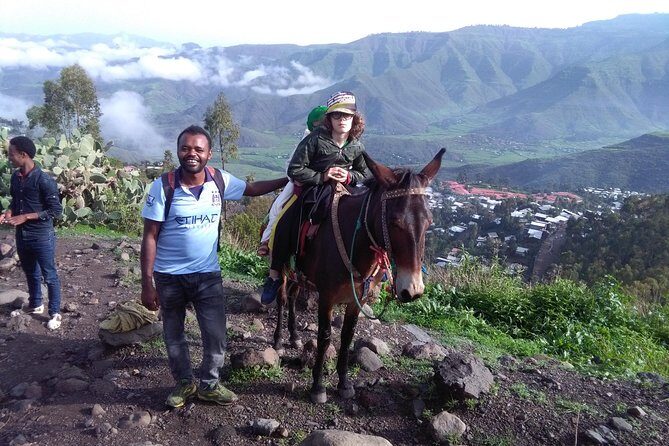
At $350 per person for 3 days, this tour isn’t trying to be the cheapest option in Lalibela. What you’re paying for is a full package of guiding, trekking support, park/church access, and most meals—plus pickup and drop-off. On top of that, the trek itself is long enough (about 45 km total) to feel like you earned the views, not like a quick walk for photos.
The “value” isn’t just the math. You’re also getting a rare combo in Lalibela: UNESCO church time and a trek that goes beyond the town roads into the community valleys around Lalibela. That mix is why this kind of itinerary works so well for first-timers—you get the famous churches, but you also learn what life looks like when you’re off the main trail.
Group size stays reasonable (maximum 16 travelers), which matters in a place where paths can get narrow and mornings start early. Smaller groups also make it easier for guides to manage pace and spacing, especially around viewpoints and church visits.
You can also read our reviews of more hiking tours in Lalibela

A note on the altitude you’ll feel
The trip is graded easy and lists altitude around 4280 m, with lunch atop Mount Abune Yosef (4200 m). You don’t need technical climbing skills here. Still, altitude affects breathing and energy, especially on Day 2. If you’re the type who gets winded going up stairs at home, plan to take it slow, drink water, and stick to the guide’s pace.
Walking schedule: the 3 days in plain terms
This is a Monday/Friday tour. Each day has a clear rhythm: start early, walk hard enough to feel it, break for meals, and end with community or church time. Even the “easy” label should be taken as no scrambling, not as no exertion.
Day 1: Asheton Maryam Monastery and mountain village life
Day 1 is about getting you into the right mindset quickly. You meet in the operator’s office in central Lalibela—right next to the Ethiopian Airlines Lalibela office—for confirmation and a briefing using a site map. The next morning, your guide and porter meet you at your hotel reception (the listed time is 7:45am), then you pack for the trek so your materials go on a donkey.
What makes Day 1 special is the sequence. You head to Asheton Maryam Monastery, described as a mountain church area, and you also pass through places like Ade Medhamialem and Asheton, with routes leading toward Mount Abune Yosef. Along the way, the tour includes an authentic-feeling coffee ceremony in a mountain village. It’s not “coffee for show.” In this region, coffee culture is social and slow—perfect for adjusting to altitude and letting your body settle before the longer day.
You should also expect a fairly active first day: Day 1 lists about 7 hours on the walk. That’s enough time to build momentum, but it’s not the full grind.
Practical drawback to plan for: you may start with more walking than you expect if you’re coming off a travel day. Build buffer into your energy.
Day 2: Tegu Kebele, Ziget Mountains, and lunch at Abune Yosef
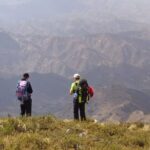
Day 2 is the working day. You start after breakfast, then walk toward Tegu kebele, visiting both small and big Ziget mountains. The route is described as more tough, with a total hike over 18 km and a walking day around 10 hours.
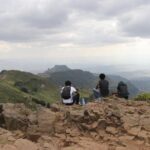
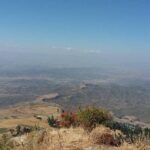
Then comes the key moment: lunch at the top of Mount Abune Yosef (4200 m). The summit meal is the payoff you felt you were walking toward all morning. This isn’t a long summit experience with lots of frills. It’s more like a controlled, high-altitude milestone—enough time for a breath, food, and a clear look at the valley.
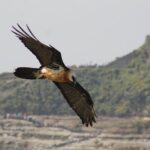
Wildlife is also a real part of this day. The tour highlights chances to see gelada baboons and the Lamargair (lammergeier), the large highland bird. You don’t need to stop hunting for animals in the trees, because these species tend to show up where the terrain opens. Keep an eye on ridgelines and cliffy edges, and don’t be surprised if you hear activity before you see anything.
You return to Ade Medhamialem village after lunch and the afternoon trek back. This is where the community-based tone of the tour shows up again: you’re not just passing through rural areas. You’re spending time in them.
What to watch: the Day 2 distance and time. Even if you feel fine during the morning, the last stretch downhill/back can still feel heavy at altitude.
Day 3: Downhill into Lalibela and the UNESCO church circuit
On Day 3, the mood shifts from hiking to heritage. Early after breakfast, you walk downhill back to Lalibela city. The walking portion is shorter than Day 2, but the downhill still takes attention—your knees and ankles care at altitude, especially if the ground is uneven.
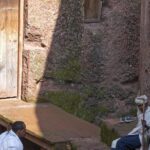
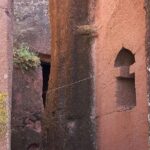
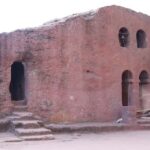
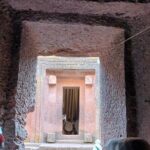
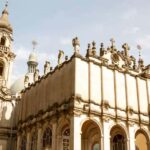
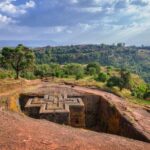
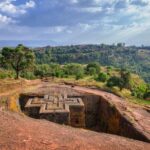
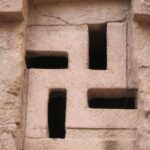
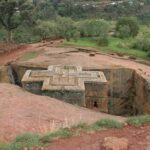
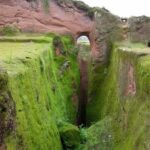
After lunch in Lalibela, you switch to the church circuit: the Rock-Hewn Churches of Lalibela, including St. George. These are UNESCO World Heritage sites, and the schedule is designed to get you there when you’re not exhausted from a long hike.
Day 3 is listed as around 5 hours total for the activities. That’s a good pacing choice. You get a real finish: walk out of the mountains, eat, and then see the churches with clear focus instead of rushing through them the same day you started trekking.
Why the community-based details matter (not just feel-good words)
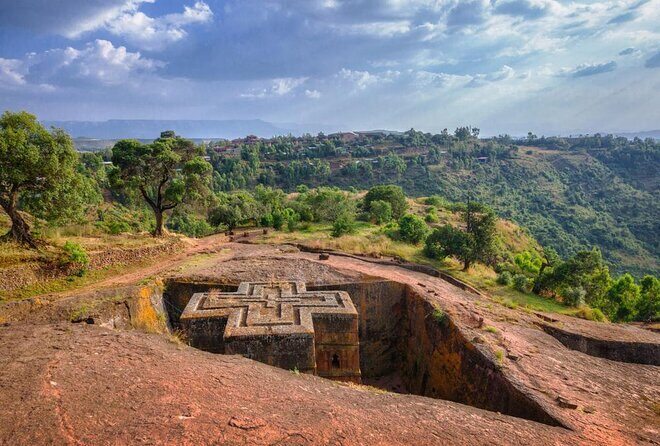
This tour is sold as eco friendly, community based, and sustainable. Even without fancy marketing language, you can feel what that means in how the itinerary is structured.
Coffee ceremony and village stops
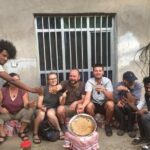
The inclusion of a coffee ceremony in a mountain village on the trek is more than a cultural checkbox. It gives you time to slow down, ask questions, and observe daily life as it actually happens—people hosting, brewing, and chatting rather than performing for a busload of tourists.
Village nights at Ade Medhamialem
Your night in Ade Medhamialem is part of the authenticity. One of the big themes from guide-driven feedback is that the experience feels like you’re treated as part of the group moving through community space, not like you’re camping next to it.
You should also know a practical comfort note that comes up often: bring a sleeping bag if you can. The operator says they’ll provide enough blankets, but a sleeping bag helps if you’re sensitive to cold nights at elevation.
Wildlife and viewpoints: what to realistically expect
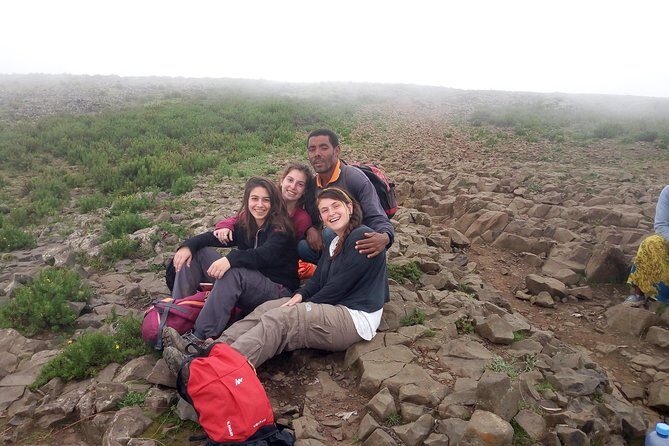
You’re going high into a region where animals and open views are normal. Still, wildlife watching always has weather and timing limits, so keep expectations flexible.
You’ve got real targets, though:
- Gelada baboons: the tour specifically highlights chances to see them while hiking
- Lamargair (lammergeier): listed as the biggest bird you may spot in the high country
- Livestock in pastures: descriptions include horses and cows living around fields and meadows
The best advice is simple: wear good walking shoes, move with your group, and stop when your guide asks. Most wildlife moments happen when you’re in the right spot at the right time, not when you sprint ahead.
Price and logistics: what’s included, what you’ll still need to handle
Here’s what the price covers:
- Hotel pickup and drop-off
- Professional trekking guide (and porter support during the trek)
- Entrance fees for Lalibela churches and park entrance
- Bottled water
- Meals: breakfast (2), lunch (2), dinner (2)
- The first day breakfast is not included
- Airport/departure tax
- Dinner and lunch during the trek days
What’s not included:
- Alcoholic drinks (available to purchase)
- Transportation to/from attractions (the tour includes pickup/drop-off, but you may still handle some local movements depending on your exact location and timing)
Is $350 fair?
For Lalibela, $350 can be either a bargain or a stretch, depending on what you compare it to. In this case, it’s more likely fair because you’re not just paying for access to the UNESCO churches. You’re also paying for:
- multi-day guiding and porter support
- entrance and park fees
- most meals
- a real trekking distance (about 45 km total)
If you were to price those things separately—especially park/church fees and guide service—you’d likely get closer to the same number. The trek is also short enough to fit travel schedules, while still feeling substantial.
Who this trek suits best, and who should think twice
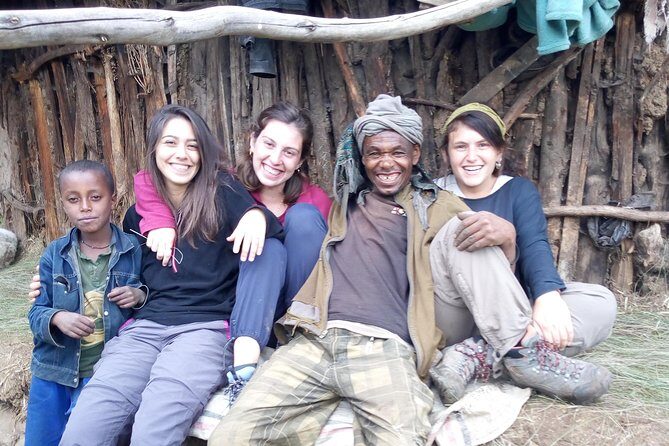
This is a great match if you:
- want authentic village culture and not only church photos
- enjoy walking days that are steady and scenic, with a meaningful summit/overlook moment
- like the idea of a group tour with local guiding and animal spotting
You might think twice if you:
- can’t comfortably handle a long day around 18 km and 10 hours (Day 2)
- need lots of downtime between walking blocks
- expect “easy” to mean minimal exertion at altitude
The tour states a moderate physical fitness level is expected, and the itinerary includes a longer Day 2. Think of the difficulty as manageable with pacing, not as effortless.
What to pack and how to be comfortable at altitude
The tour runs in all weather, and you’ll want to dress appropriately. Since altitude is part of the deal, bring the kind of layering you can adjust quickly during climbs and breaks.
A few practical ideas based on what’s supported:
- Sleeping bag if you have one (blankets are provided, but a bag adds comfort)
- Layers you can remove and put back on (cold mornings, warmer walking)
- Sun protection (high altitude + open areas)
- Good shoes for uneven footing, especially downhill on Day 3
Also plan to keep your schedule simple. Meals are provided on most days, but not the first breakfast, so eat accordingly before Day 1 starts.
Guides make the difference: expect a calm, steady pace
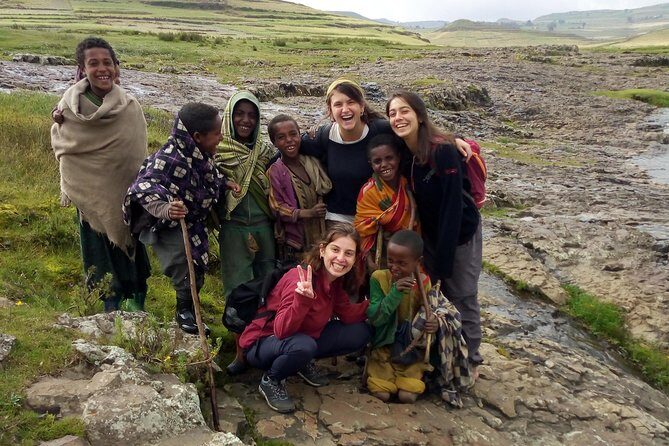
Several guide names show up in the feedback associated with this trek: Sammy, Sami, Joseph, and Moges. The consistent theme is that guides help manage the pace so mixed-shape groups can handle it—especially on the first tougher stretch and on Day 2.
That pace management matters at altitude. If you go out too fast, the mountains punish you. If you follow the guide’s rhythm, it feels more like you’re working with the route than fighting it.
Should you book this 3-day Lalibela + Abune Yosef trek?
Book it if you want a Lalibela trip that feels grounded in everyday life. This isn’t only about the UNESCO churches—it’s about walking into the communities around them, sharing village time, and ending with church history when you’re mentally fresh enough to appreciate it.
Skip it (or choose something different) if your priority is minimal walking or if you’re not ready for a long Day 2 around 18 km at high altitude. You’ll still see great churches, but you might feel stressed if you show up without stamina.
FAQ
What days does the tour run?
The trek runs every Monday and Friday.
How long is the total trek?
You’ll cover about 45 km total over the 3 days.
What altitude should I expect?
The tour notes an altitude around 4280 meters, with lunch at Mount Abune Yosef (4200 m).
Is the trek hard?
It’s graded easy, but Day 2 is tougher with a walk over 18 km and about 10 hours, so you’ll want moderate fitness.
What meals are included?
Breakfast (2), lunch (2), and dinner (2) are included. The first day of breakfast is not included.
Does the price include church and park entrance fees?
Yes. The tour includes Lalibela churches entrance fees and park entrance fee.
Can I cancel and get a full refund?
Yes. Free cancellation is available if you cancel at least 24 hours in advance for a full refund.