REVIEW · ADDIS ABABA
Debre Libanos and Portuguese bridge
Book on Viator →Operated by Liyu Ethiopia Tours · Bookable on Viator
One 7:00 am start, and suddenly Ethiopia feels very alive. This outing pairs Jemma Gorge with Ethiopia Orthodox monastic sites at Debre Libanos, plus a stop at Portuguese Bridge—so you get dramatic nature in the morning and a deeply human, faith-filled story after.
Two things I like a lot: the gorge stop is built for wildlife watching, with birdlife around the forest edge and even the Gelada (often called bleeding-heart baboon). And at Debre Libanos, the focus stays where it should be—on Saint Teclehaimanot, including the small cave linked to his seven years on one leg.
One drawback to plan around: this tour needs good weather. If conditions are poor, plans can change or the experience may be canceled and rebooked.
In This Review
- Key highlights you’ll care about
- Jemma Gorge at the start: where the morning is loud with birds
- Debre Libanos monastery: Saint Teclehaimanot’s story in stone and solitude
- What you’re really doing all day: pairing gorge birdlife with monastic calm
- Portuguese Bridge: why it fits even without being the main event
- Timing, group size, and how $130 can actually be worth it
- Weather and the 7:00 am start: plan smart, not paranoid
- What to bring for a day like this (without overpacking)
- Should you book Debre Libanos and Portuguese Bridge?
- FAQ
- What time does the tour start?
- How long does the experience take?
- Is pickup available in Addis Ababa?
- How big is the group?
- Do I get a mobile ticket?
- What wildlife or birds might I see?
- What happens if the weather is poor?
- Can I cancel for a full refund?
Key highlights you’ll care about
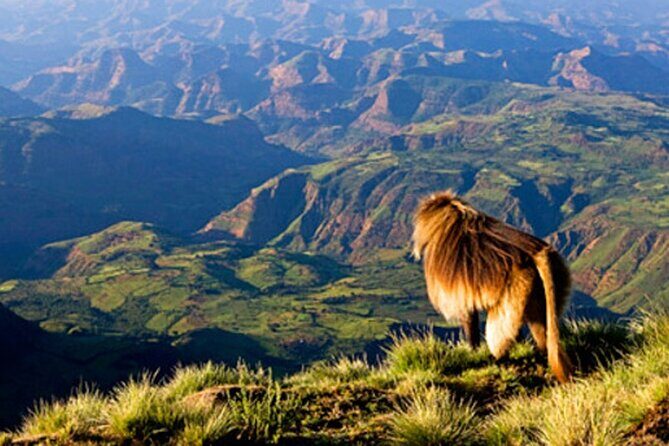
- Jemma Gorge’s huge drop: nearly 1000 meters down to the valley, with river-and-forest bird habitat nearby
- A focused bird list: Banded Barbet, multiple starling species, turaco, cliff chats, and more
- Debre Libanos is about Teclehaimanot: the monastery is tied to the 13th-century mystic’s life story
- The one-leg cave story: a small cave near the church is associated with seven years of standing on one leg
- Small group size: a maximum of 10 people makes the day feel controlled, not chaotic
- Reliable communication: the provider is known for making things work even when plans change
Jemma Gorge at the start: where the morning is loud with birds
You’ll roll out from Piazza, Addis Ababa at 7:00 am. That early timing matters here. Light hits the gorge and forest edges better before the day heats up, and you’re more likely to hear birds clearly as you stand and scan the treeline.
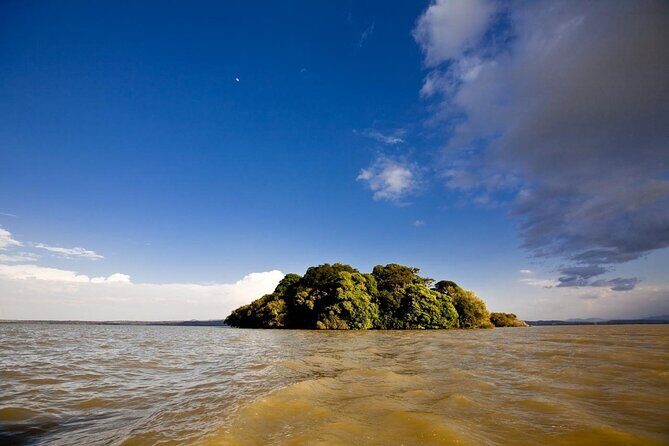
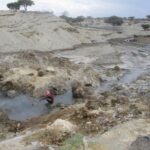
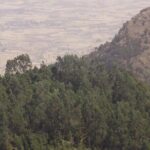
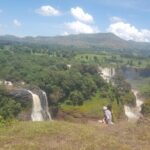
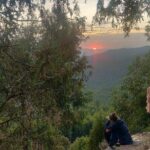
The first major stop is Jemma gorge, on the Jemma River—one of the tributaries of the Nile. The view point comes with a jaw-drop factor: there’s a drop of nearly 1000 meters down to the valley below. That height difference does two useful things for you as a visitor. First, it frames the landscape in a big, clear way (even if you’re not a “scenery-only” person). Second, it positions you near a mix of open vantage points and forest cover where birds like to show up.
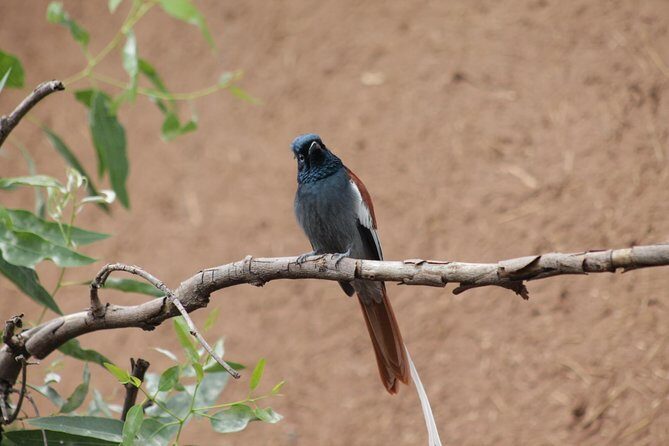
This is also the part of the day built for wildlife spotting. Around the gorge and in the forest near the church area later, you may see species such as:
- Banded Barbet
- Black-headed Forest Oriole
- White-billed Starling
- Red-billed Starling
- White-winged Cliff Chat
- White-backed Black Tit
- White-cheeked Turaco
- Hemprich’s Hornbill
Birding at Debre Libanos and the gorge isn’t about checking a box. It’s about slowing down long enough to notice that Ethiopia’s highland ecosystems have their own rhythm. If you like nature walks that are guided and purposeful, this stop is where the tour earns its keep.
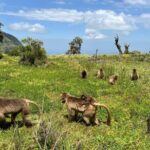
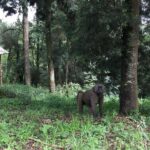
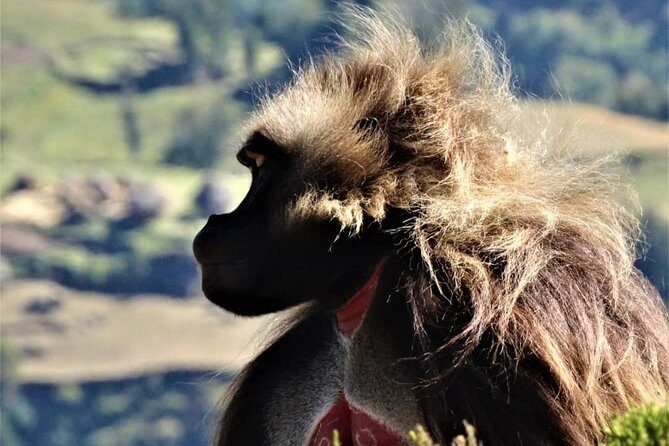
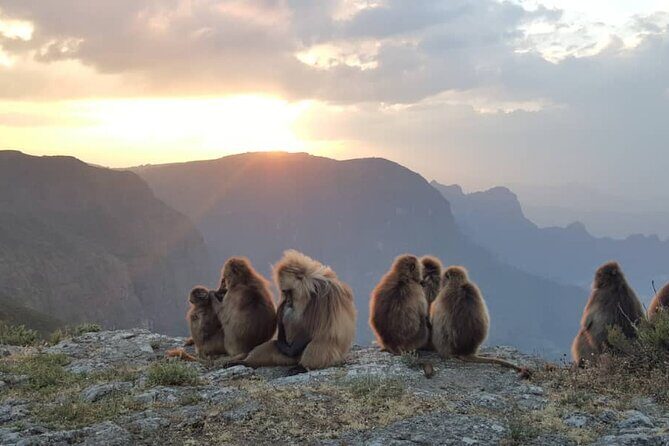
One more wildlife highlight: you can also expect the Gelada (also called bleeding-heart baboon). This is one of Ethiopia’s endemic mammals, so it’s not something you’d casually stumble across on a random city walk.
You can also read our reviews of more tours and experiences in Addis Ababa.

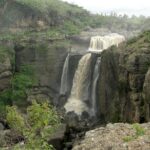
Debre Libanos monastery: Saint Teclehaimanot’s story in stone and solitude
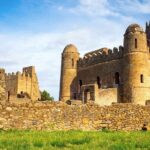
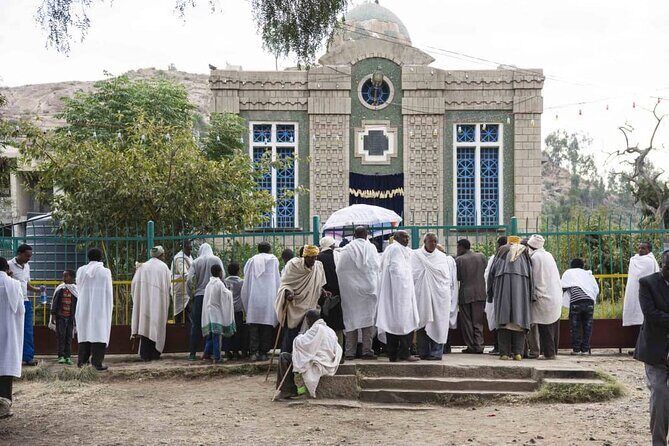
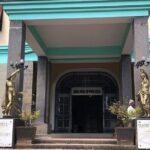
After the gorge, the day shifts gears. You’re heading to Debre Libanos, an important monastic center for Ethiopian Orthodox Christianity. The monastery is linked to Saint Teclehaimanot, a renowned 13th-century mystic. This isn’t just name-dropping. The site is arranged around the life story people come to remember.
Here’s what makes it particularly compelling. Near the church there’s a small cave—and it’s described as the place where Teclehaimanot is said to have stood for seven years on one leg, until the other leg wasted away and dropped off. That’s the kind of detail that can feel heavy, even surreal. But standing in front of the cave, it clicks as something visitors understand emotionally: it’s an embodied story of endurance and devotion.
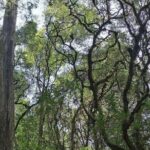
The church itself is described as of recent construction. That’s a practical point for your expectations. You’re not going to find yourself staring only at centuries-old architecture. Instead, you’ll likely focus on the meaning of the place, plus the spiritual atmosphere around it—especially in the forest area where visitors gather quietly between looks and prayers.
Even if you’re not big on religious travel, this stop is still worth your time. Why? Because it’s not staged as a museum. You’re stepping into a functioning spiritual landscape, and your guide’s job is to help you understand the significance of what you’re seeing.
What you’re really doing all day: pairing gorge birdlife with monastic calm
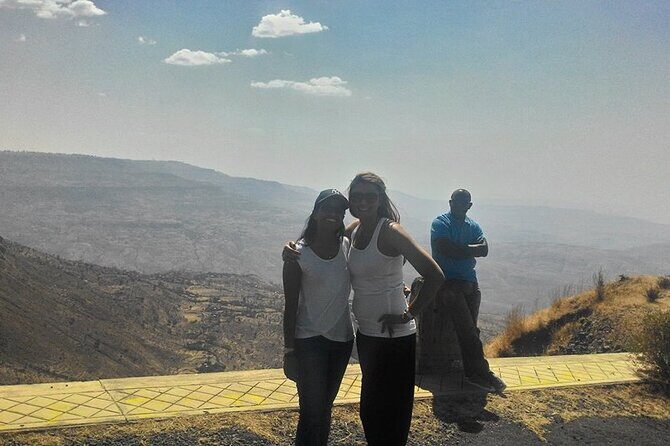
This tour works because it balances two kinds of attention: quick scanning for movement at the gorge, then slower looking and listening at Debre Libanos.
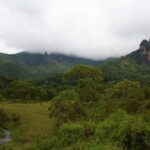
In the morning at the gorge, you’ll likely feel your attention snap to sound—calls, wingbeats, quick flashes between branches. The forest around the church at Debre Libanos is different. The energy is calmer, but you still have plenty of targets on the bird list. In other words, the day isn’t “go look at a church, then leave.” It’s “nature first, then meaning,” and the two themes connect through place: water, cliffs, forest edge, and a monastery built in that setting.
That bird list matters too. You have a mixture of species that suggest different micro-habitats—forest oriole types, starling species, hornbill possibility, and cliff chats that fit the geography near gorge walls. So even if you miss a few birds, you’re still moving through the right spaces.
If you’re the type who brings a camera or likes to take notes, use this strategy: don’t try to photograph everything. Instead, decide what you care about most—say turaco colors or hornbill shape—then let the rest be bonuses.
Portuguese Bridge: why it fits even without being the main event
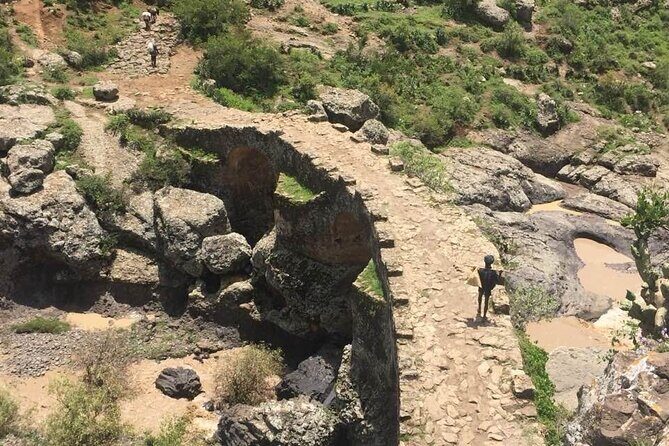
The experience name includes Portuguese bridge, but the details provided here are limited. So I’ll keep my expectations clean: treat it as a scheduled stop included in the circuit, likely placed as you move between areas.
What you can control is how you use that moment. I’d treat it as a short break to reset your legs after the gorge and before the monastery walking. If weather is decent, it’s also a good window for quick photos—because you’ll be in an outside setting and your day will already be packed with viewpoints and stonework.
In a long outing like this, those in-between stops are not filler. They help you manage fatigue. They also give you a chance to ask your guide a question or two without the pressure of the main attraction passing by.
Timing, group size, and how $130 can actually be worth it
The price is $130.00 per person for an 8 to 9 hour outing. That’s not “cheap,” but it’s not random either. Here’s where the value comes from based on what’s included and how the day is run.
First, there’s pickup offered—and it’s not limited to a single hotel. The service can pick you up from any part of the city, and you’ll get the guide’s name and phone number to identify them. That reduces the hassle factor a lot, especially on an early start.
Second, the group is capped at maximum 10 travelers. Small groups are a big deal on trips like this because you’re often pausing to observe wildlife or listen at a religious site. With a smaller group, those pauses feel manageable instead of rushed.
Third, you’re getting a full day that combines nature (gorge and forest birdlife) with a major spiritual site (Debre Libanos and Teclehaimanot’s cave story). When a tour compresses multiple high-value stops into one day, it can be cheaper than doing those separately.
Finally, the provider’s reputation matters. One of the clearest signals in the review feedback is reliability and communication—plus their willingness to adjust if other people cancel, even turning it into a private tour when needed. That kind of problem-solving is worth paying for in a place where weather and logistics can always change.
Weather and the 7:00 am start: plan smart, not paranoid
This experience requires good weather. That’s a plain reality for gorge viewpoints and for outdoor time around forest edges. If it’s canceled due to poor weather, you’ll be offered a different date or a full refund.
So how should you plan? Keep your day flexible if you can. If you’re scheduling other activities later in Addis Ababa, give yourself enough buffer to absorb delays or rebooking. The tour itself begins at 7:00 am, so you’ll want a solid night’s sleep. Early mornings can turn a beautiful day into a grumpy one fast.
The upside: the early start also helps you beat the busiest daylight conditions. Even if it’s not about crowds, it’s about your own comfort. A long 8–9 hour day outside goes better when you start before the hottest part of the morning.
What to bring for a day like this (without overpacking)
The details here don’t list equipment, so I won’t invent requirements. But I will give practical advice for how this kind of day feels.
- Wear shoes you can walk in at an uneven site, since you’ll be moving around monastery areas and gorge viewpoints.
- Bring water for the long stretch between morning gorge time and later monastery walking.
- If you care about bird spotting, have whatever helps you see details from a distance. Even simple binoculars can change what you actually notice.
And emotionally? Come with two mindsets. One for nature—patient scanning. One for monastic visiting—quiet respect. You’ll likely move between both without much transition time, so your brain should be ready to switch gears.
Should you book Debre Libanos and Portuguese Bridge?
I’d book this tour if you want more than a checklist church visit. The mix of Jemma Gorge’s dramatic drop, birdwatching targets including the Gelada, and the focused Saint Teclehaimanot story at Debre Libanos makes it a day that feels purposeful from start to finish.
Skip it (or pick another option) if you dislike long outdoor days or you can’t be flexible with weather. And if you hate early starts, the 7:00 am departure will be your challenge.
If you do book, I’d recommend treating it as a photography and listening day—not a run-through. When you slow down enough, the gorge and the monastery stop feeling like separate stops and start feeling like one connected experience in Ethiopia’s highland world.
FAQ
What time does the tour start?
The tour starts at 7:00 am, departing from Piazza, Addis Ababa.
How long does the experience take?
The duration is about 8 to 9 hours.
Is pickup available in Addis Ababa?
Yes. Pickup is offered, and it can be from any part of the city. You’ll get the guide name and phone number to identify them.
How big is the group?
This experience has a maximum of 10 people.
Do I get a mobile ticket?
Yes. The tour includes a mobile ticket.
What wildlife or birds might I see?
You may see birds such as Banded Barbet, Black-headed Forest Oriole, White-billed Starling, Red-billed Starling, White-winged Cliff Chat, White-backed Black Tit, White-cheeked Turaco, and Hemprich’s Hornbill, plus the endemic mammal Gelada (bleeding-heart baboon).
What happens if the weather is poor?
The experience requires good weather. If it’s canceled due to poor weather, you’ll be offered a different date or a full refund.
Can I cancel for a full refund?
Yes. You can cancel for a full refund up to 24 hours in advance. If you cancel less than 24 hours before the start time, the paid amount is not refunded.