REVIEW · ADDIS ABABA
Arba Minch, Dorze Tribe, Konso, and Awasa Private 4 Days Tour from Addis Ababa
Book on Viator →Operated by Merit Ethiopian Experience Tours · Bookable on Viator
Southern Ethiopia has a way of moving fast. This private 4-day tour strings together UNESCO stops, Rift Valley lakes, and living tribal traditions, all with an English-speaking guide and an air-conditioned Toyota minivan. I especially like the mix: cultural encounters in villages and towns, plus real scenery breaks where you can breathe and take photos. The other big win is the personal pace of a private group, so you’re not stuck waiting for everyone’s pace.
One thing to plan around: you’ll be on the road a lot, and some stops flag admission tickets as not included, while meals and accommodations are definitely not included. If you’re hoping for a completely hands-off package, I’d confirm the admission costs in advance and budget for lunch time.
In This Review
- What Makes This Trip Worth Your Time
- Quick Hits Before You Go
- How the Route Feels: Fast, Focused, and Not Random
- Getting Comfortable: AC Minivan, English Guide, and a Real Local Touch
- Day 1: Tiya’s Steles, Devil’s Lake, and Rift Valley Lookouts
- Tiya World Heritage Site (Steles of Tiya)
- Butajira and Hare Sheitan (Devil’s Lake)
- Day 2: Konso UNESCO Terraces, the King’s Visit, and the Museum
- Konso Cultural Landscape (UNESCO)
- Meet the King of Konso and Visit Konso Museum
- Day 3: Dorze Bamboo Huts, Enset Food, Shashamene’s Rastafarian Church, and Awasa Sunset
- Dorze Village near Chencha: Bamboo Huts and Enset
- Shashamene: Rastafarian History in a Living Community
- Awasa: Lake Walk and Sunset
- Day 4: Awassa Fish Market, Abidjatta-Shalla Wildlife Walk, and Lake Ziway (Plus Ziway and Bishoftu)
- Fish Market at Awassa Lake
- Abidjatta-Shalla National Park: Gentle Wildlife and Two-Lake Views
- Lake Ziway Lunch and the Swimming Reality
- Ethiopian Coffee Ceremony: Small Time, Big Cultural Payoff
- Value for the Price: What $1,285 Gets You (and What Might Cost Extra)
- Practical Tips That Make This Tour Easier (Not Harder)
- Rain season planning (June–August)
- Village etiquette and what to wear
- Water, snacks, and staying functional
- Expect moderate walking
- So, Should You Book It?
- FAQ
- How long is the Arba Minch, Dorze Tribe, Konso, and Awasa Private 4 Days Tour?
- Is this tour private, and how many people are in a group?
- What kind of vehicle and guide services are included?
- Which UNESCO World Heritage sites are included?
- Is an Ethiopian coffee ceremony included?
- Are meals and accommodations included?
- Is free cancellation available?
What Makes This Trip Worth Your Time
I think this tour works because it’s built around experiences you can’t easily DIY from Addis Ababa in a few days: Konso’s terraced farming world, the Dorze bamboo-hut way of life, and Shashamene’s Jamaican Rastafarian community. The provider’s guides also get strong praise for making people feel safe in Ethiopia and comfortable in the car, including a guide named Muluken and drivers like Belay and Fitsum.
If you’re visiting in June–August, pack for rain and muddy roads. The good news is you’ll still get views, sunsets, and wildlife time, just with better footwear and a rain layer.
Quick Hits Before You Go
- Tiya and Konso are UNESCO sites, so you’re hitting the big cultural landmarks early.
- Private, up-to-6 group touring means your timing can flex without losing the route.
- Dorze culture in Chencha includes hands-on-style context for how enset (false banana) becomes bread and porridge.
- Shashamene’s Rastafarian community adds a surprising, faith-and-history layer to southern Ethiopia.
- Awassa fish market and Lake Ziway lunch ground the trip in everyday life, not just sightseeing.
- Abidjatta-Shalla National Park gives you an easy wildlife walk with a viewpoint over the lakes.
You can also read our reviews of more private tours in Addis Ababa
How the Route Feels: Fast, Focused, and Not Random
This is not a “see a little of everything” tour. It’s a deliberate hit list across three themes: ancient human traces (Tiya), living agricultural and tribal culture (Konso and Dorze), and Rift Valley nature (Awassa, Abidjatta-Shalla, Ziway). In just four days you’ll cover big distances, but the stops are arranged so each day has a clear flavor.
The private format matters here. A shared tour can turn every stop into a waiting game. With your own group and an English-speaking guide, you can ask questions at the right moments—like what the terraces mean for Konso life, or what enset cooking looks like when it’s part of everyday food, not a performance.
Getting Comfortable: AC Minivan, English Guide, and a Real Local Touch
Your transport is a private Toyota minivan with air conditioning and seat belts. That’s a big deal for southern Ethiopia because travel days can be long, and comfort keeps the trip enjoyable rather than exhausting. Pickup is offered from Addis Ababa, and the tour runs as a private activity, meaning only your group participates.
You’re also not left alone with a playlist and a map. The tour includes a professional English-speaking guide plus local guides where needed. From past customer feedback about this operator, the guide named Muluken gets consistently praised for excellent English, humor, and being the kind of person who makes you feel both safe and looked after. Drivers like Belay and Fitsum have also been praised for safe, comfortable driving—exactly what you want on long Ethiopian road days.
Practical tip: if you’re sensitive to motion sickness, bring what you normally use. A comfortable car helps, but the Rift Valley roads can still sway.
Day 1: Tiya’s Steles, Devil’s Lake, and Rift Valley Lookouts
Tiya World Heritage Site (Steles of Tiya)
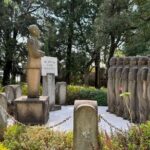
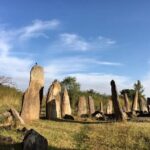
Day one starts at Tiya, a UNESCO World Heritage Site with around 40 stone grave markers from the 14th century AD, carved with decorative details. This is the kind of place that’s easier to appreciate with a guide, because the carvings and layout make more sense when someone walks you through what you’re seeing.
Plan for a short visit—about 45 minutes—and remember admission is noted as not included for this stop. If you want smooth entry, carry some cash in local currency.
A few more Addis Ababa tours and experiences worth a look
Butajira and Hare Sheitan (Devil’s Lake)
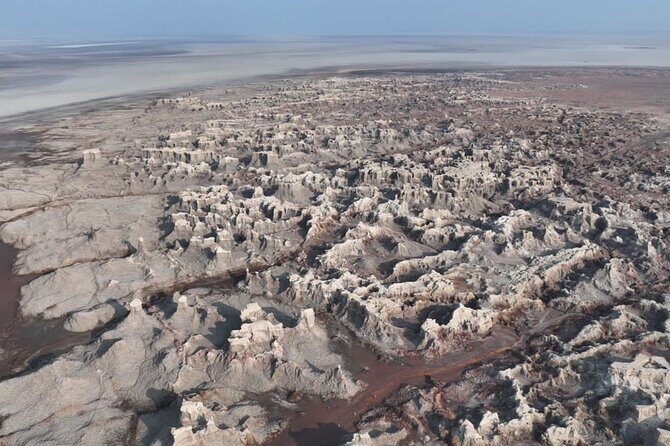
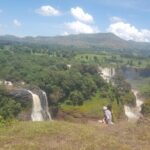
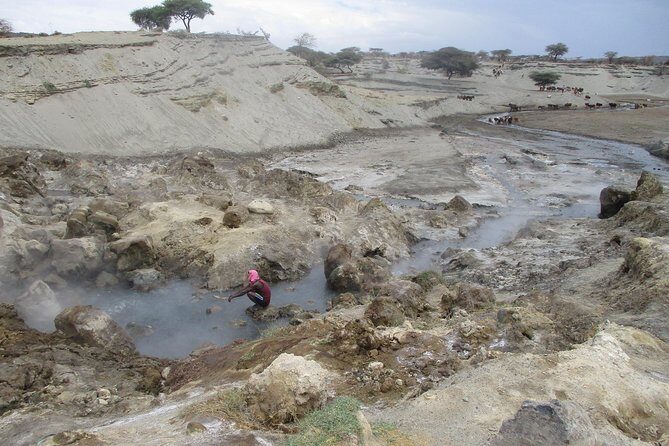
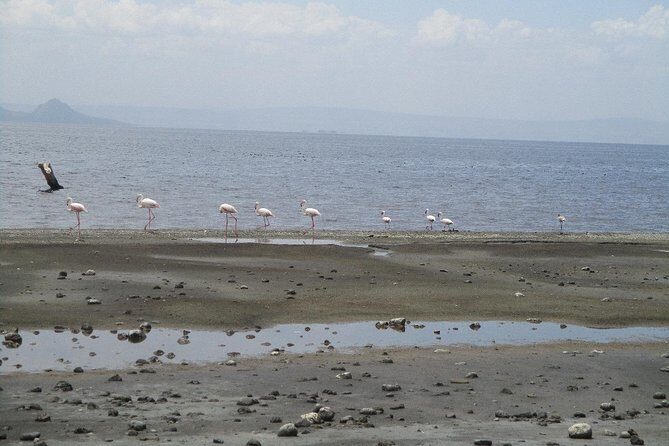
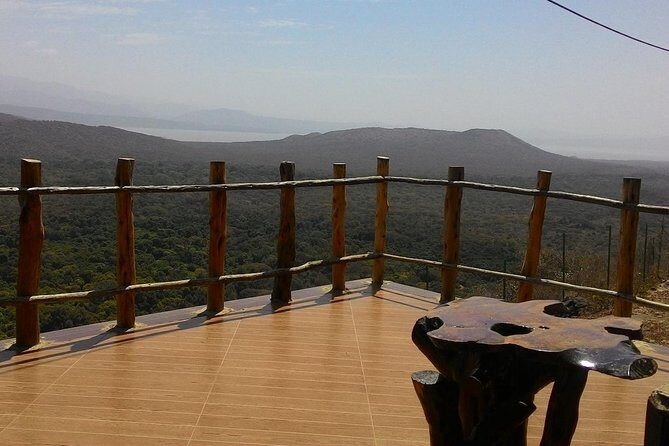
After lunch in Butajira town, the schedule shifts to a Rift Valley view moment. You’ll pass by the circular Crater Lake Hare Sheitan, often nicknamed Devil’s Lake, and stop at selected outlooks where you can see the Ethiopian section of the Great East African Rift Valley.
This section is about getting your bearings. Those Rift Valley edges are dramatic, and you’ll get a sense of why the region is packed with lakes, volcanoes, and striking geology.
Day 2: Konso UNESCO Terraces, the King’s Visit, and the Museum
Konso is one of those places that changes how you think about “tribal culture.” It’s not frozen in time. It’s an agricultural landscape shaped by generations—especially through terraced farming.
Konso Cultural Landscape (UNESCO)
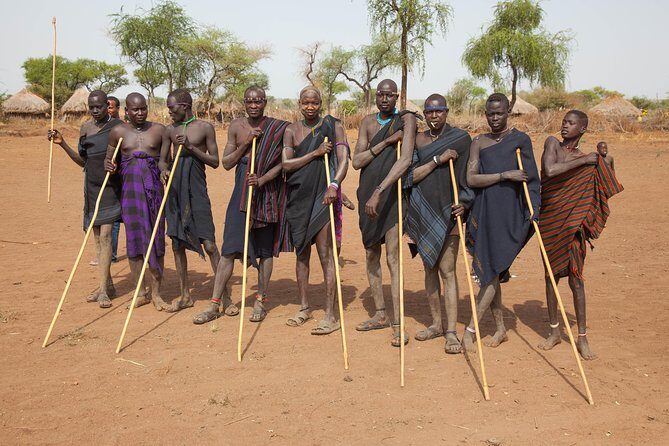
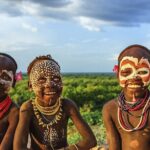
The day includes a full Konso excursion (about 4 hours), focused on villages, stone-fenced areas, wooden ceremonial structures, and the famous rock terraced agricultural system that earned UNESCO status. You’ll also see the visual identity of the Konso people—colorful handwoven cotton costumes, plus traditional masks and shields.
Admission is noted as free here, which is great for value. Still, be respectful with photos. Village visits work best when you ask first and let people set the pace.
Meet the King of Konso and Visit Konso Museum
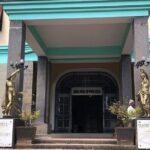
The itinerary doesn’t stop at scenic viewing. You’ll have time to meet the King of Konso, who governs nine clans, and then visit the Konso Museum for deeper context.
The museum time (about 2 hours) is a smart addition, because it gives you a framework for what you saw in the villages. Without that, Konso can feel like impressive scenes strung together. With it, you start noticing patterns: why certain structures exist, how community organization works, and how agriculture fits the broader cultural system.
Day 3: Dorze Bamboo Huts, Enset Food, Shashamene’s Rastafarian Church, and Awasa Sunset
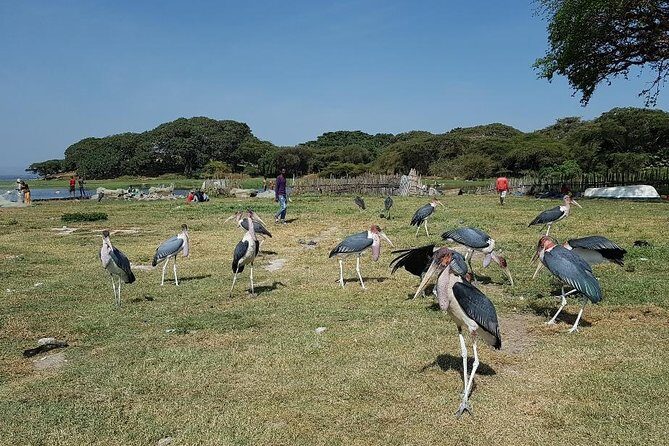
Day three is the cultural heavyweight.
Dorze Village near Chencha: Bamboo Huts and Enset
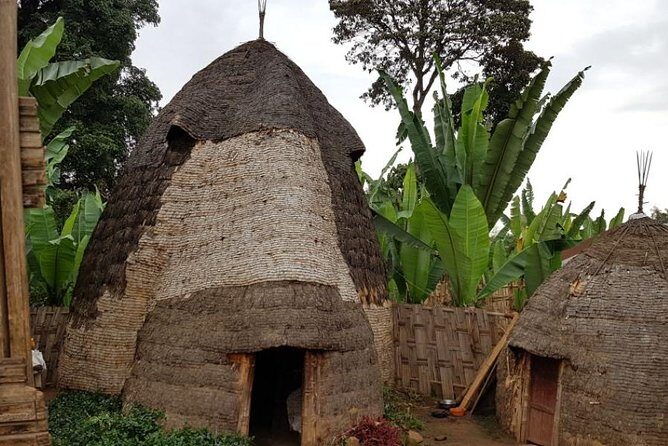
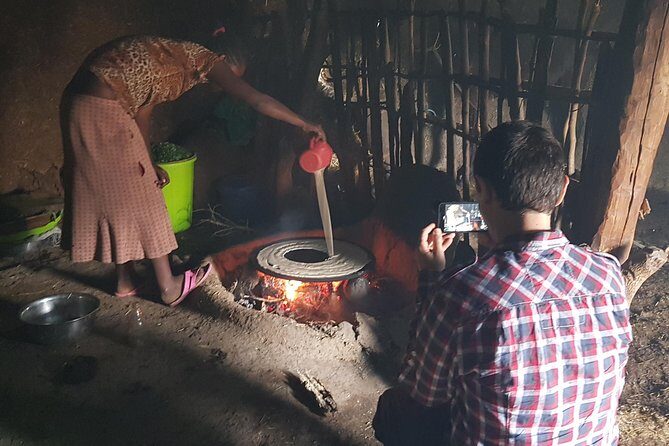
After breakfast, you drive to Chencha for the Dorze Tribe experience. This visit centers on the famous huge bamboo huts and on how Dorze people prepare food from enset (false banana)—specifically bread and porridge made from the root.
The visit is about 3 hours, and admission is noted as not included. This is also where comfort matters: wear clothes you can move in, and bring something light for sun. Even if you’re not planning to hike, village walking can add up.
One small reality check: culture visits take time, and it’s normal for the flow to be less rigid than city tourism. That’s part of the charm.
Shashamene: Rastafarian History in a Living Community
Next comes Shashamene, with an added cultural stop along the way: villages of the Alaba tribe. After lunch in Shashamene, you visit the Jamaican Rastafarian Community and their church to learn the religious and historical background of Rastafarianism in Ethiopia.
This is a surprising stop for many people, and it’s valuable because it shows how migration and faith can reshape a local landscape. The visit is about 2 hours, with admission noted as free.
Awasa: Lake Walk and Sunset
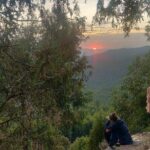
Then you reach Awasa (Lake Awassa) for that classic Rift Valley payoff. There’s a walk by the shores with time built in for the tour’s sunset moment (about 1 hour). It’s the right pacing after two more intense cultural segments—less talking, more watching the day soften.
Practical tip: bring a layer for evening breeze near the water. It can cool off quickly once the sun drops.
Day 4: Awassa Fish Market, Abidjatta-Shalla Wildlife Walk, and Lake Ziway (Plus Ziway and Bishoftu)
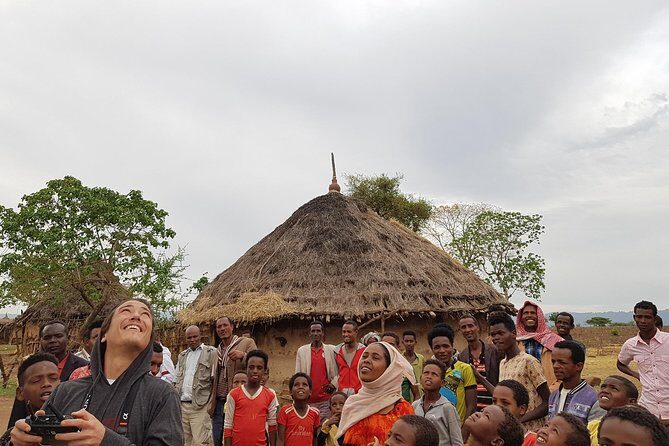
Day four is about nature and everyday local life.
Fish Market at Awassa Lake
You’ll see how locals collect fish by net, clean it by hand, and go about morning routines at the Awassa fish market. The time set aside is about 1 hour, and admission is noted as not included.
Even if you’re not a “markets are my thing” person, this is worth it for the authenticity. It’s direct, local, and busy in the way that only a real fishing community is busy.
Abidjatta-Shalla National Park: Gentle Wildlife and Two-Lake Views
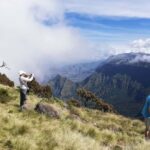
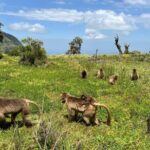
Next is Abidjatta-Shalla National Park. You’ll do a gentle walking tour designed for seeing wildlife such as gazelles, warthogs, and ostriches (about 1 hour), plus time at a viewpoint for the scenery over Lakes Abijatta and Shalla.
Admission is noted as not included for this stop, so confirm what you’re responsible for. This is also where moderate fitness helps. The tour description suggests a moderate physical fitness level, and a gentle walk still means you’ll be on your feet.
Lake Ziway Lunch and the Swimming Reality
For lunch, you’ll be at Lake Ziway. The notes say Lake Ziway is the Rift Valley lake of Ethiopia free from bilharziasis and safe for swimming. If swimming is on your wishlist, ask your guide if there’s time and what conditions look like that day.
On the way back to Addis Ababa, you stop again at Rift Valley lake Ziway and also at a crater lake of Bishoftu. That crater-lake stop is marked as admission ticket included, which is another reason to keep an eye on what’s included versus what’s optional.
Ethiopian Coffee Ceremony: Small Time, Big Cultural Payoff
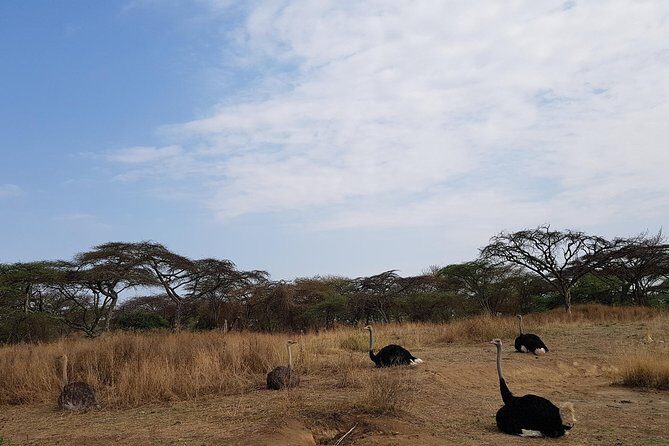
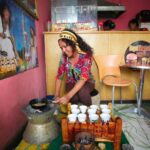
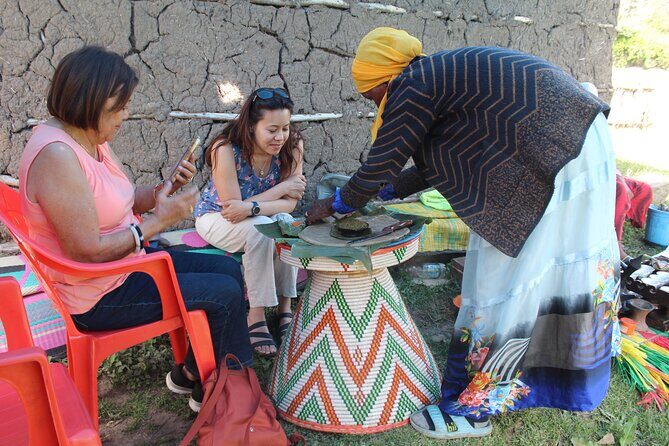
The tour includes an Ethiopian coffee ceremony and coffee itself. In Ethiopia, this isn’t just caffeine—it’s social rhythm. You’ll get a short window where you slow down and experience hospitality the local way.
If you’re thinking of skipping it because it sounds slow, don’t. The coffee ceremony is usually the easiest cultural moment to connect with because it’s welcoming and accessible, even if you don’t speak the language.
Value for the Price: What $1,285 Gets You (and What Might Cost Extra)
The price is $1,285 per group, up to 6 people. That’s the key to understanding value: you’re essentially paying for a private vehicle, private guidance, and planned admissions/time across multiple regions.
If you split with a full group of six, that’s roughly $215 per person for four days of private transport and guided experiences. If you’re traveling as fewer people, the per-person cost climbs fast, so it matters whether you have friends to share the car.
What’s included:
- Private air-conditioned Toyota minivan
- Professional English-speaking guide (plus local guides)
- Ethiopian coffee ceremony
- Bottled water and local snacks
- All fees and taxes (though the day-by-day notes sometimes label specific admissions as not included)
What’s not included:
- Accommodations
- Meals and drinks
- And any extra expenses not listed as included
Because the itinerary notes can mark some admission tickets as not included, I’d do one simple thing before you go: ask the operator which admissions you should expect to pay in cash during the trip. That avoids the one frustrating moment of everyone realizing lunch is the least of your worries.
Practical Tips That Make This Tour Easier (Not Harder)
Rain season planning (June–August)
The operator flags June, July, and August as rainy season. Pack accordingly: rain layer, water-resistant shoes, and a small towel or wipes. Road conditions can affect timing, so flexibility is your best friend.
Village etiquette and what to wear
For the tribal visits, bring clothes that let you move comfortably and that you don’t mind getting dusty. Also, the tour notes that women are expected to cover hairs when visiting Adadi Mariam Rock Church. Even if that specific stop isn’t guaranteed in your plans, bring a scarf just in case it comes up.
Water, snacks, and staying functional
You’ll have bottled water and local snacks in the car. That helps a lot on travel days, especially when meals aren’t included. Still, carry a small extra snack for long days if you’re the type who gets hungry quickly.
Expect moderate walking
There’s a wildlife walk and village time on foot. You don’t need to be an athlete, but moderate fitness helps you enjoy the sites instead of feeling rushed.
So, Should You Book It?
I’d book this tour if you want a guided, private taste of southern Ethiopia without spending weeks organizing transport between far-flung destinations. It’s especially good for:
- First-timers who want big cultural anchors like Tiya and Konso (UNESCO) plus real village visits
- Travelers who like their history alive, not museum-only
- People who value comfort: AC car, bottled water, an English guide, and a coffee ceremony included
I might think twice if:
- You dislike long driving days
- You’re traveling as a solo or duo and want the lowest possible per-person cost
- You want meals and accommodations fully handled by the operator (those are not included)
If you book, do yourself a favor: confirm admission costs for stops marked as not included, and show up with an open mind. The best part of this route isn’t just what you see—it’s how quickly you start connecting the dots between agriculture, community life, faith, and the Rift Valley itself.
FAQ
How long is the Arba Minch, Dorze Tribe, Konso, and Awasa Private 4 Days Tour?
It’s listed as approximately 4 days.
Is this tour private, and how many people are in a group?
Yes, it’s a private tour/activity. The group size is up to 6 people.
What kind of vehicle and guide services are included?
You get a private comfortable Toyota minivan with air conditioning and seat belts, plus a professional English-speaking tour guide (and local tour guides where needed).
Which UNESCO World Heritage sites are included?
You visit Tiya World Heritage Site and Konso, which is listed as a UNESCO World Heritage Site.
Is an Ethiopian coffee ceremony included?
Yes. The tour includes Ethiopian coffee ceremony attendance and coffee.
Are meals and accommodations included?
No. Accommodations and meals and drinks are not included.
Is free cancellation available?
Yes. There is free cancellation if you cancel up to 24 hours in advance for a full refund.
If you want, tell me how many people are in your group and your travel month, and I’ll help you sanity-check whether splitting the group price makes the most sense for you.