REVIEW · ADDIS ABABA
Monastic Marvels Exploring the beauty of Debre Libanos Monastery
Book on Viator →Operated by Ethio Top Land Tours · Bookable on Viator
Monastic art meets odd museum artifacts. This full-day outing pairs one of Ethiopia’s important Orthodox monasteries with the founder’s cave and a scenic stop at the Blue Nile Gorge for baboons and birdwatching. It’s built for people who want a real change of pace from Addis without giving up a single day to travel stress.
I especially like how Debre Libanos mixes impressive church space with a museum that goes beyond the usual icons. And I love that you also get the Tekla Haimanot cave and its holy water connection, not just a quick photo stop.
One thing to plan for: you’ll do some walking. The cave visit involves heading up the hills, and the Portuguese Bridge portion includes a short walk to reach a good viewpoint of the waterfall.
In This Review
- Key highlights at a glance
- Debre Libanos: why this 100-km day trip works
- Entering Debre Libanos Orthodox Church and museum surprises
- Tekla Haimanot’s cave: holy water and a short uphill trek
- Portuguese Bridge at the Blue Nile Gorge: controversy, views, and baboons
- Timing, group size, and what an 8-hour day feels like
- Price and value: what $120 gets you (and why it can be worth it)
- Who should book this trip?
- Should you book Ethio Top Land Tours for Debre Libanos?
- FAQ
- What time does the tour depart Addis Ababa?
- How long is the Debre Libanos day trip?
- How much does the tour cost?
- Is hotel pick-up and drop-off included?
- Are entrance fees included?
- Is lunch included, and what type of food is it?
- What else is included besides meals and entrance fees?
- Is the Portuguese Bridge stop part of the route?
- What is the group size?
- Is free cancellation available?
Key highlights at a glance

- Debre Libanos church museum includes unexpected items like Italian guns, emperor crowns, giant cooking pots, and old wooden shackles
- Tekla Haimanot cave is about 15 minutes up the hills and tied to the monastery’s holy water
- Portuguese Bridge viewpoints come with a strong chance to spot Galada/Chelada baboons and local birds
- Blue Nile Gorge waterfall view: you’ll go for a vantage point over a major 600m drop
- Small group (max 5) helps you move smoothly and ask questions without feeling rushed
Debre Libanos: why this 100-km day trip works
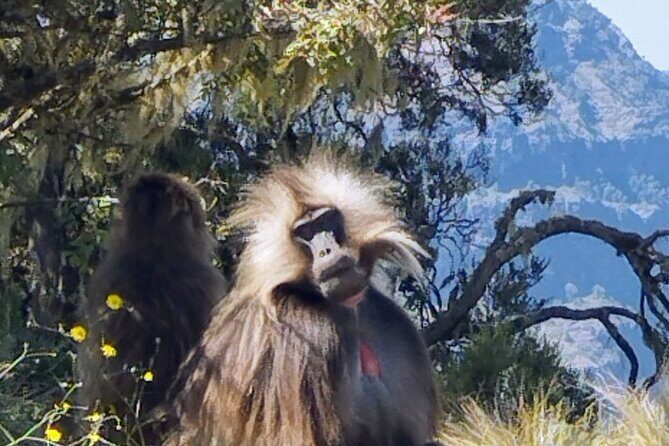
Debre Libanos is one of those places where the setting and the story both matter. It’s a little over 100 km from Addis Ababa, so you get out of the city early, but you’re still back in time for a full day rather than an overnight. The tour is set for an 8-hour experience, which is a realistic format for monastery visits.
I think the best reason to go is the combination: you’re not only seeing a church, you’re also seeing the traditions around it. That’s why the stop doesn’t end at stained glass and artwork. You also go up to Tekla Haimanot’s cave and then finish with the Blue Nile Gorge scenery.
There’s also a practical upside. The pace is guided and organized, with hotel pick-up and drop-off, so you’re not stuck figuring out connections on your own. With an average booking window of about 12 days, it’s smart to plan ahead, especially if you’re traveling during busy periods.
You can also read our reviews of more tours and experiences in Addis Ababa.


Entering Debre Libanos Orthodox Church and museum surprises
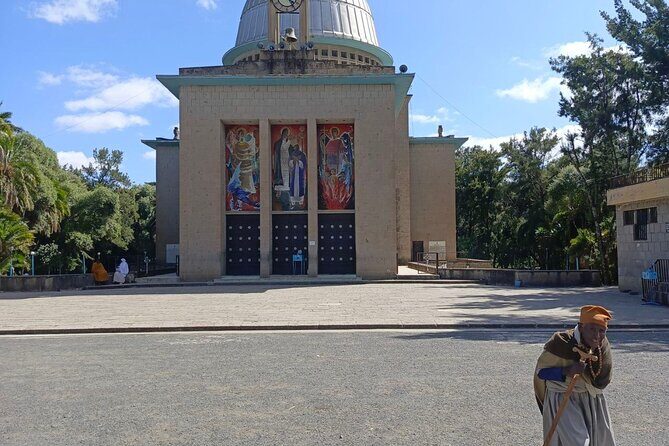
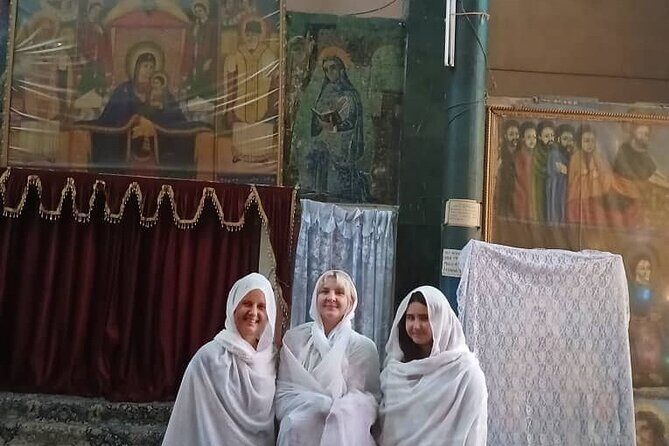
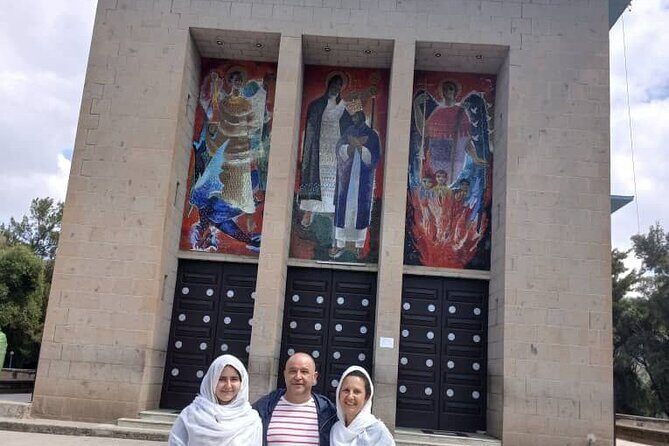
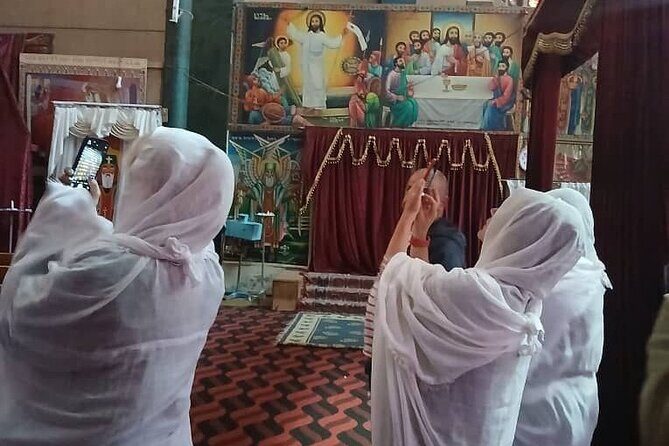
The church at Debre Libanos is monumental. From the outside it’s described as pretty awful, which is exactly the kind of detail that keeps expectations honest—don’t come only for the exterior wow-factor. What you’re really after is what’s inside and what surrounds it.
Inside, the experience leans heavily into visual and cultural storytelling. The stained-glass windows are specifically noted as attractive, and they help soften the overall first impression of the structure. Then comes the museum, which is the standout if you like historical objects with real personality.
This isn’t a quiet, narrow collection of only religious pieces. You can see items that feel almost cinematic in their contrast: Italian guns, giant cooking pots, and crowns of past emperors and their wives. There are also musical instruments and old wooden shackles. Even if you’re not a museum person, this mix makes the church’s past feel bigger than one building.
What makes the museum valuable is context. A good local guide helps you connect the objects to Ethiopia’s long Orthodox tradition and the wider history that touched the region. For anyone who likes to understand why things exist, this museum stop is where the day becomes more than sightseeing.
Tip that helps: take a moment to slow down around the most “unexpected” objects. The Italian guns and the shackles can read like random artifacts unless you pause and let your guide frame them.
Tekla Haimanot’s cave: holy water and a short uphill trek
After the church and museum, you’ll head toward the cave associated with the monastery founder, Tekla Haimanot. The cave is about 15 minutes up the hills, so you should be ready for uneven ground and a little effort, even though it’s not described as a long hike.
This stop matters because it explains the monastery’s spiritual geography. The cave is where the saint is said to have done his praying, and it’s also described as the source of Debre Libanos’ famed holy water. That kind of connection—between a place, a founder, and a living tradition—is often what makes religious travel feel real.
From a practical standpoint, I’d treat this as the most “active” part of the day. Wear shoes you trust on rocky paths, and keep your water bottle handy. The tour does include bottles of water, but you’ll still want your hands free for looking around and taking steady photos.
If you’re the type who likes to understand beliefs through place, this cave stop will likely be one of your favorite moments. It’s a different feel from the museum: more quiet, more grounded, and directly tied to the idea of pilgrimage.
Portuguese Bridge at the Blue Nile Gorge: controversy, views, and baboons
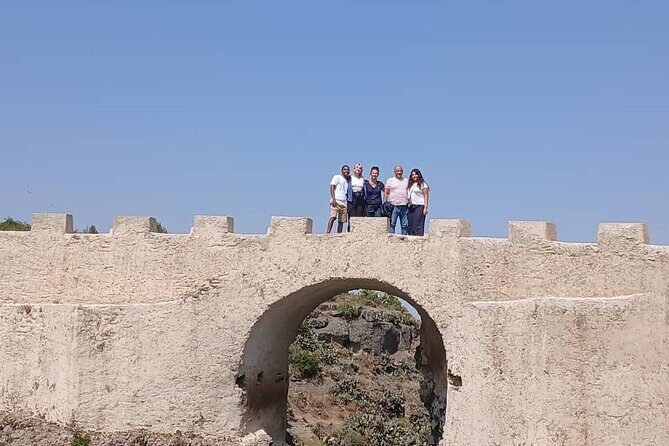
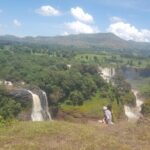
The Portuguese Bridge stop adds a strong change of scenery. After crossing the bridge, you head to the left along the river until you reach a large rock that offers a suitable viewpoint over a 600m waterfall. This is where the day starts rewarding your walking, because the payoff is the view.
A key detail: there’s controversy about the bridge’s origins. Some accounts say it was built in the 16th century by Portuguese forces. Others say it was built by Ras Darge, Menelik’s uncle in the 19th century. Even if you don’t become an expert in Ethiopian bridge history by lunchtime, being aware of the different theories gives you something interesting to look for.
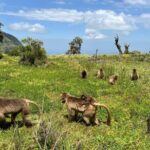
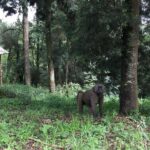
Wildlife is part of the plan. You’ll likely see Galada baboons (also referred to as Chelada baboons) at this stop, since they’re endemic to Ethiopia. Birdwatching is also on the table. That means you can enjoy the scenery even if you’re not focused on taking museum photos all day.
How to make this part more satisfying: position yourself at the rock viewpoint and give your eyes 30 seconds to adjust. Baboons can look like “moving parts” in the background until you spot them clearly. And if birds are active near the river area, they’re easier to notice once you’re still.
Timing, group size, and what an 8-hour day feels like
This is a scheduled day trip that starts at 07:30 AM and runs about 8 hours. That early departure is helpful because you’re traveling outside the city during the day’s quieter stretch. It also helps you fit the church, museum, cave, and Portuguese Bridge viewpoints without turning it into a late-afternoon scramble.
Group size is kept small, with a maximum of 5 travelers. In practice, that means you’re less likely to feel lost in a crowd while asking questions. It also tends to make walking portions easier to manage, especially when you’re moving between viewpoints and the cave area.
You’ll have private transportation, plus hotel pick-up and drop-off. So you can treat the day like one continuous outing rather than a DIY patchwork. Coffee or tea is included, and lunch is provided with local food, which matters because a day like this is long enough that skipping a meal can start to drain your energy.
One gentle reality check: this is not a slow, lingering monastery retreat. It’s a full-day sightseeing route. If you prefer to sit and read history for hours, plan to bring your patience and treat the guide’s pacing as part of the value.
Price and value: what $120 gets you (and why it can be worth it)
At $120 per person, this day trip isn’t a “cheapest option” in Addis. But it also isn’t a bare-bones outing. You’re paying for guided time, private transport, entrance fees, and a structured route that covers three distinct settings—church and museum, cave and holy water, and Blue Nile Gorge viewpoints.
Here’s what that price includes: entrance fees, private transportation, a local guide, government tax, coffee or tea, lunch (local food), hotel pick-up/drop-off, and bottles of water. That’s a lot of cost-management done for you, which matters when you’re on a tight schedule.
What’s not included is equally clear: personal expenses like shopping, any alcoholic drink, and tips. If you go with a plan to cover the non-included items (and you tip in a way that fits your budget), the price feels simpler and more predictable.
The reason I’d consider this good value is the museum content plus the cave plus the gorge viewpoint. Many day trips cover only one major stop, but here you get several. For a single extra day in Addis, that combination is often the difference between a fun outing and a memorable day with multiple layers.
Who should book this trip?
This tour is a strong fit if you want:
- A meaningful monastery experience with both church and museum content
- A chance to see the cave of Tekla Haimanot and learn the holy water connection
- A scenic end at the Blue Nile Gorge for baboons, birds, and a big waterfall view
It’s also a good match for people who like small groups and guided context. The maximum of 5 travelers helps keep it more personal than the big-tour scene.
If you hate walking on uneven ground, you might want to be cautious about the cave portion. It’s described as about 15 minutes uphill, plus you’ll do some walking for the viewpoint at Portuguese Bridge. Bring decent shoes and don’t assume this is strictly flat.
Should you book Ethio Top Land Tours for Debre Libanos?
If you have an extra day in Addis and you want to get out of town to a place with real depth, I’d book this. Debre Libanos offers the church museum content that makes the visit more than a quick look, and the Tekla Haimanot cave ties the day to a living tradition through holy water. Then the Portuguese Bridge and Blue Nile Gorge scenery adds a different kind of satisfaction—views, birds, and endemic baboons.
Book it especially if you want a guided route with transportation and meals handled. With hotel pick-up/drop-off, entrance fees included, and a small group size, the day feels easier to manage than building it yourself.
If you’re coming mainly for an exterior-photo-only attraction, you might feel underwhelmed by the outside of the church. But if you’re open to stained glass inside, odd and fascinating museum artifacts, and a short hill climb for the cave, this day trip is exactly the kind of Ethiopia experience that sticks.
FAQ
What time does the tour depart Addis Ababa?
The tour departs Addis Ababa at 07:30 AM.
How long is the Debre Libanos day trip?
The duration is about 8 hours.
How much does the tour cost?
The price is $120.00 per person.
Is hotel pick-up and drop-off included?
Yes, hotel pick-up and drop-off are included.
Are entrance fees included?
Yes. All entrance fees are included.
Is lunch included, and what type of food is it?
Yes, lunch is included and it’s local food.
What else is included besides meals and entrance fees?
Included items are private transportation, a local guide, government tax, coffee or tea, bottles of water, and a mobile ticket.
Is the Portuguese Bridge stop part of the route?
Yes. You’ll go to Portuguese Bridge located at the Blue Nile Gorge and then walk along the river toward a rock viewpoint for a waterfall.
What is the group size?
This tour has a maximum of 5 travelers.
Is free cancellation available?
Yes. You can cancel for a full refund up to 24 hours before the experience starts.