REVIEW · LALIBELA
Lalibela Churches Day Tour
Book on Viator →Operated by Access Eco Trekking Tours · Bookable on Viator
Most places in Ethiopia ask for time. Lalibela asks for attention. This day tour takes you through the rock-hewn churches of the 12th century—cut from living volcanic tuff—and connects you to the cave, tomb, and passage system that makes the site feel like one whole world. I especially like the focus on named churches like Bet Medhane Alem and Bet Maryam, plus the way your guide explains the construction and why the site matters to the people who built it. One thing to consider: it’s a long 8–9 hour outing, so plan for a big walking day and bring layers for early-to-late weather swings.
What really makes this worth your time is that it’s not just “churches, photos, move on.” You’ll also get the traditional Ethiopian coffee ceremony, plus chances to try local honey wine and listen to live traditional music. And since it’s a private tour, you can see everything at your pace instead of getting swept up in a herd. The possible drawback is that meals aren’t included—breakfast and dinner are on you—so your budget and energy for the full day need a little planning.
If you want Lalibela’s churches with context, some cultural stops, and a guide who can slow down when needed, this is a solid match.
In This Review
- Key highlights to know before you go
- First impressions: why Lalibela’s churches feel different
- Price and logistics: what you’re paying for at $180
- Your day at a glance: the pace and timing
- Stop 1: Rock-hewn churches in the morning (start at 8:30am)
- Bet Medhane Alem: big scale, strong geometry
- Bet Maryam: the most decorated in the rock-hewn group
- Midday break: lunch timing matters
- After lunch at 2:00pm: second and third church groups
- Why these later stops feel more meaningful
- The underground connections: caves, tombs, and deep passages
- Coffee ceremony, honey wine, and live traditional music
- Private tour benefit: time with your guide (not just your schedule)
- What to bring (and what to skip)
- Who this Lalibela tour suits best
- Should you book the Lalibela Churches Day Tour?
- FAQ
- What’s the duration of the Lalibela Churches Day Tour?
- Is pickup included?
- Is the tour private?
- What churches will I see?
- Do we visit underground tunnels?
- What cultural activities are included?
- What’s included in the price?
- What isn’t included?
- Is confirmation provided when I book?
- Can I cancel for a refund?
Key highlights to know before you go
- Private, on-your-time pacing with only your group participating
- Morning to afternoon coverage of multiple church groups across the site
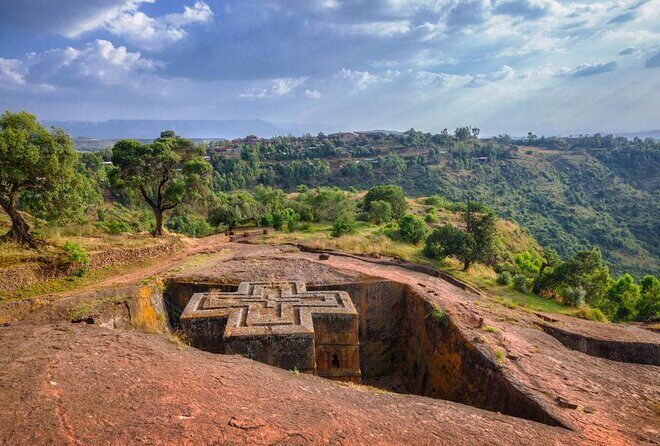
- Underground tunnels and passages that connect the churches and cave areas
- Coffee ceremony plus chances to try honey wine with live music
- Professional English-speaking guide and admission ticket included
First impressions: why Lalibela’s churches feel different
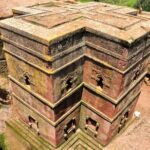
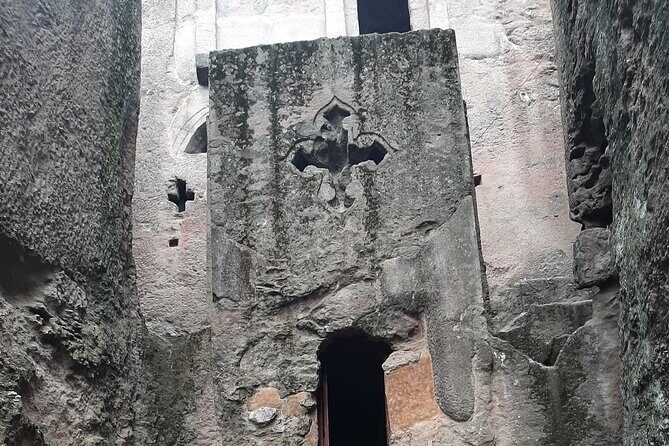
Lalibela is often described as sacred ground, but what you actually notice on-site is the engineering feel of the place. The churches are carved from volcanic tuff, and they’re not random buildings placed on top of a hill. They’re organized into clusters that connect to each other and to a network of caves and tombs through deep passages in the rocky ground. That connection is what turns a list of churches into a single experience.
I also like that this tour doesn’t treat the churches like scenery. You’ll have a guide who explains what you’re seeing—how the structures were made and what the site represents. That matters because the details (the shapes, the aisles, the carved forms, the way the tunnels link spaces) make sense faster when someone gives you the story behind the stones.
You can also read our reviews of more tours and experiences in Lalibela.
Price and logistics: what you’re paying for at $180
At $180 per person for about 8–9 hours, you’re paying for a private, guided format, not just a ticket. Here’s what that price includes: admission ticket, all fees and taxes, bottled water, an air-conditioned vehicle, and a professional English-speaking tour guide. Pickup is offered, and you’ll use a mobile ticket.
So when you compare it to cheaper options, the difference usually comes down to two things:
- Time quality: having a guide who can point out construction and meaning so you don’t spend the day guessing.
- Fewer hassles: transport, tickets, and the main sites are handled as one plan.
The only “hidden cost” style item is meals. Breakfast and dinner aren’t included, and alcoholic beverages aren’t included either. If you plan ahead for food, the overall value stays strong.
Your day at a glance: the pace and timing
This is structured as a full day. You start in the morning at 8:30am, then you move to the next set of churches after lunch around 2:00pm. The day is long enough that you should treat it like a hike day, even though you’re spending most of your time around historic buildings.
One practical tip: because you’ll be in and around stone interiors and passageways, wear comfortable shoes and plan for uneven ground. Also, bring something light for warmth. Stone spaces can feel cooler than the outside air, even when it’s warm in town.
Stop 1: Rock-hewn churches in the morning (start at 8:30am)
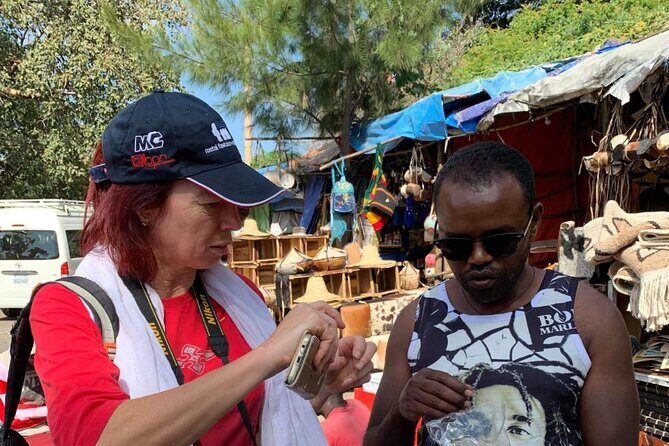
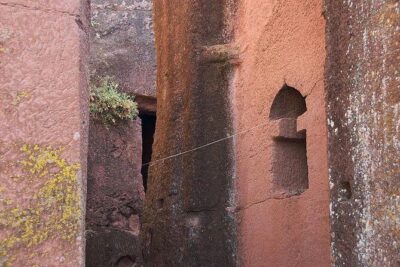
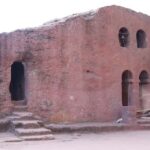
You begin with the first major group of the rock-hewn churches. The big idea here is material and method: each church is carved directly out of the volcanic tuff, using a level of stonework skill that still feels astonishing.
Bet Medhane Alem: big scale, strong geometry
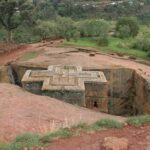
Bet Medhane Alem (House of the Redeemer) is highlighted as the largest church in this group. It’s described with very specific features—five aisles, 72 pillars, a vaulted dome, and molding decoration. That list is helpful because it tells you what to look for while you’re there. When your guide points out the aisles and pillars, you can map the space instead of just staring at the carvings.


Bet Maryam: the most decorated in the rock-hewn group
Next up is Bet Maryam (House of St. Mary). This one is described as the most decorated among the rock-hewn churches. That changes how you approach it as a visitor. Instead of focusing on scale, you’ll likely pay attention to details and surfaces—carved ornament and how decoration is used to shape the visual feel of worship spaces.
Morning is the best time for this kind of visit because your mind is fresh and you haven’t already used up your attention for the day. It also helps with crowds, since you’re starting early.
Midday break: lunch timing matters
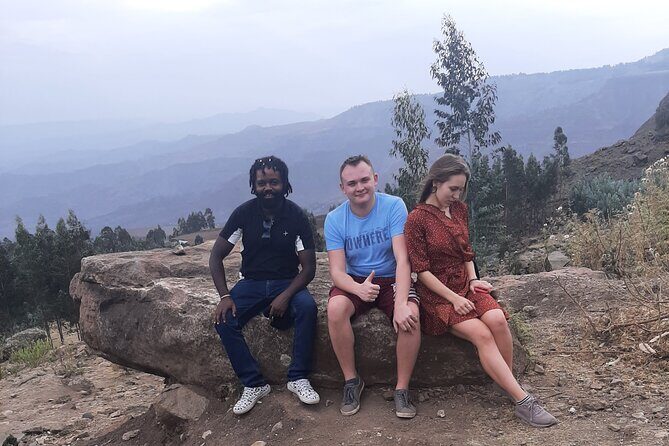
Lunch is built into the schedule, but the exact lunch plan depends on how the day runs. Since breakfast and dinner aren’t included, you’ll want to eat something steady before the tour starts if you can.
The good news is that the structure of the itinerary gives you a clean reset: morning church cluster, then after lunch you continue deeper into the full set of sites. That pacing prevents the day from turning into one long blur of stone walls.
After lunch at 2:00pm: second and third church groups
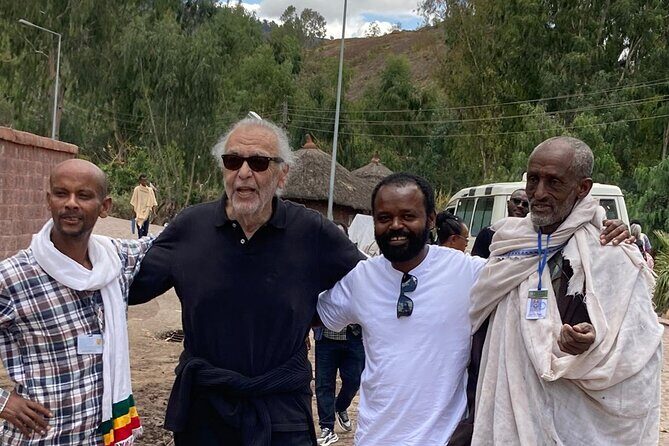
At around 2:00pm, you visit the second and third groups. This is where the tour expands beyond the “first wow” factor and starts building the full picture of Lalibela’s church network.
The churches called out for this stretch include:
- Bet Gabriel-Rufael
- Bet Merkorios
- Bet Amanual
- Bet Abba Libanos
You’ll also explore additional named churches included in the overall experience, such as Bet Meskel, Bet Danaghel, Bet Mikael, and Bet Golgotha. The important takeaway is that the itinerary is designed so you don’t just hit two or three sites—you see enough of the overall layout to understand how the cluster system works.
Why these later stops feel more meaningful
By afternoon, you’re no longer just collecting landmarks. Your brain starts comparing details: decoration styles, structural forms, and how tunnels and passages change what you experience inside. When you’ve already seen the early group, the later churches land with more meaning because you have context for how they fit into the whole religious landscape of Lalibela.
The underground connections: caves, tombs, and deep passages
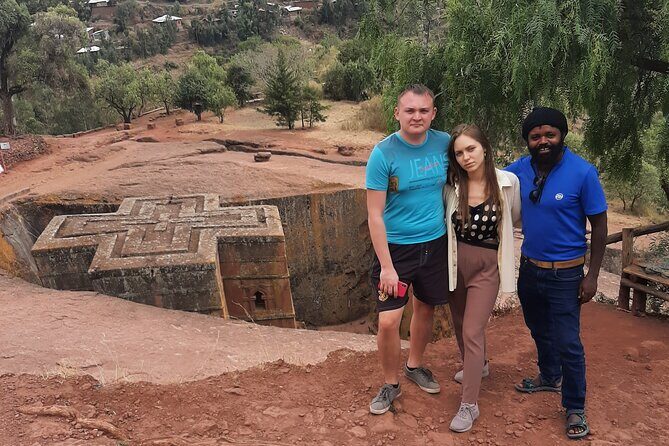
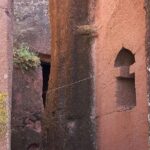
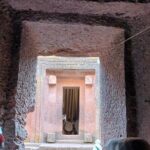
One of the tour highlights is using the underground tunnels. The churches aren’t isolated; they’re linked by passages in rocky ground, plus caves and tomb areas. That matters because Lalibela is often talked about as “churches,” but what makes it feel unique is the movement between spaces.
Even if you’re not thinking about it as archaeology, the connection changes how you experience the site. You’re walking through transitions—between light and shade, between open interior worship spaces and carved passageways. It’s the sort of detail that makes the day feel like a single guided story rather than separate stops.
Coffee ceremony, honey wine, and live traditional music
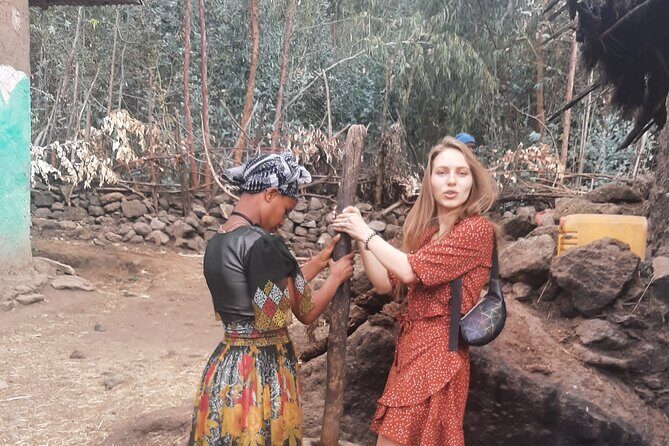
This is the part I look for in any Lalibela tour: a chance to experience living culture alongside stone monuments.
You’ll take part in a traditional Ethiopian coffee ceremony. Coffee ceremonies in Ethiopia are more than a caffeine moment—they’re a social ritual, and doing it as part of a guided day helps you understand what you’re looking at and why it’s done.
You’ll also try local honey wine and hear live traditional music. Since alcoholic beverages aren’t listed as included, the key point for you is that honey wine is offered as part of the experience. Still, if you have a strong preference on what you drink, plan to confirm what’s offered on the day.
Private tour benefit: time with your guide (not just your schedule)
This is a private tour, meaning only your group participates. That’s more than a sales line. In practical terms, it means your guide can pace questions, answer what you’re noticing, and spend a little extra time on whatever catches your eye.
One review experience emphasized having the guide Joseph nearly all to himself before tourist rush picked up again. That’s a great reminder: early starts and private formats can turn the day from crowded-and-fast into thoughtful-and-clear. If you want Lalibela to feel personal instead of rushed, this setup helps a lot.
What to bring (and what to skip)
From the information provided, bottled water is included and your vehicle is air-conditioned, so you don’t need to solve big comfort problems before you go. Still, you’ll want to show up prepared for a day full of stone interiors and walking.
Bring:
- Comfortable walking shoes
- A light layer for changing temperatures
- Your normal day bag essentials
Skip overthinking cameras and extras. Videography or camera fees may apply if you need special permission, so if you’re planning serious filming, it’s worth treating that as something to ask before you start recording.
Who this Lalibela tour suits best
This works well if you:
- Want a guided explanation of how the churches were made and why the site matters
- Prefer a private format over sharing time with strangers
- Like adding cultural stops to your historic sightseeing
- Are okay with an 8–9 hour day without included breakfast/dinner
It may be less ideal if you:
- Have a strict meal schedule and don’t want to manage breakfast and dinner on your own
- Want a super-short outing (this one is built as a full-day plan)
- Are traveling with very limited mobility, since the tour includes underground tunnels and multiple church areas
Should you book the Lalibela Churches Day Tour?
I’d book it if you want Lalibela to feel understandable, not just impressive. The combination of named rock-hewn churches, the underground tunnels, and the coffee ceremony plus live traditional music makes it more complete than a quick monument checklist. The private format is also a real advantage for pacing and for getting clear answers from your guide.
Book it if value matters to you in a practical way: the admission ticket, guide, bottled water, and air-conditioned transport are already part of the package. Just plan meals outside the tour—breakfast and dinner are yours to arrange—and wear shoes you trust on uneven ground.
If Lalibela is on your Ethiopia itinerary and you want one day that actually connects the dots, this is a strong choice.
FAQ
What’s the duration of the Lalibela Churches Day Tour?
The tour lasts about 8 to 9 hours.
Is pickup included?
Pickup is offered.
Is the tour private?
Yes. It’s a private tour/activity, and only your group will participate.
What churches will I see?
The tour includes visits to several rock-hewn churches such as Bet Medhane Alem, Bet Maryam, Bet Meskel, Bet Danaghel, Bet Mikael, Bet Golgotha, and also churches in the later groups including Bet Gabriel-Rufael, Bet Merkorios, Bet Amanual, and Bet Abba Libanos.
Do we visit underground tunnels?
Yes. You’ll use underground tunnels as part of exploring the churches and connected areas.
What cultural activities are included?
You’ll take part in a traditional Ethiopian coffee ceremony, and you’ll also have the chance to try local honey wine and hear live traditional music.
What’s included in the price?
Included are all fees and taxes, bottled water, an air-conditioned vehicle, a professional English-speaking tour guide, and the admission ticket.
What isn’t included?
Breakfast and dinner aren’t included, alcoholic beverages aren’t included, and tips and personal expenses are not included. Camera or videography fees are also not included if required.
Is confirmation provided when I book?
Confirmation is received at the time of booking.
Can I cancel for a refund?
Yes. Free cancellation is available. You can cancel up to 24 hours in advance for a full refund.