REVIEW · LALIBELA
Tour 11 monolithic rock churches & museum in Lalibela & cave church with mummies
Book on Viator →Operated by Chris Lalibela Tours · Bookable on Viator
Rock churches in Ethiopia feel almost unreal.
This private two-day plan puts you in the right places at the right pace, with airport and hotel transfers and air-conditioned transport—so you’re not scrambling on arrival. You’ll see monolith churches carved from solid rock, then move on to a cave church and its famed mummified pilgrims.
What I like most is the focus on context as much as the sites. You get guided time in the northern group, and the guide approach is repeatedly praised for being communicative and adaptable, including when families (and even a baby) are involved.
The only real consideration is physical effort. This area involves steep, narrow stone steps and uneven surfaces, and the tour asks for moderate fitness.
In This Review
- Key things to know before you go
- Why this two-day Lalibela plan makes sense
- Day 1: Northern rock-hewn churches, then optional museum time
- Getting real context from Chris and a local guide style
- Day 2: Yemrehana Krestos cave church, mummified pilgrims, then more clusters
- Southern churches and St. George: how to make the ending land
- Transport, timing, and comfort on steep stone
- Price and value: what $355 buys you in Lalibela
- Who this tour fits best (and who should consider alternatives)
- Should you book this Lalibela churches and mummies tour?
- FAQ
- How long is the tour?
- What does the tour include for Lalibela entrance fees?
- Are hotel and airport transfers included?
- Is this a private tour?
- What are the main stops on each day?
- What will I see at the cave church?
- Are meals and accommodation included?
- What fitness level do I need?
- Is there free cancellation?
Key things to know before you go
- Private means flexible: only your group participates, not a mixed crowd tour.
- Transfers included: airport pickup and drop-off to your accommodation (or the airport).
- Two very different church types: rock-hewn churches and a cave church that’s historically earlier.
- Museum time on Day 1: you may visit the museum after the northern churches.
- A famous cave church with bodies: Yemrehana Krestos (Yemrehana Krestos Church) is the big second-day draw, with mummified pilgrims in the rear of the cave.
- A guide who handles questions: the standout theme in feedback is strong English and lots of patient explanation.
Why this two-day Lalibela plan makes sense
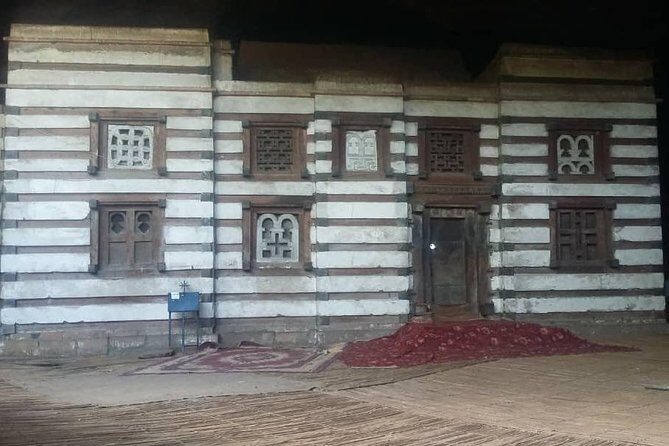
Lalibela is one of those destinations where the “main sights” can start to blur if you rush. I like this itinerary because it spreads the experience across two days instead of cramming everything into a single long push. Day 1 leans into the classic rock-hewn story, and Day 2 shifts into something more unusual: churches carved into caves and the human history tied to them.
The other practical win is how smoothly the logistics are handled. You’re picked up and driven in an air-conditioned vehicle, then returned to your hotel (and later, to where you need to go). That matters in Lalibela because travel times and walking between church clusters can add up fast when you’re trying to coordinate on your own.
Finally, there’s a strong “value for time” feel to it. You’re not only buying entrance tickets—you’re buying guided meaning, plus the transport that keeps your day from turning into a chess game.
You can also read our reviews of more museum experiences in Lalibela
Day 1: Northern rock-hewn churches, then optional museum time
Your first day starts with a pickup and a drive up to the hotel area, then you settle in before heading out again after lunch. The plan then takes you to the northern group of rock-hewn churches, with guided time to walk you through the background and church art. Entrance fees for the rock churches and the museum are included, which is nice because it reduces the number of “surprise” payments mid-trip.
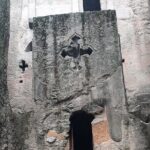
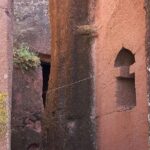
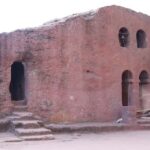
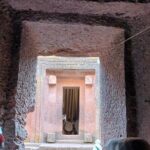
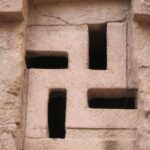
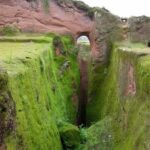
Why the northern group matters: this cluster is where you can grasp the overall idea of Lalibela’s rock-hewn churches—churches carved from solid stone with complex religious art and layout. The guide time here is what turns the visit from sightseeing into understanding. You’re not just looking at carved walls; you’re hearing how the design fits the Ethiopian Orthodox tradition and the history surrounding King Lalibela.
After the northern churches, there’s the chance to visit the museum. Whether you fit it depends on your schedule that day, but having it as an option is smart. If you like artifacts and clearer context, you can use that museum stop to “reset” your brain before the next day’s cave church.
What to watch for: you’ll be moving around for several hours. The day is listed as about 7 hours total, and the church viewing itself includes a multi-hour guided segment. If you’re sensitive to walking and stairs, wear supportive shoes and pace yourself.
Getting real context from Chris and a local guide style
A big reason this tour gets such strong marks is the guide quality—especially Chris. In feedback, Chris is described as local to Lalibela, with excellent English, strong communication, and the patience to answer tough questions. That might sound like a generic compliment, but here it matters because Lalibela’s churches are full of details: symbols, carvings, and design choices that only start to click when someone explains them clearly.
You’ll also see a pattern of adaptability. One family experience mentioned customizing the tour for a group that included a baby and older people. Other comments highlight punctuality and careful handling on the steep, narrow steps—the kind of small safety-and-comfort detail that can make or break a stone-site visit.
My practical advice: go in with a few questions, even if you’re new to Ethiopia’s Orthodox tradition. Ask about what you’re seeing—why certain shapes or placements matter. With a guide like Chris, you’ll get answers that feel connected to the real objects in front of you, not a rushed script.
Day 2: Yemrehana Krestos cave church, mummified pilgrims, then more clusters
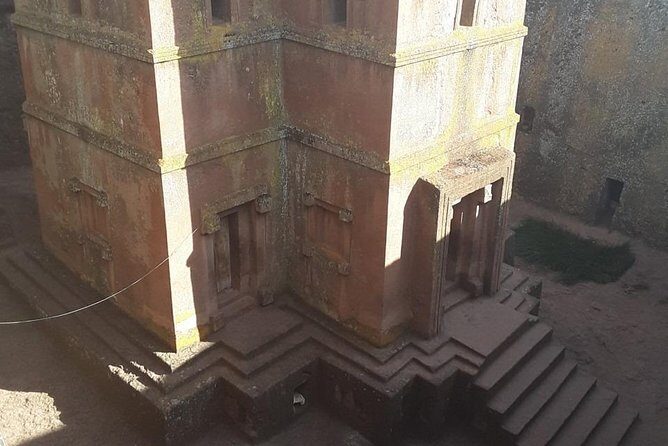
After breakfast, you’ll head out again. The drive is listed as 42 kilometers to the cave church: Yemrehana Krestos Church (also written as YirmrhanesKirstos in the tour description). This stop is important because the cave church is described as coming about 80 years earlier than the famous rock-hewn churches of Lalibela. That makes Day 2 feel like more than a second “church day”—it’s a historical shift in setting and time.
Here’s the headline moment: in the rear of the cave, you’ll encounter mummified bodies of pilgrims from centuries ago—described as 5,500 mummified pilgrims. You’ll want a guide here, because this is not just a spooky “look at the relic” type of stop. The meaning comes from the religious and cultural context around how pilgrims were involved and how the cave setting shaped the church’s role.
The respectful approach matters. You’re walking into a sacred space tied to human remains, so keep your voice down and follow your guide’s pace. If you’re expecting a quick photo stop, you’ll be disappointed; this is a slow, meaningful visit.
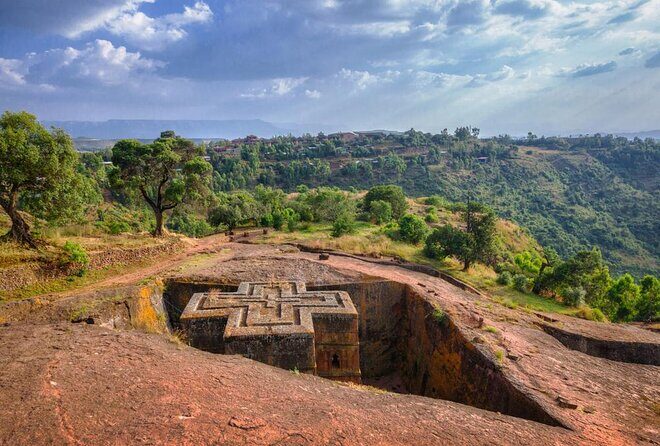
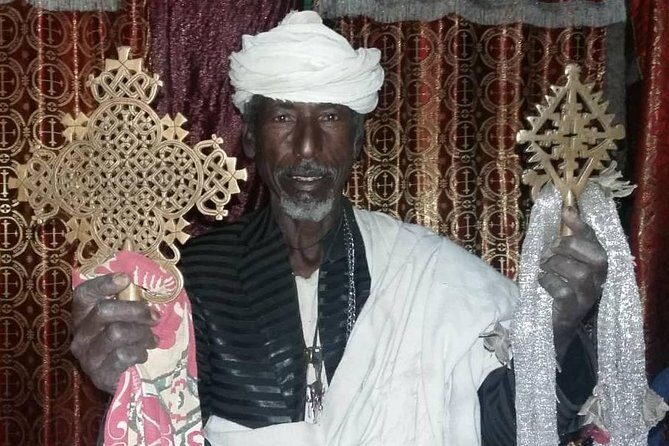
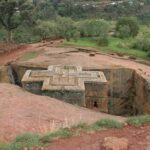
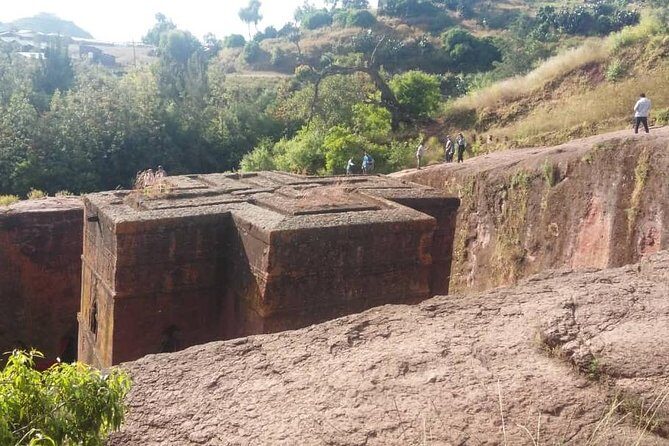
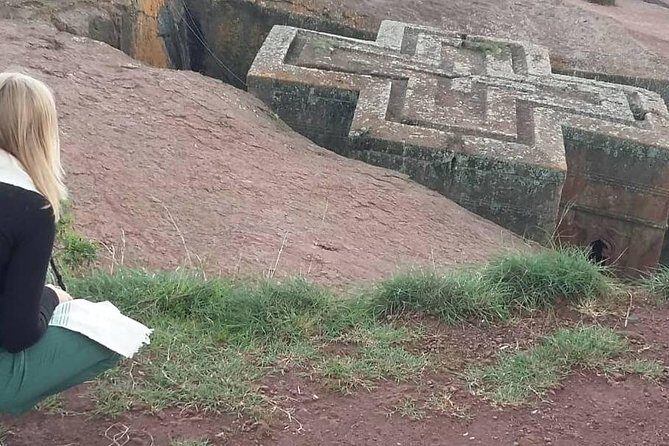
After returning for lunch at your hotel, the tour continues with the south-eastern cluster of Lalibela churches and ends with a visit to the cross-shaped monolithic church of St. George. St. George is constructed in honor of Ethiopia’s patron saint, and the design makes it a strong closing point—particularly if you want your last stop to feel striking and memorable.
Southern churches and St. George: how to make the ending land
The south-eastern churches and the St. George monolithic church work well as a finale because they bring variety after the cave experience. The cave stop is unusual and emotionally heavy in a way that can linger. Then you get back to the more recognizable “rock church” language—carved stone, religious art, and a walkable route through clusters.
St. George stands out in this itinerary because it’s described as cross-shaped and monolithic. Even without a deep background, you can usually feel the difference in the form. That’s where guided interpretation pays off: your guide can point out what you’re looking at and how it connects to tradition and identity in Ethiopia.
Practical takeaway: expect Day 2 to be busy too. The cave church segment plus the later cluster visit together are still built around multiple hours on the move, so plan for a day that’s active, not restful.

Transport, timing, and comfort on steep stone
This tour is built around air-conditioned vehicle transport, pickup, and returns—so your biggest physical challenge is the church sites themselves. The tour guidance says it’s for travelers with moderate physical fitness, and the hints from feedback line up: steep, narrow stone steps and uneven surfaces are part of the deal.
What you can do to stay comfortable:
- Wear closed-toe shoes with good grip (this is the difference between enjoying and rushing).
- Take your time on stairs and turns. Stone steps can be narrow, and your guide will help you pace safely.
- If you’re traveling with kids or older adults, tell your guide what pace works for your group. People noted customization for mixed ages, so it’s worth speaking up early.
The time windows also help you plan your day. The experience lists operating hours as 9:00 AM to 5:30 PM, Monday through Sunday. That’s useful when you’re trying to align flights, hotel check-ins, or any connection days.
Price and value: what $355 buys you in Lalibela
The price is $355 per person for approx. two days. Here’s how that feels in value terms based on what’s included. Entrance fees are not “floating”—the tour states $100 for the rock-hewn churches in Lalibela and the museum, plus $60 for Yemrehana Krestos Church. So you’re not just paying for a guide’s time; you’re also covering the core admissions.
On top of that, you get:
- Private tour format (only your group)
- Hotel and airport transfers
- Guided visits across the northern churches and museum time on Day 1
- The cave church with mummified remains and guided time there on Day 2
- The later church clusters and St. George
Meals and accommodation are not included, and that’s normal for two-day regional church tours. Your best budgeting approach is to plan for your own food and lodging, then treat the $355 as the “transport + guide + entrance fees” package that saves you from figuring out routes, tickets, and timing.
Also note the tour is positioned as a weather-dependent experience. If conditions are poor, you may be offered a different date or a full refund—so build a little flexibility into your overall Ethiopia schedule.
Who this tour fits best (and who should consider alternatives)
This experience is a great match if you:
- Want history and meaning, not only photos
- Like guided explanations from someone rooted in Lalibela
- Prefer a private pace that works for your group
- Are excited by the combination of rock churches and a cave church with mummified pilgrims
It may be less comfortable for you if:
- You have significant mobility limitations and stairs are a major barrier
- You want a slow, stroller-friendly itinerary (the tour does mention moderate fitness, and the church steps are steep/narrow)
If you’re coming to Ethiopia as a first trip and you want your introduction to feel grounded, this is the kind of tour that can set the tone. Feedback repeatedly praises the guide’s communication and how easily he handles questions—ideal when you’re starting from zero knowledge.
Should you book this Lalibela churches and mummies tour?
If you’re aiming for a high-impact Lalibela visit with less friction, I’d say this is a smart booking. The two-day structure fits the scale of the sites, and the inclusion of transfers plus entrance fees adds up. The big deciding factor is the guided interpretation—especially the local, patient style associated with Chris.
Book it if you want to understand what you’re seeing in the rock-hewn churches and then be taken seriously through the cave church of Yemrehana Krestos and its mummified pilgrims. Skip it only if walking stairs and uneven stone is a hard no for your body or your group.
FAQ
How long is the tour?
It’s listed as an approx. 2 days experience.
What does the tour include for Lalibela entrance fees?
The tour includes $100 for the rock-hewn churches in Lalibela and the museum, plus $60 for Yemrehana Krestos Church.
Are hotel and airport transfers included?
Yes. The tour includes pickup and transfers, with drivers happy to drop you at your accommodation or the airport based on your group’s needs.
Is this a private tour?
Yes. It’s described as a private tour/activity, with only your group participating.
What are the main stops on each day?
Day 1 focuses on the northern group of Lalibela rock-hewn churches (with possible museum time). Day 2 includes the cave church of Yemrehana Krestos, then lunch back at your hotel, and later the south-eastern cluster plus the cross-shaped monolithic church St. George.
What will I see at the cave church?
At Yemrehana Krestos Church, the tour description says you’ll see mummified bodies of pilgrims in the rear of the cave, described as 5,500.
Are meals and accommodation included?
No. Meals and accommodations are not included.
What fitness level do I need?
The tour notes travelers should have moderate physical fitness.
Is there free cancellation?
Yes, it offers free cancellation if you cancel up to 24 hours in advance for a full refund.