REVIEW · ADDIS ABABA
Debre Libanos Monastery and Jemma River Gorge – Day Tour from Addis Ababa
Book on Viator →Operated by Merit Ethiopian Experience Tours · Bookable on Viator
Monastery to monkeys in one long day. This outing pairs Ethiopia’s biggest Debre Libanos Orthodox site with dramatic Jemma River Gorge scenery, then adds a chance to spot Gelada baboons in the wild. It’s a smart way to get out of Addis Ababa fast and still fit serious sights into one day.
What I like most is the mix of big landmarks and lived-in culture. You get a traditional Ethiopian coffee ceremony with an Oromo family, plus time to see everyday rural life, not just stop-and-snap tourism.
One thing to plan for: entrance fees aren’t included, so you’ll likely pay a few site charges on the ground.
In This Review
- Key things to know before you go
- The drive north of Addis Ababa: why this day works
- Debre Libanos Orthodox Church: 13th-century faith and quiet details
- Portuguese Bridge and the Jemma River Gorge: waterfalls, views, and baboons
- Oromo coffee ceremony and the family visit: the human part of the day
- Guides and vehicles: why the day runs smoothly
- Timing and pacing: what a 7–9 hour day actually feels like
- Price and value: $272.77 per group up to 6
- Who this tour fits best (and who might want a different plan)
- Should you book Debre Libanos and Jemma Gorge?
- FAQ
- How long is the Debre Libanos Monastery and Jemma River Gorge day tour?
- Is hotel or airport pickup included?
- What’s included in the tour price, and what’s not?
- Do you include admission tickets to the monastery?
- What should women wear when visiting Debre Libanos Monastery?
- What should I do about rain or food choices?
- Can I cancel for a full refund?
Key things to know before you go
- Door-to-door pickup from Addis Ababa (including airport pickup) in an air-conditioned vehicle
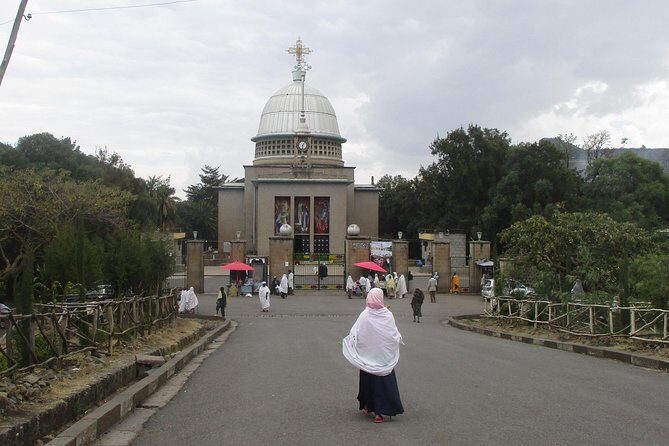
- Debre Libanos Orthodox Church: a major 13th-century Ethiopian Orthodox destination
- Portuguese Bridge + Jemma River Gorge: scenic stops and time for a lookout, including a waterfall walk
- Gelada baboon viewing time in the Portuguese Bridge area
- Oromo coffee ceremony and family visit that goes beyond a quick photo stop
- Private group of up to 6 with an English-speaking guide, lunch, and snacks on the road
The drive north of Addis Ababa: why this day works
This is the kind of day trip that makes sense if you want a real change of pace. Addis Ababa is busy, loud, and fast. Head north and you trade city pace for mountain air, winding roads, and the slow rhythm of villages and farm country.
The logistics are also friendly. You get hotel or airport pickup, then ride in an air-conditioned vehicle with bottled water and local snacks. That matters because the day runs about 7–9 hours total, and being comfortable in transit means you’ll actually enjoy the stops instead of feeling tired and cranky.
A nice detail: this is a private day tour for just your group (up to 6). That often leads to better pacing. If your guide suggests a good moment to walk downhill for photos, or explains what you’re seeing without rushing, you benefit from having your own time and attention.
Small heads-up from real-world conditions: if you’re traveling during major events, road access can change. One review noted that road closures during the Irrecha festival led to a short walk to reach the van. It’s not the usual plan, but it’s a good reminder to keep shoes and patience handy.
You can also read our reviews of more tours and experiences in Addis Ababa.
Debre Libanos Orthodox Church: 13th-century faith and quiet details
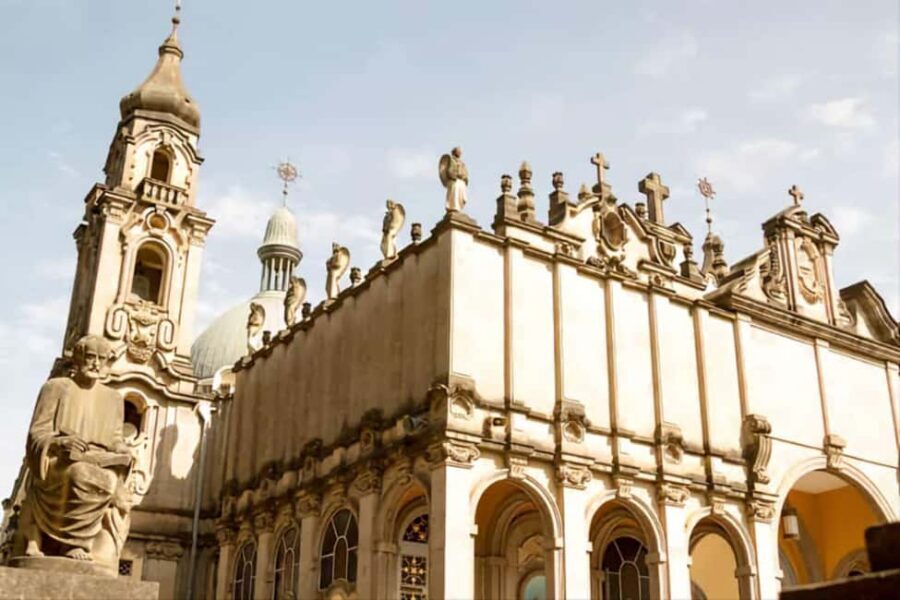
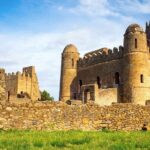
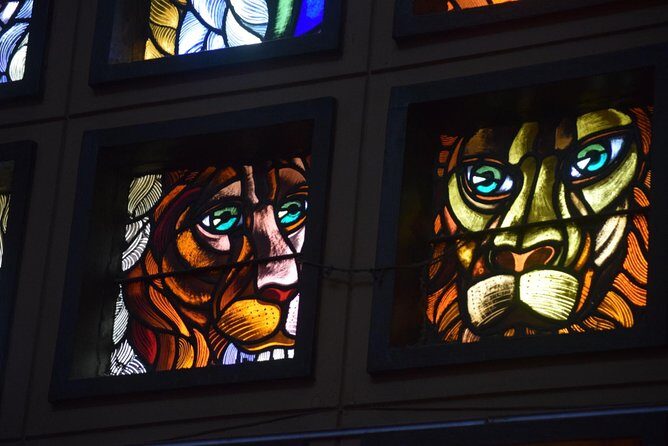
Debre Libanos isn’t just another church stop. It’s one of Ethiopia’s most important Orthodox sites, tied to Ethiopia’s long Christian tradition. The day heads about 100 km north of Addis Ababa to Debre Libanos Monastery, described as the biggest monastery of Ethiopian Orthodox Christianity in Ethiopia, founded in the 13th century AD.
When you arrive, you’re walking into a place where religion still shapes the rhythm of life. The mood tends to be calmer than Addis, and the church spaces often feel made for prayer, not sightseeing. I like that this tour gives you time to slow down and actually look.
You’ll also have a chance to connect the dots historically. One guide-led experience included time at a museum area where historical information was shared. Even if you don’t catch every detail, it helps to know there’s context on-site, so the visit feels grounded instead of random.
Practical tip: dressing matters here. Women are expected to be fully dressed and cover their hair when visiting the monastery. If you don’t travel with a scarf or shawl, buy or borrow one before you go. It’s the difference between feeling awkward and feeling welcome.
Another practical note: admission fees are not included for this stop. You’ll want a bit of local cash and patience for ticketing on the day, since the monastery visit is the centerpiece and it’s the one you’ll be paying for directly.
Portuguese Bridge and the Jemma River Gorge: waterfalls, views, and baboons
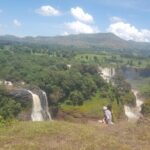
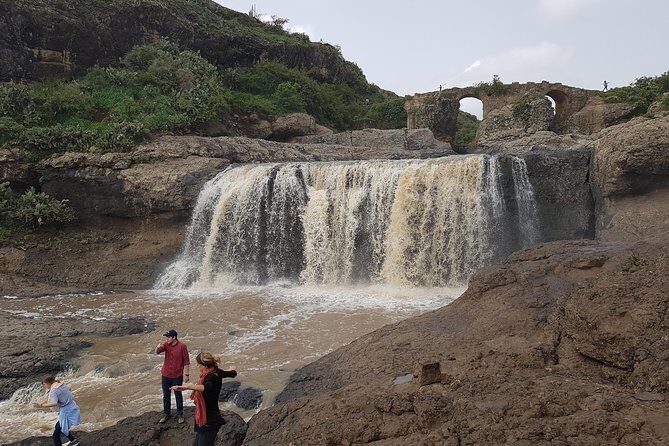
After Debre Libanos, the day turns more outdoorsy. You’ll visit the Portuguese Bridge, built in the 16th century AD, then head into the Jemma River Gorge area for scenic views and time to look for wildlife.
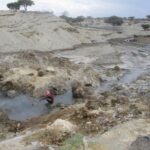
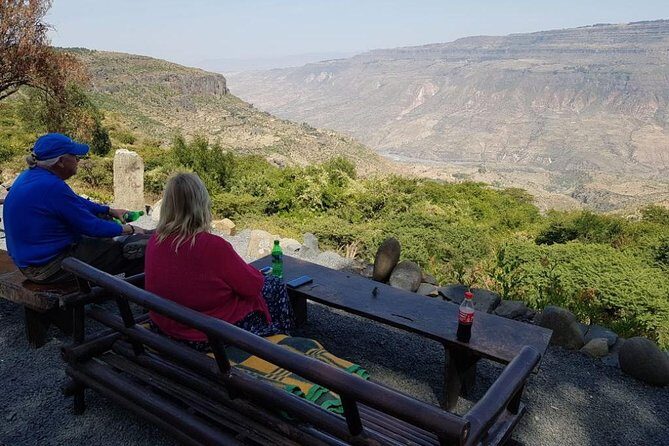
Portuguese Bridge is one of those places where the structure feels oddly memorable against the mountains and river cut. You don’t just stand there; you explore the gorge scenery, and you get a walk segment that can lead you toward a waterfall viewpoint. That’s the kind of movement that makes photos better and keeps the day from turning into a constant sitting-and-staring schedule.
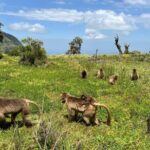
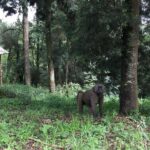
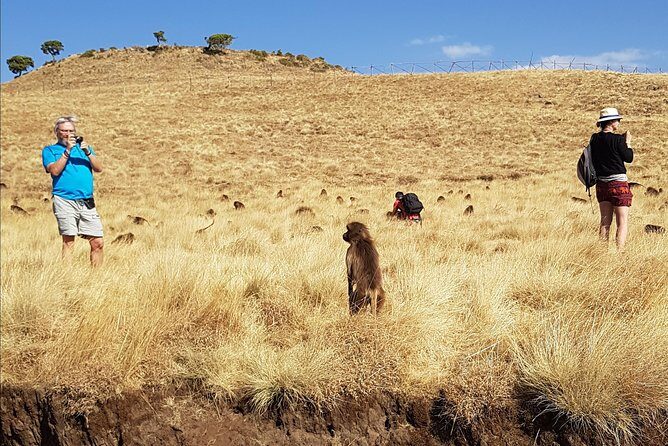
Now for the headline wildlife moment: this tour includes a chance to see Gelada baboons. Geladas are endemic to Ethiopia, and seeing them adds a strong “wow, this is why we traveled” factor to the day. Wildlife isn’t something you can control like a clock, but the tour is designed around giving you time and the right area for that possibility.
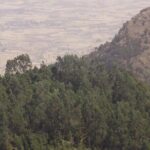
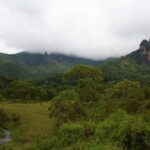
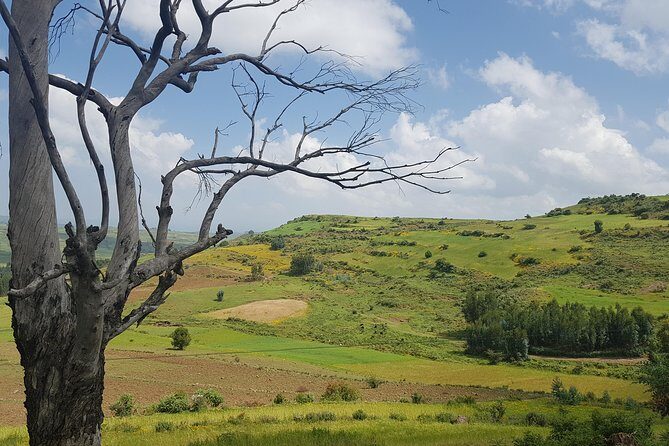
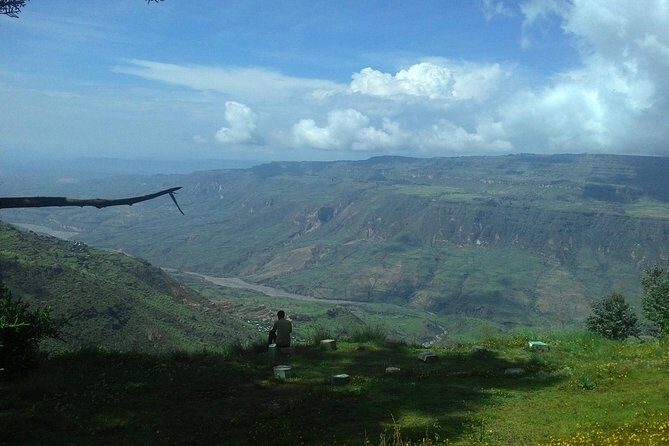
The Jemma River Gorge portion is also a great reminder that Ethiopia’s value isn’t only historic buildings. The natural setting does heavy lifting here. Even when the light isn’t perfect, you’re surrounded by the kind of terrain that makes the whole experience feel larger than a checklist item.
One more consideration: the timing of walks depends on weather. In rainy stretches, paths can be slick. If you’re visiting between June and September, expect wet conditions. Bring a light rain jacket and wear shoes you trust on uneven ground. Water-resistant bags are a bonus, too—because you’ll want your camera dry.
Oromo coffee ceremony and the family visit: the human part of the day
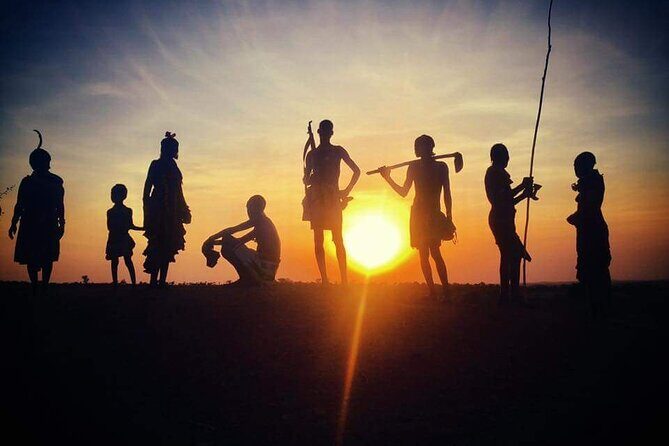
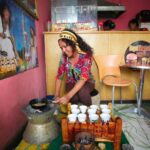
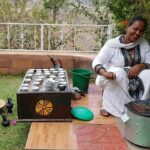
This tour is not only about churches and bridges. It includes a coffee ceremony attendance and coffee, and it also builds in a meet-and-greet with a local Oromo family.
This is where the experience becomes personal. Coffee isn’t just a beverage here. It’s a social moment, and it’s one of the easiest ways to understand daily Ethiopian culture without needing a museum ticket. You’ll be part of the ceremony, not just looking on from the edge.
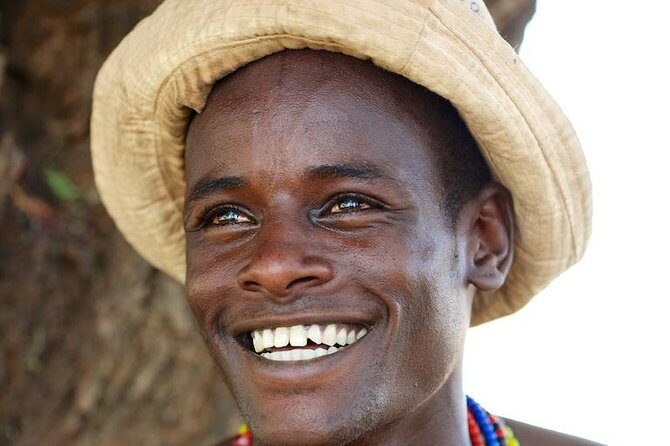
You should also expect a warm, curiosity-friendly interaction. Multiple guide-led experiences described meeting a farming family and being shown their home and way of life. That might sound simple, but it’s exactly what makes these rural stops memorable: you see the work behind the scenery.
If you’re nervous about language barriers, don’t be. Your guide supports the conversation and handles timing. Even if you don’t speak Amharic or Oromo, the ceremony is built for participation, and your host family will do the work of welcoming you.
A practical note on food: lunch is included as Ethiopian meals at a local restaurant. If you’re picky, or you don’t want to eat at small local spots, bring a packed lunch as a backup. That advice is especially helpful if you’re traveling with dietary needs that are hard to explain on the fly.
Guides and vehicles: why the day runs smoothly
What makes this tour feel worth it isn’t just the route. It’s the people steering the day.
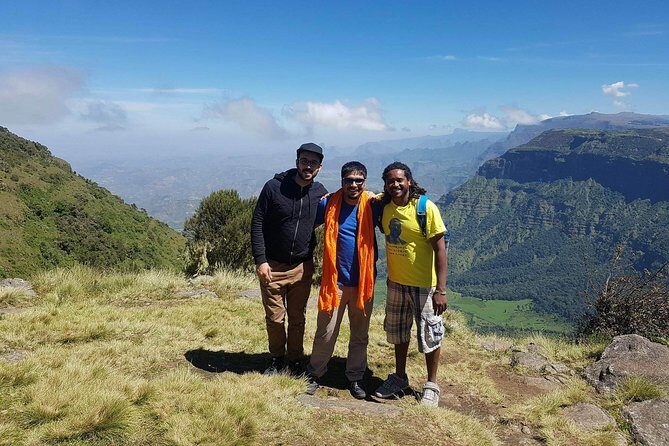
Across the experience, the English-speaking guide support stands out in name after name: Biruk is mentioned repeatedly for historical context and patience, and Muluken shows up as a friendly organizer/host type who keeps things flowing. Other guides mentioned include Abem, with professional guiding and culture-and-history context, and in some days Kede and Emush. Drivers also get their due credit, like Jemal and Amush, for being polite and helpful.
Even if you don’t catch the same names on the day you book, you can expect the same style: guides who explain what you’re seeing and answer questions, instead of reciting a script and rushing you to the next photo.
Vehicle-wise, the tour checks the practical boxes: pickup and drop-off, air-conditioned transport, bottled water, and snacks. It’s a small thing until you’re on the side of a road with tired feet and no water. Here, you’re set up for the road trip reality.
And because it’s private for your group, you can ask for small adjustments. For example, if you want extra time at a lookout, or you prefer slower walking in the gorge area, it’s easier for a guide to match the day to your group’s pace.
Timing and pacing: what a 7–9 hour day actually feels like
A 7–9 hour day sounds easy until you’re on Ethiopian roads and walking down to viewpoints. This tour helps by structuring the day into clear segments: monastery first, then bridge and gorge exploration, and then the Oromo cultural stops mixed in with the drive.
Stop 1 is the Debre Libanos monastery area, where you can spend about an hour. That’s enough time to see the key religious spaces and any museum context, without turning it into a rushed sprint.
Then you shift to Portuguese Bridge and the Jemma River Gorge segment, with about 2 hours allocated for scenery exploration, the gorge experience, and wildlife time. You’ll also have at least one walking component, so plan for it.
Between those highlights, you’ll have the human-cultural moments: a coffee ceremony and a family visit, plus lunch. The included lunch at a local restaurant helps keep energy steady for the walking portion later.
One more travel reality: weather and seasonal timing can change how the day feels. In rainy season months, you may slow down, shorten walks, or move more carefully on slick surfaces. That doesn’t mean the day is worse; it often means the mountains look softer and the gorge can feel moody and dramatic.
Price and value: $272.77 per group up to 6
At $272.77 per group (up to 6), this tour can be good value if you compare it to what you’d spend assembling the pieces yourself.
Why? You’re paying for more than driving. The price supports:
- Door-to-door pickup and drop-off in an air-conditioned vehicle
- Lunch and also bottled water and local snacks in the van
- A local guide on-site plus a professional English-speaking tour guide
- The coffee ceremony and Oromo family visit
- A private setup so the day isn’t shaped by strangers’ timelines
If you were to organize similar experiences separately—hire transport, find a guide who can explain religion and culture, and pay for coffee/family access—you’d likely end up with higher costs and more uncertainty.
Two budget notes to keep you from surprises:
- Entrance fees aren’t included, so plan extra spending for monastery and any other paid sites.
- There’s also a general instruction to bring packed lunch if you’re not eating Ethiopian food at small local restaurants, which suggests local food is part of the day’s authentic rhythm.
If you’re traveling solo, the group price might feel high at first glance. But the private nature helps justify it—especially if you value interpretation, cultural access, and a smooth schedule more than bargain pricing.
Who this tour fits best (and who might want a different plan)
This is a strong fit if you:
- Want a full-day north of Addis that mixes landmarks, nature, and culture
- Care about having an English-speaking guide to explain what you’re seeing
- Like the idea of an Oromo coffee ceremony and a real family encounter
- Hope to see Ethiopia’s wildlife, especially Gelada baboons
It’s also a decent option if you have limited time in Addis Ababa. The day structure is long enough to feel satisfying but not so long that you burn two full days.
It may be less ideal if you:
- Hate walking on uneven ground (there’s gorge walking)
- Don’t want to budget for entrance fees
- Prefer extremely formal, fully controlled experiences with no local restaurant time
Should you book Debre Libanos and Jemma Gorge?
I’d book this if you’re looking for a day that changes scenery and still feels human. Debre Libanos gives you Ethiopia’s Christian depth. Portuguese Bridge and the Jemma River Gorge deliver scenery, a waterfall walk, and a real shot at Gelada baboons. Then the Oromo coffee ceremony and family visit keep the day grounded in culture instead of turning it into a checklist.
Book with extra confidence if you want a private group day led by guides like Biruk or Muluken, with support from drivers such as Jemal or Amush, and you appreciate the “ask questions, understand context” style of guiding.
Skip it or adjust expectations if you’re sensitive to rain (June–September), dislike unplanned walking, or need you-and-only-you control over entrance fees and food. For most people, though, this is the kind of day trip that makes Addis Ababa feel like a starting point, not the whole story.
FAQ
How long is the Debre Libanos Monastery and Jemma River Gorge day tour?
The day tour runs about 7 to 9 hours.
Is hotel or airport pickup included?
Yes. The tour includes hotel pickup and drop-off and door-to-door transfers from anywhere in Addis Ababa, including the airport.
What’s included in the tour price, and what’s not?
Included are private transportation, lunch (Ethiopian meals at a local restaurant), a local on-site guide, a professional experienced English-speaking tour guide, local family visits, the Ethiopian coffee ceremony and coffee, bottled water and local snacks in the van. Entrance fees and other expenses not listed as included are not included.
Do you include admission tickets to the monastery?
No. Admission tickets are not included for the Debre Libanos Orthodox Church stop.
What should women wear when visiting Debre Libanos Monastery?
Women are expected to be fully dressed and cover their hair when visiting the Debre Libanos Monastery.
What should I do about rain or food choices?
If you’re visiting between June and September, expect wet weather and come prepared. If you’re not eating Ethiopian food at small local restaurants, bring a packed lunch with you.
Can I cancel for a full refund?
Yes. You can cancel up to 24 hours in advance for a full refund. If you cancel within 24 hours of the start time, you won’t receive a refund.