REVIEW · LALIBELA
Lasta Mountains: Highland Eco Trekking Tour in Lalibela
Book on Viator →Operated by Highland Eco Trekking Tours Ethiopia · Bookable on Viator
One mountain day, and your senses wake up. This full-day hike in Lalibela’s Lasta Mountains pairs serious trekking with real highland life—monastery visits, farmer conversations, and time outdoors where wildlife sometimes shows up.
I really like the way it’s built around a local guide and small-group pacing, so you’re not just hiking in the dark with strangers. I also like the practical side: meals, snacks, and bottled water are handled, which matters when you’re working uphill most of the day.
The main thing to consider is that this is an active, uphill trek. If you want flat and easy walking, this likely won’t feel like that.
In This Review
- Key things that make this hike work
- Lasta Mountains from Lalibela: what the walking feels like
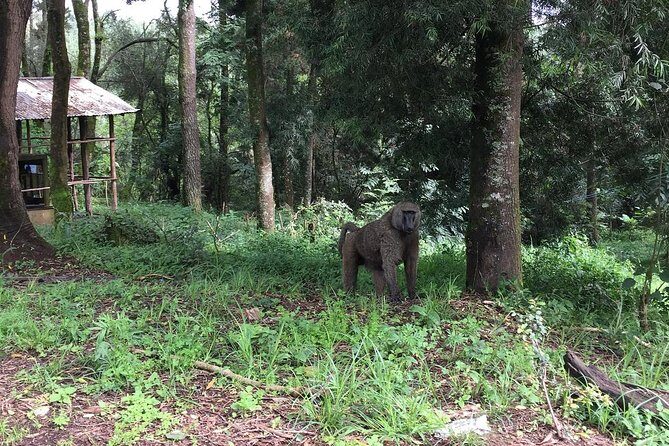
- Wildlife and highland nature: gelada baboons and Ethiopian wolves
- Ashen Maryam cave church: a still-active monastery stop
- Farmers, markets, and school life beyond the church circuit
- Guide lead, group limits, and the flow of the day
- Price and value: why $95.83 can make sense
- What to pack and how to pace an 8-hour uphill trek
- Who should book this, and who might skip it
- Should you book Lasta Mountains Highland Eco Trekking in Lalibela?
- FAQ
- Where is the meeting point, and when does the tour end?
- What’s the typical start time and how long is the experience?
- Is hotel pickup and drop-off included?
- How tough is the hike, and is it suitable for most people?
- What stops and activities are included besides hiking?
- Are meals, snacks, and water included?
- What wildlife might I see during the trek?
- Can children or service animals join, and what about cancellation?
Key things that make this hike work
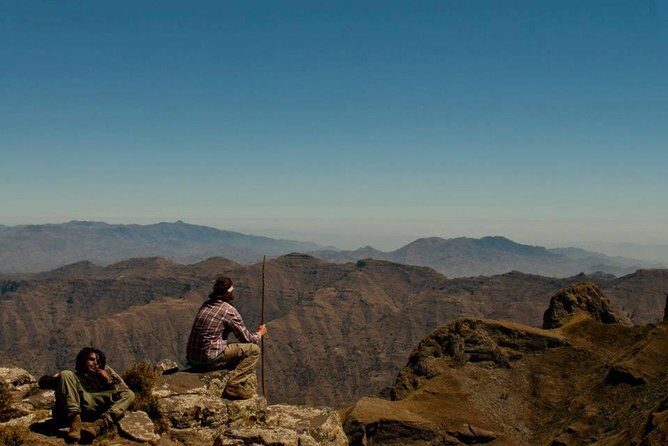
- Small group size (max 12) keeps the vibe manageable on narrow mountain paths.
- Early start from a local café (7am) gets you out of town while the air still feels good.
- Ashen Maryam, a still-active mountain monastery with a cave church gives the walk a strong cultural anchor.
- Wildlife viewing is part of the plan, with gelada baboons and Ethiopian wolves mentioned as possibilities.
- Farming communities and a local school help you see daily life beyond Lalibela’s churches.
Lasta Mountains from Lalibela: what the walking feels like
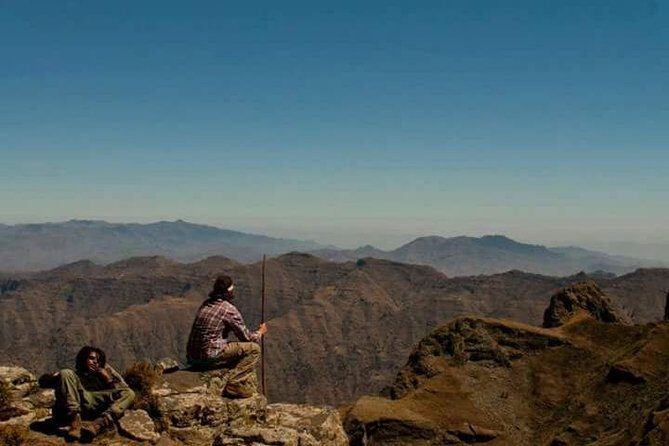
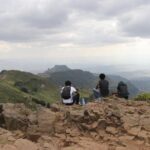
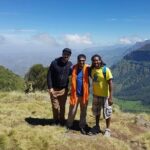
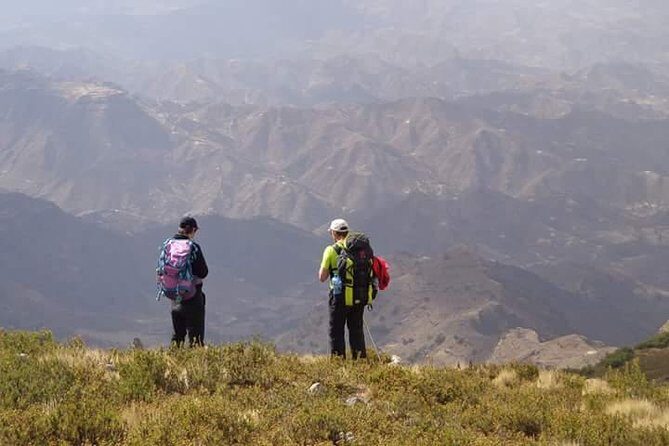
This tour is a full day from Lalibela, with a steady hiking rhythm and frequent mountain views. The day starts early: if your hotel doesn’t feed you breakfast, you’ll meet your trek guide at 7am in a local café, then begin hiking about 30–45 minutes later. You’re not wandering blindly for hours before the trail even begins—this structure helps you get your legs under you.
After you leave town, the route quickly shifts into nature right above Lalibela. Expect hills and an old-school path system: you’ll go up in a zig-zag pattern. The trail you follow has been used for a long time, and you can feel the logic of it—many feet, many trips, moving supplies between the mountains and Lalibela, including goods for the Saturday market.
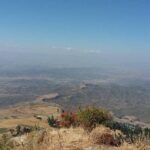
What I like about this style of hike is that it’s not just for exercise. That uphill route connects you to how people have moved in these highlands for generations. You’ll see sweeping mountain scenery early on, but you also keep working—so the views don’t feel like a random bonus. They become part of the effort.
You can also read our reviews of more hiking tours in Lalibela

Wildlife and highland nature: gelada baboons and Ethiopian wolves
You come to the Lasta Mountains for culture, but you also come for the wild parts of Ethiopia. Your guide’s commentary is part of the point: you learn about the local ecosystem while you walk, not after you’ve already finished the trails.
In particular, your guide says you might see gelada baboons and Ethiopian wolves. You shouldn’t treat that as a guarantee. In the mountains, wildlife sightings depend on timing, weather, and what’s happening locally. Still, building the walk around wildlife awareness is smart. Your eyes stay alert, and your guide helps you interpret what you’re actually seeing.
Practical note: when wildlife shows up, the best way to enjoy it is to keep your distance and stay calm. Your guide will be leading your pace; let them decide when to pause. This is how you get good viewing without pushing the animals out of their own space.
Ashen Maryam cave church: a still-active monastery stop
The hike’s anchor stop is Ashen Maryam, a still active mountain monastery with a cave church. This is the kind of place where the setting matters as much as the building. You’re already up in the highlands, and then you climb into a spiritual site carved into the mountain world.
On a day like this, monastery visits do two useful things. First, they give you a cultural reason to stop—so breaks don’t feel like you’re only resting to catch your breath. Second, they help you understand how religion fits into rural geography. Mountain monasteries make sense in a highland setting: they’re protected by the terrain and connected to local communities.
One thing to keep in mind: cave churches and monastery areas can mean uneven footing, careful movement, and a bit of respectful behavior. You’ll be with a guide, which helps a lot. The tone here is more quiet and grounded than a standard tourist photo stop.
Farmers, markets, and school life beyond the church circuit
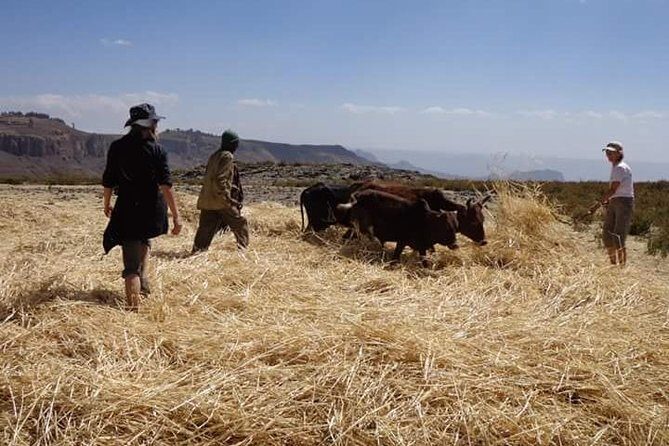
What makes this tour feel different from a simple nature walk is that you’re not only moving through scenery—you’re moving through people’s routines. On the way to Ashen Maryam and around the highlands, you get authentic insight into the life of Ethiopian farmers.
The route itself tells a story. The zig-zag paths are evidence of constant foot traffic over time—paths used to bring supplies either to the Saturday market in Lalibela or back home in the mountains. That’s not a random detail. It’s a reminder that trails are infrastructure here. They’re how the highlands connect to the wider world.
You’ll also meet locals who live in farming communities and you’ll visit a local school. That school stop adds weight to the day: it’s not just seeing farms from a distance. You’re seeing the places where community life continues, which makes the whole experience feel more like a meeting than a sightseeing loop.
In the reviews, people also mention the welcoming way guides connect you to everyday life. One guide name that comes up is Ashu, who is described as welcoming and a strong help in making the day feel comfortable and human. Even if your main guide isn’t the same person, the pattern matters: the best part of this tour is how it turns the walk into conversation.
Guide lead, group limits, and the flow of the day
This is a guided hike with a professional guide leading you along the trail. It’s not a self-guided trek where you’re left to figure out route choices. That matters in the highlands, where paths can be steep and the wrong turn wastes energy.
The group size is capped at 12 travelers, which is a sweet spot for a day hike. Too many people can slow things down and make wildlife stops awkward. Too few people can sometimes mean you lose the benefit of shared context. Here, the limit gives you a manageable pace while still keeping the day sociable.
Logistics are handled in a way that keeps you from losing half a day to logistics puzzles. Hotel pickup and drop-off are included, and you’ll use a mobile ticket. You start at D31, Lalibela, and the activity ends back at that same meeting point.
One small consideration: communication can be the weak link if you’re combining multi-day plans or if pickup timing shifts. The operator has acknowledged feedback around communication in other contexts, so my practical advice is to confirm your exact pickup time the day before. Don’t wait until the morning when you’re already hungry and packed.




Price and value: why $95.83 can make sense
At $95.83 per person, this full-day tour isn’t the cheapest option in Lalibela. But it also isn’t just “a walk with a guide.” The value comes from bundling what’s usually scattered:
- Professional guide
- Meals plus snacks and bottled water
- Hotel pickup and drop-off
- Local taxes
- Entry into the activities included in the itinerary
- Everything happening as a single coordinated day (so you’re not arranging food and routing)
When you’re spending an entire day moving through remote areas, a guide’s planning time has real cost. And when you’re hiking uphill for hours, food and water aren’t optional “nice extras.” They protect your energy, which protects your mood.
Also, the tour includes an “all activities” bundle rather than charging you for each small component separately. That tends to make the day easier to budget for. The one thing not included is transportation to/from attractions—so if you’re relying on someone else to get you to the general meeting area, you’ll want to clarify how your hotel plan fits with the pickup.
What to pack and how to pace an 8-hour uphill trek
Even with meals and water included, your job is to show up ready for sustained walking. The tour itself mentions the constant going up and the long mountain paths, so I’d plan your energy like you would for any half-day-to-full-day trek.
Here’s what I’d treat as non-negotiable:
- Sturdy walking shoes with grip
- Layers for changing mountain temperatures
- Sun protection (cap, sunscreen)
- A small daypack so you can keep water and snacks organized
Because the schedule includes an early café start and a hike window right after leaving town, don’t plan a late breakfast before this tour. If your hotel breakfast is weak, the 7am café meeting is your backup plan.
Also, remember that this isn’t a quick hike between viewpoints. You’re moving through monastery areas, paths with historical traffic, and stops involving community life. That means you’ll be stopping, starting, and changing ground surfaces. Going slower than you think you need to is often the difference between enjoying it and feeling rushed.
Who should book this, and who might skip it
Book this tour if you want a guided day that mixes mountain views, culture at a still-active monastery, and real highland community contact. It’s a strong choice for people who like walking but also want context for what they’re seeing—ecosystem commentary plus cultural stops do that well.
Skip it (or consider another option) if you’re looking for an easy, mostly flat walk. The zig-zag uphill route and the length of the hike are part of the experience design. Also, if you’re sensitive to long time outdoors, make sure you’re comfortable with an 8-hour day including walking time.
If you want a smoother human touch, ask about guide options when booking. The name Ashu comes up positively for being welcoming and helpful in creating a comfortable experience, especially for people arriving and unsure how the day will feel.
Should you book Lasta Mountains Highland Eco Trekking in Lalibela?
Yes, if your ideal day in Lalibela includes more than churches and more than photos. This hike gives you a grounded look at how life connects across the highlands—through paths that have served families and markets for years, a cave monastery that’s still active, and community moments like a school visit. With meals, snacks, water, and pickup/drop-off included, it’s also a rare case where “guided” doesn’t mean “figure out everything yourself.”
If you’re unsure about the hiking level, read the tour description again and be honest about your comfort with uphill walking. If you can handle hills and want an off-the-beaten path day with structure, this one is a good fit.
FAQ
Where is the meeting point, and when does the tour end?
The tour starts at D31 in Lalibela and ends back at the same meeting point.
What’s the typical start time and how long is the experience?
You’ll meet your trekking guide at 7am at a local café (especially if your hotel doesn’t provide breakfast). The full-day hike runs for about 8 hours.
Is hotel pickup and drop-off included?
Yes. Hotel pickup and drop-off are included, and the tour also includes local taxes.
How tough is the hike, and is it suitable for most people?
The tour involves walking uphill through the Lasta Mountains, including a zig-zag path toward the monastery. The listing notes that most travelers can participate, but you should expect a real trekking day rather than a flat stroll.
What stops and activities are included besides hiking?
You’ll hike through the mountains for views, visit Ashen Maryam (a still active mountain monastery with a cave church), and you’ll also meet locals in the farming communities and visit a local school.
Are meals, snacks, and water included?
Yes. Meals, snacks, bottled water, and beverages are included to keep you fueled during the hike.
What wildlife might I see during the trek?
The tour description says you might see gelada baboons and Ethiopian wolves as part of the guided nature viewing.
Can children or service animals join, and what about cancellation?
Children must be accompanied by an adult, and service animals are allowed. You can cancel for a full refund up to 24 hours in advance of the experience start time.