REVIEW · ETHIOPIA
3 Day Guided Tour Throughout Danakil Depression in a Small Group
Book on Viator →Operated by Lucy Ethiopia Tours · Bookable on Viator
If you want a place that feels unreal, go.
The Danakil Depression in Ethiopia is all heat, salt, sulfur steam, and jaw-dropping geology. I love that this tour keeps things small-group and hands you real time at the highlights, not just quick photo stops. You’ll also get the useful mix of driving days, short hikes, and a volcano night that’s unforgettable for the right reasons.
Two things I like a lot: the chance to see Erta Ale up close and the Dallol area’s strange color chemistry. You’ll watch lava activity from camp and spend time around geothermal formations and salt features that look like they belong on another planet. A small drawback: this is remote and hot, so you need a basic comfort level for long road hours and rougher conditions than a city tour.
For me, the deal-maker is how well it’s put together by Lucy Ethiopia Tours. The owner, Kiros (and his team), comes through with clear communication and reliable planning, and names that show up in the experience include Abiti, Yousef, Solomon, and Anwar. The cooking and camping setup is handled, but you’ll still be doing serious sun and walking, so plan accordingly.
In This Review
- Key highlights you’ll actually remember
- Why Danakil Depression feels like another planet
- Lucy Ethiopia Tours and the small-group advantage (max 6)
- Day 1: Lake Afdera swim and arriving at Dodom for Erta Ale
- Day 2: Hamad Ela camel caravans, Ragad salt mining, then Dallol
- Day 3: If you want sunrise, do it—and then back to Semera
- Price and value: what $525.87 covers in real terms
- What you should bring (so you don’t regret it)
- Who should book this Danakil tour (and who should skip it)
- The decision: should you book with Lucy Ethiopia Tours?
- FAQ
- How long is the 3 Day Guided Tour Throughout Danakil Depression?
- Where does the tour start and end?
- What is the price per person?
- What’s included in the tour price?
- Is airfare included?
- What group size is this tour?
- Is a certain fitness level required?
- What is the cancellation policy?
Key highlights you’ll actually remember
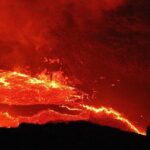
- Erta Ale lava camp: dinner, then a night watching boiling activity from the rim area
- Lake Afdera water time: a salt-lake dip and chance to catch natural hot springs
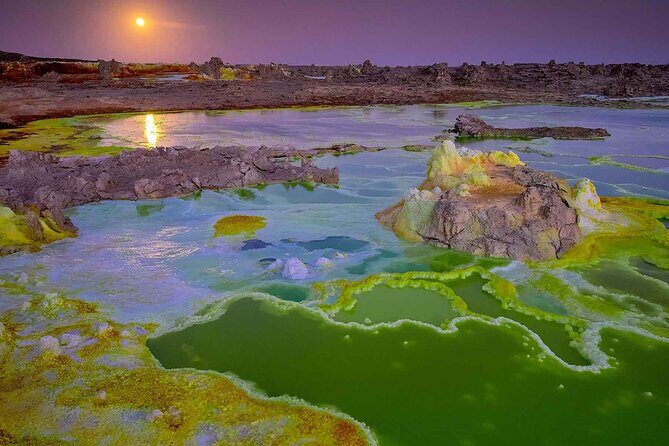
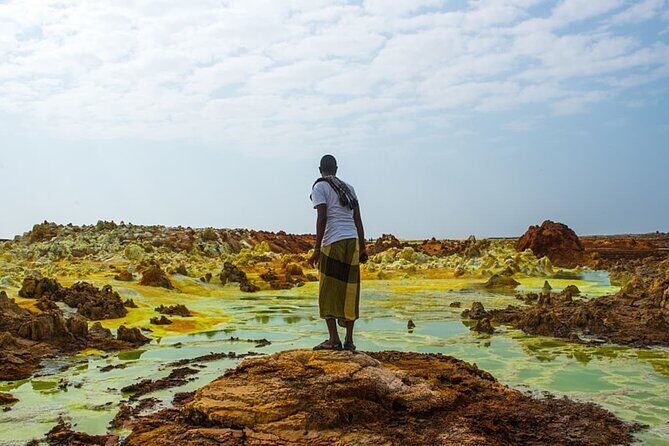
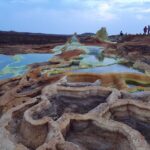
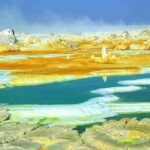
- Dallol’s geothermal colors: sulfur and potash tones plus volcanic formations and color-rich features
- Salt-mining reality at Ragad (Asebo): see locals cutting salt into rectangular pieces and loading it onto camels
- Camel logistics included: camels move camping materials and key gear in Afar for the volcano night
Why Danakil Depression feels like another planet
The Danakil Depression is famous because it’s extreme in every direction. The air can feel heavy with heat and mineral smell. The ground is salt. The colors change by the hour because geothermal areas shift from pale mineral whites to sulfur-stained yellows and reds.
What makes this tour click is timing and distance. You don’t just drive past huge sights. You stop, walk (short but real), and you spend time in places like the salt lake and the volcano rim area where you can actually process what you’re seeing. That matters here, because rushing makes everything feel like a blur.
Also, the trip is built around active processes rather than static scenery. You’ll see salt cutting and camel caravans tied to how people work here. It’s not a “stand still and admire” kind of destination. It’s living, functioning harshness.
You can also read our reviews of more tours and experiences in Ethiopia.
Lucy Ethiopia Tours and the small-group advantage (max 6)
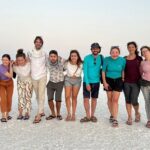
This runs with a maximum of 6 travelers, which is the sweet spot for a remote trip. Small groups help in a place where logistics are tight: fewer people to manage in heat, fewer variables for timing, and more flexibility when roads and conditions demand it.
You meet at Semera Airport (Sultan Alimirah Hanfare Airport / Samara area). The tour starts at the listed time of 12:00 am, and then you’re moving quickly into the Afar region. You’ll ride in an air-conditioned vehicle, which is a big comfort upgrade once you’re out in intense heat.
One practical bonus: the experience includes local guidance for the Afar region. The names I saw associated with this experience—Abiti, Yousef, Solomon, and Anwar—signal that you’re not just getting a driver. You’re getting people who know how to manage the cultural side and the working-salt side, plus how to keep you safe around fragile ground and harsh conditions.
Day 1: Lake Afdera swim and arriving at Dodom for Erta Ale
Day one starts with driving from Semera toward the Danakil Depression, with a big first stop at Lake Afdera. Lake Afdera is a salt lake in the heart of the region, and the schedule gives you a chance to experience natural hot springs and do some swimming. That’s not a normal travel “amenity.” It’s part of the place. You’ll get that quick shock of relief once the water hits your skin—then you’ll understand why people endure this environment.
After that, you drive toward Dodom, at the base of Erta Ale. This is where the trip shifts from “desert drive” into “volcano mission.” You leave after lunch, then you trek to the rim area with a walk time listed around 1 hour (from Dodom to Erta Ale area). The trek is short on paper. Still, heat and salt make “short” feel longer.
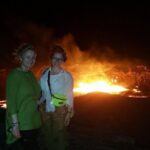
Dinner comes early around 17:00, and then you sleep near the rim while the lava is active. The logistics matter here: camels transport camping materials and sleeping items like light mattresses and mats, plus water. That reduces your burden and lets the night focus on the main event—watching the boiling lava activity at close distance.
The practical reality: plan to stay calm and patient. Volcano watching sounds simple, but in extreme settings you’re relying on good timing, steady footing, and a calm group rhythm.
Day 2: Hamad Ela camel caravans, Ragad salt mining, then Dallol
Day two starts early. You have breakfast, then a drive to Hamad Ela at around 04:30. Hamad Ela is described as a village with about 500 people, and the point of the stop is atmosphere: you’ll see camel caravans and get a feel for how movement and labor function in this area.
From there, you’re set up for sunset viewing at the shallow Lake Assale. Sunset here isn’t just pretty. It’s also when you can better see the salt texture and the change in color across the ground.
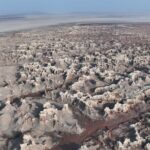
Then comes one of the most valuable parts of the day: the salt mining area at Ragad (Asebo). The description is specific: salt covers a huge area of the Afar Depression, and you’ll look at local activity breaking salt from the ground. People cut it into rectangular pieces and load it onto camels. If you’ve only seen salt as a product in your kitchen, this is the missing reality check.
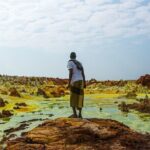
After that, the day becomes pure geological weirdness. You drive onward to Dallol, with stops that include Dallol + Lake Assale + Salt Canon, plus camel caravans as you follow follow-up movement through the area. Dallol is where the sulfur-and-mineral look hits hardest: the features formed by volcanic activity create strong color contrast and strange textures. It’s not “pretty” in a traditional way. It’s fascinating because it looks chemically built.
Time on day two is long—about 6 hours for the featured block—so you’ll want to be mentally ready for road stretches and heat shifts. Bring patience and sunscreen. And drink water even when you don’t feel thirsty.
Day 3: If you want sunrise, do it—and then back to Semera
Day three is lighter and more forgiving. There’s an option for another chance to see sunrise around Lake Assale, then you drive back toward Lake Afdera. You’ll have breakfast, then return to Semera, ending with an airport drop-off.
This day is a good “choose your pace” finale. If the sunrise is your thing, take it. If you’re already cooked from day one’s volcano night and day two’s salt and Dallol, you can keep your energy for the final drive and just enjoy the scenery passing by.
Lake Afdera again is a strong closer because it’s the calmer setting in the middle of all the mineral intensity. After the volcano and Dallol, even a simple salt-lake morning can feel like a reset.
A few more Ethiopia tours and experiences worth a look
Price and value: what $525.87 covers in real terms
At $525.87 per person, this isn’t a bargain by global standards, but it also isn’t priced like a city-style tour. In remote Afar, the costs come from vehicles, guides, and the heavy work of moving gear safely.
Here’s what’s included, and why it matters:
- Air-conditioned vehicle: comfort during long drives is real value
- All fees and taxes
- Cooking and camping equipment: you’re not showing up with a backpack of survival gear
- Camel and camel tires in Afar Region: the camel component is integrated into the plan
- Local guide service for the Afar region: especially important for salt-mining areas and remote sites
- Bottles of water
- Meals: 2 dinners, 3 breakfasts, 2 lunches
What’s not included:
- Any flight
- Alcoholic drinks
- Camera and video charges
Also worth saying: this kind of trip lives or dies by planning. When people show up unprepared for heat and remoteness, the whole experience turns into “survive the day” instead of “experience the place.” This package helps you avoid that failure mode by handling the core logistics and feeding you properly.
What you should bring (so you don’t regret it)
This tour is marked for moderate physical fitness, and you’ll be trekking to the Erta Ale rim area (about an hour). That’s not marathon stuff, but you need stable shoes and the ability to handle uneven, dry ground.
Bring the basics for hot, mineral terrain:
- Sun protection: hat, sunscreen, sunglasses
- Light layers that still cover your skin
- A refillable water bottle, even though the tour provides water
- Sturdy closed-toe shoes for salt dust and rocky footing
- A small headlamp or flashlight for camp life (helpful around evening hours)
For day-one camp, you’re sleeping after dinner near the volcano rim area with camping support and mats. You don’t want to treat this like a hotel night.
And one more reality check: the environment can be harsh on eyes and skin. You’ll likely want eye protection, especially on windy salt days.
Who should book this Danakil tour (and who should skip it)
This is best for you if:
- You love geology, extreme environments, or “active Earth” travel
- You’re comfortable with long drives and remote conditions
- You want a small-group setup where guides can manage the details
- You want to see the human side of the salt economy, not just watch from a distance
Skip it if:
- You hate heat and dust and can’t handle basic outdoor nights
- You’re not comfortable walking on uneven terrain in extreme conditions
- You need a fully soft-comfort travel style with minimal physical effort
The decision: should you book with Lucy Ethiopia Tours?
If you’re looking for a once-in-a-lifetime Afar experience, this is a strong match because it hits the core three: Lake Afdera, Erta Ale, and Dallol—with salt mining as the connective thread. The small group size (up to 6) and the inclusion of camels, camping gear, and local Afar guidance are what make the trip feel structured rather than chaotic.
My advice: book if you’re excited by hard places and you can handle sun, dust, and walking. Don’t book if you want a relaxing, luxury-style getaway. This isn’t that. This is for people who want the real thing—and don’t mind sweating for it.
Also note: the experience requires good weather, and there’s a minimum traveler count. If conditions aren’t right, the tour may shift dates or be refunded—so plan flexibility.
FAQ
How long is the 3 Day Guided Tour Throughout Danakil Depression?
The tour lasts about 3 days.
Where does the tour start and end?
It starts at Semera Airport (Sultan Alimirah Hanfare Airport / Samara area) and ends back at the same meeting point.
What is the price per person?
The price is $525.87 per person.
What’s included in the tour price?
Included are an air-conditioned vehicle, all fees and taxes, cooking and camping equipment, camel support in Afar, local guide service for the Afar region, bottled water, and meals (2 dinners, 3 breakfasts, and 2 lunches).
Is airfare included?
No. Any flight is not included.
What group size is this tour?
It has a maximum of 6 travelers.
Is a certain fitness level required?
Yes. You should have a moderate physical fitness level.
What is the cancellation policy?
You can cancel for a full refund up to 24 hours before the experience starts. The tour requires good weather, and if it’s canceled due to poor weather you’ll be offered another date or a full refund. There is also a minimum number of travelers for the experience to run.