REVIEW · ARBA MINCH
Private 3 Days Adventure Tour Through Arba Minch
Book on Viator →Operated by Gech · Bookable on Viator
Crocodiles, terraces, and real southern culture. This private 3-day Arba Minch tour blends wildlife on Lake Chamo with cultural visits in Dorze and Konso, guided by Abselam with solid English. I like how it mixes big-scene nature moments with human-scale village life in a way that feels easy to follow from stop to stop.
Two things I especially like: the private air-conditioned vehicle makes the long drives more comfortable, and the itinerary packs in both animal sightings (crocodiles, hippos, monkeys) and hands-on culture (Dorze weaving, Konso terrace farming). The one catch to plan for is that you’ll have long days and some walking in national park terrain—plus there’s a chance to swim in a natural pool, so come ready for water and sun.
In This Review
- Key highlights you’ll actually use
- Lake Chamo boat ride and Nechisar: animals, birds, and a swim-in-a-pool kind of day
- Dorze Village: bamboo houses, fake bananas, weaving, and music
- Konso Cultural Centre and UNESCO terraces: wall villages and the Mora community house
- The Abselam factor: what makes this tour feel smooth instead of chaotic
- Price and value: what $856 buys you in real terms
- Getting the most out of the itinerary: pacing, clothes, and water-ready basics
- Should you book this Arba Minch 3-day tour?
- FAQ
- What time does the tour start?
- Is this a private tour?
- What does the tour include?
- Are admission tickets included?
- Is pickup offered?
- Does the price include alcoholic drinks?
- How long is the tour?
- Can most travelers participate?
- What is the cancellation policy?
Key highlights you’ll actually use
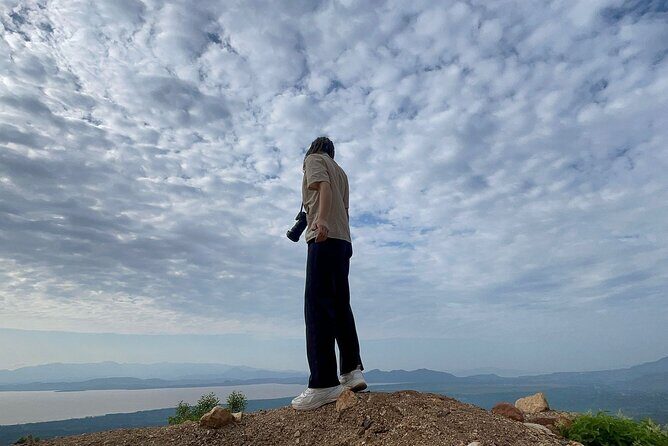
- Lake Chamo boat time for crocodiles, hippopotamus, and lots of aquatic birds
- Nechisar National Park hike through riverine ground-water forest, with a natural swimming pool option
- Dorze Village culture including bamboo houses, weaving, and traditional music and dancing
- Konso Cultural Centre UNESCO stop with terrace farming, wall village life, and the Mora community house
- Abselam’s photo-aware guidance for getting the best moments and angles
- Private-only group setup with pickup and a licensed English-speaking guide
Lake Chamo boat ride and Nechisar: animals, birds, and a swim-in-a-pool kind of day
Arba Minch starts with water drama. First up is Lake Chamo, where you’ll drive out in the morning and then go by boat in one of the Great East African Rift Valley lakes. The payoff is what you can spot from the water: giant Nile crocodiles, hippopotamus, and aquatic birds. Even if you’re not chasing wildlife photography, there’s something calming about being on the lake while the scenery does its job in the background.
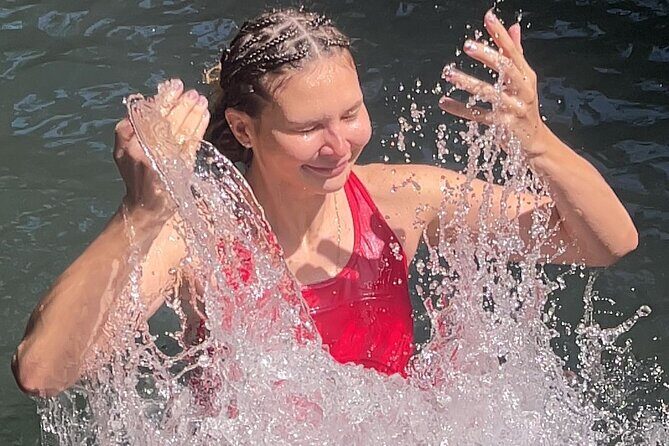
Then the day shifts from lake cruising to land adventure with Nechisar. In the afternoon you head toward Forty Springs and Nechisar National Park, and the plan is a hike inside the park on riverine ground-water forest paths. This is the part that tends to feel most alive, because you’re moving through a habitat that supports monkeys and other animals. The itinerary also builds in a swim stop at a natural swimming pool, which is the sort of detail that makes people remember the trip years later.
Wildlife sightings are part of the draw. The itinerary specifically mentions colobus monkey, olive baboon, and warthog, and in practice this kind of park walk is where your guide’s timing matters. Abselam’s reviews repeatedly highlight his ability to explain what you’re seeing and to guide you to the right spots for photos, which helps a lot when you’re trying to translate quick animal glimpses into something you can enjoy instead of just rush past.
One practical note: crocodile country means you don’t want to treat this day like a stroll. The format is designed for guided viewing and safe movement, but you should still take it seriously—listen to your guide, keep to the plan, and don’t improvise around the water. If you’re the type who gets uneasy near wildlife, this tour can still work, but you’ll enjoy it more if you’re comfortable following instructions closely.
You can also read our reviews of more private tours in Arba Minch
Dorze Village: bamboo houses, fake bananas, weaving, and music
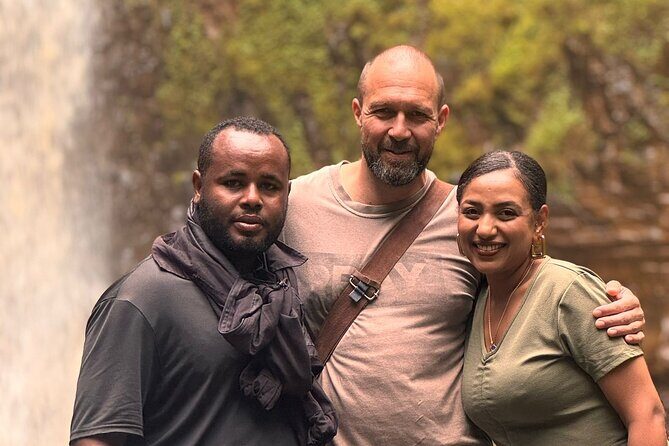
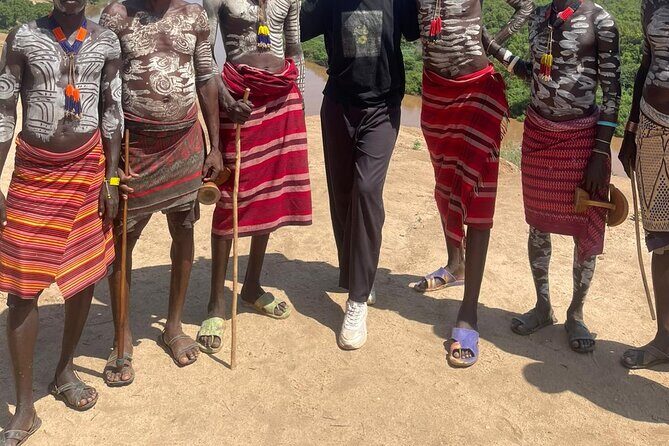
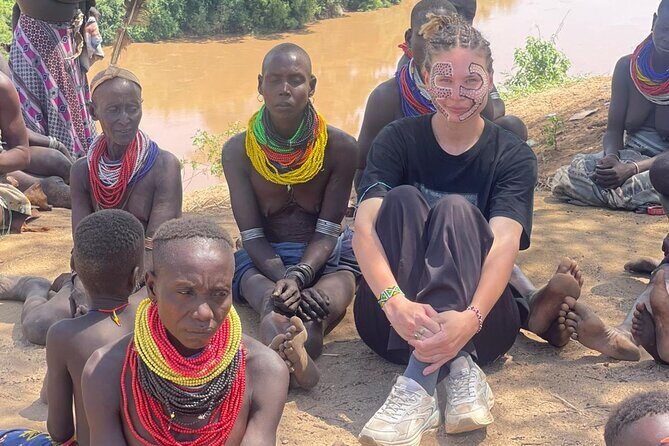
Day two trades the park for people time, and that’s a smart balance. You head to Dorze Village in the morning, aiming for one of the best cultural villages in the region. This stop is built around everyday architecture and local food and craft traditions, not just a quick look-and-go photo stop.
The standout detail here is housing. You’ll see traditional homes made out of bamboo trees, plus an elephant-shaped house. You’re not only looking at the outside; the plan includes seeing inside and outside a typical home, so you get a more believable sense of daily life. It’s also a place where culture meets practical materials—bamboo isn’t just a visual style here, it’s a real building resource.
Food and craft show up too. The itinerary mentions preparation of false bananas and how Dorze people make this plant part of their cultural food. It also ties directly to weaving production, which is important because it explains why you might see textiles and craft items during the visit. This is the kind of cultural context that makes the experience feel earned, not transactional.
Then comes the social side: traditional music and dancing. Having time for music and movement makes the visit feel less like a museum walkthrough and more like an interaction with living tradition. The tour also includes the possibility of visiting a waterfall, so you’re not stuck only in one village area—your day has at least one nature break if timing allows.
What can be a drawback for some people? Dorze Village is a cultural encounter, not a wildlife safari. If your main goal is animals, you may feel the switch in focus on Day 2. But if you care about why communities live the way they do—how they build, cook, weave, and celebrate—this is often the day that gives the trip its heart.
Konso Cultural Centre and UNESCO terraces: wall villages and the Mora community house
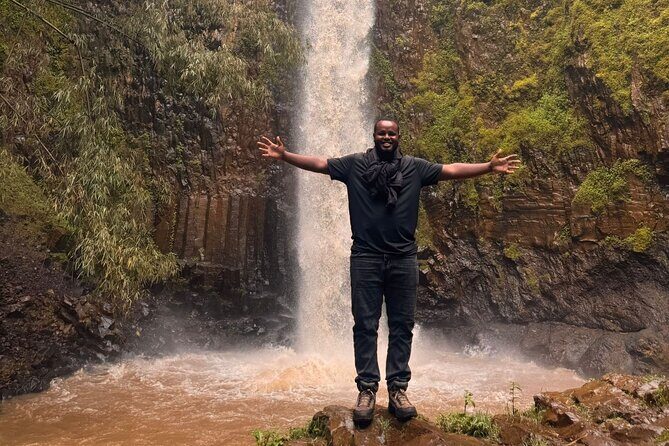
On the third day you go from village life to one of Ethiopia’s most specific cultural systems: Konso. The drive starts early, and along the way you’ll pass through Gamo countryside views. The key destination is the Konso Cultural Centre and village area, including an ancient village registered by UNESCO.
This is where terraces matter. The itinerary calls out Konso traditional mountain terrace farming, wall village structures, and community spaces—so you’re not just seeing farmland; you’re seeing a whole system built for survival and community. When a place is UNESCO-listed, it usually means the cultural practice is old and structured, and Konso’s case shows up in the details: how people organize space, farming, and shared responsibilities.
The Mora community house is another focal point. You’ll visit the Mora and learn about the generation pole and maturity stone, both tied to cultural practice. For me, that kind of detail is the difference between seeing a photo spot and understanding a tradition. It gives you a way to connect what you’re observing to what it means socially—who belongs, how maturity is recognized, and how the community reinforces roles over time.
There are some practical considerations. The day involves early driving and visits that may include uneven terrain and walking around village areas. If you’re someone who needs slow pacing, plan your energy the night before and bring a water bottle. If you’re physically comfortable with a moderate village walk, this is the day you’ll likely feel most connected to why Ethiopia’s southern cultures are so respected.
The Abselam factor: what makes this tour feel smooth instead of chaotic
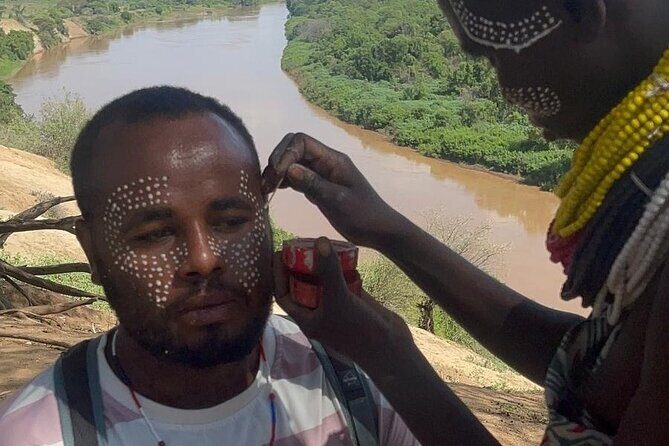
A private tour lives or dies on execution. The big engine behind that here is the licensed English-speaking guide, Abselam, plus the air-conditioned vehicle for transport. The itinerary is structured enough that you’re not guessing what comes next, but flexible enough to keep the experience human.
In the feedback you can see repeated themes. People praise Abselam’s grasp of local history and his ability to communicate clearly in English and Amharic. That bilingual ability matters more than you might think, because it helps your guide translate the meaning behind what you see—especially in cultural villages where details carry weight.
Another recurring strength is photo support. Reviewers mention he knows the best places for nice photos and that he’s an excellent photographer who captures special moments. That doesn’t mean you’re getting a staged shoot—it means you’re getting guidance so your photos actually reflect the scene instead of just documenting you standing there.
Safety and timing also show up. In remote parts of the region, having a guide who manages movement around wildlife areas makes a real difference. Even on days with crocodiles and natural water spots, the trip is presented as guided and organized, so you’re not wandering and hoping for the best.
Finally, this tour has the feel of being tailored. One review mentioned accommodating a last-minute request related to Nechisar National Park, and another described successfully handling a multi-generation family group of 15. That suggests the operator can work with your group size and preferences within the general structure of the route.
Price and value: what $856 buys you in real terms
At $856 per person for roughly three days, this is not a budget bargain. But it’s also not just paying for a driver. You’re paying for a package built around a licensed English-speaking guide, an air-conditioned vehicle, three lunches, coffee or tea, and admission tickets for the listed stops.
Here’s how to think about the value. First, national park time and cultural centre visits are typically where costs add up quickly—especially with guided access and time on the ground. Second, you’re getting a private setup, meaning the experience doesn’t get slowed down by strangers who want a different pace. Third, the itinerary includes multiple distinct experiences: boat time on Lake Chamo, hiking in Nechisar, a cultural deep visit in Dorze, and Konso’s UNESCO-listed cultural centre. If you tried to stitch these parts together independently, you’d spend a lot of time coordinating transport and local guides—often more than you expect.
What’s not included matters too. Alcoholic beverages are not included. If that’s your thing, budget for it separately so you’re not surprised. Also, the trip is listed as “most travelers can participate,” but that phrase isn’t a guarantee of zero physical effort. The park hike and village walking are part of the deal, and comfortable shoes help.
If you want a simple check before booking: ask yourself whether you value guided explanation, protected time for key sights, and private transport. If those matter, the price starts to look more reasonable. If you’re the type who prefers to wander independently and skip guided storytelling, you might feel the cost more.
A few more Arba Minch tours and experiences worth a look
Getting the most out of the itinerary: pacing, clothes, and water-ready basics
This tour runs on early mornings and steady movement. The start time is 7:00 am, so plan to be ready to go with energy and water. In southern Ethiopia, you can get sun-fast, even when mornings feel mild, so pack for warmth and bright light.
Clothing-wise, think practical, not fancy. You’ll be doing a park hike and you may also swim in a natural swimming pool at Nechisar. Bring quick-dry clothes if you can, and definitely bring something for after—because walking out of a water situation still requires comfort.
Footwear is a big deal. Park paths and village routes can be uneven, so sturdy shoes beat flimsy sandals. For the cultural days, you’ll likely do short walks and spend time moving between house areas and community spaces, so shoes that feel stable help your mood.
Hydration and snacks matter even with included lunches. Coffee or tea is included, but it’s not a full substitute for water. Bring a small water bottle and consider sun protection like a hat. You’ll enjoy the bird and animal viewing more if you’re not constantly checking your energy.
One more tip: let your guide set expectations for photography and movement. Abselam’s strength is knowing the best angles and spots for photos. If you try to sprint ahead, you’ll miss the storytelling and you might end up in the wrong place at the wrong time.
Should you book this Arba Minch 3-day tour?
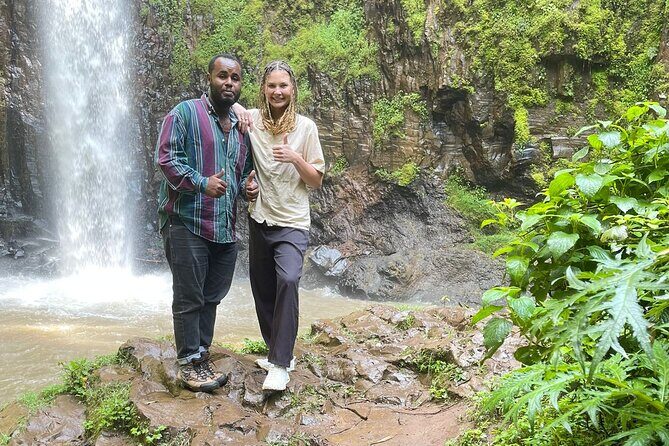
Book it if you want a tight, private route through Lake Chamo, Nechisar National Park, Dorze Village, and Konso—with a guide who speaks good English and knows how to connect what you see to what it means. This is a strong choice for wildlife-and-culture travelers who don’t want to compromise: you get animals and you get real village context, not just a drive-by.
Consider another option if you mostly want passive sightseeing and zero physical effort. The hike and the potential swim point to an active day rhythm. Also, if you’re traveling with very young kids or anyone who can’t handle sun and walking, you’ll need to think carefully about Day 1 and Day 3.
If you’re deciding with limited time in southern Ethiopia, this tour is a solid way to make those days count.
FAQ
What time does the tour start?
The meeting time is 7:00 am.
Is this a private tour?
Yes. It’s private, so only your group participates.
What does the tour include?
It includes a licensed English-speaking guide, an air-conditioned vehicle, coffee and/or tea, and lunch for three days.
Are admission tickets included?
Yes. Admission tickets are included for the listed stops.
Is pickup offered?
Yes, pickup is offered.
Does the price include alcoholic drinks?
Alcoholic beverages are not included. The tour notes that travelers older than 21 can be served alcoholic drinks, while those below 21 are served non-alcoholic drinks.
How long is the tour?
The duration is approximately 3 days.
Can most travelers participate?
The tour states that most travelers can participate.
What is the cancellation policy?
You can cancel for free up to 24 hours in advance for a full refund. If you cancel less than 24 hours before the start time, the amount paid is not refunded.