REVIEW · ARBA MINCH
Omo Valley Tribes 6 Days Tours
Book on GetYourGuide →Operated by Aman Ethiopia Tour & Travel · Bookable on GetYourGuide
Tribes, temples, and Lucy in one trip. This tour mixes big-city Ethiopia (including Lucy at the National Museum) with real rural encounters across the Omo Valley’s many ethnic groups. I especially like the English-speaking guidance that keeps things clear, and the Lake Chamo boat day where you see wildlife at the crocodile market area, without any pressure to buy anything. A key consideration: it is a lot of driving and you’ll also need to budget for meals and any optional ceremony entrance fees, since lunch and dinner aren’t included.
What makes it work is the flow: Addis Ababa museums and markets on day one, UNESCO sites as you head south, then village visits around Dorze, Konso, Turmi, and the Lower Omo. You’ll get a practical look at how communities live, trade, farm, and survive, not just a checklist of names. Just keep expectations grounded: you’re visiting working villages, so dress and behavior matter.
In This Review
- Key highlights
- Why Omo Valley’s 47 languages is more than a number
- Addis Ababa day one: Lucy, the Holy Trinity, and Merkato
- UNESCO stop at Tiyaa and the long road to Arba Minch
- Lake Chamo boat trip: crocodiles out of the water, plus birds and hippos
- Dorze beehive huts and the move toward Konso terraces
- Konso village: terraces you can see from a distance, and coffee you can taste later
- Turmi to Omorate to Jinka: Dassanech on Lake Turkana’s delta
- Jinka to Mago and back: Mursi lip plates and Ari people of the Lower Omo
- Price and what you actually get for $1,400 per person
- Logistics you’ll feel: early mornings, long drives, and rural conditions
- Who this tour is best for
- Should you book Omo Valley Tribes 6 Days?
- FAQ
- How long is the Omo Valley Tribes tour?
- Where does the tour take place?
- What language are the guides?
- What’s included in the price?
- Are lunch and dinner included?
- Is any ceremony entrance included?
- Do I need cash?
- Is the Lake Chamo boat trip included?
- Who is this tour not suitable for?
- What’s the cancellation window?
Key highlights
- Lucy at the National Museum in Addis Ababa gives the trip a deep-time anchor before you hit the Omo Valley cultures.
- Tiyaa (UNESCO) on the way to Arba Minch adds a second historical layer beyond the tribes.
- Lake Chamo boat trip to the crocodile market area where crocodiles chill outside the water, plus hippos and birds.
- Dorze village beehive huts in the Gughe Mountains are visually striking and UNESCO-recognized.
- Konso terraces and coffee connection show how people shape the land to farm in tough conditions.
- Lower Omo days around Turmi, Omorate, Mursi, and Ari focus on pastoral life and cultural traditions.
Why Omo Valley’s 47 languages is more than a number
The Omo Valley is often described in superlatives, but here’s the part that matters for you: you’re not seeing one “tribe.” You’re moving through a region where people speak dozens of languages and live under very different conditions, from river edges to mountain slopes to dry delta areas.
That’s why the itinerary feels purposeful. It groups village visits in a way that shows contrast: farming terraces at Konso, mountain beehives at Dorze, pastoral life around Turmi and Bana, then the Dassanech and their delta setting near Lake Turkana. If you’re someone who likes context, this tour gives you that context in motion.
Just remember: these communities are not a show. Your job is to be respectful, curious, and low-drama. The tour’s structure helps because you’re paired with professional guidance and local scouts, so you’re less likely to step on sensitive toes.
A few more Arba Minch tours and experiences worth a look
Addis Ababa day one: Lucy, the Holy Trinity, and Merkato
Your first day is a classic Addis intro, with stops that help you understand the country beyond the headlines.
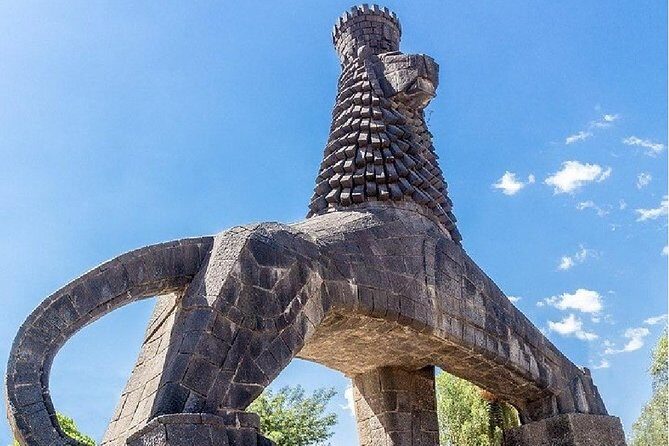
You’ll start with arrival and transfer to your hotel, then you get a museum-heavy day. The highlight is the National Museum, where you can see the oldest hominids fossil known as Lucy. Even if you’re not a museum person, it’s a strong way to open the trip. It creates a before-and-after sense: you’re about to spend days among living cultures, and Lucy is a reminder of how long human history has been unfolding here.
Next, you visit the Holy Trinity Church, a church built during WWII. After that, you head to the Ethnographic Museum, which used to be the palace of Emperor Haile Selassie. That matters because it ties Ethiopia’s political story to its people and cultural traditions.
Then you end at Merkato, the biggest market in East Africa. It’s a useful contrast: museums for the big picture, Merkato for the day-to-day reality of commerce and city life.
Practical note: this day can feel full, especially after travel. Plan for lots of walking, hot light, and photo stops that can stretch longer than you expect. Your hotel for this night is Triple-E Hotel & Spa, with breakfast included for the next morning.
UNESCO stop at Tiyaa and the long road to Arba Minch
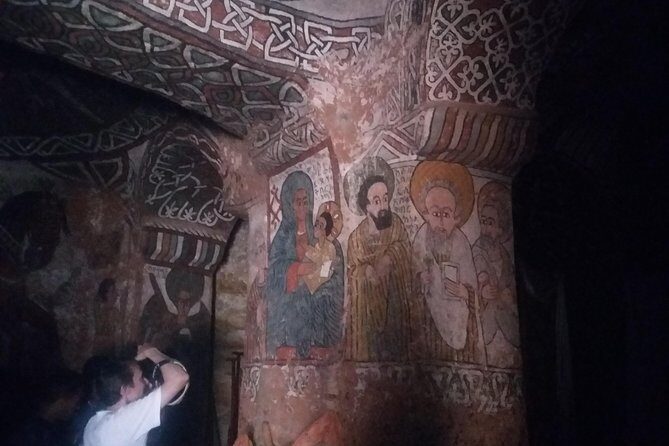
Day two turns south fast, and it starts with Tiyaa, a UNESCO World Heritage site. You’re looking at engraved standing stelae—engraved stone markers—described as a particular type found as far north as this spot. It’s the kind of site that rewards patience. If you rush, you miss the details; if you take your time, it connects time periods in a way village visits alone can’t.
After Tiyaa, you make a lunch stop in the Welayta area, then continue driving to Arba Minch for overnight at Paradise Lodge.
This driving day is part of the experience, even if it’s not the most glamorous part. It’s how the region changes under your wheels: city energy fades, the terrain shifts, and you start feeling that you’re really leaving Addis-style comfort behind.
If you tend to get restless in cars, pack small distractions: water, a light snack plan (since lunch timing depends on stops), and something for entertainment that doesn’t require constant phone scrolling.
Lake Chamo boat trip: crocodiles out of the water, plus birds and hippos
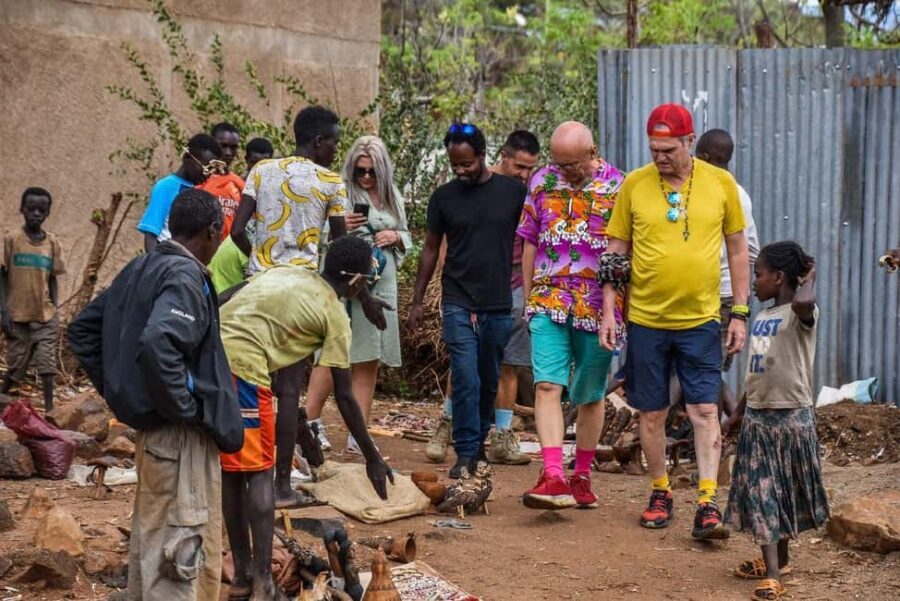
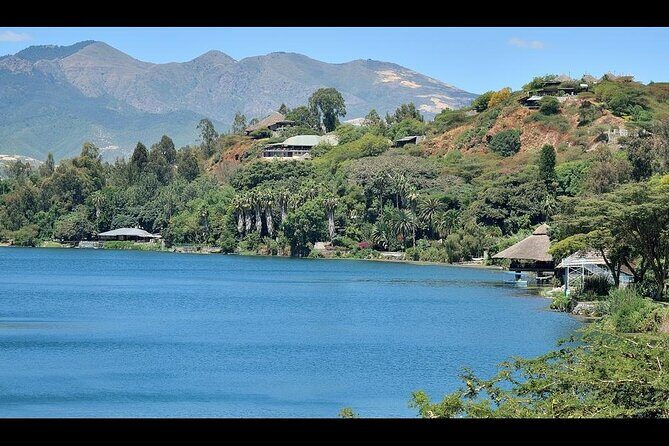
Day three is built around water: after breakfast you take a boat trip on Lake Chamo.
The main named stop is the so-called crocodile market, a local name for a place in Lake Chamo where crocodiles go out of the water to chill. The important detail: there is no buying or selling here. It’s not a marketplace in the usual sense—it’s a spot name for where you might see crocodiles resting.
Along with the crocodiles, the boat trip is also your chance to see hippos and different kinds of birds. This is one of those days where timing and wind matter, so if you’re hoping for great wildlife viewing, keep your focus and be ready to adjust to what the day gives you.
After lunch back in Arba Minch, you head toward the village areas—first Dorze village.
Your overnight is at Kanta Lodge in Konso.
Dorze beehive huts and the move toward Konso terraces
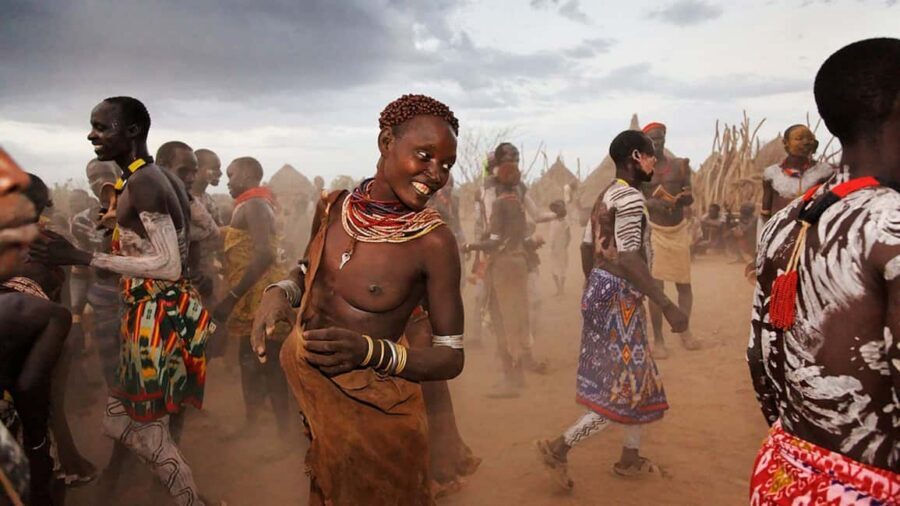
Dorze villages sit high up in the Gughe Mountains. You’ll be visiting a community known for the traditional beehive-shaped huts, recognized as one of the visually attractive structural styles connected to UNESCO recognition.
This visit can hit you in two ways. First, you get that immediate visual impact: the shape stands out in the mountain setting. Second, you start thinking about why these structures make sense in their environment—high ground, local building traditions, and life shaped by the terrain.
Once you finish with Dorze, you continue driving to Konso for more cultural context. Konso is where farming meets design. Your tour sets up the next day well, because Konso isn’t just about what people wear or do—it’s about how people manage the land.
Tip for your mindset: try to watch patterns—where things are planted, how people organize space, and how movement flows between homes and working areas. Even without perfect language comprehension, you’ll get meaning from how a village is arranged.


Konso village: terraces you can see from a distance, and coffee you can taste later
Day four starts with Konso village, one of Ethiopia’s UNESCO sites, known for terracing. These terraces aren’t decoration. They’re a survival tool—turning steep, challenging land into arable space.
Konso is also linked to one of the best types of coffee for Ethiopia. That doesn’t mean you’ll automatically get a coffee tasting, but it does help explain why this area matters beyond culture tourism. People here have built an economy around what the land can grow.
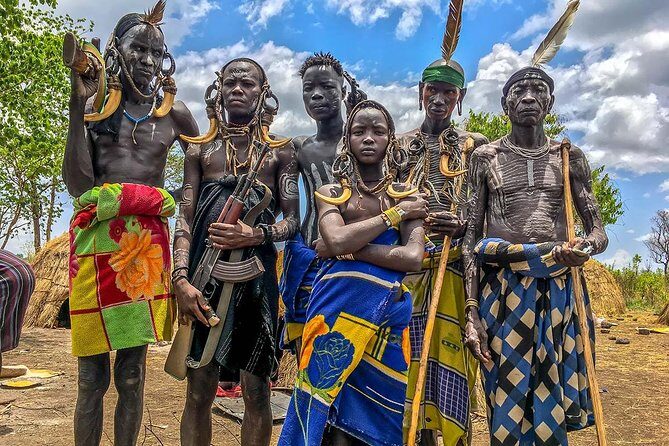
After that, you drive to Bana village. The Bana are indigenous pastoral and semi-nomadic people living in the harsh environment of the Lower Omo Valley. You’ll also notice their distinctive clothing style: men often wear colorful clay caps decorated with feathers, with hair dressed up. It’s one of the clear visual details that makes the visit memorable.
Then you continue onward to Turmi, where you’ll visit the Hamer people. Your overnight is at Emerland Lodge in Turmi.
One consideration for day four: the visual details can steal attention, but don’t stop at appearances. Ask your guide to help you connect what you see to how people live—food sources, movement patterns, and the basic needs of pastoral life.
Turmi to Omorate to Jinka: Dassanech on Lake Turkana’s delta

Day five focuses on a different geographic setting. After breakfast, you drive to Omorate to visit the Dassanech people, described as the people of the delta. They live on the northern shore of Lake Turkana.
The tour specifically notes the drive distance and time: 75 km, about 2 hours from Turmi to Omorate. That kind of concrete timing helps you plan your energy. You’ll still feel it as a travel day, but at least it isn’t an all-day slog without breaks.
After the excursion, you drive back to Turmi for lunch, then continue to Jinka for overnight at Jinka Resort.
This stage matters because it shifts your frame again. You go from terraces and mountains to a delta and lake-edge life, with different pressures and different day-to-day rhythms. If your goal is to understand the region as a system—land, water, and culture—this is where the tour starts to feel complete.
Jinka to Mago and back: Mursi lip plates and Ari people of the Lower Omo
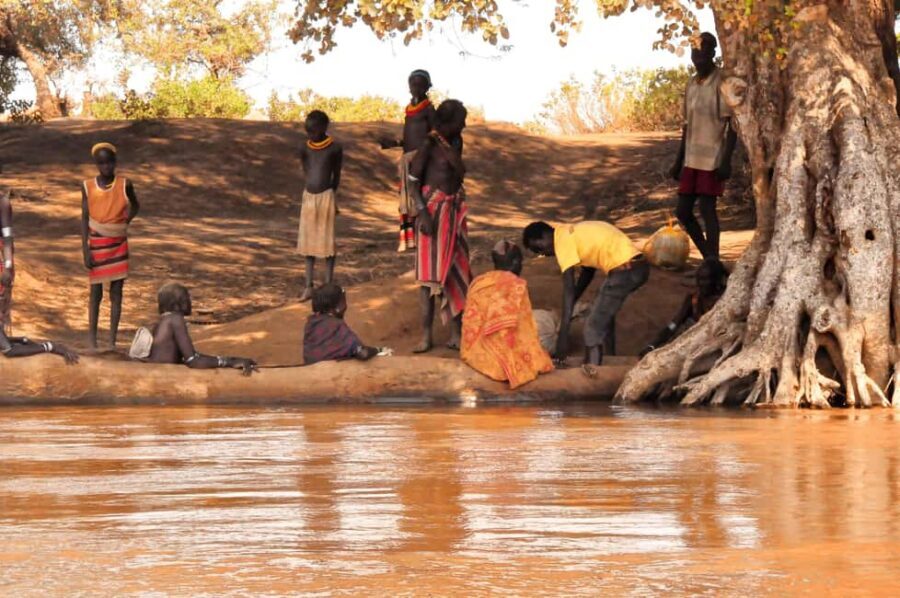
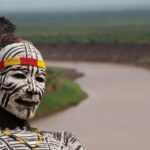
Day six is a two-part cultural day. First, you take a day excursion to the Mursi people. The tour description includes a striking traditional detail: women wear terra cotta around their enormously stretched lower lips and ear lobes. For many visitors, this is the most visually dramatic part of the whole trip.
Then you drive back toward Jinka for lunch and continue to the Ari people. The Ari are described as the largest population in the Lower Omo Valley, which gives the day a contrast: from one of the most famous outward traditions to a broader demographic presence.
Your day ends with driving back to Addis Ababa.
A practical note: dramatic cultural practices can pull the camera first and questions second. Keep your focus on respect. Let your guide manage timing and any cultural boundaries, and remember that the point is to understand people, not score a photo.
Price and what you actually get for $1,400 per person
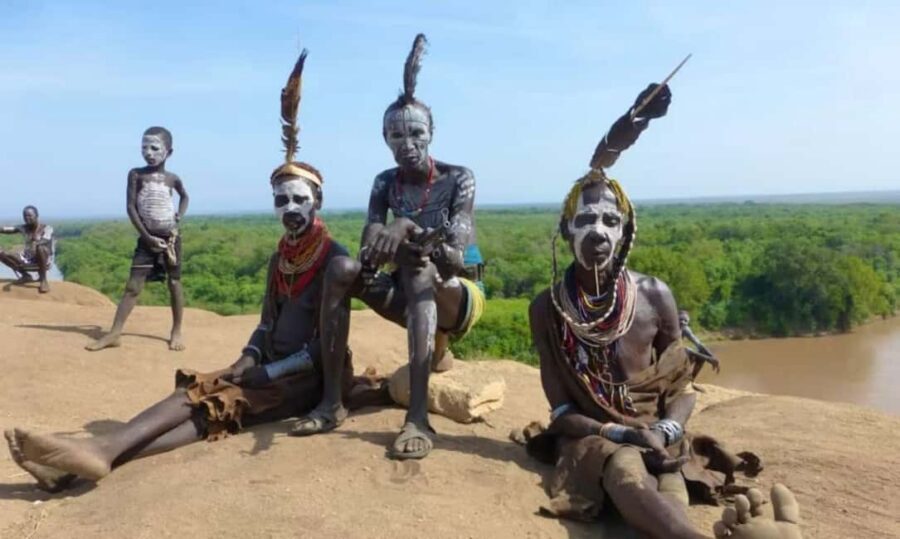
At $1,400 per person, this tour sits in the “not cheap, but not random” category—especially because several core costs are handled for you.
What’s included:
- Accommodation with breakfast
- A professional guide
- Entrance and scout fees
- Boat trip on Lake Chamo
- A car with a professional driver
What’s not included:
- Lunch and dinner
- Tips
- Alcohol
- Local flights
- Entrance fees to any cultural ceremony or festival
So the value isn’t just the route. It’s that you’re not responsible for every single small payment along the way. Also, the boat trip and the covered entrance/scout fees can add up quickly on tours where you’d otherwise pay at multiple stops.
Where the real “budget math” comes in is meals and optional ceremony access. Since lunch and dinner aren’t included, you’ll want some cash planned for daily eating. And if you end up wanting to attend any cultural ceremony beyond the baseline village visits, you may need extra entry fees.
One more balance note: you’re in rural lodging much of the time. A prior guest noted that some hotels can try to charge extra or act stingy. You can reduce stress by confirming what your stay includes on arrival. Breakfast is included, but other extras are not guaranteed.
If you like the idea of a guided, structured trip through multiple regions without having to organize transport and entry points yourself, this price can make sense.
Logistics you’ll feel: early mornings, long drives, and rural conditions
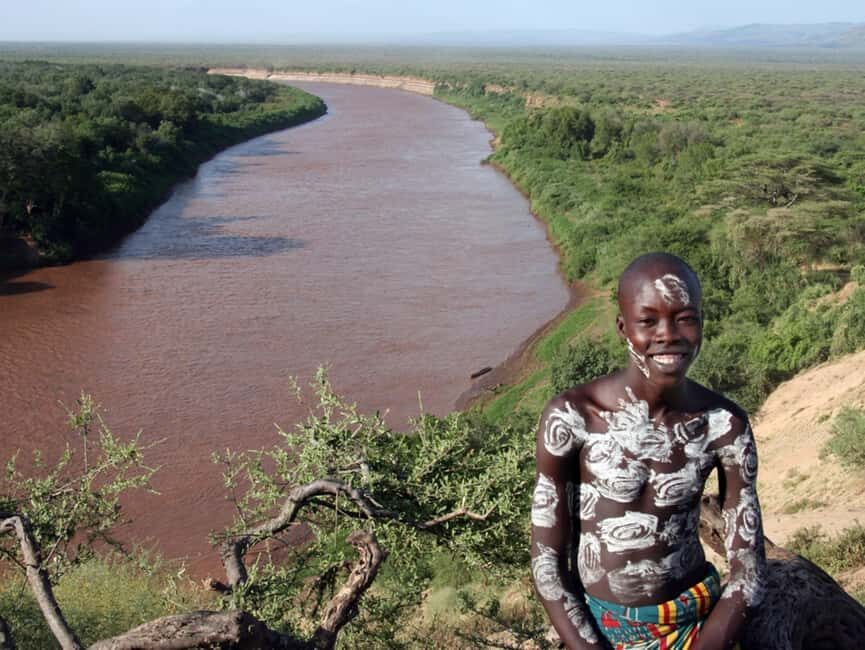
This is not a walk-only city break. The itinerary is built on driving between major areas: Addis to Arba Minch, then Konso, Turmi, Omorate, and finally back toward Jinka and Addis.
Expect to start early, especially because day two explicitly begins with early breakfast. You’ll also face uneven schedules: lunch might be a planned stop, but it still depends on road conditions and timing between villages.
The good news is your transportation is handled: car with a professional driver. That reduces decision fatigue.
Packing choices can make a big difference:
- Bring your passport
- Bring cash
- Wear comfortable clothes for hot sun and dusty roads
- Bring something light for mornings and evenings (mountain areas can feel cooler)
Also, the tour is listed as not suitable for babies under 1 year and not suitable for people over 309 lbs (140 kg), so be sure the physical fit is right for you.
Who this tour is best for
This tour is a strong fit if:
- You want Ethiopia beyond Addis, with a clear progression through the Omo region
- You like UNESCO context mixed with real village encounters
- You care about guidance and smooth logistics more than DIY freedom
- You’re comfortable with a fast pace of changing environments
It might feel less ideal if:
- You want lots of downtime
- You prefer flexible, unscheduled stops
- You hate long driving days
- You don’t want to pay extra for lunch, dinner, and any ceremony fees
Should you book Omo Valley Tribes 6 Days?
I’d book it if you’re excited by cultural variety and you’re ready for a guided, structured trip through the Lower Omo region. The mix is smart: museum day with Lucy and Addis history, UNESCO sites like Tiyaa, then field days featuring Lake Chamo wildlife and UNESCO-known village architecture like Dorze beehive huts and Konso terraces.
If you’re budget-minded, just plan for meals (lunch and dinner) and possible ceremony entrance fees. If you can handle long driving days with patience, the experience has enough variety to justify the cost.
My bottom line: this is for people who want meaningful cultural contact with real logistical support. If that’s you, it’s a solid choice.
FAQ
How long is the Omo Valley Tribes tour?
It is a 6-day tour.
Where does the tour take place?
It covers Ethiopia, starting in Addis Ababa and traveling into southern Ethiopia and the Omo Valley regions.
What language are the guides?
The tour lists English as the language.
What’s included in the price?
Accommodation with breakfast, a professional guide, entrance and scout fees, a boat trip on Lake Chamo, and a car with a professional driver.
Are lunch and dinner included?
No. Lunch and dinner are not included.
Is any ceremony entrance included?
Entrance fees to any cultural ceremony or festival are not included.
Do I need cash?
Yes. The tour advises bringing cash.
Is the Lake Chamo boat trip included?
Yes. A boat trip on Lake Chamo is included, including the crocodile market area where there is no buying or selling, plus chances to see hippos and birds.
Who is this tour not suitable for?
It is not suitable for babies under 1 year and not suitable for people over 309 lbs (140 kg).
What’s the cancellation window?
You can cancel up to 24 hours in advance for a full refund.