REVIEW · ARBA MINCH
4 Days tour in omo valley.
Book on Viator →Operated by Arba Minch Tour And Travel · Bookable on Viator
Tribes, ceremonies, and long drives make this tour memorable. In four days around Turmi, Jinka, and the wider Omo Valley region, you’ll swap big sightseeing plans for real village time—guided by someone who helps you handle timing, navigation, and questions in the moment. Two things I really like: all meals are included, so you can focus on the day, and the tour runs with a private, experienced guide (often cited with the name Banti) who keeps communication clear and stays on schedule. The main drawback to consider is simple: you spend a lot of time outdoors and on the road, so this is not the trip for people who want a slow, low-effort pace.
If you’re the type who enjoys learning through direct encounters—like how people dress, how ceremonies work, and what different tribes’ daily life looks like—this route gives you a strong mix. You also get cultural context beyond the villages, including time at an ethnographic museum in Jinka. Just keep your expectations realistic: you’ll be moving between remote areas, and some moments depend on what’s happening locally that day.
In This Review
- Key highlights that make this 4-day Omo Valley plan work
- Omo Valley in 4 days: what your tight schedule actually buys
- From Arba Minch area pickup to Turmi: Hamer village time on day one
- Turmi and Omorate: Dassenech visits and the bull jumping ceremony
- Omo National Park and the Omo River area: Kara culture and body painting
- Jinka ethnographic museum: the context stop you’ll be glad you didn’t skip
- Mago National Park and the Mursi villages: lip plates and what to do with the emotions
- Price and inclusions: does $1,550 per group feel fair?
- How small-group guiding changes the whole experience
- Practical tips so you enjoy the villages, not just survive them
- Should you book this 4-day Omo Valley tour?
- FAQ
- Where does the tour start and end?
- How long is the Omo Valley tour?
- What’s the price, and how many people are in a group?
- Is pickup included?
- Are meals included?
- What are the main cultural highlights?
- What’s not included in the price?
- What if the trip is canceled due to weather?
Key highlights that make this 4-day Omo Valley plan work

- Private guide + private transportation so you’re not stuck in a chaotic shuffle between stops
- Meals included for all four days, plus water and soft drinks
- Bull Jumping Ceremony as a standout event tied to local tradition
- Mago National Park driving route that connects you to Mursi village visits
- Kara and Kara body painting time paired with a visit to the ethnographic museum in Jinka
- Small group size (max 3) which usually makes questions and pacing easier
Omo Valley in 4 days: what your tight schedule actually buys
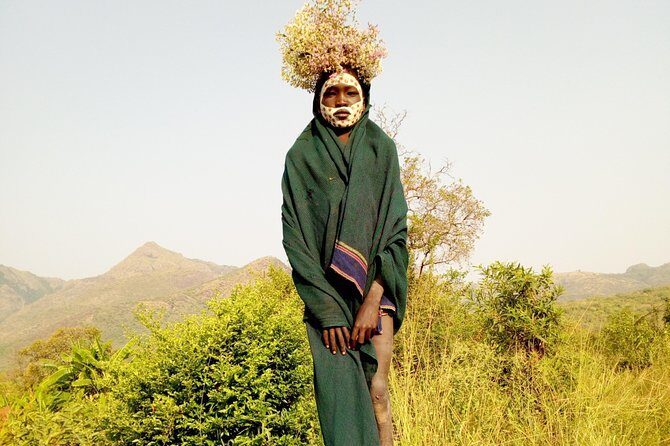
A four-day Omo Valley trip is always a balancing act. The region is spread out, and the culture is not something you can rush through like a museum gallery. What this tour does well is the sequencing: you start with Hamer area visits, then layer in Dassenech and the bull jumping ceremony, and later shift toward the Omo River/Kara area and finally Mursi via Mago National Park.
For you, the value is that you’re not just collecting tribe names. You’re getting contrasts—lip plates and village structures in one direction, body painting and market-style cultural expression in another, and formal ceremony time in the middle. That mix makes the trip feel less like a checklist and more like a conversation with the place.
You can also read our reviews of more tours and experiences in Arba Minch.

From Arba Minch area pickup to Turmi: Hamer village time on day one
Your day starts early (meeting time is listed for 8:00 am), with pickup arranged to connect you to the Turmi side of the region. The first full focus is Turmi, including a visit to the Hamer village in the Turmi area.
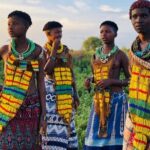
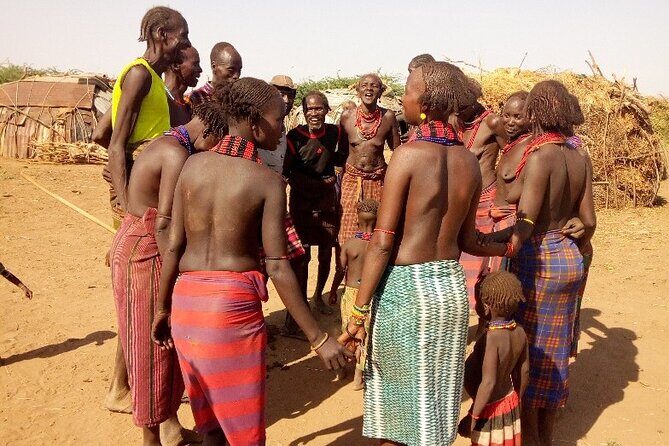
Why this stop matters: Hamer communities are often the first “full-contact” introduction to how Omo Valley traditions express identity—through adornment, village life, and the way daily routine and culture overlap. Even if you’ve seen photos before, the scale and texture are different in person: the rhythms are slower than your camera expects, and the most interesting moments usually come from small interactions rather than posed shots.
What to watch for: day one is also your acclimation. You’ll likely feel the heat, dust, and the reality that you’re going to be moving for days. If you’re prone to getting grumpy on day one, plan your outfit and hydration like you mean it. The tour includes water and soft drinks, which helps, but you’ll still want to pace yourself.
Turmi and Omorate: Dassenech visits and the bull jumping ceremony
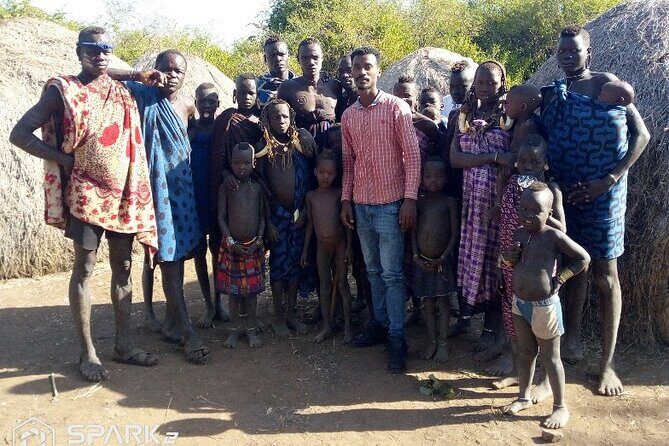
Day two mixes two different experiences: Dassenech tribe time around Omorate, plus the bull jumping ceremony back in the Turmi area later in the day. The driving time listed for this day is long, which is a clue that you’re being fed two distinct cultural windows instead of one.
The Dassenech visit gives you a different cultural angle than Hamer. You’re not just comparing tribes—you’re seeing how geography and lifestyle shape what “culture” looks like. In the Omo Valley, the environment is part of the story, and this part of the route helps you notice it.
Then comes the bull jumping ceremony. This is the kind of moment that can be unforgettable because it’s a ritual you can’t really replicate by walking through a village. Ceremony time tends to pull people into a shared focus, and it’s exactly the sort of event where a good guide helps you understand what you’re looking at and when the best viewing moments are.
Possible consideration: you’re doing a lot in one day—morning tribe time, afternoon ceremony time, and an overnight back in Turmi. If you’re the type who needs a “quiet decompression” window, you might feel packed-in by this day. The upside is that it’s also one of the most memorable combinations on the whole trip.
Omo National Park and the Omo River area: Kara culture and body painting
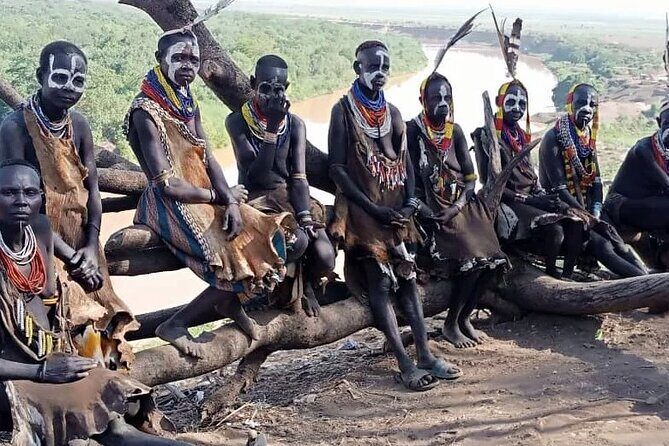
Day three is your shift toward the Omo River region and Omo National Park driving. The main cultural stop here is the Kara tribe, including the famous body painting focus, plus you route toward Jinka for additional cultural context.
There are two reasons I’d put this day near the top of the trip:
1) You’re connecting culture to place. Kara visits are tightly associated with the Omo River area vibe—river life, movement, and social identity all tied together.
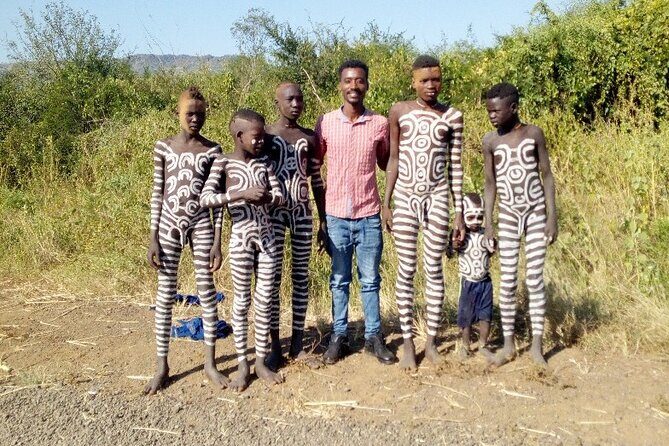
2) Body painting is not just decoration. It’s visual communication, and watching it unfold in front of you can feel more meaningful than seeing it in a single photo.
The route also includes time with an ethnographic museum stop in Jinka. That matters because it helps you build a mental map. When you later look at villages through your own eyes, you’re not starting from zero—you’re building context.
What to expect practically: this day is long on the clock. Even with private transport and a guide who keeps things on track, you should be mentally ready for big travel legs and outdoor waiting time.
Jinka ethnographic museum: the context stop you’ll be glad you didn’t skip
Between village visits, you get a stop at the local Ethnographic Museum in Jinka. Museums can sometimes feel like a detour on trips built around people and places, but here it works as a “translator.”
Why it’s valuable for you:
- It helps you understand symbols and cultural categories before you see them again in the field.
- It can smooth over the mental confusion that happens when you’re meeting multiple groups back-to-back.
- It gives you something to do when the best village-photo timing is out of your control.
Also, when you have museum time mid-trip, you tend to photograph smarter. You’ll notice more details because your brain has somewhere to file them.

Mago National Park and the Mursi villages: lip plates and what to do with the emotions
Day four focuses on Mago National Park driving and then your Mursi village visit, including the well-known lip plates.
This is a shorter day by distance on the schedule (listed around 4 hours for the day’s main segment), but it’s still a “real” day. The trip is not ending with a shopping stop. It ends with a final cultural encounter and then a drop at Jinka airport.
The value of this final stop is pacing. After seeing Hamer, Dassenech, and Kara earlier, you’ll be better at recognizing differences in how communities express identity. Lip plates are one of the most visually recognizable symbols tied to Mursi culture, and seeing them in context helps you move beyond the internet version of the story.
A consideration worth stating plainly: this kind of visit can stir strong feelings. It’s normal. If you’re going to shoot photos, do it thoughtfully and with patience. If you’re going to ask questions, do it with the help of your guide—so you don’t accidentally turn people into props.
Price and inclusions: does $1,550 per group feel fair?
The price is $1,550 per group (up to 3) for four days. Whether it feels like a bargain or a splurge depends on what you compare it to, but the inclusions here are substantial.
What you get included:
- Private transportation throughout the trip
- Bedroom accommodation on overnight stops
- All fees and taxes listed as included
- All meals across the four days (breakfast, lunch, dinner for each day)
- Water and soft drink
- Dinner/lunch/breakfast included (4 each listed)
- A mobile ticket and confirmation at booking
- Pickup is offered, and the tour includes guided care during the region
What’s not included:
- Plane tickets
- Beer
- Personal shopping
So is it good value? For Omo Valley specifically, private transport and guide time can be the biggest cost drivers, because the distances are real and the experience isn’t plug-and-play. This package also saves you decision fatigue. You’re not trying to find meals between scattered villages or negotiating entry costs while traveling in remote areas. For a small group of up to 3, private arrangements usually end up feeling like a smarter use of money than trying to piece together a similar route independently.
The one thing you should double-check before you commit is what you mean by comfort in the “bedroom” category. The tour includes a bedroom, but the specific standard isn’t described here. If you’re picky about hotel style, ask for details when booking.
How small-group guiding changes the whole experience
One reason this tour works better than large-bus style trips is the cap of max 3 travelers. Small groups tend to make a difference in places where timing is everything and questions can’t be rushed.
A key detail from previous experiences with this operator is that guides—named Banti in shared accounts—respond quickly, explain clearly, and adjust within reason based on what you want to see. That flexibility matters in the Omo Valley because local schedules and ceremony timing can’t be controlled by your itinerary on a spreadsheet.
If you want better photos, better understanding, and less friction, this is one of the strongest parts of the format. You’ll also have an easier time getting answers in the moment rather than waiting for the group to catch up.
Practical tips so you enjoy the villages, not just survive them
This region is a real place, not a staged set. To get more out of it, I’d plan around these basics:
- Hydration and snacks (in addition to included water): the tour provides water and soft drinks, but your body may still want extra small items depending on heat and timing.
- Wear for dust and sun: you’ll be outside a lot, and you’ll want clothing that holds up to movement and long travel legs.
- Bring a photo mindset that’s respectful: if people look like they’re pausing for something important, don’t keep clicking. Let your guide help you interpret what’s going on.
- Keep expectations flexible: ceremonies and village moments aren’t always when your camera wants them. A good guide helps you find the right time window.
Also, don’t ignore the less glamorous reality: you’re doing multiple driving days. Even with private transport, your comfort depends on your own stamina and attitude. If you can handle that, you’ll have a better time.
Should you book this 4-day Omo Valley tour?
I’d book this tour if you want a guided, small-group Omo Valley experience with all meals included, a clear cultural route through several communities, and a mix of ceremony plus museum context. It’s especially appealing if you like the idea of seeing the difference between groups and styles of cultural expression without managing logistics yourself.
I’d think twice if you’re easily worn down by long drives and time outdoors, or if you’re looking for a light, low-stimulation vacation. This is more “culture in motion” than “coastline relaxation.”
If you’re comfortable with that—and you want a structured route from Arba Minch-area start to Jinka airport drop with Turmi, Omorate, Kara/Omo River, and Mursi/Mago NP—then this is a strong match.
FAQ
Where does the tour start and end?
It starts at Arba Minch Airport and ends in Jinka, Ethiopia (with drop-off at Jinka airport).
How long is the Omo Valley tour?
The duration is about 4 days.
What’s the price, and how many people are in a group?
The price is $1,550 per group, and the tour has a maximum of 3 travelers.
Is pickup included?
Yes. Pickup is offered.
Are meals included?
Yes. Breakfast, lunch, and dinner are included across the four days, and water and soft drinks are included as well.
What are the main cultural highlights?
The tour includes the Bull Jumping Ceremony (Omorate/Turmi area), visits to Hamer villages, Dassenech, Kara (including body painting), Mursi tribes with lip plates, and a visit to the Ethnographic Museum in Jinka.
What’s not included in the price?
Not included are plane tickets, beer, and personal shopping.
What if the trip is canceled due to weather?
It requires good weather. If it’s canceled due to poor weather, you’ll be offered a different date or a full refund. You can cancel for a full refund up to 24 hours before the experience start time.