REVIEW · SEMERA ETHIOPIA
From Semera: Danakil Depression 3-Day Tour
Book on GetYourGuide →Operated by Great Ethiopian Tours · Bookable on GetYourGuide
Volcano light. Salt haze. And that surreal color in Dallol. This 3-day trip from Semera hits Danakil Depression highlights fast—especially Erta Ale—with real off-road driving and early starts.
I love two things about this tour: the hands-on stops (like swimming/float time in Lake Afdera) and the way you get both active-volcano views and salt-trade life, not just photos. I also like that the team running it—when guided by Phili with driver Addis and support from Isaac—keeps things organized even in a place that doesn’t exactly do “easy.”
One drawback: this is not a gentle nature walk. You’re dealing with a remote, extreme setting and a serious physical day schedule, so if you’re short on stamina or you have health concerns, you’ll want to think carefully first.
In This Review
- Key highlights worth your attention
- Entering the Danakil world without the usual travel polish
- Day 1: Semera to Afdera for saline lake floats, then Erta Ale base camp
- Day 2: Erta Ale timing and Lake Asale sunsets with camel salt caravans
- Day 3: Dallol’s colors, sulfur ponds, Lake Karum, and salt harvesting you can watch
- What the camping and meals really mean for your comfort
- Getting value from $450: remote transport, permits, and doing the hard bits
- Who should book—and who should think twice
- Should you book the Semera Danakil Depression 3-Day Tour?
- FAQ
- How long is the Danakil Depression 3-Day Tour from Semera?
- What is the price per person?
- Where does the tour start?
- Is the tour guided, and what language is used?
- What are the main highlights during the 3 days?
- Do I get to see Lake Asale?
- Is camping included, and what’s provided?
- What meals and drinks are included?
- What should I bring?
- What is not included in the tour price?
Key highlights worth your attention
- Erta Ale hike to one of the world’s most active volcanoes
- Lake Afdera swim/float at around 100m below sea level
- Dallol guided tour with colorful geothermal features
- Salt caravans moving goods across the salt flats at sunset
- Traditional salt excavation you can actually watch in action
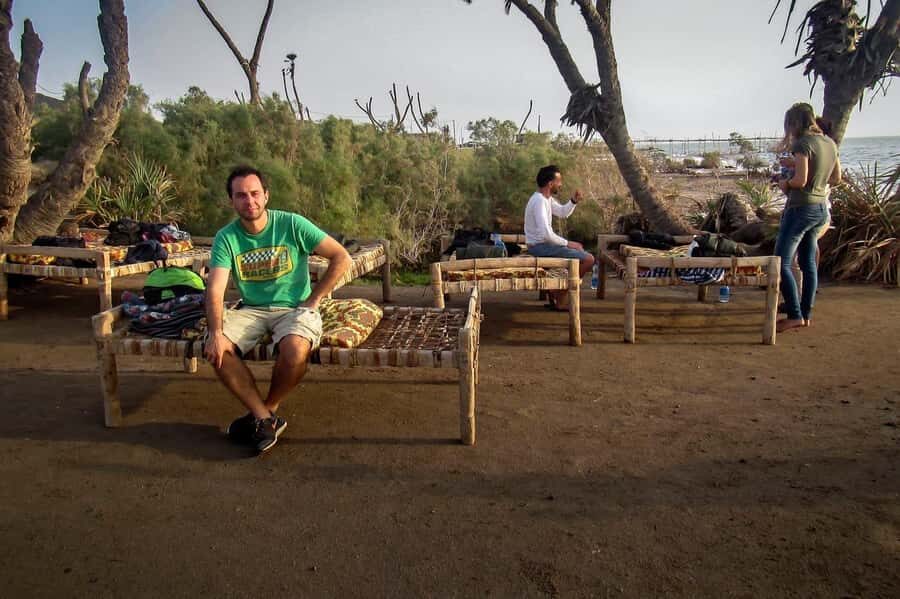
- Camping with proper setup: mattress, clean bedsheets, and shared base logistics
Entering the Danakil world without the usual travel polish
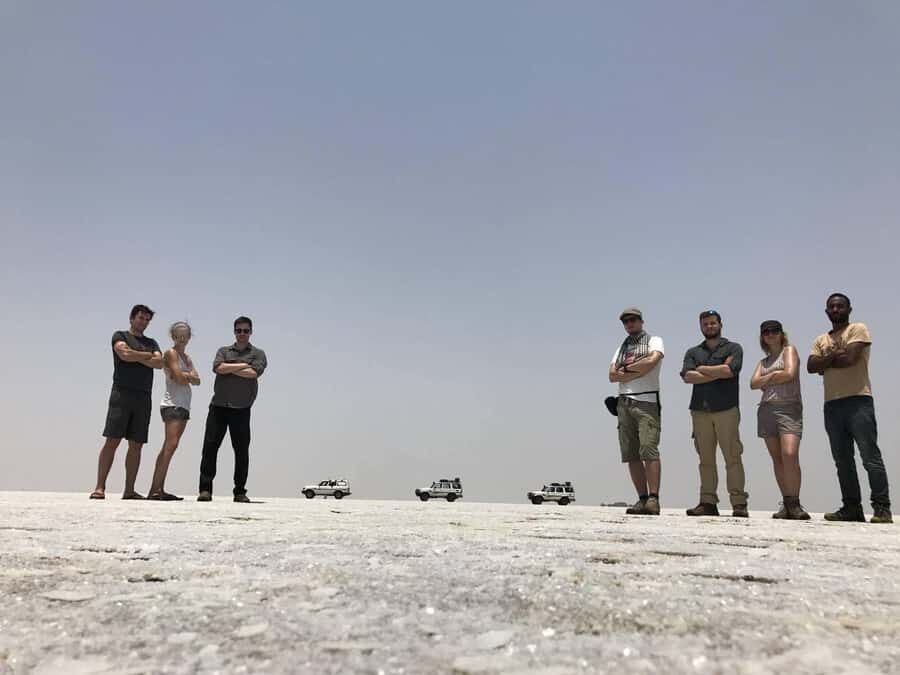
The Danakil Depression is the kind of place that makes you stop trying to label what you’re seeing. It’s harsh, bright, and strange in a way that feels geological rather than scenic. You’ll travel by 4×4, sleep in camp, and spend your days bouncing from salt to volcano to geothermal colors.
What I like is that this tour doesn’t treat the region like a single “big vista.” Instead, you get multiple chapters of the same story: active volcanism at Erta Ale, salt and evaporation at the lakes and flats, and the geothermal oddities around Dallol. That balance matters because it keeps the trip from becoming repetitive.
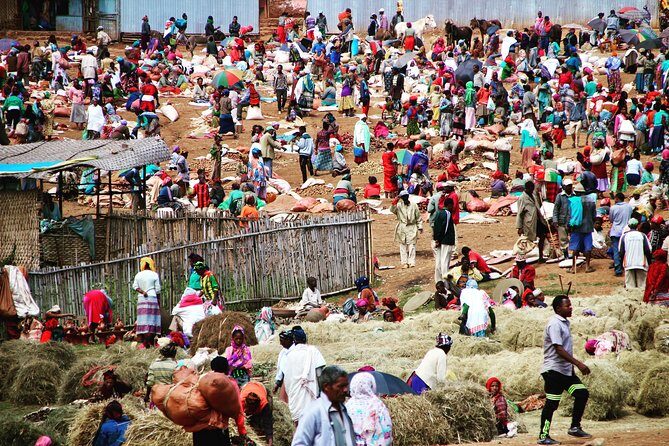
You also get human context. Watching camel caravans haul salt, and seeing traditional salt excavation methods, gives the landscape a job. This isn’t just for geologists. It’s for people who want to understand how the locals work with a place that would normally be too extreme to live on.
A few more Semera Ethiopia tours and experiences worth a look
Day 1: Semera to Afdera for saline lake floats, then Erta Ale base camp
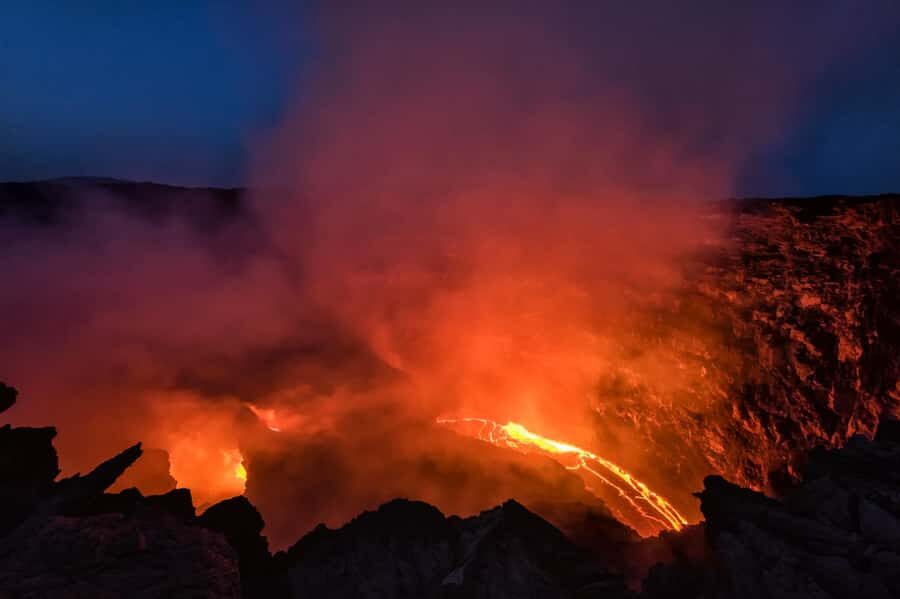
Day 1 starts with a pickup from Semera Airport, then a drive that builds from town life into salt-country. You’ll stop in Afdera for lunch and the first big “how is this real?” moment: Lake Afrera/Afdera where you can swim and float.
This is a key stop for a simple reason: it breaks up the long road day with something physical and immediate. And because the water is highly saline, the experience is more like floating in place than fighting your way through waves. One note for your expectations: you’ll likely want hiking shoes and practical swim gear so you’re not improvising in a place where footing can be tricky.
After that, you continue to the Erta Ale Base Camp, where the driving feels purposeful but relaxed—no racing, just getting you into the right position for the next day’s volcano work. You’ll camp near Erta Ale, which sets the tone for what comes next: early visibility and a slower, more “let the light do the talking” rhythm.
If you’re the kind of traveler who likes your big sights at sunrise or sunset, this day is doing the setup work—because you’re not just arriving, you’re positioning yourself.
Day 2: Erta Ale timing and Lake Asale sunsets with camel salt caravans
Day 2 is where the pace tightens. You depart from Erta Ale at 8:30 AM and push toward Lake Asale by late afternoon—arriving around 4:00 PM in the Hamedela area, then camping overnight.
The Erta Ale portion is your active-volcano centerpiece. The big idea here is the hike and the chance to see the volcano up close. One guest specifically noted reaching Erta Ale early in the morning and walking on lava described as six-month-old—that’s the kind of detail that reminds you how dynamic this place is. You’re not just looking from far away. You’re moving on terrain shaped by recent activity.
Then comes the payoff of salt flats. At Lake Asale, you’re set up for a sunset experience while observing camel caravans transporting salt. The caravans add motion and scale. Instead of “just a lot of salt,” you see a working system: people, animals, and logistics arranged around the geography.
Overnight camping in Hamedela closes the loop. You’ll go from volcano to flats in one day, and sleep in the middle of it—so you wake up still inside the region’s rhythm rather than returning to a normal base town.
Day 3: Dallol’s colors, sulfur ponds, Lake Karum, and salt harvesting you can watch
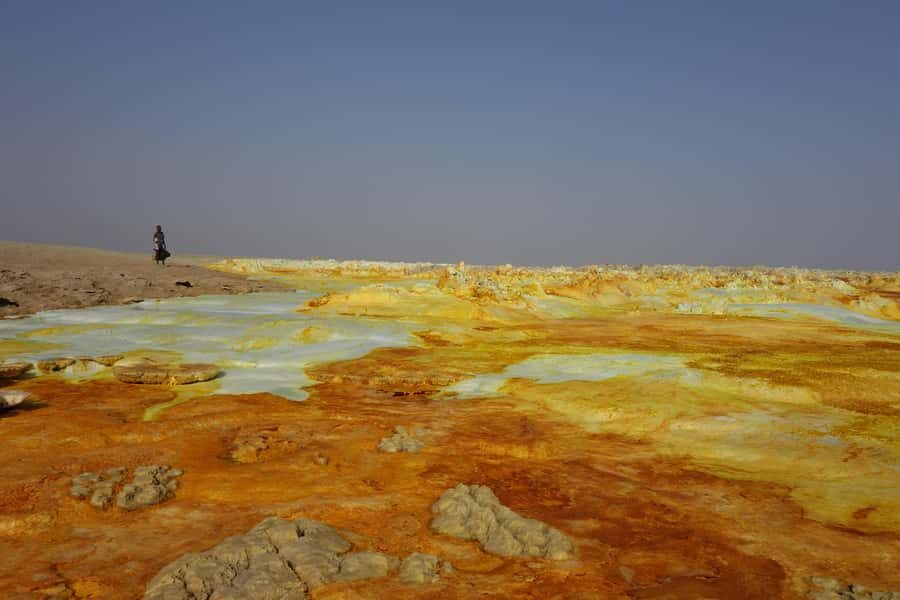
Day 3 is a full geology day with multiple texture changes. You start with Dallol, including a guided tour (about 1.5 hours) of the colorful geothermal features. Dallol is known for visual drama, but the value here is that you’re not only sightseeing—you’re learning what you’re looking at while moving through the area with a guide.
From there you head through other stops: Ahmed Ela (break time), Lake Karum sightseeing, and Danakil Salt Lake sightseeing. You’ll also see traditional salt excavation methods and camel caravans again, so the salt theme doesn’t vanish after Day 2. It turns into a deeper look at how the extraction works.
You’ll also see sulfuric acid ponds, and the tour notes the option to swim in the Salt Lake. That’s one of those “only in this region” opportunities, but it’s also a moment to be practical. If conditions make you unsure about comfort or safety, treat the swim as optional and focus on the surroundings—because even without swimming, this day can still hit hard visually.
Finally, you drive back to Semera and aim to reach around 4:00 PM. It’s a long stretch, but it’s the kind of ending that feels right here: you don’t want to be stuck with a slow “maybe we’ll get there” schedule after days of remote travel.
What the camping and meals really mean for your comfort
This is not glamping. But it’s also not “rough it with nothing.” You get accommodation with camping gear, a mattress, and clean bedsheets. In a place where you’re expending energy and then trying to recover, that matters. If you’ve done harsh-country camping before, you know the difference between sleeping on bare ground and having even basic comfort.
Meals are included: breakfast, lunch, and dinner, plus unlimited water. The tour also notes you can request kosher, halal, vegetarian, and vegan options. That’s worth paying attention to because in remote regions, food choices sometimes get simplified. Here, the setup is more respectful to different diets than you might expect.
My practical advice: treat this trip like a field experience. Eat what’s offered, drink consistently, and don’t assume you’ll be able to refill snacks whenever you want. Bring any personal extras you like (tea/coffee preferences, energy bars) because the tour includes meals, but it doesn’t say it includes an unlimited buffet of extras.
Getting value from $450: remote transport, permits, and doing the hard bits
At $450 per person for 3 days, the price isn’t cheap. But in this part of Ethiopia, “cheap” usually means cutting something important. What you’re paying for is the hard-to-get access: 4×4 transportation, fuel, camping support, permits and entry fees for the Danakil Depression, and guided time spent where ordinary travel doesn’t reach.
You also get the full package of time and sequence. Day 1 gets you into position for Erta Ale. Day 2 connects the volcano to the salt flats and camel trade. Day 3 ties Dallol’s colors to salt harvesting and sulfur features, then gets you back to Semera by late afternoon. That flow reduces the odds you’ll waste energy coordinating separate parts on your own.
One more value angle: the itinerary includes both action and observation. You’re not only driving past sights—you’re swimming/loating, hiking, and watching salt logistics. For many people, that’s the difference between a “drive-by” and a real memory.
If you’re budget-focused, the biggest question is whether you’re willing to handle the physical demands. If yes, this price starts to look like paying for access plus time equals less stress. If no, you’ll feel the cost more than the benefits.
Who should book—and who should think twice
This tour is ideal for travelers who want active, outdoorsy, and hands-on experiences in extreme terrain. If you like early starts, don’t mind camping nights, and you get satisfaction from learning what you’re looking at, you’ll probably enjoy every day’s mix of volcano, salt, and geothermal color.
I’d think twice if you’re:
- worried about physical strain (there’s a clear warning tone in how people talk about fitness needs)
- sensitive to harsh environments or uncomfortable outdoor sleeping
- expecting a leisurely “sit and take photos” pace
That same practicality applies to health conditions. Even if the tour includes a live English guide and camping support, it doesn’t change the setting. The region is extreme; your body still has to do the work.
For travelers with strong motivation—especially those who want to see both Erta Ale and Dallol in one tight window—this tour is one of the most focused ways to do it.
Should you book the Semera Danakil Depression 3-Day Tour?
If your goal is a concentrated trip to the Danakil Depression with real highlights—Erta Ale, Lake Afdera floating, Dallol, salt caravans, and salt harvesting—this tour makes strong sense. The inclusion of permits, 4×4 logistics, and full meals plus water removes a lot of hassle that you’d otherwise have to solve yourself.
Book it if you’re physically comfortable with an active itinerary and camping nights. Don’t book it if you want comfort-first travel or you’re unsure about your health and stamina in extreme outdoor conditions.
If you want one simple checklist: pack hiking shoes and hiking pants, confirm your passport details (a copy is accepted), and go in ready for a trip that’s more fieldwork than vacation photo shoot.
FAQ
How long is the Danakil Depression 3-Day Tour from Semera?
It’s a 3-day tour.
What is the price per person?
The price is $450 per person.
Where does the tour start?
The tour includes pickup from Semera Airport, and it also offers pickup from your hotel lobby in Semera upon request.
Is the tour guided, and what language is used?
Yes. The tour includes a live tour guide in English.
What are the main highlights during the 3 days?
You’ll hike to Erta Ale, swim/float in Lake Afdera, see Dallol and its geothermal features, witness camel salt caravans, and observe traditional salt excavation methods.
Do I get to see Lake Asale?
Yes. The schedule includes time at Lake Asale salt flats for sunset and camel caravans.
Is camping included, and what’s provided?
Accommodation is included with camping gear, a mattress, and clean bedsheets.
What meals and drinks are included?
The tour includes breakfast, lunch, and dinner, plus unlimited water.
What should I bring?
Bring hiking shoes, hiking pants, and your passport (a copy is accepted).
What is not included in the tour price?
Domestic flights are not included.