The Danakil Depression is extreme in the best way. This 3-day loop puts you face-to-face with salt flats, sulfur heat, and the active Erta Ale volcano in a tight itinerary. You’ll spend days in raw, geologic chaos and evenings under an actual sky full of stars.
I love how this trip stays practical in tough conditions, with 4WD transport with AC and clear pacing from one key site to the next. I also like that the day-by-day plan builds from salt lakes and springs into the main event: trekking toward a permanent lava lake. One consideration: you’re sleeping outside part of the time and the region can hit 50°C, so this is not a soft-comfort vacation.
In This Review
- Key highlights to know before you go
- Why this Danakil loop feels built for real conditions
- Heat, safety, and the 4WD with AC reality check
- Day 1: Afdera salt lake, Dalol camp breaks, and the floating salt-lake sunset
- Day 2: Dallol at 116 meters below sea level, then Erta Ale’s permanent lava lake
- Day 3: Sunrise at the northern pit crater and a quick exit for your 5:30 PM flight
- What’s included, what’s not, and how the price adds up
- Who should book this Danakil Depression adventure
- Should you book? My decision rule
- FAQ
- How long is the Danakil Depression 3-day adventure?
- What does the tour cost per person?
- Where does the tour start each day?
- Do I get picked up at the airport?
- What languages is the live tour guide available in?
- What group size should I expect?
- What are the main activities during the 3 days?
- Is there time for swimming?
- What kind of sleeping arrangements are included?
- What is included in the price, and what isn’t?
Key highlights to know before you go
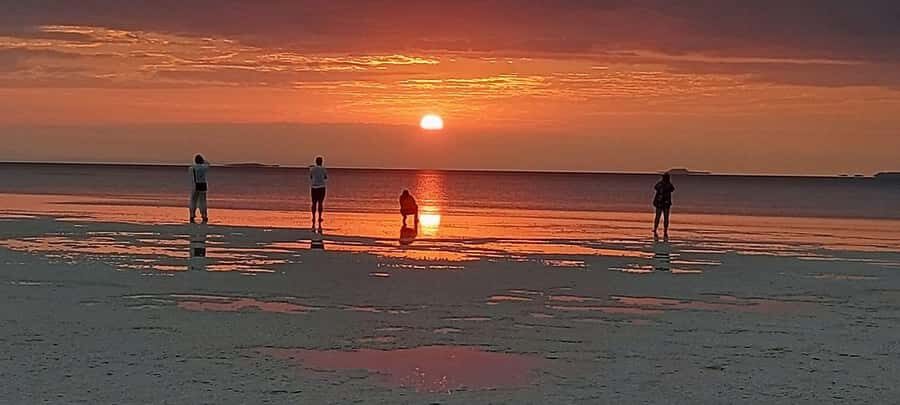
- Floating salt-lake time: you can swim where the surface lets you float, plus you’ll catch sunset over the red salt scenery.
- Real volcano access: you trek up to see the boiling lava at Erta Ale, then sleep and wake up near the pits.
- Salt-mining and sulfur stops: Dallol and the surrounding areas are all about salt work, sulfur springs, and mineral color.
- Caravan-style desert feel: the route includes caravan adventure elements, sand-dune driving, and an up-close desert rhythm.
- Small group scale: limited to 10 participants, which matters when you’re moving through remote areas.
Why this Danakil loop feels built for real conditions
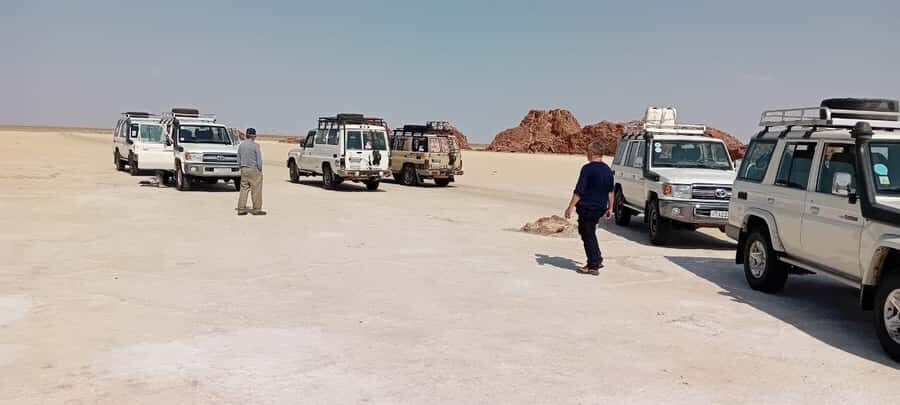
Danakil doesn’t do “normal travel comfort.” The terrain is harsh. The heat can be brutal. Distances are big. So I like that this tour is built around what the place actually demands: 4WD, local guides, and a plan that keeps you focused on the big-ticket sights without endless detours.
The price is $350 per person for 3 days. That sounds like a lot until you look at what you’re actually getting: entrance and community fees, all meals in the desert (breakfast, lunch snack, and dinner), bottled water, camping equipment, local guides, and scout and police service. You also get camel hire and wine included. In other words, you’re paying for the logistics that let you reach sites most people only see in photos.
One more thing I appreciate: the organization gets praised for being top-notch in hard conditions, including transport and food. That’s exactly what you want here. If camp life and driving are messy, the trip becomes work instead of wonder.
A few more Semera Ethiopia tours and experiences worth a look
Heat, safety, and the 4WD with AC reality check
The biggest reality check is temperature. The Danakil region can reach up to 50°C. That is not a “drink water and power through” situation. It’s a “respect the heat and follow the plan” situation.
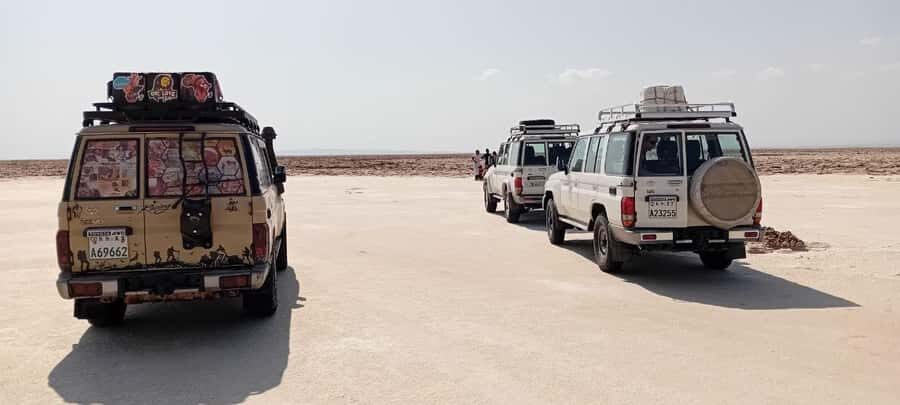
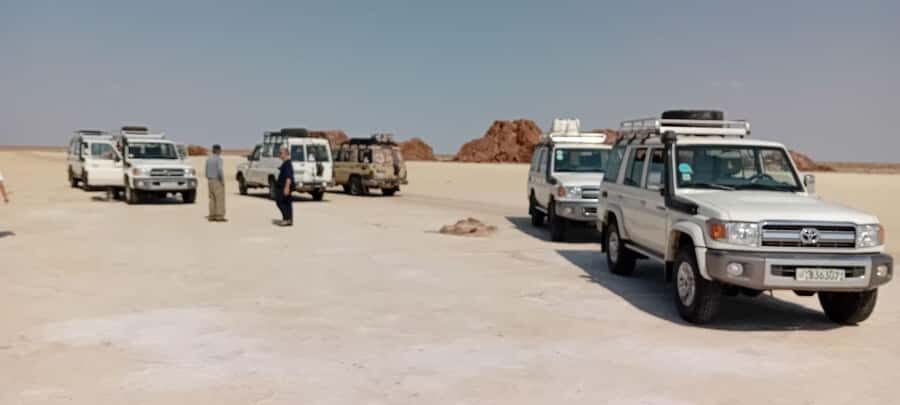
Here, the tour provides 4WD transport with AC and proper ventilation. That matters because most of your discomfort comes from getting baked during long drives. You’ll also have bottled water included, which helps you stay ahead of dehydration.
On the safety side, the tour includes scout and police service. Danakil is remote, and having local support is part of why this can run smoothly through controlled areas. It’s also a reminder: even when the scenery looks like science fiction, this is still a working region with rules and local access.
Also plan for basic sleeping. Day 1 uses wooden beds with mattresses and sheets. Day 2 switches to overnight camping outside on a rocky site, with a flower mattress plus bed sheet or blanket. You’ll sleep under stars, but you should expect desert-style comfort, not hotel softness.
Day 1: Afdera salt lake, Dalol camp breaks, and the floating salt-lake sunset
Day 1 starts at 9:00 AM from Semera or Mekele airport. That early start helps you gain time before the hottest part of the day. As you drive deeper into the Danakil Depression, the temperature climbs, and the scenery shifts into that sulfur-and-salt world that looks engineered by geology.
A highlight on Day 1 is Afdera, where you stop for lunch at the charming Afar village known for its salt lake. This is not just a photo stop. You get a taste of the salt-lake life and local cuisine, which gives the area context beyond the minerals.
After lunch, you continue toward Hamed Ela and then Dalol. Dalol is where you get a short break at camp, with tea or coffee mentioned in the flow. That matters because you’ll want a reset before the main salt-lake moment of the day.
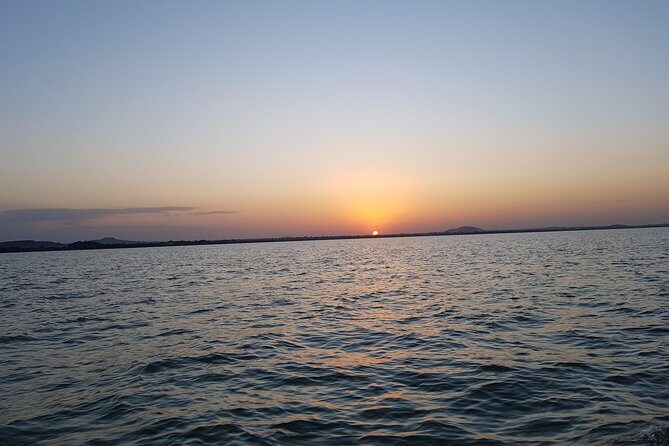
Then comes the big Danakil-style payoff: the saltwater lake area more than 100 meters below sea level. You’ll get a chance to watch sunset here. You’ll also have the option to swim in the floating salt lake, and you can admire the red salt mountains nearby. It’s one of those experiences where your brain goes, What am I even doing here, and your body goes, This is wild.
Even the driving vibe gets added value. The plan includes music, dancing, and jumping around from the drivers. That might sound like fluff, but in a place this remote, it keeps energy up and makes the day feel like a shared moment instead of a chore.
Dinner happens back at camp. You’ll eat with the night cooling around you, and you can sleep outside under the stars on the wooden beds with mattresses and sheets.
Day 2: Dallol at 116 meters below sea level, then Erta Ale’s permanent lava lake
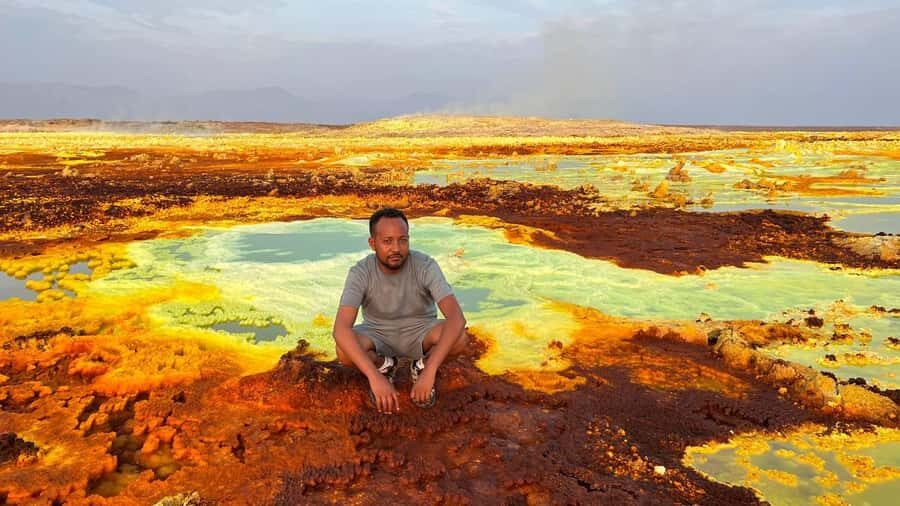
Day 2 starts early, because Erta Ale is about timing and position. First you head to Dallol, listed at 116 meters below sea level. Dallol is famous for its color and chemistry, and your route focuses on salt mining and views linked to sunrise and sunset timing.
You’ll explore colorful salts mining areas and get mesmerizing views of Lake Assal during sunrise and sunset. The plan also includes sulfur springs, along with exploration of salt mountains, sulfur lake, and hot springs. If you like geology you’ll feel like you’re walking through the results of a chemical experiment. If you don’t, you’ll still get why people get hooked: the colors and heat shimmer are hard to fake.
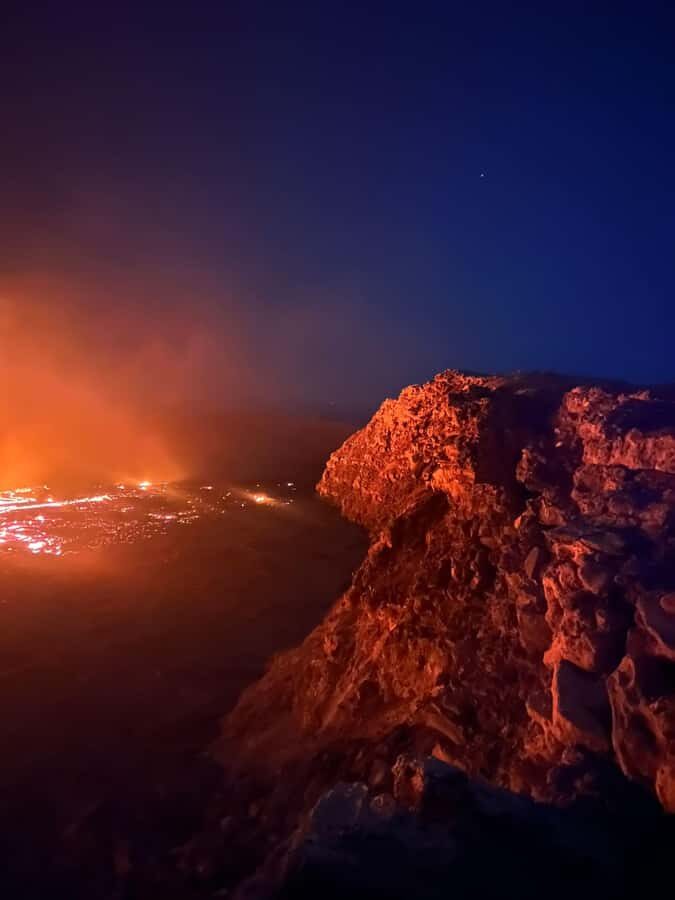
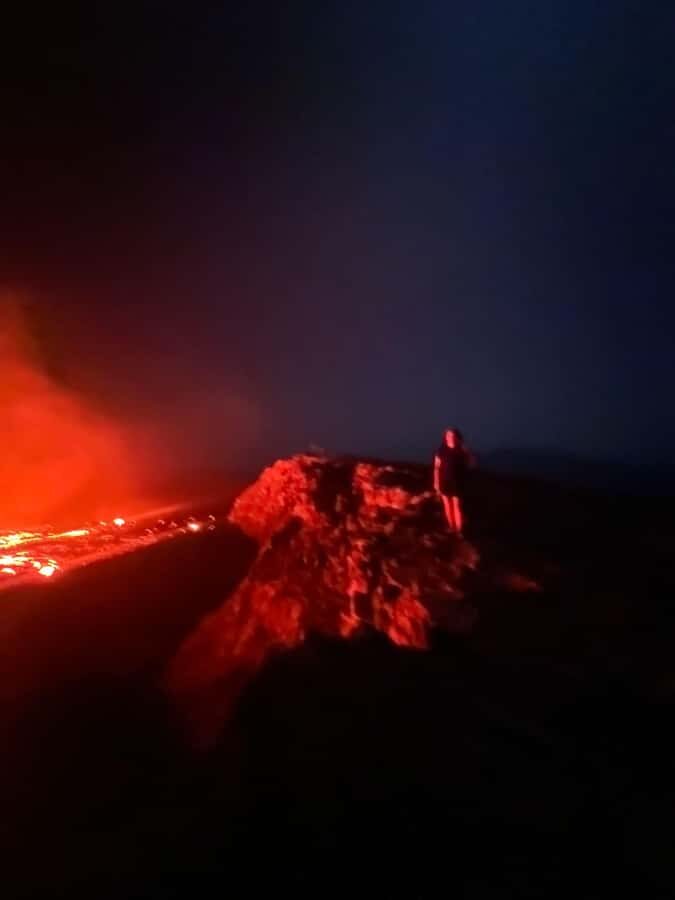
After these stops, you drive back to camp for breakfast before heading to Erta Ale. This is the showstopper. Erta Ale is described as a shield volcano with a massive caldera and the world’s only permanent lava lake. It’s also listed at 613 meters in height.
You’ll trek up to the volcano cone and witness the dramatic moment of boiling lava. That hike is part of the value. It turns the volcano from a distant sight into something you’re close to, on foot, in the dark.
Dinner is set around 8:00 PM, then you sleep overnight at Erta Ale outside on a rocky camping site. You’ll have a flower mattress plus bed sheet or blanket. This is the kind of night that stays with you: cool stars overhead, and the awareness that you’re near active volcanic action.
Day 3: Sunrise at the northern pit crater and a quick exit for your 5:30 PM flight
Day 3 starts early again to catch sunrise at the northern pit crater. You then take a short walk to explore the southern and central pits. The tour gives you specific pit dimensions, which I like because it makes the area feel measurable, not just dramatic.
The main pit-crater is 200 meters deep and 350 meters across. The smaller southern pit is listed as 65 meters wide and approximately 100 meters deep. That scale helps you picture why the craters look like natural amphitheaters cut into the earth.
After descending back to camp, you get time to relax and a last desert breakfast before packing up camping gear. Then it’s driving back out.
The timing is designed for flights. The last day ends between 2:00 PM and 4:00 PM, aiming to let you catch a flight to Addis Ababa at 5:30 PM from Mekele or Semera.
So if you hate wasting half a day waiting around at airports, you’ll likely appreciate this. It keeps the schedule tight and the memories concentrated.
What’s included, what’s not, and how the price adds up
The included list is unusually strong for a remote-country expedition. You get:
- Entrance fees and community fees
- All desert meals: breakfast, lunch snack, and dinner
- Bottled water
- 4WD transport with AC
- Local guides
- Camping equipment
- Scout and police service
- Camel hire
- Wine
And you get the language coverage you’d expect for an international group: the live tour guide can work in English, Amharic, and German.
What’s not included:
- Domestic flights are listed as excluded.
- Other unspecified expenses
- Tipping
- Alcohol is listed as excluded, but wine is included, so expect that you’ll have some alcohol on the plan, not a full open bar.
One more logistics note: the pickup is included from Semera airport, and the tour guide and driver are supposed to flag the company name or your booking details. They also mention you may meet the team in Addis a day before for brief information, and there’s a plan involving a domestic flight from Addis to Semera. So you should plan to arrive in Addis first, then let them handle the leg into the start point.
Who should book this Danakil Depression adventure
This tour fits best if you want:
- Active geology: salt flats, sulfur springs, mining, and Erta Ale’s permanent lava lake
- A real desert-camping feel, including sleeping under stars
- A small group set-up (limited to 10 participants) so you’re not constantly waiting for transfers
It’s also a good match if you like “move all day, do one big thing, then rest” rhythms. The itinerary is built around a sequence of zones: Afdera and salt lakes, then Dalol’s mineral world, then Erta Ale’s volcano access, then pit-crater sunrise.
If you need hotel comfort every night, this will probably feel too basic. If you dislike heat, Danakil will test you. But if you can handle extreme conditions with the help of AC driving and a strong plan, this is the kind of trip that changes your idea of what travel can be.
Should you book? My decision rule
I’d book this if you’re chasing Danakil’s signature experiences in one clean package: floating salt-lake swimming, sulfur-lake and hot-spring stops, salt mining, and the Erta Ale lava-lake trek with an overnight near the volcano.
I wouldn’t book it if you’re worried about heat tolerance, rough terrain walking, or camping-style sleep. Even with AC on the drives, you’re still in a desert and a volcanic region.
If your flights line up, this timing is smart. Starting at 9:00 AM and finishing between 2:00 PM and 4:00 PM gives you a shot at the 5:30 PM route back toward Addis Ababa.
FAQ
How long is the Danakil Depression 3-day adventure?
It runs for 3 days.
What does the tour cost per person?
The price is $350 per person.
Where does the tour start each day?
Day 1 starts at 9:00 AM from Semera or Mekele airport.
Do I get picked up at the airport?
Yes. Pickup is included, and your guide and driver should meet you at Semera airport and flag the company name or your booking details.
What languages is the live tour guide available in?
The tour guide can provide live guiding in English, Amharic, and German.
What group size should I expect?
The group is limited to a small group of up to 10 participants.
What are the main activities during the 3 days?
You’ll visit salt lakes and sulfur sites, drive through sand dunes, explore salt mining areas, and trek near the Erta Ale volcano to see boiling lava.
Is there time for swimming?
Yes. There’s an opportunity to swim in the floating salt lake during Day 1.
What kind of sleeping arrangements are included?
Day 1 includes sleeping under the stars on comfortable wooden beds with mattresses and sheets. Day 2 includes overnight camping outside on a rocky camping site, with a flower mattress and bed sheet or blanket provided.
What is included in the price, and what isn’t?
Included: entrance and community fees, all desert meals, bottled water, 4WD with AC, local guides, camping equipment, scout and police service, camel hire, and wine. Excluded: domestic flights, alcohol (other than the included wine), tipping, and other unspecified expenses.