REVIEW · ADDIS ABABA
2 Days Ethiopian Rift Valley Lakes Tour from Addis Ababa
Book on Viator →Operated by Merit Ethiopian Experience Tours · Bookable on Viator
Rift Valley in just 2 days. This private tour strings together lake birdlife, UNESCO history at Tiya, and culture around the Ethiopian Rift Valley in a way that feels efficient without rushing the important parts. I like that it’s built around an English-speaking guide and real stops you can actually talk about, not just photo pull-offs. One thing to plan for: entrance fees aren’t included, so your total cost can creep up once you arrive.
What I really like is the mix of animal-and-people time: hippos and pelicans by the lakes, plus village visits and a cultural coffee ceremony. I also like the air-conditioned private vehicle (with bottled water) because Rift Valley roads can mean dusty windows, and the comfort matters when you’ve got a tight two-day schedule. Still, because this is a full circuit, you’ll spend a good chunk of both days in transit.
One more practical consideration: you’ll want to dress appropriately for the rock-hewn Adadi Mariam church (women are expected to be fully dressed and cover their hair). And if you’re traveling in the rainy season (June to mid-September), expect wetter conditions and plan for weather to affect lake views and the hot-spring timing.
In This Review
- Key things to know before you go
- Rift Valley in a private loop: what you’re really buying
- Day 1: Tiya UNESCO, Butajira viewpoints, and Lake Ziway’s wildlife
- Tiya World Heritage Site and the Adadi Mariam church
- Butajira: Rift Valley views and a Silte village experience
- Lake Ziway: birds, hippos (if you’re lucky), and sunset potential
- Melka Kunture archaeological site: human evolution 1.8 million years back
- Day 2: Awassa fish market breakfast, Abiyatta–Shalla wildlife, and Bishoftu coffee
- Awassa fish market at Amora Gedel: birds and the rare colobus monkey
- Abiyatta–Shalla Lakes National Park: short walk, big wildlife payoff
- Shashemene: Jamaican Rastafarian community and Haile Selassie I connections
- Bishoftu (Debre Ziet): crater lake scenery and an Oromo village coffee ceremony
- Coffee ceremony and culture visits: how to make them feel real
- Comfort, safety, and timing: what the private format changes
- Price and value: is $845.39 per group fair?
- Weather, packing, and that rainy-season reality
- Who this tour suits best
- Should you book the 2-Day Ethiopian Rift Valley Lakes Tour?
- FAQ
- What’s the price and group size for this 2-day tour?
- What’s included in the tour price?
- Are entrance fees included?
- What should I wear for the Adadi Mariam church visit?
- Does the tour run year-round?
- Is this tour suitable for most travelers?
- Is there free cancellation?
Key things to know before you go
- Private and flexible: you’re traveling with just your group, so your guide can adjust pacing.
- Birdlife focus: Ziway and Awassa are built around seeing water birds (and hippos if you’re lucky).
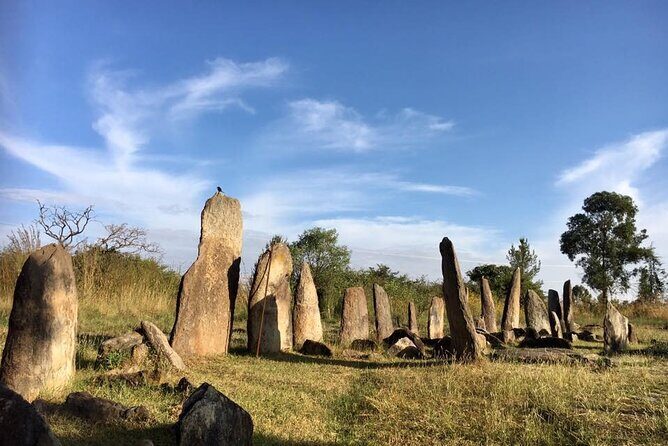
- UNESCO stop at Tiya: the carved stone steles add serious depth beyond scenery.
- Old-meets-modern culture: Rift Valley history at Melka Kunture plus daily life visits.
- Coffee ceremony included: you get the social side of Ethiopia, not just the sightseeing.
- Hot springs depend on weather: timing is best when conditions are within September–June windows.
Rift Valley in a private loop: what you’re really buying
This is a 2-day, private tour from Addis Ababa aimed at the heart of Ethiopia’s Rift Valley. The price is $845.39 per group (up to 6), which can be good value if you’re a small group, or if you’re traveling as a couple and want the comfort of private guiding.
You’re not just going to one lake and calling it a day. The value is in the variety of experiences packed into a short time: archaeological sites, a famous UNESCO heritage area, lake walking for wildlife, and multiple cultural touchpoints with locals.
It helps that the tour includes a private insured vehicle with AC, seat belts, and bottled water. Ethiopia’s distances can look short on a map and still take time on the road, so having comfort built in matters. And yes, you’ll have an English-speaking guide who can connect the dots—why these areas matter, how people live here, and what to watch for during your walks.
A few more Addis Ababa tours and experiences worth a look

Day 1: Tiya UNESCO, Butajira viewpoints, and Lake Ziway’s wildlife
Day 1 starts with a heritage-heavy feel, then shifts toward Rift Valley scenery and animals.
Tiya World Heritage Site and the Adadi Mariam church
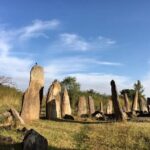
Tiya is one of Ethiopia’s standout historical sites, recognized by UNESCO for the carved stone grave markers. You’ll walk through a site with steles erected between the 12th and 14th century AD, honoring important local figures. Even if you’re not a dedicated history person, these stone markers make it easy to understand that this region has been shaped by complex societies for centuries.
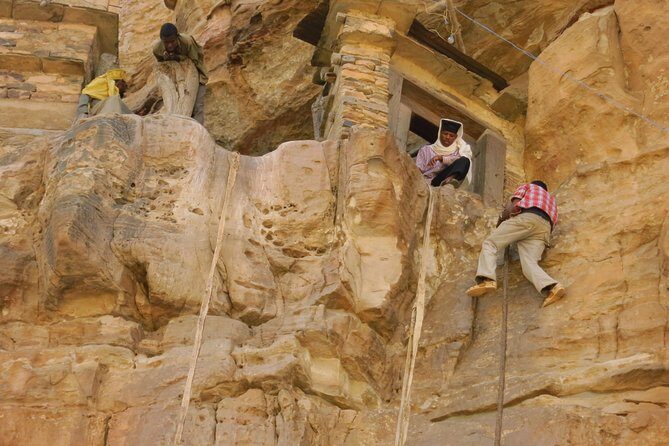
On top of Tiya, the tour also includes a visit to the rock-hewn church of Adadi Mariam. This is where practical travel details matter: plan to show up fully dressed, and cover hair (women are expected to do this). If you forget, you may have to adjust at the last minute.
Why this is worth doing on day 1: your brain is still fresh, and you get to anchor the trip with meaning before you move into the lakes.
Possible drawback: admission tickets for these stops are listed as not included, so bring cash or be ready to pay onsite.
Butajira: Rift Valley views and a Silte village experience
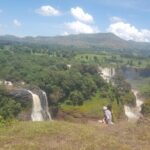
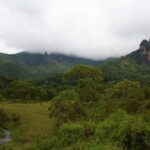
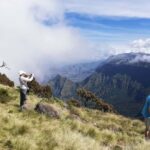
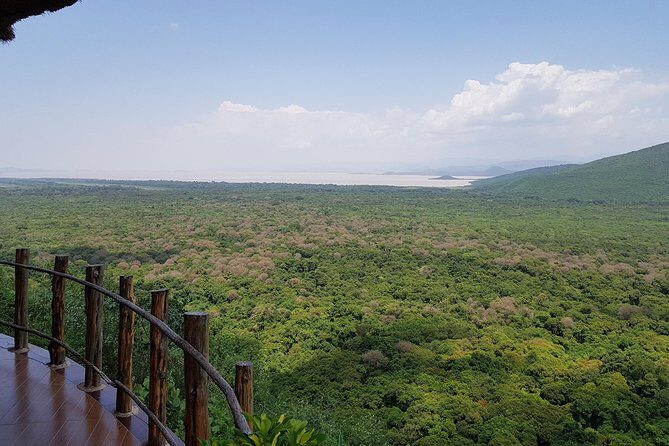
After heritage comes scenery. You’ll stop at outlooks around Butajira for views of the Ethiopian stretch of the Great East African Rift Valley. These pauses are good for orientation—Rift Valley travel is easier when you can see the long, dramatic line of the landscape.
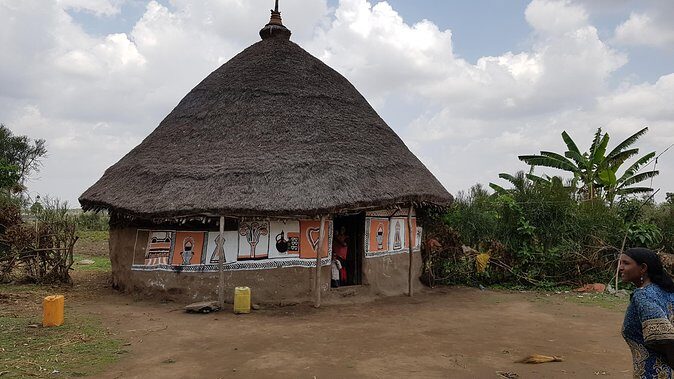
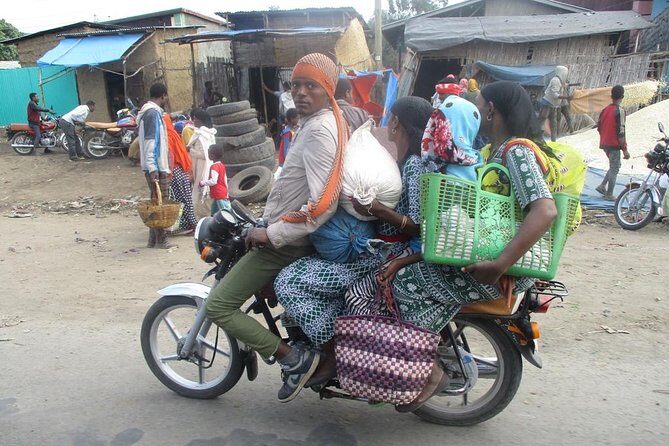
Then comes a local cultural visit in a Silte village. This is the kind of stop that works best when you slow down: ask questions, keep your expectations respectful, and remember that daily life is the point—not a staged performance.
Admission here is listed as free, which helps keep day 1 costs more predictable.
Lake Ziway: birds, hippos (if you’re lucky), and sunset potential
Lake Ziway is where the tour becomes more like a wildlife walk than a drive-by. You’ll spend time walking by the shores, looking for Ethiopian lowland water birds. The tour description calls out species such as great white pelicans, marabou storks, African fish eagle, sacred ibis, and hammerkops.
Hippos are part of the story too: you might spot families if you’re lucky. That depends on animal behavior that day, so I treat hippo sightings as a bonus, not a guarantee.
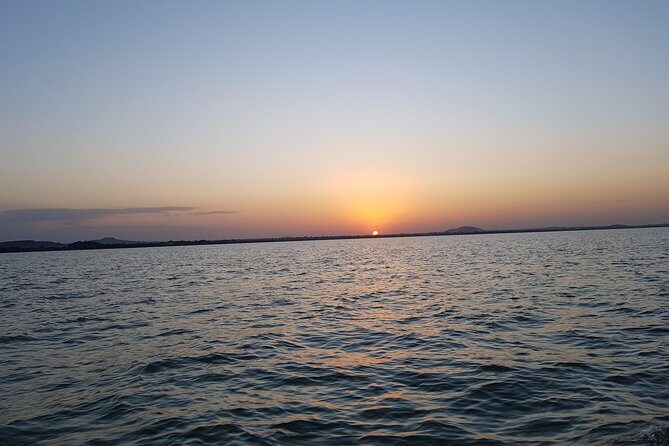
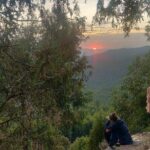
If the weather cooperates, you’ll also have time to enjoy a sunset over Lake Ziway. This timing is useful because evening light can make birds and shoreline scenes feel more memorable than midday.
One cost note: Lake Ziway’s admission is listed as included.
Melka Kunture archaeological site: human evolution 1.8 million years back
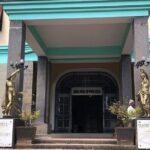
To close day 1, you’ll head to Melka Kunture, an archaeological area tied to humanity’s deep past. You’ll visit the museum and learn about stone tools from Homo erectus, plus fossilized footprints and an open-air site dated to around 800,000 years old (a butchery location).
This is a different kind of “wow” than a lake bird. It’s about time depth—seeing evidence that long before modern Ethiopia, people and tools shaped the same broad region.
Admission here is listed as not included, so expect another onsite fee.
Day 2: Awassa fish market breakfast, Abiyatta–Shalla wildlife, and Bishoftu coffee
Day 2 flips the rhythm: early food and wildlife, then national park walking, then cultural stops that end with coffee.
Awassa fish market at Amora Gedel: birds and the rare colobus monkey
After breakfast, you’ll head to the fish market at Awassa Lake, specifically Amora Gedel on the shores of Lake Awassa. The experience is more than looking at stalls: locals come to eat fresh catch, and you’ll have time to try a breakfast focused on tilapia fish.
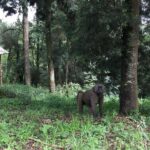
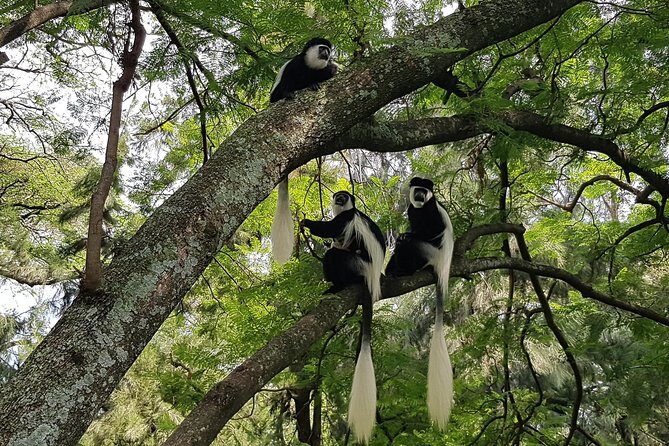
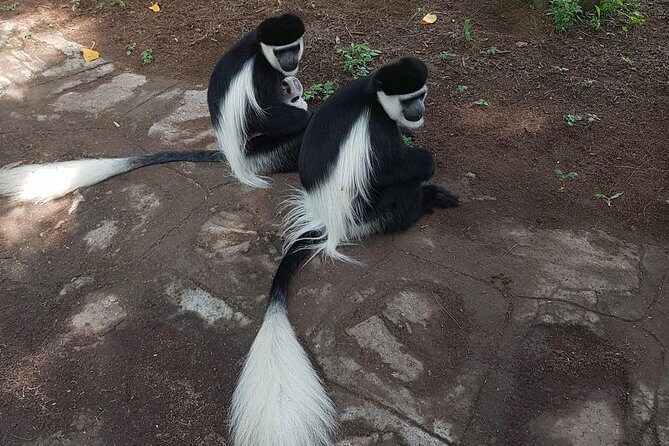
Birds gather here too, especially around leftover fish. The rare extra is the Colobus monkey (black and white monkey), which you’ll have a chance to spot depending on what’s active that morning.
Admission is listed as included, which is a nice win on the day’s cost side.
Abiyatta–Shalla Lakes National Park: short walk, big wildlife payoff
Next is Abiyatta-Shalla Lakes National Park. You’ll drive toward the park with a brief stop in Shashemene along the way. Then inside the park you get a walk of about half an hour aimed at spotting animals and birds.
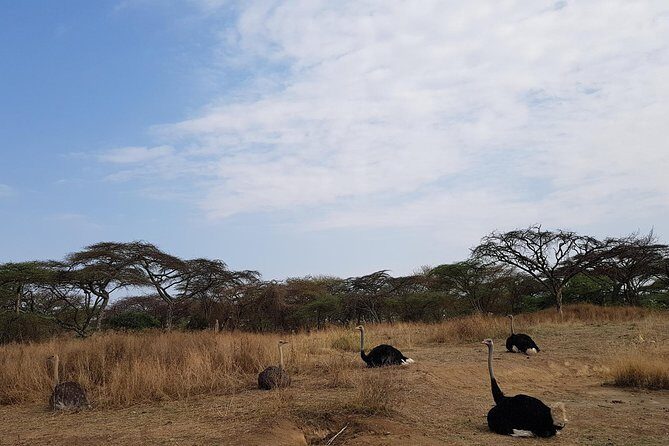
The animal list is specific: ostriches, gazelles, and warthogs are all mentioned. Birdlife is a major focus, too. If you like wildlife that doesn’t require a long trek, this is a good structure: a manageable walk with a guide scanning and explaining.
There’s also mention of natural hot spring waters used by locals for skin healing. This is weather-dependent: the tour notes it’s best during September to June, so plan your expectations around seasonal conditions.
Admissions for the park and related stops are listed as not included, so budget for ticket fees.
Shashemene: Jamaican Rastafarian community and Haile Selassie I connections
You’ll spend time in Shashemene visiting the Jamaican Rastafarian community for about 1 hour. You’ll learn about the background of Rastafarian beliefs and how they connect with Emperor Haile Selassie I.
This is one of the parts that turns a “nature and sites” trip into something more personal. It’s not just Ethiopia as viewed from afar; it’s Ethiopia as part of a wider diaspora story.
Admission is listed as free here.
Bishoftu (Debre Ziet): crater lake scenery and an Oromo village coffee ceremony
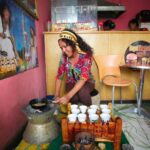
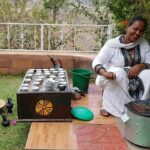
The final main stop is Bishoftu (Debre Ziet). You’ll stop at a crater lake known for scenic beauty. Then you’ll visit an Oromo village where you’ll attend a traditional Ethiopian coffee ceremony with locals.
The tour states the coffee ceremony is included, and it’s listed as admission free for these parts. Practically, this is a great way to finish: after two days of driving and walking, you get a calm, social ending.
A quick cultural tip: coffee ceremonies are usually paced and meant to be watched. Give it your attention. It’s not just a drink—it’s a way people share time.
Coffee ceremony and culture visits: how to make them feel real
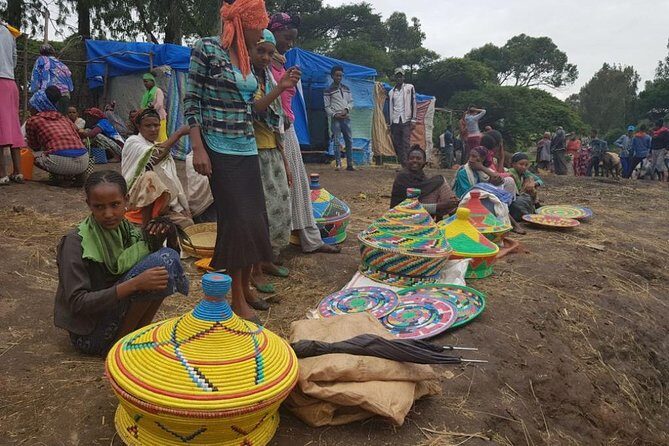
I like that this tour doesn’t treat culture as a single box to check. You get multiple encounters: a Silte village day-one, a Rastafarian community in Shashemene day-two, and an Oromo village coffee ceremony at Bishoftu.
When you approach these moments with respect, they tend to feel meaningful fast. Ask small questions. Take cues from your guide. And remember you’re visiting homes and communities, not an open-air museum.
Also, if you’re sensitive about photos, use common sense: ask before photographing people, and let your guide steer you. In Ethiopia, these social boundaries are part of the experience.
Comfort, safety, and timing: what the private format changes
One of the clearest value points here is the private nature of the tour. You’re not sharing a cramped van with strangers, and you’re not competing for attention. That makes it easier to ask questions, pause for a photo, or get advice on what you’re seeing.
You’ll travel in a Toyota Corolla for 1–2 people or a minivan for larger groups, with air conditioning and seat belts. Add bottled water in the vehicle, and you’ve got a baseline that helps on longer drives.
This matters because Rift Valley travel can be a mix of stretches of road and curvy segments. AC doesn’t just feel nice—it helps you stay alert when you’re walking outdoors and looking for wildlife.
On the guide side, the tour is led by professional English-speaking guides, and the experience has specific guide names associated with it like Teddy, Muluken, and Biruk. That consistency usually translates to smoother explanations and more confidence about what to do at each stop.
Price and value: is $845.39 per group fair?
At $845.39 per group (up to 6) for about 2 days, you should think in terms of how you’ll use the private format.
If you’re two people, you’re paying for privacy and guiding, plus logistics between Addis Ababa and multiple sites. If you’re four to six, the per-person cost drops quickly, and you’re also spreading out the guide and vehicle costs.
Where the tour can feel especially good value is in what’s included:
- private AC transport
- English-speaking guide
- bottled water
- fuel surcharge
- coffee ceremony
- onsite tour guides and park scouts
- and specific admission items listed as included at places like Lake Ziway and the Awassa fish market
Where you should watch costs: many other entrances are not included, including items like Tiya and Melka Kunture. Meals and accommodations aren’t included either.
My practical advice: before you go, confirm with the operator which stops are included vs. not included for tickets. Then you can budget without surprises.
Also, if you find the same experience on comparison sites, it can be cost-effective to book directly with the local company rather than through third-party markups.
Weather, packing, and that rainy-season reality
This tour runs in rainy season too, but it changes the experience. June to mid-September is the rainy period, and wet conditions can affect visibility, road pace, and comfort for outdoor walking.
For wildlife walks, rain can reduce bird movement or visibility near shorelines. For hot springs, conditions are specifically noted as important: the hot springs visit is tied to September–June weather windows.
Packing basics you can count on:
- a light rain layer (even if showers are brief)
- comfortable walking shoes
- a scarf or covering you can use for Adadi Mariam expectations
- a small day bag for camera and water
Who this tour suits best
This is a strong match if you want:
- a short, guided Rift Valley sampler with both nature and culture
- the comfort of an AC private vehicle
- a guide who can connect sites to Ethiopian life
It also works well for solo travelers who want structure and safety, because private guiding reduces friction. And it’s a good choice for couples or small families who prefer fewer people and more personal attention.
If you hate vehicle time and want only one “slow travel” destination, you might feel the pace. Two days is tight by design.
Should you book the 2-Day Ethiopian Rift Valley Lakes Tour?
I’d book it if you like variety and you want a guided hit of the Rift Valley that actually covers the key anchors: Tiya, lake wildlife at Ziway and Awassa, park walking at Abiyatta-Shalla, and an authentic ending with Ethiopian coffee.
I would think twice if you’re traveling only to avoid driving or you’re trying to keep spending tightly controlled, because several important admissions are listed as not included and you’ll also need meals and lodging outside the tour.
If you go, plan for weather, bring something to respect Adadi Mariam dress rules, and treat wildlife sightings (like hippos and monkeys) as chances, not guarantees. With that mindset, this two-day loop is exactly the kind of focused, personal Ethiopia trip that leaves you with real stories, not just photos.
FAQ
What’s the price and group size for this 2-day tour?
The tour costs $845.39 per group and is for up to 6 people. It’s a private tour, so only your group participates.
What’s included in the tour price?
Included items are private AC transportation (Toyota Corolla for 1–2 people or a minivan), an English-speaking tour guide, bottled water, local family visits, the Ethiopian coffee ceremony, onsite tour guides and park scouts, and a fuel surcharge.
Are entrance fees included?
No. Entrance fees are not included for places of visits, except for items specifically listed as included such as Lake Ziway and the Awassa fish market.
What should I wear for the Adadi Mariam church visit?
When visiting the rock-hewn church of Adadi Mariam, women are expected to be fully dressed and to cover their hair.
Does the tour run year-round?
It runs during the rainy season too, but June to mid-September is rainy. The trip notes you should be prepared for rain during that time.
Is this tour suitable for most travelers?
Yes. The tour information says most travelers can participate.
Is there free cancellation?
Yes. You can cancel for a full refund up to 24 hours before the start time of the experience.