REVIEW · ADDIS ABABA
Ethiopian Culinary Tour – Market, Food, Coffee Ceremony & more
Book on Viator →Operated by myGuzo · Bookable on Viator
Addis Ababa is a food city, and this tour feeds that idea. You’ll hit the Merkato market’s spice maze, learn injera with a group of women, then finish with a full coffee ceremony plus honey wine tasting. My two favorite parts were the hands-on bread session and the coffee ceremony pacing, which actually teaches you what you’re tasting. The main drawback is the day is action-packed, so wear shoes you can handle and plan to move with the crowd.
For $85, the value comes from packing in real food moments: market time, lunch at Taitu Hotel, and the full ceremony steps—not just a quick caffeine stop. The small-group size (up to 30) also helps the guide keep things moving. Just be ready for open-air market conditions and a lot of sensory input in a short window.
In This Review
- Key Points You’ll Care About
- Markets First: How the Day Sets You Up for Real Ethiopian Food
- Getting Picked Up and Staying Sane in 30 Travelers or Less
- Merkato and Atkilt Tera: Spices, Produce, and the Smell Test
- What to expect at Mercato
- A drawback to keep in mind
- Tomoca Coffee Stop: A Brew Break With Buying Power
- Making Injera: The Hands-On Part That Actually Sticks
- What you should expect
- The one consideration
- Lunch at Taitu Hotel: Eat Ethiopian Classics in a Historic Setting
- Timing
- A small drawback
- Piassa Sightseeing: A Short City Add-On Before the Mountain Stop
- Sululta Coffee Ceremony and Honey Wine: Where the Steps Teach You
- What to expect in the coffee ceremony
- Alcohol note you should care about
- Transportation, Pacing, and What the Group Schedule Feels Like
- Price and Value: Why $85 Can Make Sense Here
- Who This Tour Fits Best (and Who Might Want to Skip)
- Should You Book This Ethiopian Culinary Tour in Addis Ababa?
- FAQ
- How long is the Ethiopian Culinary Tour in Addis Ababa?
- How much does the tour cost?
- Where does the tour start and end?
- What’s included in lunch?
- What market stops are included?
- Do I learn to make injera?
- Is the coffee ceremony included?
- Is honey wine included?
- Are any alcoholic drinks included besides honey wine?
- What’s the minimum age and group size?
Key Points You’ll Care About
- Merkato spice focus with enough time to smell the goods (not just glance and go).
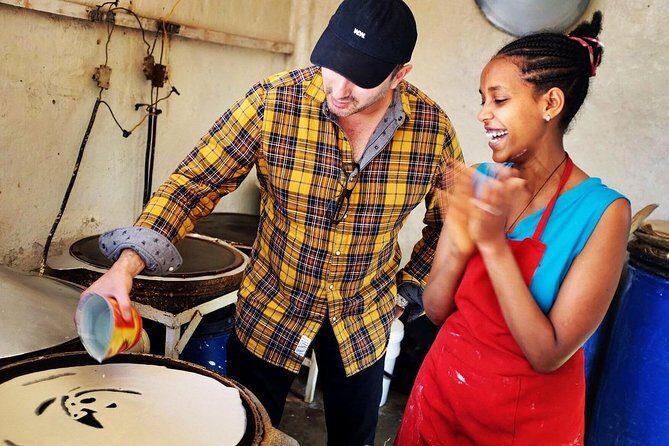
- Hands-on injera guided by women who run the process, not a lecture.
- Lunch at Taitu Hotel gives you a taste of Ethiopia in the country’s oldest hotel setting.
- Full coffee ceremony in Sululta includes washing, live roasting, and drinking the coffee you watched being made.
- Honey wine tasting is included, and it’s one of the few alcoholic drinks covered in the price.
- English-speaking guide and pickup/drop-off make the chaotic parts of Addis Ababa easier to handle.
Markets First: How the Day Sets You Up for Real Ethiopian Food
This tour is built like a good meal. You start with ingredients, you learn the staple bread, you eat, then you end with coffee and honey wine. It’s smart because Ethiopian cuisine doesn’t start at the plate; it starts with spices, grains, and the routines around making food.
The day runs about 5 to 6 hours, with you picked up first thing in the morning. That timing matters in Addis Ababa. Markets are busiest earlier, and you’ll want your energy before the crowd and sun do their thing.
Also, you’re not just getting “food stops.” You’re getting context for why people eat the way they do. Walking through the big open-air markets helps you understand what shows up on Ethiopian tables all week long, not only what ends up in restaurants.
You can also read our reviews of more food & drink experiences in Addis Ababa
Getting Picked Up and Staying Sane in 30 Travelers or Less
You’ll meet at Edna Mall (Cameroon St area). Even if you’re not starting there physically, the tour includes pickup and drop-off at locations in Addis Ababa, so the operator is aiming for true convenience.
The group limit is 30 travelers, which is large enough to feel social, but small enough that you’re not stuck behind a parade of people every time the guide needs to regroup the group. In past experiences with guides like Zerefa, Samuel, or Seya, the common thread has been good English and clear pacing, plus flexibility if you’ve already done one of the stops before.
One practical thought: this is a morning-to-early-afternoon style outing. If you’re the type who needs museum-level time to “slow down,” you might find the pace intense. If you like fast, real-life food culture, you’ll probably love it.
Merkato and Atkilt Tera: Spices, Produce, and the Smell Test
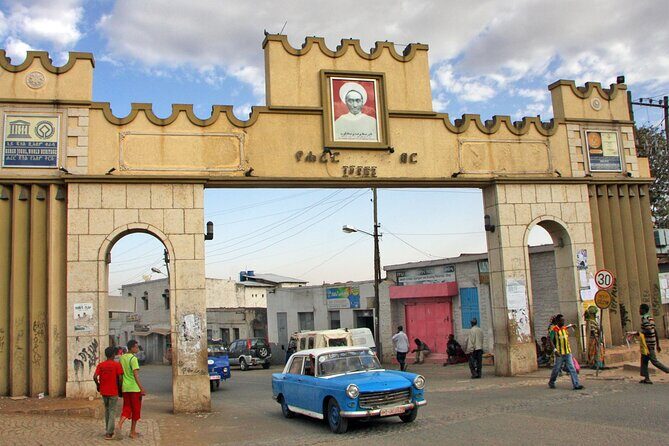
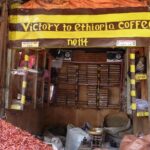
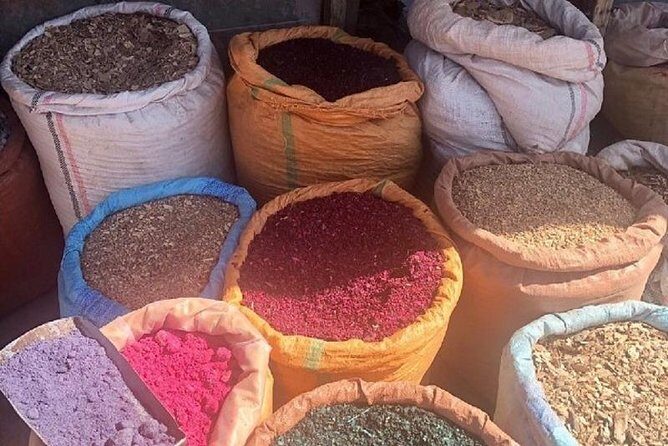
Your market day is centered on Addis Ababa’s major open-air hubs. You’ll visit Mercato (Merkato) and the surrounding market area, including the spice market inside Mercato. The tour also frames the route as passing between Piassa and Merkato, with time to see both produce and spices.
Here’s what I found most useful about this part: the market is where Ethiopian cooking becomes concrete. Spices aren’t abstract. They’re right there—color, scent, and variety on display. This is the moment that helps injera and stews make sense later at lunch and in the coffee ceremony story.
What to expect at Mercato
- You’ll spend about 1 hour at Mercato, including the spice-focused portion of the market.
- Admission is listed as free for the market segment.
- The guide will help you navigate a place that’s naturally crowded and loud.
A drawback to keep in mind
Open-air markets are messy in the best way, but that also means lots of walking and close quarters. If you get uncomfortable with crowds, you may want to mentally switch into tolerant mode. Also, keep your phone secure; market energy can be chaotic.
A few more Addis Ababa tours and experiences worth a look
Tomoca Coffee Stop: A Brew Break With Buying Power
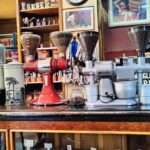
Between markets and the day’s hands-on food work, you’ll stop at Tomoca Coffee. The tour places this stop at the oldest Tomoca cafe and frames it as a stop where you can have a coffee (or a macchiato) and also buy roasted and/or ground coffee as souvenirs.
The time here is about 30 minutes, and coffee admission is listed as included. This stop is basically a reset button. You get caffeine and a small moment to sit while the day shifts gears.
One practical tip: if you’re sensitive to strong coffee, take your drink slower than you think you need. Ethiopian coffee can hit fast, and you still have markets and cooking ahead.
If you want a souvenir, you’ll likely be able to purchase coffee for yourself or gifts. That’s part of the value: the tour doesn’t end with tasting; it gives you a way to bring Addis Ababa home.
Making Injera: The Hands-On Part That Actually Sticks
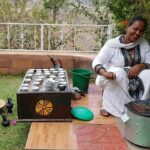
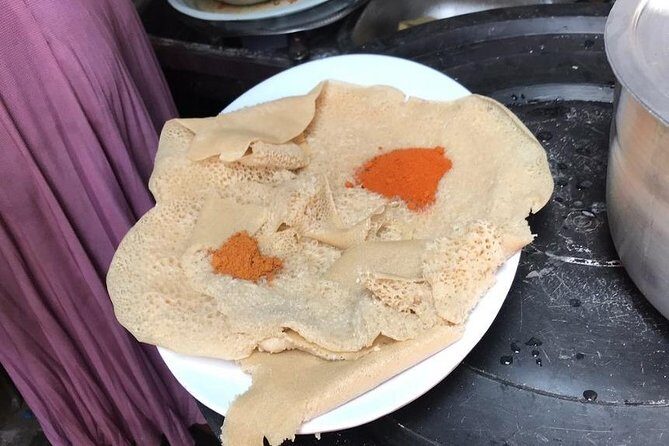
Then comes the moment most people book this tour for: injera. Your bread-making experience is led by a group of women who walk you through the process. You’ll be part of the steps, not just watching from the corner.
Why this matters: injera isn’t bread in the way most Western travelers think of bread. It’s a fermented staple that’s used as both plate and bread. Seeing and participating helps you understand why it’s at the center of so many Ethiopian meals.
What you should expect
- Your injera session follows the market exploration.
- The tour describes meeting the women who guide the bread process.
- You’ll then be able to eat lunch afterward.
The one consideration
If you’re expecting a perfect “show me how professionals do it” outcome, accept that your first attempt may be… how do I put it—enthusiastic. In real-world bread sessions, even careful people can make lopsided or uneven injera. The value here is the learning and the shared experience, not turning out a bakery-grade round.
In past tours with guides praised by name (including Abiy and Desale), the common praise has been that the day feels organized around the cooking, and the bread session becomes a highlight rather than a time filler.
Lunch at Taitu Hotel: Eat Ethiopian Classics in a Historic Setting

After bread-making, you’ll head to lunch at Taitu Hotel, described as Ethiopia’s oldest hotel. This is one of the best practical choices in the whole schedule.
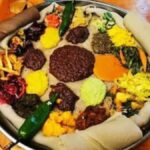
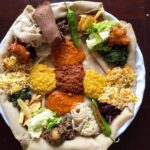
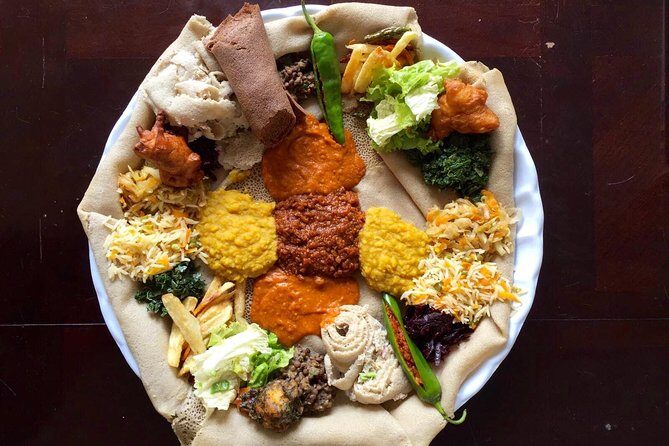
Why? You’re getting a proper sit-down meal after markets and kitchen work, in a place that’s built for hosting rather than scrambling. You also get a buffet style tasting—different Ethiopian dishes arranged for you to sample.
Lunch includes a bottle of water and hot drinks. That detail matters in Addis Ababa. After spice air, roasting smells, and movement, water and something warm help you reset.
Timing
This lunch stop is about 1 hour, with admission included.
A small drawback
Buffets can vary in how much you’ll love every dish. If you’re picky, go slow and ask the guide what’s best for first-timers. Since the tour is about culinary foundations, you’ll likely find at least a couple dishes you’ll want to remember long after the coffee ceremony.
Piassa Sightseeing: A Short City Add-On Before the Mountain Stop
Following lunch, you’ll get some sightseeing in Piassa. The tour keeps this as a lighter city segment compared with the market blocks and the Sululta coffee ceremony.
This is a good “between meals” component. You’ll already have sensory overload from the markets, and then you’ll be heading out of town. A bit of city time helps you connect food culture to everyday life in Addis Ababa.
Keep your camera handy, but don’t forget your body. This is a day where you can collect photos without turning it into a full-time photoshoot.
Sululta Coffee Ceremony and Honey Wine: Where the Steps Teach You
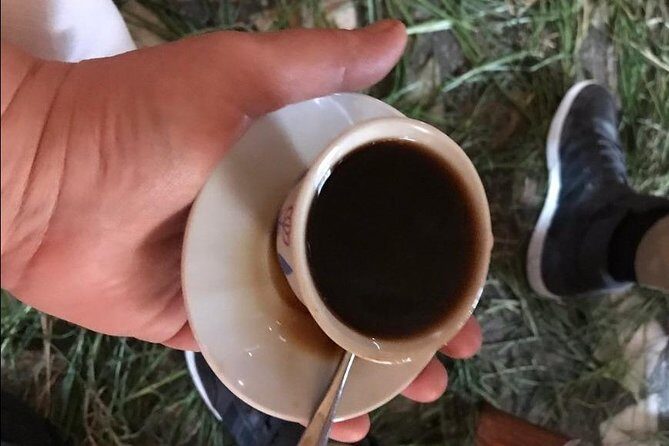
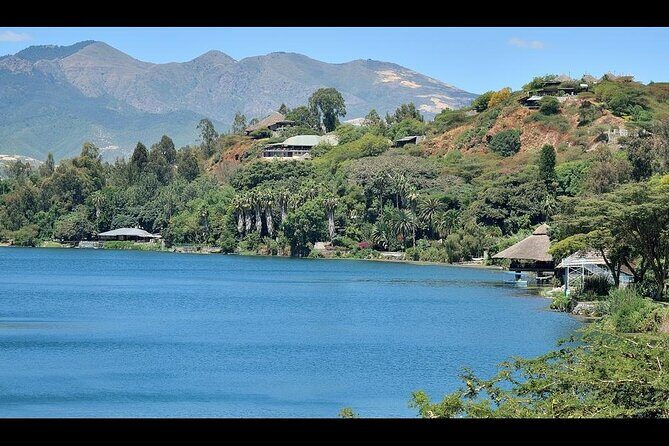
Next, you head out of town to Sululta, described as a mountain city. This is where you slow down—just a bit—and you learn coffee the way Ethiopians traditionally do it.
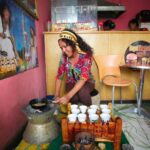
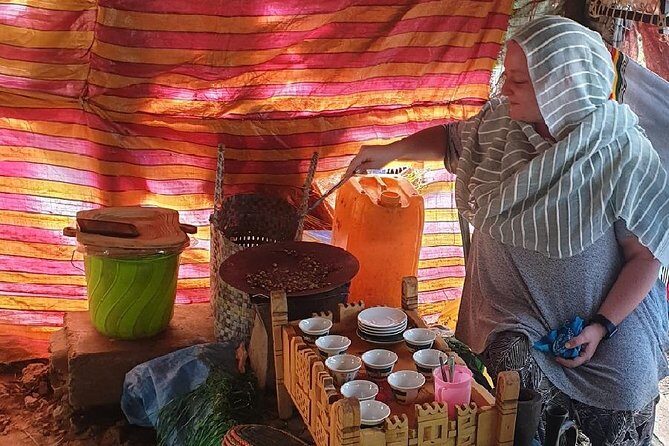
The tour’s Sululta segment includes a full demonstration of a coffee ceremony:
- washing the beans
- live roasting
- enjoying the coffee afterward
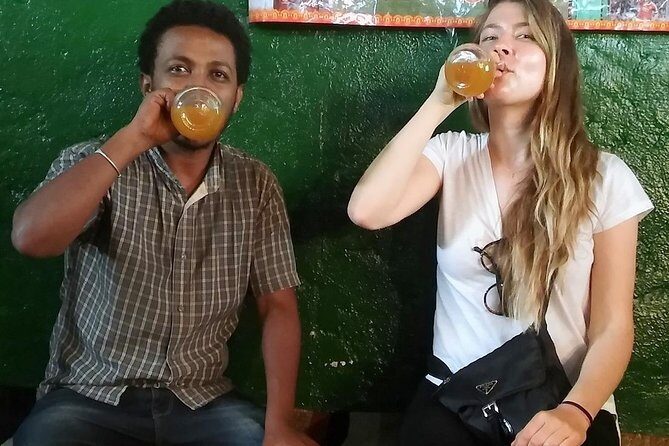
You’ll also learn about honey wine (teflavoring the day’s drink story beyond coffee) and taste a glass.
What to expect in the coffee ceremony
This stop is about 2 hours, with admission listed as free. Since the ceremony includes roasting and you then drink what you watched made, you’re not just tasting—you’re watching the process that changes the flavor.
Alcohol note you should care about
Honey wine is included as the tasting drink. The tour data also states that alcoholic beverages other than honey-wine aren’t included. So if you’re hoping for a full bar experience, this isn’t that.
Transportation, Pacing, and What the Group Schedule Feels Like
The day includes ground transportation with a car, driver, and fuel. Pickup and drop-off are part of the included package, and the tour also lists a mobile ticket and near public transportation meeting point.
The pacing is the main thing to understand before you book. You’re doing:
- markets (including spices)
- injera cooking
- lunch at Taitu Hotel
- a short Piassa sightseeing segment
- the longer Sululta coffee ceremony and honey wine tasting
That adds up to a lot of “life in one day.” If you want a relaxed Addis afternoon, you might find it too tight. If you want a fast crash course in Ethiopian food culture with real set pieces, this format is exactly what you’re looking for.
Price and Value: Why $85 Can Make Sense Here
$85 per person for a 5–6 hour tour in Addis Ababa is reasonable when you look at what’s covered:
- pickup and drop-off
- English-speaking guide and local guides
- lunch with water and hot drinks
- coffee stop (listed admission included)
- injera making experience
- coffee ceremony in Sululta (and honey wine tasting)
- transportation and fuel
In other words, you’re paying for someone to organize the whole chain. Markets like Mercato are hard to do alone without wasting time and energy. And coffee ceremonies are often more than just ordering a cup; this tour keeps the steps in the schedule so you actually experience the process.
If you’re traveling solo, the group component can also reduce stress. You’ll still have your own space, but you won’t have to plan every connection in a city where logistics can eat up half your day.
Who This Tour Fits Best (and Who Might Want to Skip)
This tour is a great match if you want food culture with hands-on learning. You’ll enjoy it most if you’re curious about:
- injera beyond just eating it
- spices and why they matter
- coffee made in front of you
- honey wine as part of Ethiopian drinking culture
It’s also well-suited if you like city street life rather than only churches and museums. One thing you should accept: this day is social and active, with open-air stops.
If you have limited mobility or strong sensitivity to crowds and noise, you might struggle with the market portions. The tour is marked as “most travelers can participate,” and the minimum age is 8 years, but participation comfort is still personal.
Should You Book This Ethiopian Culinary Tour in Addis Ababa?
Book it if you want a compact, high-impact day that teaches you how Ethiopian food is built—spices first, injera hands-on, then lunch, then coffee made the long way. I especially like the combination of market exploration and the ceremony segment, because both are structured around process, not just product.
Skip it if you prefer a slower itinerary, or if you’re easily overwhelmed by crowds and open-air conditions. Also skip if you’re mainly hunting for long museum-style pacing rather than living daily food culture.
If you do book, a good move is to tell your guide what you’ve already seen and what you care about most. Some guides are known for adapting the day when you’ve already covered a stop, so letting them know early can help you get a smoother route through Addis.
FAQ
How long is the Ethiopian Culinary Tour in Addis Ababa?
It runs about 5 to 6 hours.
How much does the tour cost?
The price is $85.00 per person.
Where does the tour start and end?
The meeting point is listed near Edna Mall on Cameroon St in Addis Ababa, and the activity ends back at the meeting point. The tour also includes pickup and drop-off at locations in Addis Ababa.
What’s included in lunch?
Lunch at Taitu Hotel includes a bottle of water and hot drinks, and you’ll sample dishes in buffet style.
What market stops are included?
You’ll visit Mercato Market (including the spices market within Mercato) and explore market areas tied to Atkilt Tera and the Piassa-Merkato route.
Do I learn to make injera?
Yes. You’ll meet women who guide you through the process of making injera.
Is the coffee ceremony included?
Yes. In Sululta, you get a full coffee ceremony demonstration, including washing and live roasting, followed by drinking the coffee.
Is honey wine included?
Yes. You’ll learn about honey wine and taste a glass during the Sululta stop.
Are any alcoholic drinks included besides honey wine?
No. The tour data says alcoholic beverages other than honey-wine are not included.
What’s the minimum age and group size?
The minimum age is 8 years, and the tour has a maximum of 30 travelers.