REVIEW · ADDIS ABABA
Ethiopia coffee cupping class/Ethiopian food injera making
Book on GetYourGuide →Operated by habeshawonder · Bookable on GetYourGuide
Ethiopia teaches food like a living skill. This 4-hour experience pairs a coffee cupping session with a hands-on injera-making workshop, so you don’t just watch—you taste and cook. I like that the day is guided by an English-speaking local host, with traditional tools like the mitad and a clay coffee pot, not a classroom setup. One watch-out: this isn’t for kids under 15, and it also isn’t suitable for people with altitude sickness.
You’ll start in Addis Ababa with a guided coffee tasting, then move into the cooking part in a cozy indoor/outdoor kitchen setting. After you’ve made your enjera, you’ll eat it with classic Ethiopian dishes like shiro and misir wot, plus a proper Ethiopian coffee ceremony to close out the experience.
In This Review
- What you’ll love, and what to consider
- Key highlights worth circling on your Addis calendar
- Ethiopian coffee cupping in Addis: why it feels different
- Cupping like a local: what you actually learn with each sniff
- Injera making on the mitad: the part where you roll up your sleeves
- Your injera meal: shiro, misir wot, and eating Ethiopian style
- The Ethiopian coffee ceremony: tasting again, slower
- How the 4 hours in Addis really flows (and what to watch)
- Price and value: is $94 fair for coffee, lunch, and a workshop?
- Who should book, and who should skip
- Tips to make the most of your day
- Should you book the Ethiopian coffee cupping and injera class?
- FAQ
- How long is the Ethiopian coffee cupping and injera-making experience?
- Where does pickup happen?
- Is the guide available in English?
- What’s included besides the cooking class?
- Is this class private or shared?
- Is it suitable for children?
- Can people with altitude sickness join?
- Is there free cancellation?
What you’ll love, and what to consider
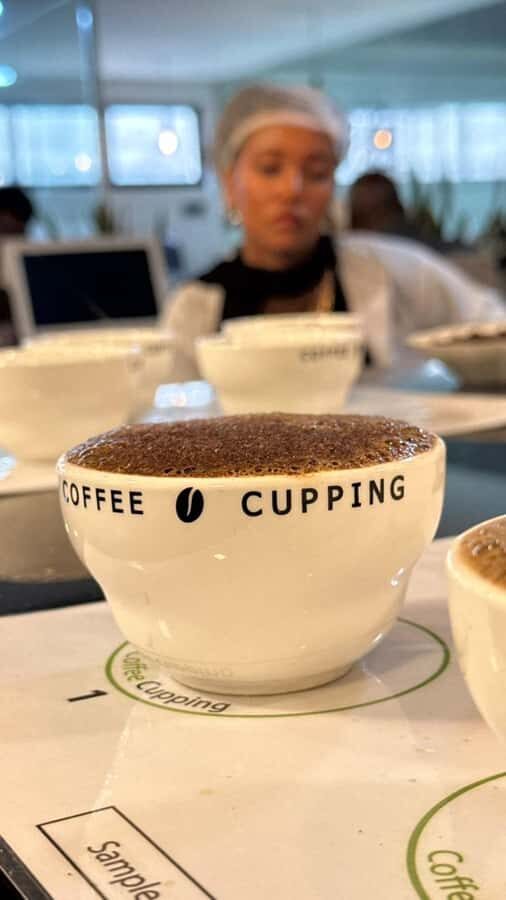
Two parts earn extra praise: the tasting-focused coffee cupping, and the injera practice on real equipment. Guides such as Jonas, Joe, Aelaf (Ale), and Mike have been described as punctual, warm, and clear—so even if you’ve never cupped coffee before, you can follow along.
If you’re the kind of person who hates getting hands-on with food, the injera part might feel a little messy. And since the class includes fermentation and flipping on a mitad, plan for a learning curve and don’t expect perfection on your first attempt.
Key highlights worth circling on your Addis calendar
- Coffee cupping with aroma and flavor training: You’ll practice identifying tasting notes like a pro, not just drink coffee.
- Traditional injera on a mitad: You’ll mix, ferment, bake, and flip Ethiopian flatbread with proper tools.
- Shiro and misir wot with your own bread: The meal ties the cooking and coffee lessons together.
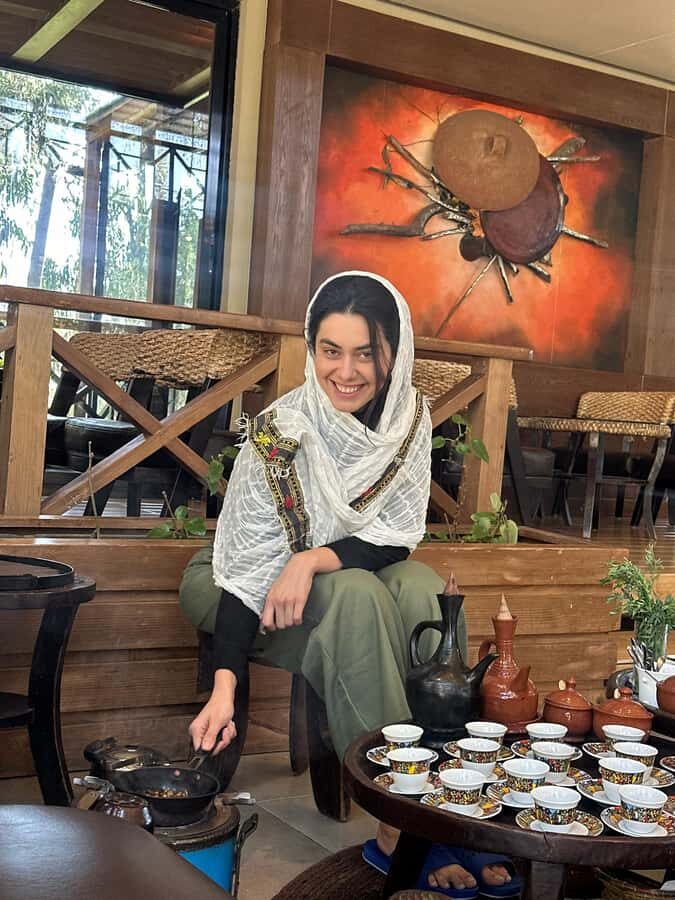
- A real Ethiopian coffee ceremony: It’s not filler; it’s part of how locals slow down and socialize.
- English-speaking local cultural host: Clear explanations matter when you’re learning two food traditions at once.
- Pickup from Addis Ababa in a private group: Easier logistics, especially if you want a focused day.
You can also read our reviews of more food & drink experiences in Addis Ababa
Ethiopian coffee cupping in Addis: why it feels different
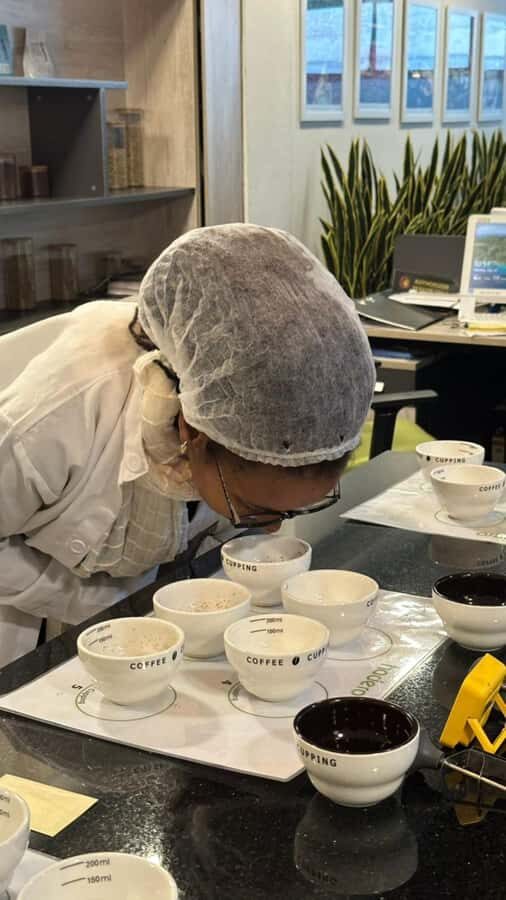
Ethiopia isn’t just a coffee origin story. It’s where coffee sits in daily life—at home, in conversation, and as a kind of comfort ritual. That’s why this experience starts with cupping instead of rushing straight to drinking.
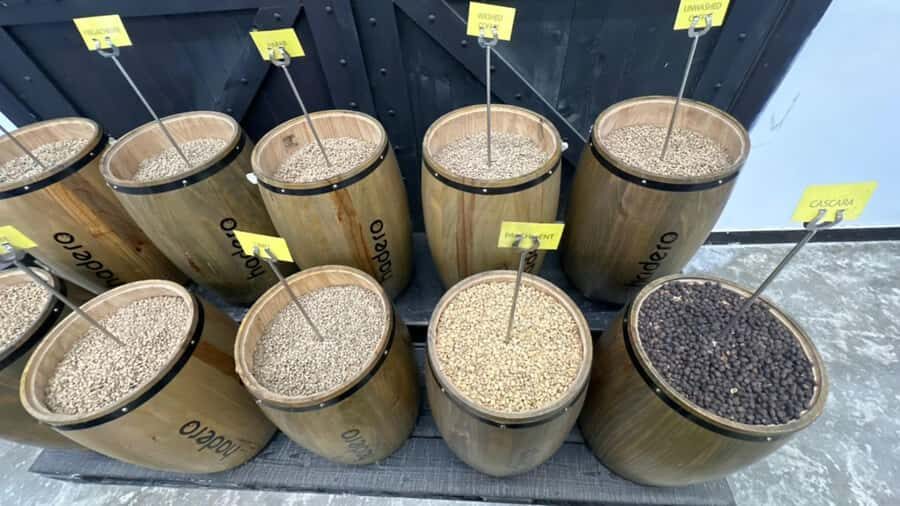
In a typical coffee class, you might learn basics and then taste a couple cups. Here, the cupping session is led by a local coffee expert, and the emphasis is on what you’re smelling and tasting. That matters, because Ethiopian coffee can taste like many things: fruit-like brightness, chocolatey depth, floral notes, or a sharper, tea-like profile. When you learn how to recognize those differences, the coffee ceremony later doesn’t feel like a performance—it feels like you’re participating.
You also get context: the session includes different coffee growing regions and roast levels, so you can connect flavor to what happened before the cup. If you’ve ever wondered why one Ethiopian coffee tastes softer and another tastes brighter, this is the kind of structure that makes the answer click.
Cupping like a local: what you actually learn with each sniff
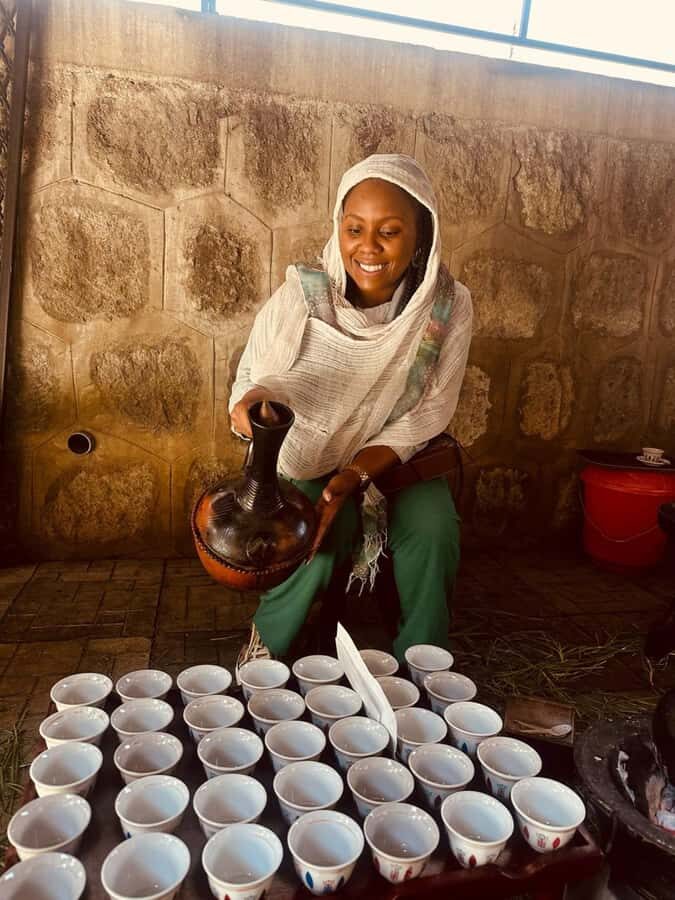
Cupping is basically sensory training. You observe aroma first, then move to flavor and aftertaste. In this class, you’ll practice exploring the aromas, flavors, and brewing methods that make Ethiopian coffee world known.
Here’s the practical part: you learn how to spot tasting notes, including how to talk about what you notice. That’s a skill, not trivia. Once you can describe a cup in your own words—more acidic vs. more mellow, more floral vs. more roasted—you’ll taste coffee differently for the rest of your trip.
You’ll also hear how Ethiopian coffee quality is connected to process and handling. The class format is built around a guided tasting with multiple varieties, which keeps it from feeling like one long lecture. And because it’s a local expert leading the session, you’re not just hearing general coffee theory—you’re getting explanations grounded in Ethiopian coffee culture.
A bonus from past participants: guides like Jonas and Aelaf (Ale) have been praised for making communication easy and relaxed, so you don’t feel lost when you’re trying to learn new tasting language. Joe has also been noted for translating through the injera steps, which can help if you’re trying to connect smell and taste from one part of the day to the next.
Injera making on the mitad: the part where you roll up your sleeves
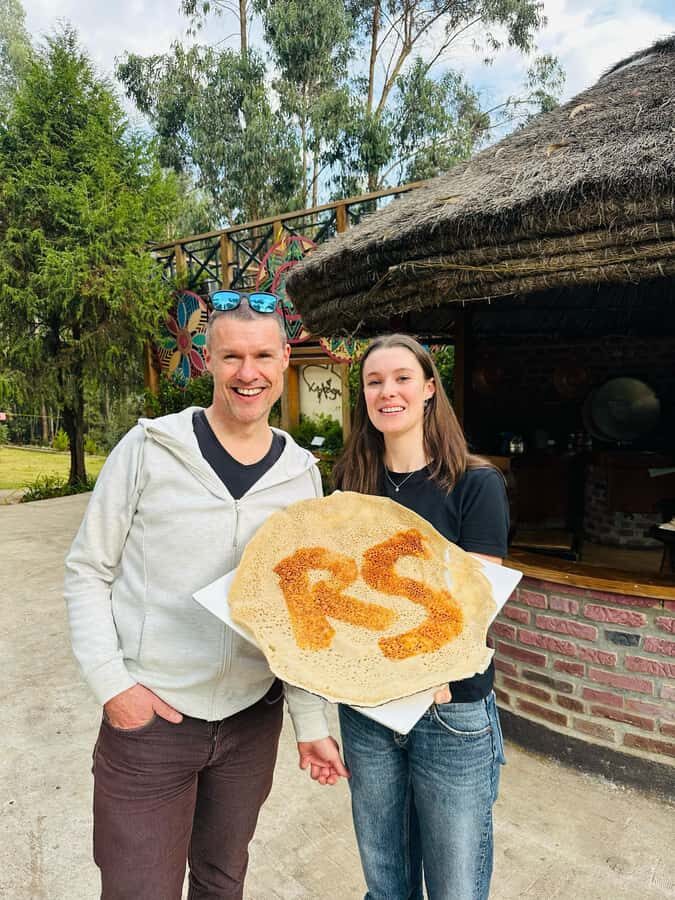
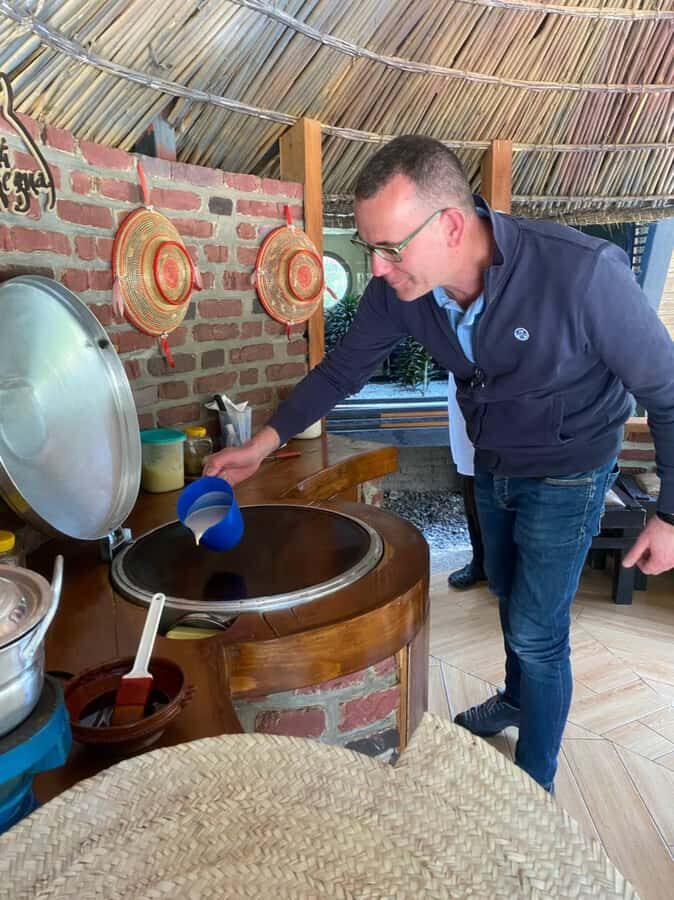
If coffee is about scent and taste, injera is about process. Ethiopian injera is a national staple, a flatbread made through fermentation and cooked on a traditional mitad (a large cooking surface). In this workshop, you’ll get hands-on instruction—not just a quick demo.
You should expect a clear sequence:
- You’ll mix and work the batter.
- You’ll deal with fermentation steps that give injera its signature flavor and texture.
- You’ll bake it on the mitad.
- Then comes the part people remember: flipping it cleanly and evenly.
Why the mitad matters: it’s not the same as a pan you’d use at home. The heat distribution, the cooking surface, and the timing all affect your final bread. Learning on the actual tool gives you a better feel for why injera cooks the way it does.
The flipping step also teaches patience. Injera isn’t hard in a “impossible” way, but it does require attention. If you go in expecting a perfectly round, restaurant-style result, you’ll probably get frustrated. A better mindset is: use your first attempt as training, then enjoy the moment you see how the batter turns into something real you can eat with your hands.
The kitchen environment is described as clean and comfortable, with both indoor and outdoor space. That’s helpful in Addis, where temperatures can vary and kitchen conditions can be more unpredictable than you’d expect. Here, you’re set up with the equipment and ingredients needed, so you’re not improvising.
Your injera meal: shiro, misir wot, and eating Ethiopian style
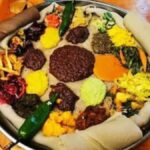
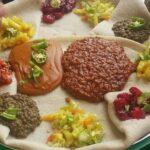
Once you make injera, the next step is the payoff. You’ll eat a traditional Ethiopian lunch with the enjera you created, plus a variety of local dishes to accompany it.
The dishes listed include shiro and misir wot. That’s a smart pairing. Shiro tends to be comforting and savory, with a thick, comforting texture that clings to injera. Misir wot brings warmth and spice—usually a lentil-based dish with that unmistakable Ethiopian depth. Together, they show you how injera works as both bread and utensil.
And because injera is fermented, it has a tang that balances hearty stews. That balance is hard to appreciate until you’re actually using your own bread to scoop and tear.
The meal is also meant to be communal, not stiff. The experience ends with time to savor what you made and to engage with locals in the Ethiopian style of taking time together. If you’ve only experienced Ethiopian food as a restaurant meal, you’ll notice the difference: here, food feels like conversation, not just calories.
A few more Addis Ababa tours and experiences worth a look
The Ethiopian coffee ceremony: tasting again, slower
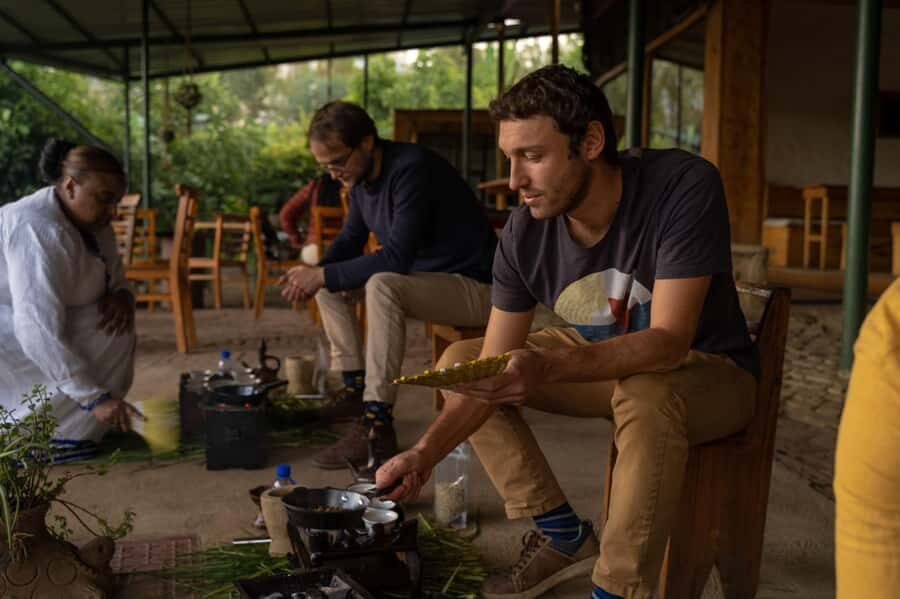
The coffee ceremony is more than coffee. It’s pace and ritual. In this experience, it happens after your injera meal, so your taste buds are already warmed up by the flavors you just ate.
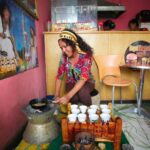
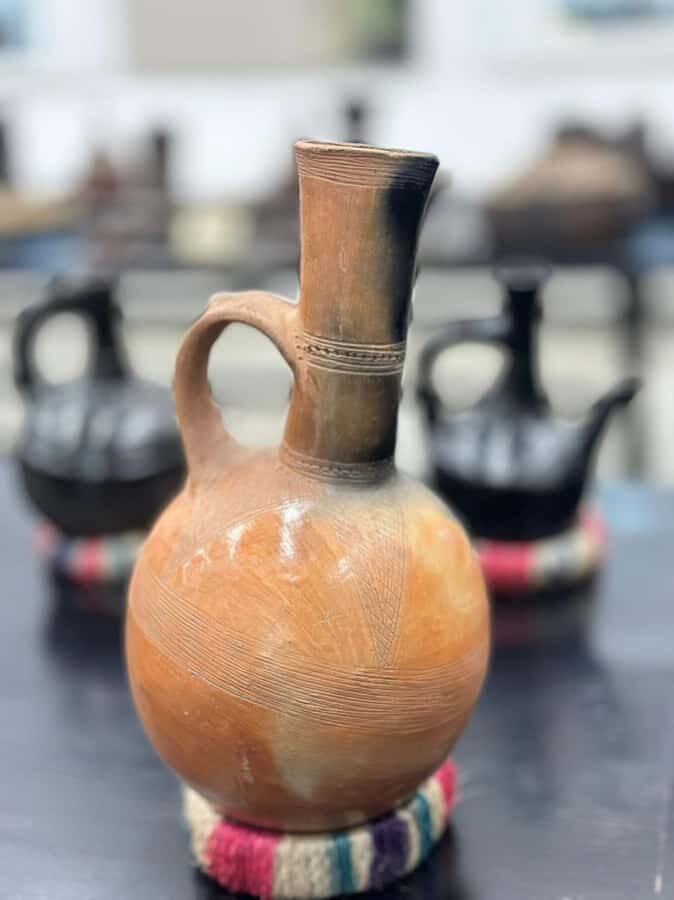
You’ll use traditional tools, including a clay coffee pot, which is part of what makes this feel grounded in local practice. The ceremony is also described as something you’ll enjoy in a relaxed way—so it doesn’t turn into a rush-through event where you can’t really notice the differences.
If you take the cupping seriously at the start, you can bring that awareness into the ceremony. You might notice how the aroma hits first, how roast level affects bitterness, or how the cup feels in your mouth compared to what you tasted earlier. Even if your tasting notes aren’t perfect, learning the process helps you pay attention.
This is also where the guide becomes especially valuable. Guides like Mike and Joe have been praised for passion and caring, which matters during a ceremony because you want answers to your questions as you watch each step.
How the 4 hours in Addis really flows (and what to watch)
The day is built around two main teaching blocks:
- Coffee cupping (about 45 minutes)
- Injera cooking class (about 30 minutes)
Then you’ll have time for pickup, transition, and meals, with the Ethiopian coffee ceremony as the closing moment. The full duration is listed as 4 hours, and in a private group format, that timing usually feels manageable.
Pickup is included from Addis Ababa, and the provider says they’ll reach out the day prior to organize it. That helps you avoid the common travel pain point of guessing where to meet.
One more practical point: this is a private group, so it can suit couples or friends who want a slower, more personal pace. You can ask questions in real time, and you’re less likely to get “lost” in a big crowd.
The only timing-related downside is energy. You’ll taste coffee, then cook and eat a lunch. If you’re sensitive to caffeine or you have a strong preference for very light food, you might want to plan accordingly. Also, since the experience isn’t suitable for people with altitude sickness, it’s best to confirm your comfort level before booking.
Price and value: is $94 fair for coffee, lunch, and a workshop?
At $94 per person for 4 hours, you’re paying for three things at once: guided coffee cupping, hands-on injera making, and a full lunch plus a coffee ceremony.
Let’s break down where the value comes from:
- Coffee cupping includes guided tasting with multiple varieties and expert explanations.
- Injera isn’t just a snack; it’s a workshop with instructions, traditional cooking tools (like the mitad), and all ingredients and spices.
- Lunch includes a range of Ethiopian dishes, and you also get bottled water.
- You’re not coordinating equipment or cleanup—everything is provided, including tasting and cooking supplies.
Compared to paying separately for a coffee tasting and then finding another activity to fill your day, this is a bundled experience with cultural continuity. The strongest value is that it teaches two iconic Ethiopian traditions in one sitting, then feeds you what you made.
If you love food and you want more than a quick tasting, the price starts to make sense fast. If you’re only interested in coffee and could care less about cooking, then you might feel the workshop takes more time than you’d like. But if you’re even mildly curious about Ethiopian daily life, it’s a very direct way to spend half a day.
Who should book, and who should skip
This experience is a great fit for:
- Coffee lovers who want more than drinking and want to learn tasting structure.
- Foodies who enjoy hands-on cooking, not just eating.
- Culture seekers who like learning how people actually live—through coffee rituals and staple foods.
It’s not suitable for:
- Children under 15.
- People with altitude sickness.
Also, alcohol and drugs are not allowed, so keep your day clean and focused. That may sound like an odd note, but it signals the vibe: this is about learning and eating together, not partying.
Tips to make the most of your day
A few small choices can make a big difference:
- Wear comfortable clothes you don’t mind getting flour or batter on. Injera making can be tactile and a little messy.
- Go in hungry. You’ll taste coffee first, but the real satisfaction comes after you cook and eat.
- If you’re nervous about the tasting language, don’t stress. The goal is participation and learning, not scoring perfect notes.
- Bring curiosity, especially for the coffee ceremony part. If you ask questions, the ritual becomes more meaningful, not just symbolic.
Guides like Jonas and Aelaf (Ale) have been praised for being genuine and easy to talk to, and that’s exactly what you want in a day that has both cooking and tasting.
Should you book the Ethiopian coffee cupping and injera class?
If you want a half-day plan that teaches you two of Ethiopia’s most iconic traditions, this is a strong choice. The workshop format is practical, not just observational. You get coffee training, you make injera with the proper tools, and you sit down for lunch and a coffee ceremony—so the experience ends with what you learned, not after it.
Skip it only if you know you won’t enjoy hands-on cooking, or if altitude sensitivity makes Addis difficult for you. Otherwise, for a first-time Addis visitor who wants real cultural food moments, this is the kind of booking that pays off long after you’re back on the next flight.
FAQ
How long is the Ethiopian coffee cupping and injera-making experience?
The experience lasts 4 hours.
Where does pickup happen?
Pickup is included from Addis Ababa.
Is the guide available in English?
Yes. The live tour guide speaks English.
What’s included besides the cooking class?
You get a guided coffee cupping session, professional coffee tasting, enjera making workshop with hands-on instruction, Ethiopian lunch with your handmade enjera, a variety of local dishes, an authentic Ethiopian coffee ceremony, bottled water, and all cooking and tasting equipment and ingredients/spices used.
Is this class private or shared?
It’s a private group experience.
Is it suitable for children?
No. It is not suitable for children under 15.
Can people with altitude sickness join?
No. It’s not suitable for people with altitude sickness.
Is there free cancellation?
Yes. You can cancel up to 24 hours in advance for a full refund.