REVIEW · ADDIS ABABA
Day Trip From Addis Ababa To Debre Libanos and Portuguese Bridge
Book on Viator →Operated by Danakil Depression Tours · Bookable on Viator
Gorges and monasteries in one long day. This trip north of Addis Ababa strings together dramatic viewpoints of the Blue Nile Gorge area and a real sense of place at Debre Libanos, where churches sit on a terrace between cliff and river. I especially like the gorge-and-bridge scenery and the way the operator keeps things organized with guides like Mickey, Ashu, and Delarosa. The only drawback is the pace: you’ve got a short hike that can run 1.5 to 2 hours, and the day runs about 9 hours 45 minutes starting at 7:30 am.
You’ll ride in an air-conditioned vehicle with coffee or tea and a brunch, then visit Debre Libanos and the Portuguese Bridge. It’s private, so it’s only your group, and you get a mobile ticket. Plan on comfortable walking shoes and an early morning mindset.
In This Review
- Key highlights you’ll feel on the day
- A highland morning from Addis Ababa to Debre Libanos
- Debre Libanos: gorge views, an old bridge hike, and cave scenery
- The monastery setting: terrace churches, Tekle Haymanot, and river context
- Debre Azbo sanctuary and the 1937 disruption
- Portuguese Bridge near Debre Libanos: the stone-arch photo stop that isn’t just a legend
- Price and value: $100 that includes more than a ride
- Logistics that actually matter on a 9-hour day
- Who should book this Debre Libanos and Portuguese Bridge tour
- Should you book it?
- FAQ
- What time does the tour start?
- Where does the tour meet in Addis Ababa?
- How long is the day trip?
- Is pickup included, and is it private?
- What’s included in the $100 price?
- Are entrance fees covered?
- What are the main stops on the itinerary?
- Do I need a printed ticket?
- What’s the cancellation policy?
Key highlights you’ll feel on the day
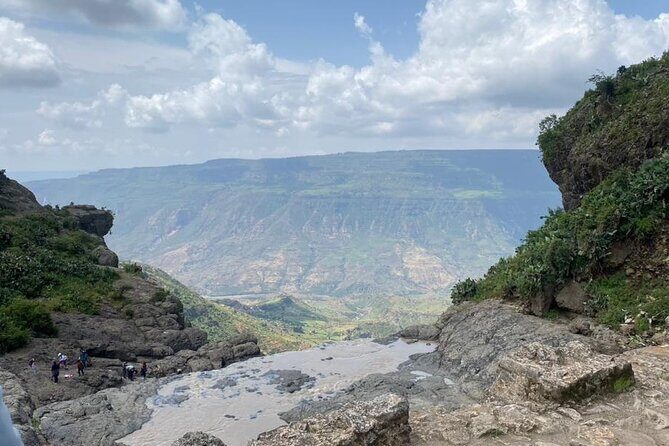
- A 1,000 m deep gorge drop at Debre Libanos with birdwatching from the top
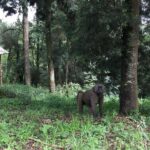
- A short hike to an old commercial bridge, then onward to terraced waterfall and caves with monkeys
- A monastery complex tied to Tekle Haymanot, including a church ordered by Haile Selassie in 1961
- Portuguese Bridge history with a twist: Portuguese-style, but built by Ethiopians around the turn of the 19th century
- Better rainy-season payoff when the cascade below Portuguese Bridge is running strong
- Good “all-in” value: vehicle, guide, entrance fee, coffee/tea, brunch, and taxes
A highland morning from Addis Ababa to Debre Libanos
Most day trips start with good intentions and end with late chaos. This one is designed to avoid that. You start at 7:30 am, and the pickup point is Edna Mall (Cameroon St) in Addis Ababa. Your tour ends back at that same meeting point, which is handy when you’re trying to keep your evening plans realistic.
The ride is in an air-conditioned vehicle, which matters when you’re doing this as a full-day loop. You also get coffee and/or tea during the morning portion, plus brunch included. It’s not the kind of tour that snacks lightly and calls it a day. The food and comfort make it easier to focus on the scenery instead of budgeting time for stops.
This is also a private tour. That typically means less waiting around for other groups and more control over timing if your guide adjusts on the fly. If you’re traveling as a family or a small group, that structure can make the long day feel calmer.
A few more Addis Ababa tours and experiences worth a look

Debre Libanos: gorge views, an old bridge hike, and cave scenery
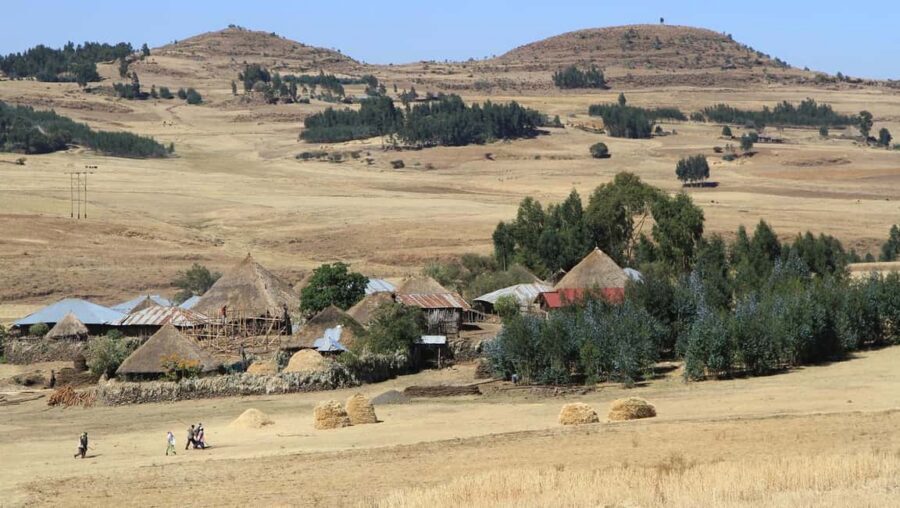
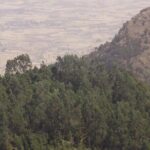
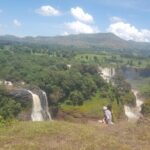
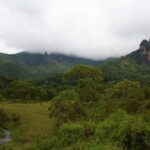
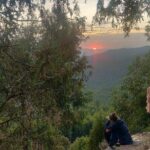
Debre Libanos starts with the drive through Ethiopia’s northern highlands north of Addis Ababa. You’ll see village landscapes first, then the road drops you into a dramatic setting: a gorge around 1,000 m deep. At the top, you get a short rest with bird species to watch. Even without fancy binoculars, this is the moment when the landscape stops being “scenery” and turns into “wow, that’s steep.”
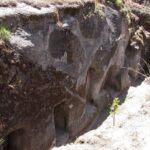
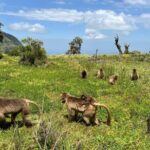
Then comes the hike segment. It’s short by day-trip standards, but not zero-effort: about 1.5 to 2 hours. You cross an older bridge that was built for commercial purposes, and the goal is to get you to the terraced waterfall and caves where monkeys live. This is one of the practical reasons the tour works so well. You’re not just sightseeing from a viewpoint. You’re getting a physical connection to the terrain.
What to consider: caves and waterfalls can mean slick spots, and the caves are part of the monkey area. That’s exactly why a walking pace you can handle matters. If you’re sensitive to heights or uneven ground, take it slow on the descent and don’t let the group pace rush you.
The monastery setting: terrace churches, Tekle Haymanot, and river context
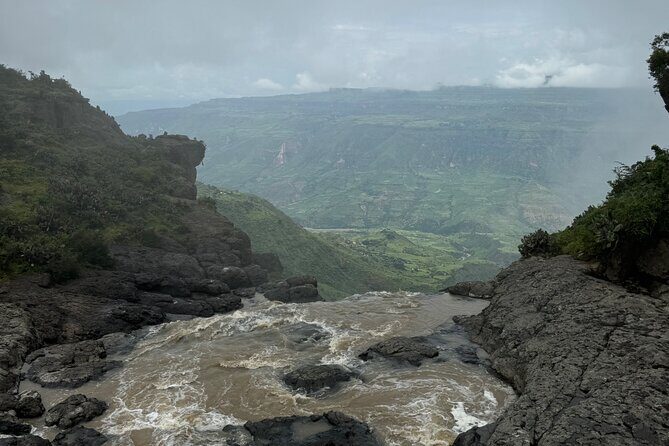
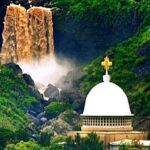
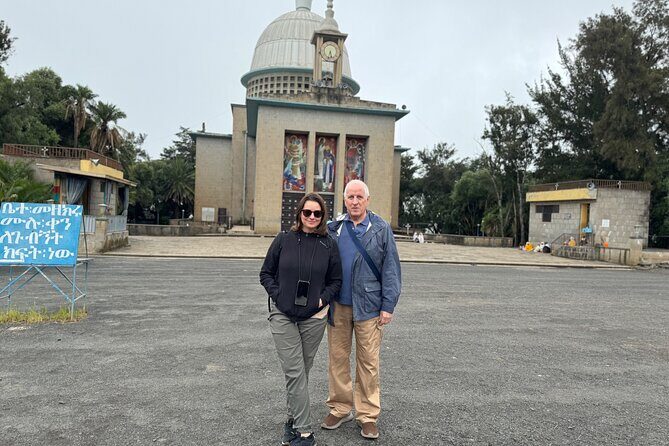
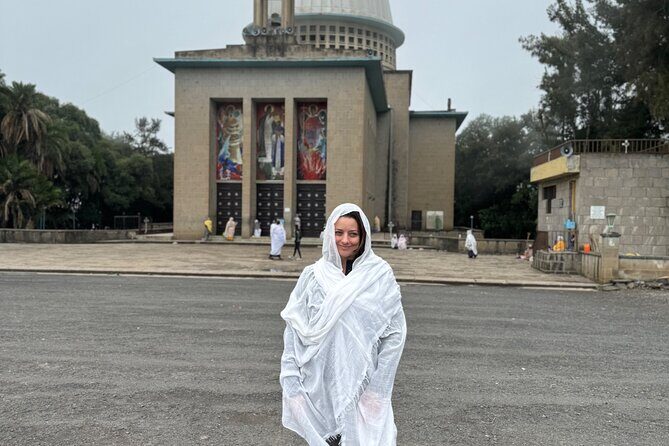
Debre Libanos isn’t just one building. It’s a monastery complex sitting on a terrace between the cliff edge and the gorge of a tributary of the Large Abbay River. That terrace location explains a lot of what you’ll see. The monastery buildings feel visually “anchored” by the cliff, while the river gorge gives you depth and scale.
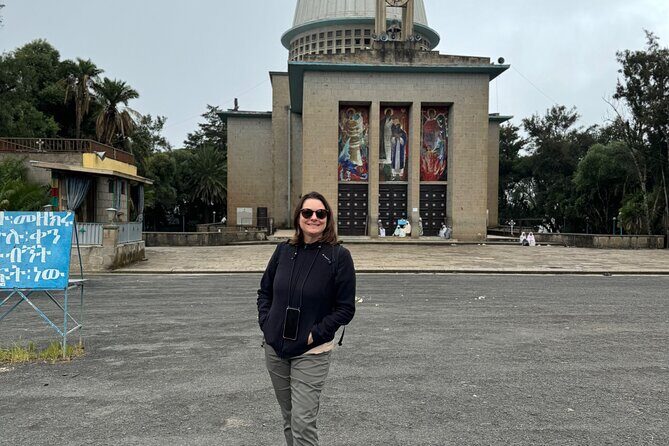
A standout detail is the church over Tekle Haymanot’s tomb. Emperor Haile Selassie ordered its construction in 1961. That’s the kind of specific date that helps you understand the site as living history, not only an ancient ruin.
You’ll also encounter other elements within the complex, including the Jemma River and additional attractions tied to the monastery grounds. Even if you don’t catch every name in a moment, the site still “reads” clearly: stone buildings, cliff-side placement, and a sense that the monastery has always been shaped by where the water and rock force themselves into the landscape.
Debre Azbo sanctuary and the 1937 disruption
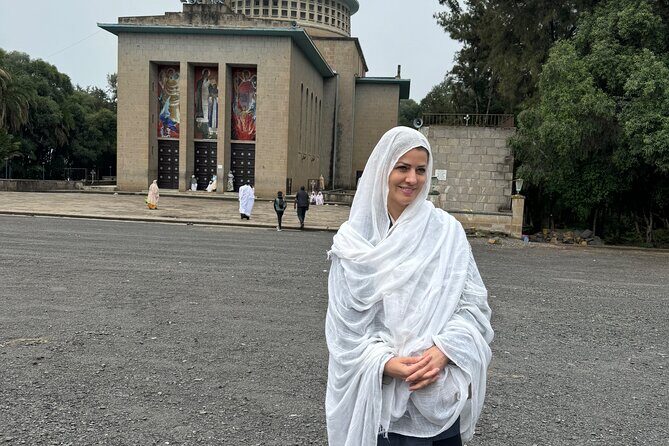
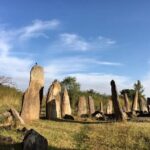
In the afternoon, you visit the sanctuary connected to Debre Azbo, later known as Debre Libanos. The sanctuary is tied to a monastery founded in the 13th century, then later destroyed in 1937 during the Italian occupation. That timeline gives the day trip more weight than the usual one-stop “pretty bridge and done” outing.
Why this matters for you: historical context changes how you interpret what’s in front of you. Standing in a monastery landscape, you’ll notice how much of what remains is shaped by interruptions and rebuilding. It’s one thing to be impressed by architecture. It’s another to feel how a site survived, adapted, and continued.
The tour approach here seems designed to keep you from getting lost in dates. The guides named in the tour’s feedback, like Ashu and Abey, are described as organized and informative, so you’re more likely to understand what you’re seeing rather than just moving between points.
Portuguese Bridge near Debre Libanos: the stone-arch photo stop that isn’t just a legend
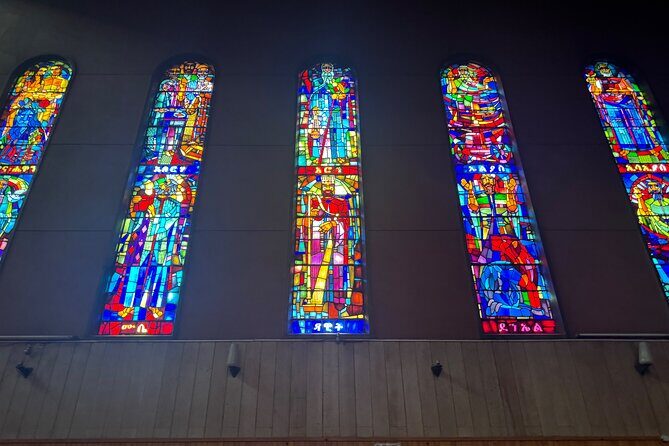
After the Debre Libanos portion, you head to the Portuguese Bridge. The story is fun and a little complicated, which is exactly why it’s worth including.
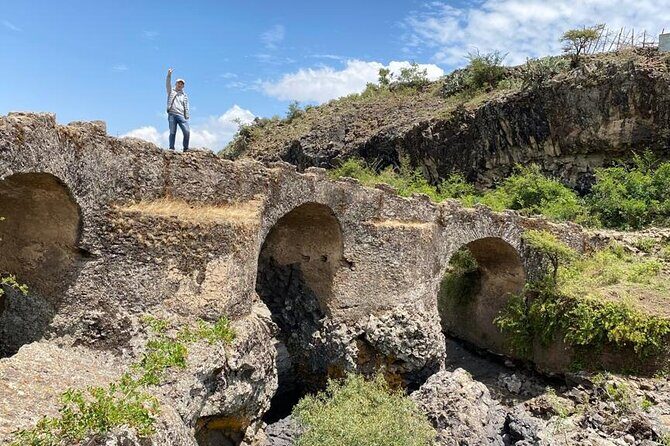
Local guides may tell you the small stone-arch bridge near Debre Libanos was erected by the Portuguese in the 16th century. But the tour facts point to a different timeline: it was actually built around the turn of the 19th century by Ethiopians, using an old Portuguese style. In practice, that means you get the visual charm people want from the Portuguese connection, without needing to take the earliest claim at face value.
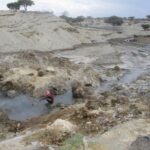
The bridge is narrow, making it a classic framing opportunity for photos—especially when the gorge and river texture fill the background. The other key detail is water. During the rainy season, the cascade just below the bridge is gushing, and that’s when the scene can feel most dramatic. If your visit falls in a drier stretch, you’ll still see the bridge and the gorge, but expect the water energy to be more subdued.
This stop lasts about 1 hour, which is about right for a bridge visit. You get time to look, take photos, and listen to the history without it swallowing the whole afternoon.

Price and value: $100 that includes more than a ride
At $100 per person, this isn’t a “throw-away add-on” tour. It’s priced like a full-day excursion with real logistics, and the inclusions support that.
Here’s what you get included:
- Air-conditioned vehicle
- Coffee and/or tea
- Brunch
- Blue Badge guide
- Entrance fee
- Government taxes
You also have mobile tickets and a private group setup, plus pickup. When you add those together, the value comes from fewer hassles. You’re not hunting down entrance costs, coordinating transport, or piecing together your own lunch plan.
One more value point: the operator appears to run a tight day flow. The feedback highlights organized crew, smooth pickup, and guides who keep things moving. In a long day trip, that matters as much as the sights. If the schedule slips, you lose your best light and your energy.
Logistics that actually matter on a 9-hour day
This tour is listed at about 9 hours 45 minutes, which is a long day even though it’s “just two stops.” Here’s how to think about it.
First, you start early at 7:30 am. That’s normal for day trips from Addis Ababa northward, but it’s still early enough that you should plan for a real breakfast and not a rushed snack.
Second, the physical work is concentrated at Debre Libanos. The hike of 1.5 to 2 hours includes the bridge crossing and the path toward terraced waterfall and caves. The rest of the day is mostly driving plus monastery time, so if you can handle that hike segment, you’ll likely be fine.
Third, because it’s private, you can ask your guide practical questions without feeling like you’re interrupting a large group. That often makes a difference in how much history you actually understand while you’re there.
Who should book this Debre Libanos and Portuguese Bridge tour
This tour fits best if you want:
- Monument and nature in the same day: monastery + gorge views + bridge scenery
- A manageable hike rather than an all-day trek
- Clear guide-led context, especially around Tekle Haymanot and the 1937 sanctuary destruction
- A day trip that feels planned, with food included rather than “good luck finding lunch”
It’s also a good option for families or mixed ages, if everyone can handle the walking time at Debre Libanos. The tour notes say most travelers can participate, which lines up with the moderate hike length.
Should you book it?
Book it if you want one solid day outside Addis Ababa that gives you three things most trips only promise: striking geography, meaningful religious sites, and a bridge with a story you can actually explain afterward.
I’d hesitate if you hate early starts or if walking an uneven, cave-area path for up to 2 hours sounds like a stress test. In that case, you might enjoy Addis Ababa itself more—or ask for a less hiking-focused alternative.
If your goal is to use a day wisely, this is one of the more practical day trips: it includes the essentials, it runs as a private outing, and it hits the monastery complex and Portuguese Bridge in a way that makes the whole day feel connected rather than rushed.
FAQ
What time does the tour start?
The tour starts at 7:30 am.
Where does the tour meet in Addis Ababa?
The meeting point is Edna Mall (Cameroon St) in Addis Ababa.
How long is the day trip?
The duration is approximately 9 hours 45 minutes.
Is pickup included, and is it private?
Pickup is offered, and it’s a private tour/activity, meaning only your group participates.
What’s included in the $100 price?
Included items are an air-conditioned vehicle, coffee and/or tea, brunch, a Blue Badge guide, entrance fee, and government taxes.
Are entrance fees covered?
Yes. Entrance fees are included, and the Portuguese Bridge stop shows admission ticket included.
What are the main stops on the itinerary?
You’ll visit Debre Libanos and the Portuguese Bridge.
Do I need a printed ticket?
No. The tour includes a mobile ticket.
What’s the cancellation policy?
Free cancellation is available if you cancel up to 24 hours in advance of the experience start time. If you cancel less than 24 hours before, the amount paid isn’t refunded.