REVIEW · ADDIS ABABA
Addis Ababa City Tour
Book on Viator →Operated by Travel With Akuye · Bookable on Viator
Addis Ababa can feel endless, then it makes sense. With Fitsum (often the name you’ll hear in the guide roster), a certified guide born and raised in Addis with a BA in History and a Master’s in Indigenous Knowledge, you get clear context at every stop. It’s a private outing for your group, sized for a layover or a slower half-day.
I especially like how this works for first-timers. You get big-name sights like the National Museum of Ethiopia and also the day-to-day Addis stop at Mercato, so the city doesn’t feel like a list of photos.
One thing to plan for: the route can run from 1 to 6 hours, and some parts involve walking in market alleys. There’s no restroom on board, so it’s smart to time breaks with the guide instead of waiting until you’re stuck.
In This Review
- Key highlights worth getting excited about
- Price and logistics: what $70 buys in Addis Ababa
- Entoto Viewpoint and the Ethnological Museum: start with scale, then identity
- National Museum of Ethiopia and Lucy: the stop that reframes time
- St. George Church (ቅዱስ ጊዮርጊስ): mosaics, Adwa, and a coronation site
- Imperial monuments and the memory of 1937: Lion of Judah to Victory Monument
- Mercato market and Piassa coffee: Ethiopian food you can taste, not just read
- Who should book this Addis Ababa City Tour
- Should you book this tour?
- FAQ
- How long is the Addis Ababa City Tour?
- Is pickup available, and where does the tour start?
- Is this tour private or shared?
- What’s included in the $70 price?
- Is lunch included?
- Is there a restroom on board?
- Can I get a full refund if I cancel?
Key highlights worth getting excited about
- A guide with Ethiopia in context: history training plus Indigenous Knowledge means your questions get real answers.
- Museum tickets are handled: entry is included for major sites like the Ethnological Museum, National Museum, St. George’s Church, and Mercato.
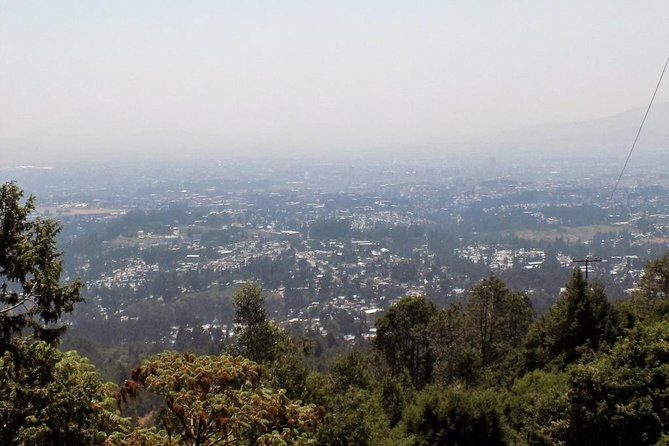
- Entoto gives you immediate scale: you’ll look down on Addis from the Entoto Mountains and get perspective fast.
- Adwa is a thread, not a random fact: it shows up across churches, museum exhibits, and national monuments.
- Coffee and food are built into the day: tea/coffee is included, with time set aside at Piassa for Ethiopian dishes and (often) coffee-ceremony-style culture.
- Solo-friendly confidence: the guide approach is consistently described as attentive and comfortable for people traveling alone.
Price and logistics: what $70 buys in Addis Ababa
At $70 per person, this is priced like a guided “see-the-city” day, not a cheap bus ride. You’re paying for a real guide, an air-conditioned vehicle, and a set of admissions and fees for the core stops—plus coffee/tea and bottled water. For many first-time visitors, that combination matters because it removes the mental load: you don’t have to figure out which museum tickets match which hours.
Pickup is offered, and the tour meeting point is Bole Addis Ababa International Airport. That’s handy if you’re on a layover or if your hotel is near the airport area and you want a straightforward start. You’ll also return to the meeting point at the end, which simplifies planning if your next flight is later the same day.
Group discounts are available, and since this is private (only your group participates), the guide can set a pace that fits your timing window—especially useful if you’re balancing a museum-heavy morning with market time later.
You can also read our reviews of more city tours in Addis Ababa

Entoto Viewpoint and the Ethnological Museum: start with scale, then identity
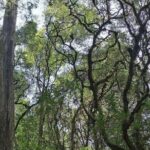
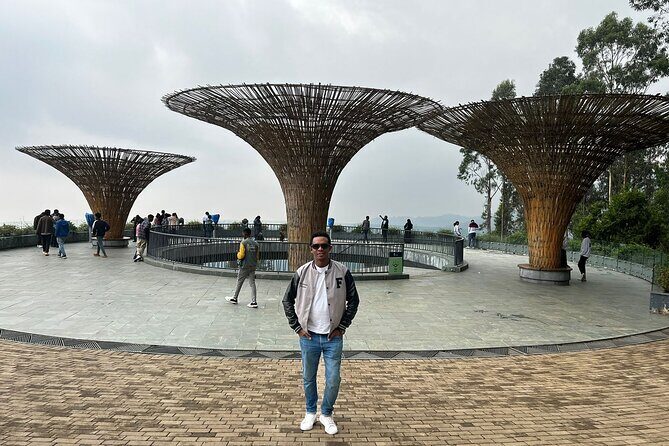
Your day opens with Entoto Viewpoint on the Entoto Mountains just outside Addis Ababa. From here, you get a wide view over the city and surrounding hills, and you’ll notice the role of eucalyptus trees on the slopes. One review note that matters for expectations: the eucalyptus lining can be less prominent in some areas than it used to be, so don’t be surprised if the view looks slightly different than what you’ve seen in older pictures.
After the viewpoint, you move into the Ethnological Museum, housed in the former palace of Emperor Haile Selassie. This is a smart way to begin understanding Ethiopia beyond monuments. The museum organizes stories through artifacts tied to Ethiopia’s many peoples—traditional clothing, tools, crafts—and it connects that culture to major historical themes. You’ll also see sections tied to the Battle of Adwa and Pan-Africanism, which helps you spot the larger African context behind what you’re seeing later around the city.
Plan on about 1 hour 30 minutes here, and use that time to ask your guide what to look for. The guide’s history and Indigenous Knowledge background tends to make the exhibits feel less like displays and more like lived connections.
National Museum of Ethiopia and Lucy: the stop that reframes time

If you want one place that makes Ethiopia feel big in the long story of humans, this is it: the National Museum of Ethiopia. Admission is included, and the schedule typically gives you about 1 hour 30 minutes—enough time to see Lucy’s significance without rushing past the rest.
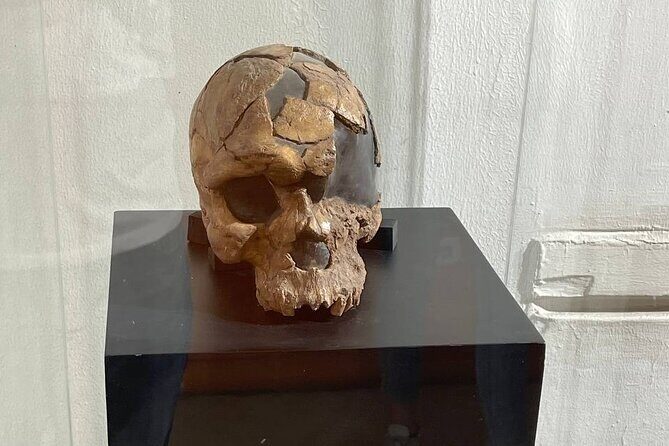
The museum is best known for the 3.2 million-year-old remains of Lucy (Australopithecus afarensis). What I like about this stop is how it places Ethiopia not only in recent centuries of history, but also in deep time. You’ll also find archaeological and cultural displays that span prehistoric material through to more modern Ethiopian life, including ancient religious icons and royal artifacts.
Practical tip: in a museum like this, your best experience comes when you decide ahead of time what you care about most—Lucy and human origins, or the sweep of Ethiopian culture from past to present. The guide can steer you so you don’t leave feeling like you saw everything and understood nothing.
St. George Church (ቅዱስ ጊዮርጊስ): mosaics, Adwa, and a coronation site

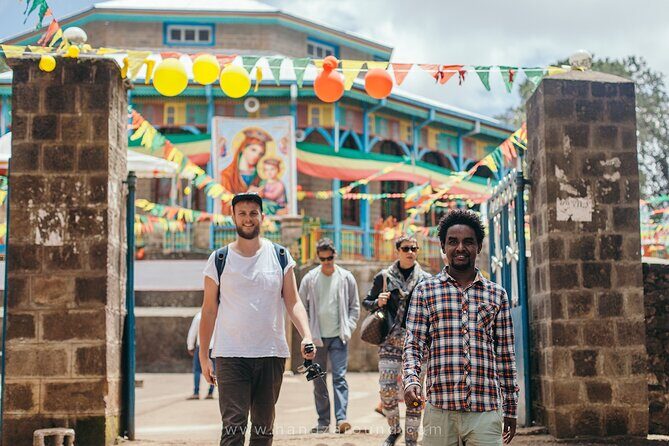
Next up is St. George Church (ቅዱስ ጊዮርጊስ ቤተ ክርስቲያን), one of Addis Ababa’s most meaningful religious and national landmarks. The architecture is circular, and the walls are packed with mosaics and intricate paintings that connect faith to Ethiopian history.
Your guide will point out the scenes tied to the Battle of Adwa, including the idea of St. George slaying the dragon—an image linked to spiritual strength. This church also matters historically because it was the site of Emperor Haile Selassie’s coronation in 1930. Even if you don’t know Ethiopian religious art right now, the context makes the visuals easier to read.
This stop runs about 30 minutes with admission included. That’s enough time to see the key artworks and architecture, but not so long that it eats your day. Dress for a church visit, and keep your pace respectful—this is a working place of worship as much as it is a cultural site.
Imperial monuments and the memory of 1937: Lion of Judah to Victory Monument
After the museums and church, the tour shifts into what Addis does best: telling national stories through monuments and symbols. You’ll pass or stop at several major sites tied to Ethiopia’s imperial era and its resistance to invasion.
You’ll see the Lion of Judah statue, near the entrance of the Imperial Palace, representing the emblem connected to Ethiopia’s royal claims and lineage in Ethiopian tradition. Then you’ll also encounter the Menelik II Equestrian Statue, which honors Emperor Menelik II and his role in leading Ethiopian forces during the 1896 victory over Italy.
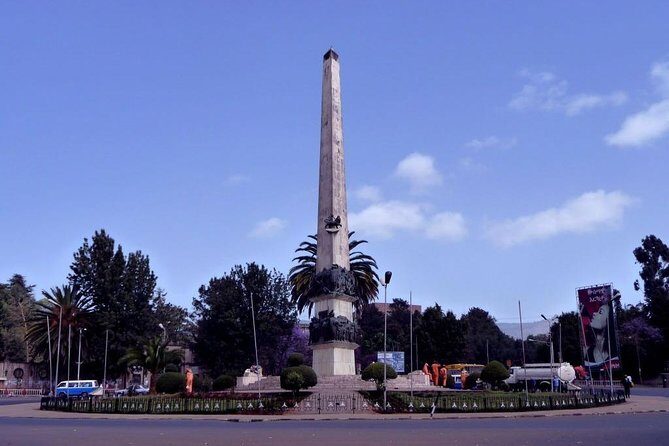
A key stop in this theme is the Victory Monument, designed with an obelisk shape and carvings that honor Ethiopia’s defense of sovereignty—especially the victory at the Battle of Adwa. This is one of those places where the guide’s storytelling pays off. You’re not just looking at stone; you’re learning why the city put this message where everyone can see it.
Finally, you’ll visit Yekatit 12 Martyrs Square, a memorial tied to the Italian occupation period. It commemorates the tragedy that occurred on February 19, 1937, when a massacre followed an assassination attempt on the Italian viceroy. The square’s purpose is straightforward: it marks the names and sacrifice of those who died, and it helps you understand why these dates still matter to Ethiopian identity.
If you care about how history lives in public space, this portion is the emotional center of the tour.

Mercato market and Piassa coffee: Ethiopian food you can taste, not just read
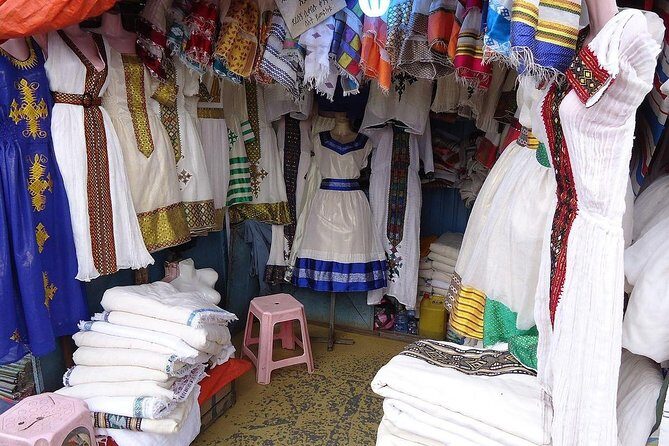
No Addis Ababa day tour feels complete without Mercato. This is the big open-air market area—often described as the largest open-air market in Africa—and it sprawls across multiple sections. You’ll move through areas focused on food, clothing, electronics, household items, and local crafts, with narrow alleys that make it feel like a living maze.
Plan about 1 hour here with admission included. Your guide will help you navigate without getting swallowed by the sheer volume of stalls. And one detail I really like: Mercato is known for recycling and repurposing materials into construction and household uses. That gives you a better read on what you’re seeing—less “tourist market,” more “system that keeps working.”
After Mercato, the tour includes time at an Addis Ababa restaurant in Piassa, about 30 minutes. Food is not included, but this is where you get a practical taste of Ethiopian classics. Expect the spotlight on injera, doro wat, and kitfo, and you may also experience a traditional coffee ceremony-style moment depending on how the restaurant is running that day. The tour includes coffee/tea, so you can at least start the tasting even if you skip a bigger meal.
If you want the best value, treat the restaurant stop as your chance to try one or two dishes you can’t easily find elsewhere, then keep moving.
Who should book this Addis Ababa City Tour

Book this if:
- You want a guided “hits and context” day in Addis Ababa with major museums plus monuments.
- You’re short on time and need a plan that starts at Bole Airport and returns there.
- You care about Ethiopia’s story through Adwa-related themes, not just sightseeing.
- You appreciate a guide who keeps the day moving with smart breaks for coffee/tea.
It’s also a good choice if you’re traveling solo and want a guide who sets a comfortable tone at each stop. The consistent feedback around attentiveness and good timing suggests the pacing is intentional, not random.
Should you book this tour?
Yes—if you want your Addis Ababa day to feel organized, meaningful, and not overly stressful, this is a strong match. The price works best when you count what’s covered: guide, vehicle, bottled water, coffee/tea, and admissions for key sites. You also get a real city rhythm, from Entoto views to museums to Mercato.
Skip it only if you want a long, free-roam day with no structure. With a set set of stops and included entries, you’ll likely want to go along rather than freestyle.
FAQ
How long is the Addis Ababa City Tour?
It runs for about 1 to 6 hours, depending on how your day is paced and which stops you prioritize.
Is pickup available, and where does the tour start?
Yes. Pickup is offered, and the meeting point is Bole Addis Ababa International Airport. The tour ends back at the meeting point.
Is this tour private or shared?
This is a private tour/activity, so only your group participates.
What’s included in the $70 price?
The price includes coffee and/or tea, bottled water, an air-conditioned vehicle, all fees and taxes, and a guide. Admission tickets are included for the major cultural stops, while the restaurant stop is not listed as having admission included.
Is lunch included?
No. Lunch is not included, so plan to purchase food if you want more than what’s provided during breaks.
Is there a restroom on board?
No—restroom on board is not included. It’s smart to use the breaks during scheduled stops.
Can I get a full refund if I cancel?
Yes. You can cancel for a full refund up to 24 hours in advance. If you cancel within 24 hours of the start time, the amount paid is not refunded.