REVIEW · ADDIS ABABA
Addis Ababa Guided City Tours
Book on Viator →Operated by Enat Ethiopia Tours · Bookable on Viator
Addis Ababa hits hard in one day. I love the chance to see Lucy (Dinknesh) at the National Museum and to catch Mount Entoto views from over 3,200 meters, all with a private guide shaping the day to your pace. One drawback to plan for: lunch isn’t included, so you’ll want to use the breaks to grab food on your own.
This tour works especially well when you want context fast—why monuments exist, what dynasties changed, and how daily life fits into the bigger story. In the reviews, the guide often goes by Ashu, and you can expect a calm, professional presence that helps you feel grounded while you move around a city that can feel loud and intense at first.
You get a comfortable air-conditioned vehicle, bottled water, and a cup of traditional Ethiopian coffee (or tea). It also runs about 8 hours with hotel or airport pickup, and you end back where you started—simple, efficient, and ideal if Addis is your first stop in Ethiopia.
In This Review
- Key highlights worth showing up for
- Price and logistics: what $100 buys you
- Starting with orientation: Addis Ababa’s National Museum and Lucy (Dinknesh)
- Patriots Square and the Freedom Monument: reading history in public stone
- Mount Entoto: a quick lift to 3,200 meters above the city
- Mercato Market: Africa’s biggest open-air market, where bargaining is normal
- Yekatit 12 Monument and Meskel Square: public memory plus public celebration
- Ethnological Museum at Addis Ababa University: Ethiopia through people and traditions
- Trinity/St George Cathedral and the Lion of Judah: faith, burial, and symbols
- How long this feels (and how to prepare without stress)
- Who this tour suits best
- Should you book Addis Ababa Guided City Tours?
- FAQ
- How long is the Addis Ababa city tour?
- What is the price per person?
- Is this tour private or shared?
- Does the tour include pickup and drop-off?
- Are tickets included or do I need to buy them separately?
- What is included in the price besides guide service?
- Is lunch included?
- Where does the tour end?
- What’s the tour’s availability?
- What is the cancellation policy?
Key highlights worth showing up for

- Lucy (Dinknesh) at the National Museum, with time to take it all in without rushing
- Mount Entoto for high-altitude city views and a connection to Menelik-II’s early Addis
- Mercato Market, where negotiating and bartering are part of the experience, not an awkward add-on
- Yekatit 12 Monument, an obelisk that marks a painful chapter of 1937 under Italian rule
- Trinity/St George Cathedral and the Lion of Judah statue, mixing Ethiopian symbolism with standout architecture
- A private format with you and your party only, plus included admissions at key stops
Price and logistics: what $100 buys you
At $100 per person for an approximately 8-hour private tour, the price is strongest when you value three things: guidance, transport, and admissions. You’re not just getting a car and a checklist. You’re getting a personal guide who links the stops into one understandable storyline.
Here’s what’s included that makes the day feel efficient:
- Pickup offered and drop-off back to your starting point
- Bottled water
- Coffee and/or tea
- All fees and taxes (with admission tickets included for multiple stops as listed)
- A private setup for only your group
- A mobile ticket
The main “watch-out” is what’s not included: lunch and tips for the guide/driver. Also, because this is a packed city day, it’s not the best choice if you want a slow, wander-only style of vacation.
You can also read our reviews of more guided tours in Addis Ababa

Starting with orientation: Addis Ababa’s National Museum and Lucy (Dinknesh)
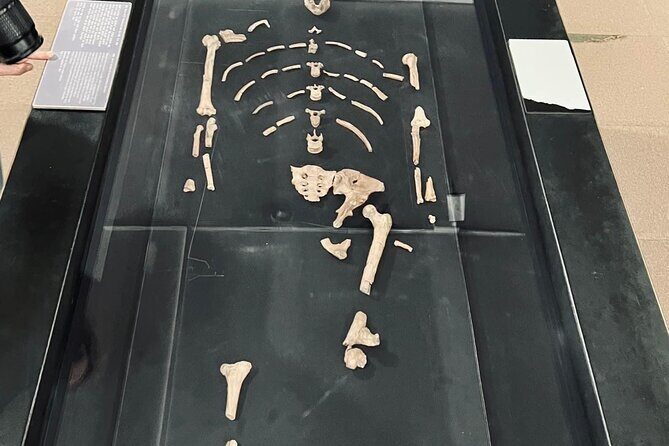
You begin at the National Museum and settle in for about 2 hours. The big reason is Lucy, the famous hominid fossil locally called Dinknesh, meaning wonderful. The museum also holds many archaeological and historical artifacts, so even if you come in with zero Ethiopian context, you leave with a clearer sense of time, place, and how old stories connect to today.
This stop is more than a photo moment. When you hear the guide’s explanation of what the fossil represents, you get a frame for Ethiopia beyond politics and churches—deep time, human origins, and how museums help turn discoveries into public understanding.
Practical note: plan for a museum pace. If you’re the type who likes to linger, this is a good place to do it. If you prefer moving quickly, you’ll still get the essentials within the set time.
Patriots Square and the Freedom Monument: reading history in public stone
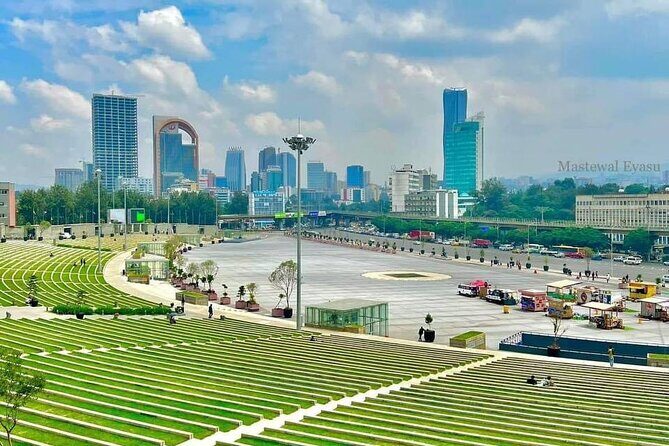
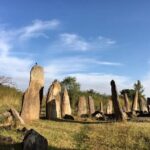
From the museum, you head to Patriots Square. The monument’s official name is tied to Miazia 27, the day of liberation and the arrival of Emperor Haile Selassie I with his patriotic troops in Addis Ababa. The Freedom monument was inaugurated in 1944 by Emperor Haile Selassie I.
This is a short stop, but it matters because it changes how you look at the rest of the city. Addis isn’t only pretty viewpoints and markets. It’s also an open archive of memory—who was honored, what was fought for, and what the country chose to celebrate publicly.
If you like “why this place exists,” bring your curiosity. Your guide can turn an obelisk or monument into a timeline you can actually remember.
Mount Entoto: a quick lift to 3,200 meters above the city
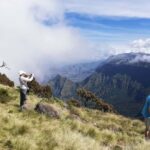
Next comes Mount Entoto, with time around 30 minutes and a break built into the schedule. The altitude is about 3,200 meters, making it the highest peak in the Addis Ababa region.
Mount Entoto is also tied to early Addis Ababa: it was the site of the first palace of Menelik-II, the founder of Addis Ababa. That combination—scenery plus a specific historical connection—makes this stop feel more than scenic.
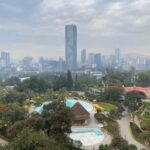
You’ll get views over the forests and the capital below (weather permitting, of course). Even in a short slot, it’s a mental reset. Addis can feel like constant motion; Entoto gives you height, breath, and a sense of scale.
Mercato Market: Africa’s biggest open-air market, where bargaining is normal
Mercato Market is one of the most memorable stops on the route. It’s described as the largest open-air market in Africa, and you’re given a longer window (around 2 to 3 hours) to experience it.
What makes Mercato work with a guide is that you’re not wandering alone and guessing. Your guide helps you make sense of the mix: goods coming from across the country, local ways of thinking about value, and the Ethiopian tradition of negotiating prices or bartering.
This is the stop that tends to feel most real-fast. You’ll hear everyday talk, see everyday products, and watch the market rhythm in motion. If you enjoy markets and don’t mind that price discussions are part of life, you’ll probably love this section.
If you hate bargaining or feel overwhelmed in crowds, treat this as a “go with a plan” experience. A private guide can help you decide what to engage with and what to pass.
You can also read our reviews of more city tours in Addis Ababa




Yekatit 12 Monument and Meskel Square: public memory plus public celebration
After Mercato, the day continues into two important public spaces.
First is the Yekatit 12 Monument, an obelisk commemorating the politically motivated mass killing of Ethiopians by Italians in 1937. This stop gives the emotional gravity that markets and viewpoints don’t. It’s a reminder that history here includes violence and loss, not only milestones and monuments.
Then you move to Meskel Square. This public square is known for gatherings and festivals, especially the Meskel Festival—the event that gives Meskel Square its name. One moment you’re facing remembrance; the next you’re looking at a place designed for community celebration.
Put together, these stops show you Addis Ababa’s emotional range: survival, sorrow, and public joy all in one city.
Ethnological Museum at Addis Ababa University: Ethiopia through people and traditions
The Ethnological Museum is a strong mid-day mental shift. You’re in the main campus area of Addis Ababa University, and the museum was founded by the Institute of Ethiopian Studies.
The focus here is cultural preservation and education. The museum aims to preserve Ethiopia’s historical and cultural heritages, with collections that describe almost all the tribal groups in Ethiopia. For your visit, that means you don’t just see individual attractions. You build an overview of how Ethiopia’s many communities fit together.
Time on site is about 1–2 hours depending on how your guide paces it. If you like learning in a structured way—photos, artifacts, and explanations—this is one of the most satisfying stops.
If you’re only into outdoor scenes, you might find this more “reading and looking” than “moving and photographing.” It’s still worth it if you want to understand what you’re seeing across the city.
Trinity/St George Cathedral and the Lion of Judah: faith, burial, and symbols
You end with two iconic religious and symbolic stops.
The Trinity Cathedral / St:George Cathedral is known for baroque-style European architecture that is unique in Ethiopia and Africa. It’s dedicated to the Holy Trinity, and many renowned Ethiopians are buried in the church grounds. The tombs of Emperor Haile Selassie and his wife are inside as well.
This is often where the trip clicks for people. You’ve seen modern life in markets, political memory in monuments, and human origins at the museum. Now you’re looking at how faith and empire are physically represented—stone, structure, and where important people are laid to rest.
Next is the Lion of Judah statue, a monument tied to Ethiopian emperors and Ethiopia itself. It’s a simple symbol, but it connects back to the bigger story you’re learning throughout the day.
How long this feels (and how to prepare without stress)
The schedule moves through major stops with a mix of indoor and outdoor time: museum hours, market time, short memorial stops, and a high viewpoint on Mount Entoto.
Because lunch isn’t included, you should treat one of the breaks as your cue to eat. The schedule includes a lunch break around the Mount Entoto segment, but you’ll still need to arrange food yourself.
A few practical tips that help you enjoy the day more:
- Wear comfortable shoes. You’ll do walking through museums and the market area.
- Bring a camera and plan for changing conditions. Indoors is different from high-altitude views.
- If you’re sensitive to crowds, lean on the private setup. Your guide can help you move through the market efficiently.
Also remember: this is described as a private tour for you and your party only. That matters because it reduces waiting and lets the guide adjust pacing when you want photos, extra explanations, or less time in a specific spot.
Who this tour suits best
This is a great fit if:
- You have limited time in Addis and want a high-quality introduction
- You like a guide who explains what you’re seeing (history, culture, and politics, not just directions)
- You want a private day instead of a group bus ride
- You’re excited by Lucy/Dinknesh, churches, monuments, and markets
It might not be the best match if:
- You hate bargaining and shopping culture
- You want long, slow downtime and minimal driving
- You’re traveling with a tight food schedule and don’t want to plan lunch on your own
Should you book Addis Ababa Guided City Tours?
I’d book this tour if you want your first day in Addis to feel organized and meaningful. The mix of Lucy (Dinknesh), Mount Entoto views, Mercato Market, the political memory of Yekatit 12, and the symbolic power of the cathedral and Lion of Judah statue gives you a well-rounded picture without requiring you to research every stop alone.
Choose a different style only if you prefer a totally self-directed day or if lunch-on-your-own is a deal-breaker. For most people, though, the value is in how the guide turns scattered sights into a storyline you can carry with you after you leave Addis.
If you’re planning just one day in the city, this is one of the smarter ways to make it count.
FAQ
How long is the Addis Ababa city tour?
The tour runs for about 8 hours (approx.).
What is the price per person?
The price is $100.00 per person.
Is this tour private or shared?
It’s a private tour/activity. Only your group participates.
Does the tour include pickup and drop-off?
Yes. Pickup and drop-off are offered, including pickup from Bole International Airport or your hotel.
Are tickets included or do I need to buy them separately?
A mobile ticket is included, and admission tickets are listed as included for key stops.
What is included in the price besides guide service?
Included items are bottled water, coffee and/or tea, and all fees and taxes.
Is lunch included?
No, lunch is not included.
Where does the tour end?
The activity ends back at the meeting point.
What’s the tour’s availability?
The stated opening hours are Monday to Sunday, 12:00 AM to 11:59 PM (for the listed date range).
What is the cancellation policy?
Free cancellation is available up to 24 hours in advance for a full refund. If you cancel less than 24 hours before the start time, the amount paid is not refunded.