REVIEW · ADDIS ABABA
Addis Ababa: Guided Expedition through Ethiopia’s Capital
Book on GetYourGuide →Operated by habeshawonder · Bookable on GetYourGuide
Addis Ababa hits fast and hard. This guided day strings together Lucy at the National Museum, the big church history around Holy Trinity Cathedral, and then finishes with wide-open views from Mount Entoto. I love how the day mixes major landmarks with lived-in street life, not just photo stops.
Two standout parts for me are the Ethiopian coffee ceremony and the way the guide helps you make sense of it all—so Merkato feels like a real economic hub, not chaos with a price tag. One caution: this tour is not suitable for people with altitude sickness, and it also isn’t a fit for very young kids or seniors over 70.
In This Review
- Key things that make this Addis Ababa tour worth your time
- A One-Day Addis Welcome: Markets, Fossils, and Mount Entoto
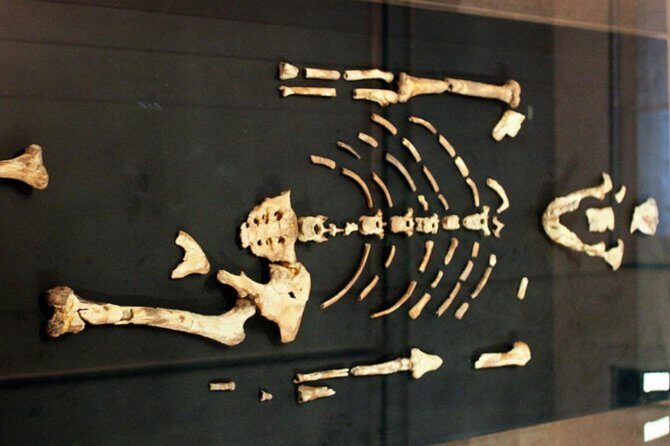
- National Museum and Lucy: Ethiopia Explained in Fossil Form
- Holy Trinity Cathedral: When Architecture Teaches History
- Merkato and Artisans: Shopping With Context, Not Just Souvenirs
- Coffee Ceremony: Ethiopia’s Coffee Culture, Brewed for Real
- Mount Entoto: Panoramic Views That Close the Loop
- Price and Value at $50: What You’re Paying For
- Who This Tour Fits Best (And Who Should Skip It)
- Should you book this Addis Ababa guided tour?
- FAQ
- How much does the Addis Ababa guided tour cost?
- What’s included in the tour price?
- Is the Ethiopian coffee ceremony included?
- What is not included?
- Is this tour suitable for everyone with altitude issues?
- What age limits should I know?
- What languages are offered, and can I cancel?
Key things that make this Addis Ababa tour worth your time
- Lucy at the National Museum: A powerful fossil stop that gives Ethiopia’s deep timeline real context.
- Holy Trinity Cathedral area: Ancient church architecture and religious artifacts that explain how history shows up in daily life.
- Merkato and local artisans: You get the who/what/why behind the shopping lanes and craft stalls.
- Traditional coffee ceremony: Coffee culture with meaning, plus actual brewed samples.
- Mount Entoto panoramas: A final viewpoint that helps you understand Addis Ababa’s shape and scale.
A One-Day Addis Welcome: Markets, Fossils, and Mount Entoto
If you’re short on time in Addis Ababa, this kind of guided loop is exactly what you need. It’s built around the city’s big “anchors”—museum, churches, market—then adds a culture-heavy coffee moment and a scenic payoff from higher ground.
I like that the day feels like a guided story with stops that actually connect. You’re not just moving from one landmark to the next; you get context for what you’re looking at. You’ll also be traveling with transportation included, plus bottled water, which matters in a city where the weather can shift and your day can get longer than planned.
If you’re hoping for a slow, relaxed stroll with no crowds and no questions—this won’t match that mood. Merkato can feel intense, and the day packs in a lot, so it’s best for people who enjoy momentum.
You can also read our reviews of more guided tours in Addis Ababa

National Museum and Lucy: Ethiopia Explained in Fossil Form
The National Museum is one of those places that changes how you see a country. Seeing Lucy here isn’t just a headline moment—it’s the kind of stop where a guide’s explanation turns a famous fossil into something you can place on a timeline.
What I like about this stop is the “bridge” effect. You come in thinking of Ethiopia as a modern destination, then the museum anchors you to deep human history. After that, the rest of the day lands better—churches make more sense, and even the market feels less random because you understand the longer story of the region.
Logistically, it’s also a good choice for a first half or middle-of-day anchor. Museums usually have clear entry flow, and you’ll be able to focus without needing to constantly negotiate what to do next.
Practical tip: wear something comfortable for standing and walking inside, and give yourself time to read whatever signage you can. If your guide is strong—names like Joe or Mike show up often in good experiences—you’ll likely get clear explanations that make the exhibits click.
Holy Trinity Cathedral: When Architecture Teaches History
After the museum, the day turns toward Ethiopia’s religious and architectural heritage at Holy Trinity Cathedral. This is where the story shifts from scientific timeline to cultural continuity. You’re looking at ancient-style design and religious artifacts, and a guide helps you understand why the place matters beyond its exterior.
I like stops like this because they reward slow looking. Even if you’re not an expert on Ethiopian Orthodox traditions, the guide’s framing helps you notice details you might otherwise skip. One review also mentions an added highlight such as Beata LeMariam church, which suggests guides may build in extra church time when timing works.
Drawback to consider: churches can involve crowds and local rules. It’s not a place for sunglasses-and-zooming. You’ll get more out of it if you stay attentive and follow guidance from your guide and the site staff.
Also, note the tour’s rule set: military-style clothing is not allowed, and the day requires respectful behavior. If you keep that in mind, the cathedral stop tends to feel smooth rather than stressful.
Merkato and Artisans: Shopping With Context, Not Just Souvenirs
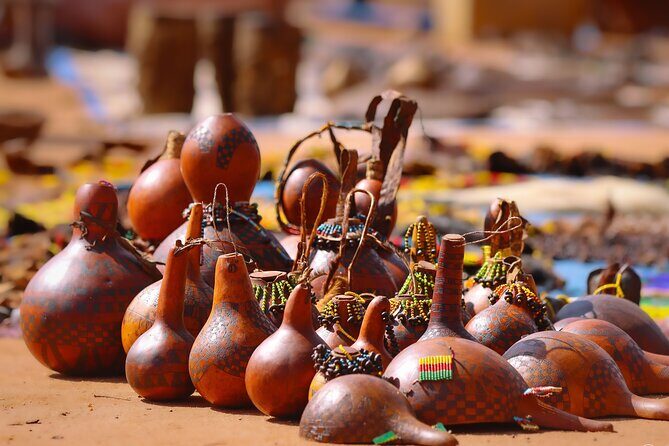
Merkato is famous for a reason. The market is big, crowded in stretches, and packed with everything from spices to handmade items. The difference on this tour is that you don’t just wander with your credit card and hope for the best—you’re guided through what you’re seeing and why it’s valuable.
This is where the guide work really matters. People describe the experience as a mix of history, daily life, and practical shopping knowledge. You might also meet or browse local artisans and craftsmen, where you can watch traditional making—handwoven textiles and intricate jewelry are specifically called out.
What I think makes this stop worth it is respect for the “how.” Craftsmanship is hard work. A guide can explain what you’re looking at so you’re not paying only for a souvenir; you’re paying for labor and skill. It also makes bargaining feel less random, because you understand the product category and its place in local trade.
One more real-world benefit: your transportation is handled. Markets like Merkato can eat time. When you’re not trying to figure out routes and pickup points yourself, you can focus on the shopping and the story.
Quick caution: don’t plan on shopping as your main mission. This tour gives you a window to look and ask questions, not a whole day of retail. If you go in knowing that, you won’t feel rushed.
Coffee Ceremony: Ethiopia’s Coffee Culture, Brewed for Real
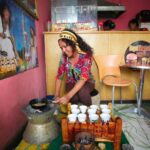
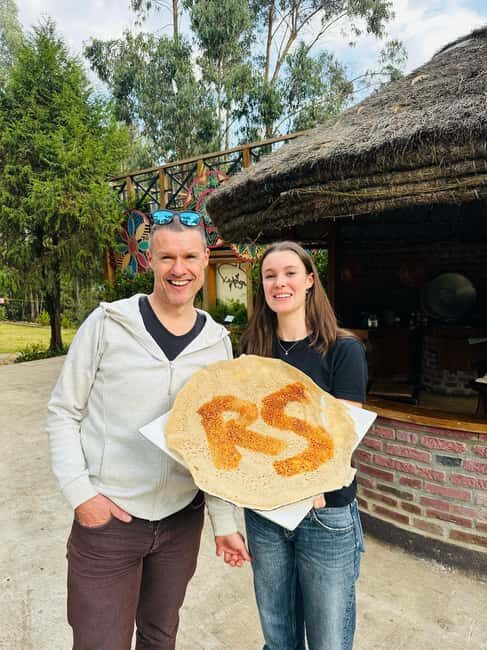
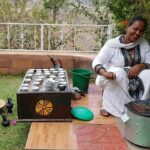
Ethiopian coffee culture is not just a drink here. It’s a social ritual, and this tour treats it like one. The coffee ceremony portion is included and designed to show you the significance of coffee in Ethiopian society, then let you taste freshly brewed coffee.
I love that this isn’t a vague coffee stop. It’s positioned as an experience: you learn what makes the process meaningful, then you get the result in your cup. One review also mentions Tomoca as a coffee stop, plus a second coffee-shop visit (modern and traditional). That suggests guides may adjust the coffee moment slightly based on timing and what fits your group.
Here’s how to get the most out of it:
- Pay attention during the steps, even if you’ve seen coffee ceremonies elsewhere.
- Ask questions about how coffee is served or why it’s tied to hospitality.
- Don’t rush your taste. Ethiopian coffee often has strong, distinct flavor notes, and you’ll miss that if you treat it like a caffeine vending machine.
Also, because bottled water is included, you can stay comfortable during the day and not rely on random purchases.
One more note: the tour does not allow intoxication or alcohol and drugs. If you’re used to mixing travel tours with drinks, plan on keeping things clearheaded.
Mount Entoto: Panoramic Views That Close the Loop
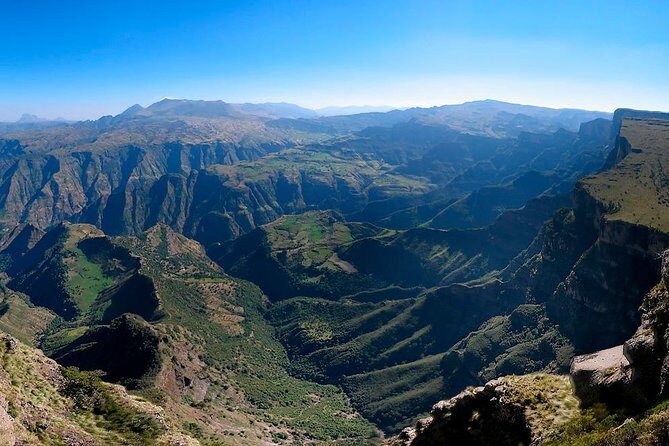
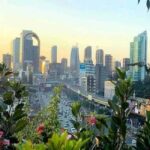
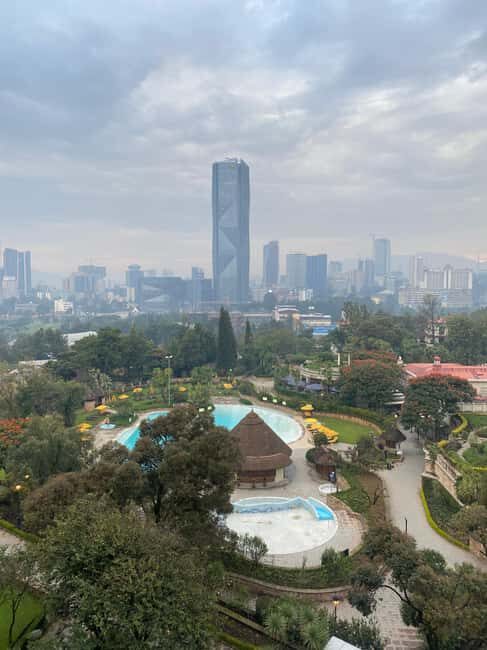
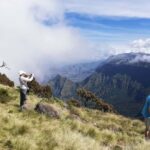
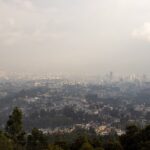
After the museum, churches, and market, you need a reset. That’s what Mount Entoto gives you: scenic drive time and panoramic views of Addis Ababa. Ending with a viewpoint is a smart travel move, because it lets your brain organize the city you just toured.
I like this finish because it turns all your earlier stops into a bigger picture. From above, you start to see how Addis spreads, where key areas sit, and how the city’s elevation shapes everyday life. Then you get a moment to reflect before you head back—no need to sprint for one last photo.
If you’re the type who hates ending tours with exhaustion, this is a good choice. A viewpoint stop is active, but it’s also calming. And if rain starts, you’ll be glad the guide presence is strong—one account includes a guide purchasing an umbrella and holding it while photos were taken.
Tip: bring layers. Higher ground can feel cooler, even if the city is warmer.
Price and Value at $50: What You’re Paying For
At $50 per person, this isn’t a budget-only grab, and it isn’t a luxury show either. It sits in the practical middle—especially because multiple cost buckets are covered.
Included costs that matter:
- Transportation to reach several locations in one day
- All entrance fees for the listed landmarks and attractions
- Bottled water
- The Ethiopian coffee ceremony
- A professional guide who shares historical and cultural context
For a short stay, paying for a guide and logistics can be worth it. Addis Ababa isn’t the kind of place where you’ll want to stitch together every museum and market stop on your own, especially when you have a limited window.
What’s not included (so don’t get surprised):
- Personal expenses, souvenirs, and extra snacks
- Optional activities beyond the core day
- Travel insurance
- Flights to and from Addis Ababa
- Accommodation and meals not specified in the plan
- Any personal transportation outside what’s provided
So the real value question is simple: do you want a guided day that handles the moving parts? If yes, $50 can feel like a bargain. If you’d rather self-tour at your own pace with zero structure, you might find it better to book a private guide or pick only two stops.
Who This Tour Fits Best (And Who Should Skip It)
This tour works best for:
- People with limited time who still want major Addis highlights
- Solo visitors who want a clear plan and a guide to answer questions
- Travelers who enjoy markets, church history, and coffee culture in the same day
It may not fit well for:
- Anyone with altitude sickness concerns, because it includes Mount Entoto
- Babies under 1 year
- People over 70 years
Also, because the day includes market walking and cathedral areas, it’s not a great match if you need minimal walking or very slow pacing. You’ll spend real time on your feet, and Merkato can be intense even with guidance.
One more thing I appreciate: the tour uses English. That matters for staying engaged—especially at the museum and churches, where context is everything.
Should you book this Addis Ababa guided tour?
I’d book this if you want a guided, value-minded introduction to Addis Ababa in one day. The strongest reasons are practical: Lucy at the National Museum, the church stop at Holy Trinity Cathedral, Merkato plus artisans for real context, and a proper Ethiopian coffee ceremony. Add Mount Entoto panoramas at the end, and you get a full loop that helps the city click.
Skip it if altitude is a concern, if you’re traveling with a very young child, or if you want a quiet, slow day with lots of free time. Also, if you’re allergic to guided structure, Merkato will feel like too much.
If your goal is a memorable layover day or a first taste of Ethiopia’s capital, this hits the right balance of culture, major landmarks, and city rhythm—without making you wrestle logistics.
FAQ
How much does the Addis Ababa guided tour cost?
It costs $50 per person.
What’s included in the tour price?
Transportation, all entrance fees, bottled water, the cultural Ethiopian coffee experience, and a professional guide.
Is the Ethiopian coffee ceremony included?
Yes. Cultural coffee is included as part of the experience.
What is not included?
Personal expenses like souvenirs and extra snacks, optional activities not part of the main itinerary, travel insurance, flights, accommodation, meals not specified, and any personal transportation.
Is this tour suitable for everyone with altitude issues?
No. It is not suitable for people with altitude sickness.
What age limits should I know?
It is not suitable for babies under 1 year and not suitable for people over 70 years.
What languages are offered, and can I cancel?
The tour is offered in English. You can cancel up to 24 hours in advance for a full refund.