REVIEW · ADDIS ABABA
Authentic Addis Ababa Experience with Local Guide & Driver
Book on GetYourGuide →Operated by Addis Authentic Tours · Bookable on GetYourGuide
You feel Addis Ababa in one day. This full day private tour with a local guide and driver strings together the National Museum for Lucy, the Mercato market, and mountain panoramas from Entoto.
I love how the day mixes famous sights with everyday life, so you don’t just collect landmarks. Two highlights I really like are seeing the Lucy fossil in context, and then heading up to Entoto for big views over the city.
One thing to consider: with a packed route and stops in churches and markets, you’ll do some walking and time can move quickly across several neighborhoods.
In This Review
- Key Highlights You’ll Care About
- How the Day Flows With a Private Guide and Driver
- National Museum of Ethiopia: Lucy and the Bigger Story
- Holy Trinity Cathedral or Bata Mariam: Imperial Ethiopia in Stone and Paint
- Holy Trinity Cathedral
- Bata Mariam Church
- Coffee Break Isn’t an Afterthought: It Sets the Tone
- Addis Mercato: The Big Open-Air Market and How to Enjoy It
- Mount Entoto (3400m): Views and a Former Royal Camp
- Village House Visit: Real Ethiopian Daily Life
- Shiro Meda Textiles and Ethiopian Woman Pottery: Craft Stops That Matter
- Shiro Meda Market (Textiles)
- Ethiopian Woman Pottery
- Price and Value: What $75 Buys on a Private Day
- Who Should Book This Tour (and Who Might Want a Different Style)
- Should You Book Authentic Addis Ababa With a Local Guide and Driver?
- FAQ
- How long is the tour?
- What sites will I see during the day?
- Is lunch included in the price?
- Is coffee included?
- Are entrance fees included?
- Is the tour private?
- Do I get pickup and drop-off?
- What languages is the live guide available in?
- Is the tour wheelchair accessible?
- Is Ethiopian woman pottery available every day?
Key Highlights You’ll Care About

- Lucy and early hominids at the National Museum, not just a quick photo stop
- Holy Trinity Cathedral and/or Bata Mariam Church for a real sense of imperial Ethiopia
- Mercato Market scale: multiple miles wide, with thousands of people and business units
- Entoto Mountain (3400m) views from a historic palace/camp site
- Local coffee and village house moments like coffee ceremony and homemade brews (where offered)
- Optional craft stops like Shiro Meda textiles and Ethiopian woman pottery (note closures)
How the Day Flows With a Private Guide and Driver

This tour is built around comfort and timing. You get picked up in Addis Ababa, then spend the day with a private driver and a live guide who can work in Amharic, English, French, or Spanish. That matters in Addis Ababa, where the best experiences usually depend on knowing where to go and what to look for.
The pace is “full day, not full museum crawl.” You’re moving between major sites and local areas, with short visit blocks (often around an hour) at key landmarks and longer time blocks where you’ll actually wander, like the market and Entoto. In practical terms, this is ideal if you want a concentrated overview without stitching together separate taxis and tickets all day.
You can also read our reviews of more guided tours in Addis Ababa

National Museum of Ethiopia: Lucy and the Bigger Story
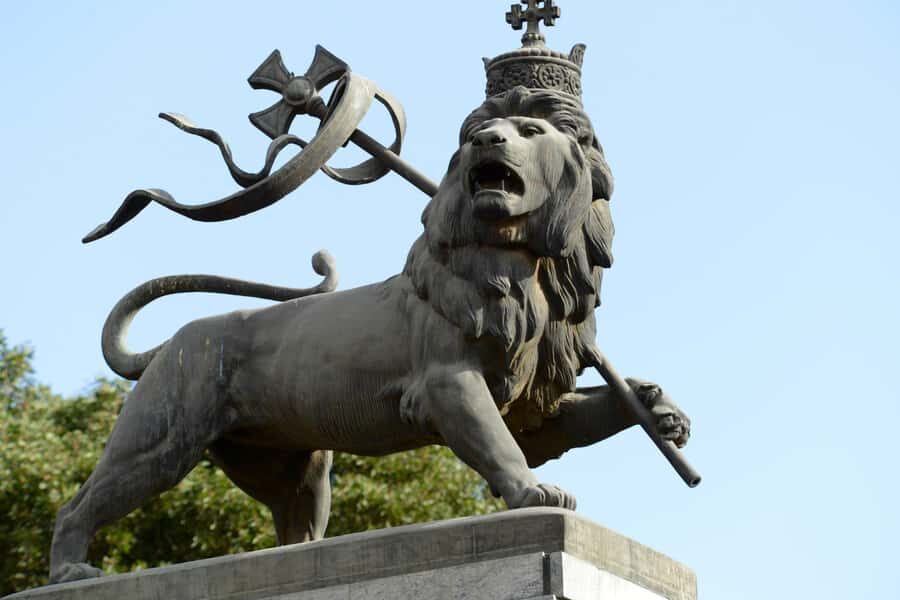
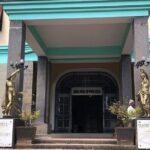
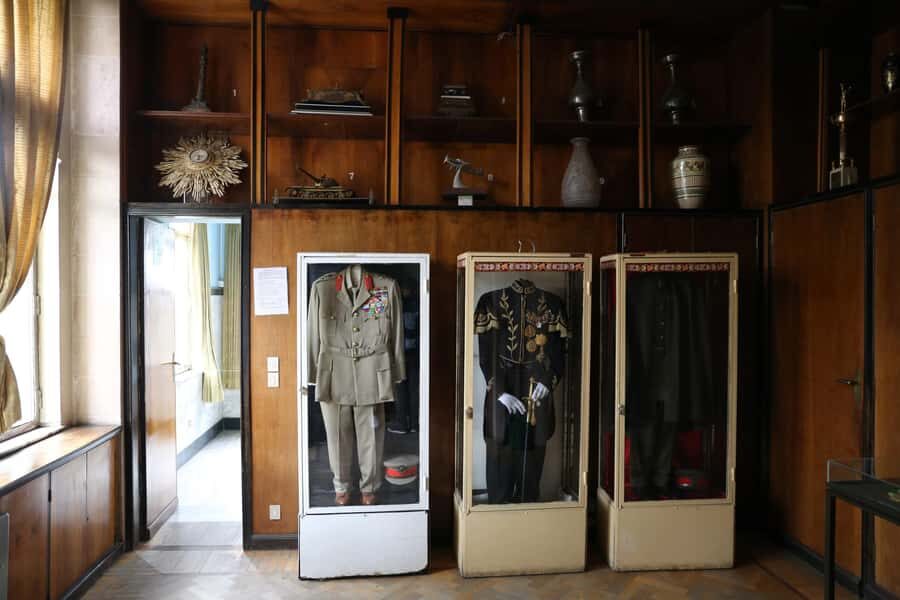
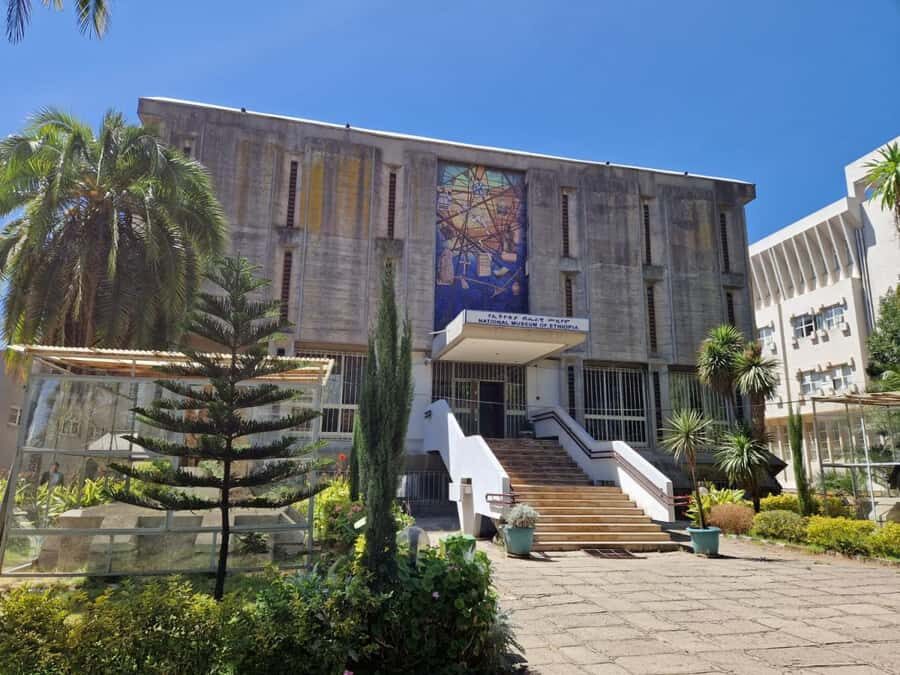
The National Museum of Ethiopia is the kind of stop that makes the rest of the day click. You come for Lucy, but you stay for the message: human history here isn’t a trivia fact, it’s presented in a way that connects early hominids and Ethiopian archaeology.
Expect to spend about an hour. That hour is enough to see Lucy and take in the surrounding finds, especially with a guide who can explain what you’re looking at and keep you oriented. If you’re the sort of person who likes to understand why a place matters, this museum delivers the foundation for the rest of the day.
Practical tip: give yourself permission to slow down for details you normally skip. Lucy is famous, but the surrounding exhibits and the way they’re grouped is what turns the stop from a snapshot into a real learning moment.
Holy Trinity Cathedral or Bata Mariam: Imperial Ethiopia in Stone and Paint
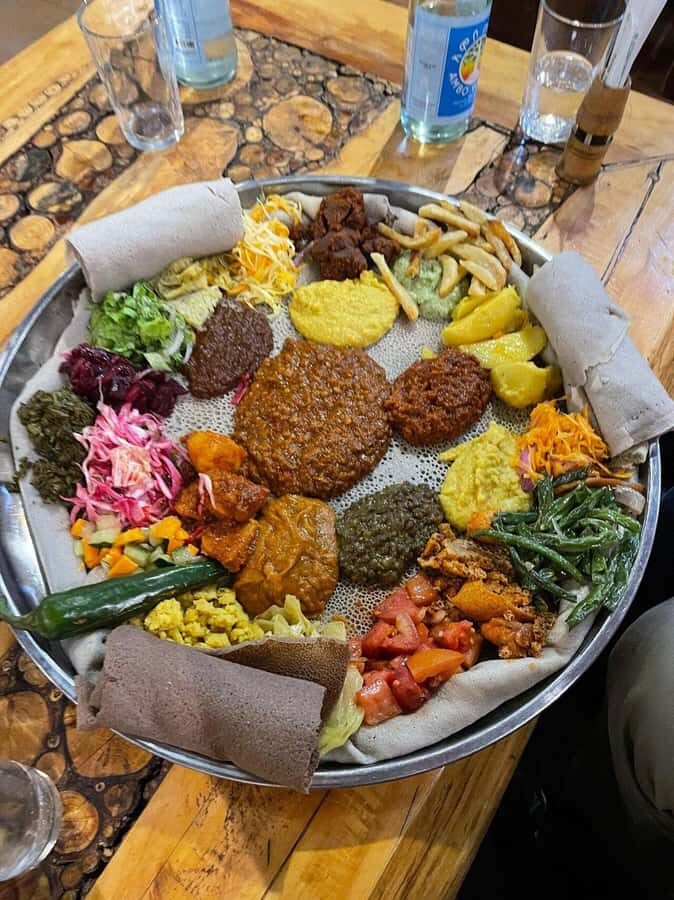
From the museum, the tour shifts to faith and power—two church options that feel like different chapters of the same story.
Holy Trinity Cathedral
Holy Trinity Cathedral was built in 1942 to commemorate Ethiopia’s victory over the Italian occupation. Inside, you’ll see tombs of Emperor Haile Selassie and Empress Menen Asfaw, plus other members of the imperial family. This is one of those sites where the building’s purpose is historical, not only religious. Even if you’re not a church-goer, the imperial tombs give the architecture a deeper weight.
Bata Mariam Church
Bata Mariam Church (also known as Holy Trinity in some references) is tied to royal burial. Emperor Menelik is buried here, along with his wife and daughter. The striking bonus mentioned here is that there’s an original painting by Michelangelo displayed at the church. Whether you’re an art lover or not, that detail makes the stop feel like a rare “how did this end up here?” moment.
What I’d choose: if you want the strongest sense of imperial history anchored in a commemorative build, lean toward Holy Trinity Cathedral. If you want the royal burial focus plus the Michelangelo painting detail, Bata Mariam is your pick.
A few more Addis Ababa tours and experiences worth a look



Coffee Break Isn’t an Afterthought: It Sets the Tone

Before Mercato and the late-day climb, you’ll have a coffee tasting (about 30 minutes) with coffee included. This is a great rhythm-reset: you shift from museum intensity to something slower and more local.
If you have allergies, the tour mentions that you should let them know in advance, and lunch is planned at a very local restaurant where there’s a wide variety of choice. Lunch itself is not included in the price, but you’ll still get a dedicated break to eat Ethiopian food rather than eating on the run.
My advice: treat the coffee and lunch as part of the cultural work of the day, not just a break. Addis Ababa experiences often land better when you’re not rushing your meals.
Addis Mercato: The Big Open-Air Market and How to Enjoy It

Mercato is described as the biggest open-air market in Africa, covering several square miles and employing an estimated 13,000 people in about 7,100 business units. That scale alone can feel overwhelming if you try to do it on your own.
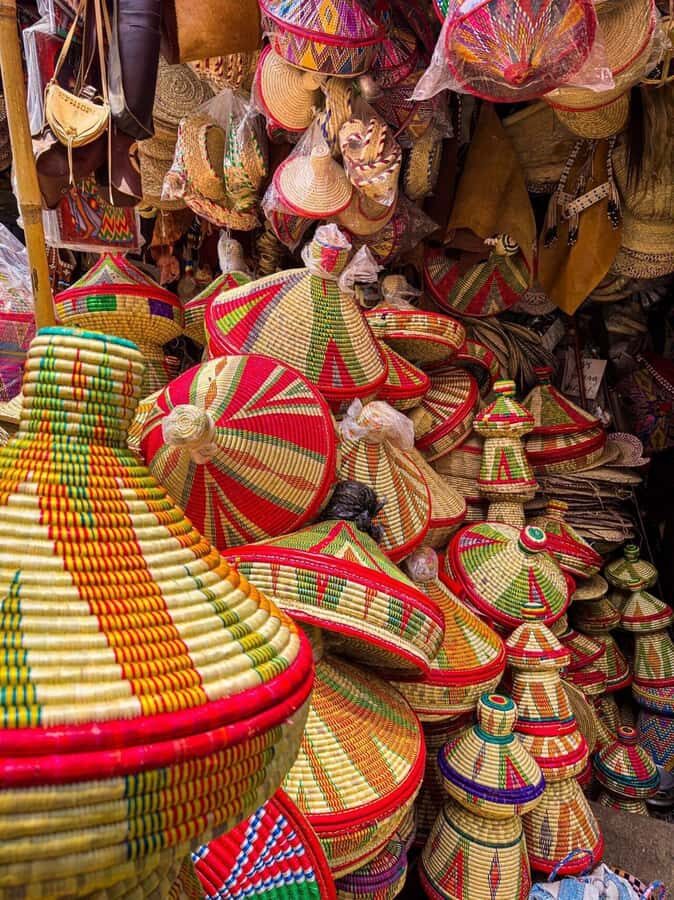
With a guide, you’re not just walking randomly. You can focus on the categories that catch your eye, like incense, coffee, spices, jewelry, baskets, pottery, leather goods, and even recycling goods. The guide helps you navigate the size and makes the market feel legible.
How to make this stop satisfying (not exhausting):
- Look for what you actually want to see and touch, not everything.
- Use your guide to point out what’s distinctive, so you don’t burn time repeating the same stalls.
- Accept that Mercato is a place of work, not a themed attraction. Your best experience comes from observing how people do business.
If you buy something, the guide can help you understand what you’re looking at—especially with textiles and crafts later in the day.
Mount Entoto (3400m): Views and a Former Royal Camp
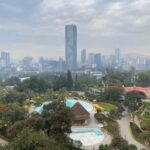
Entoto Mountain sits at an altitude of about 3400 meters. The site served as the permanent camp and palace of Emperor Menilik II. That combination—high views plus royal setting—makes this a different type of stop than the museum or market.
From the top, you’ll enjoy panoramic views of Addis Ababa and the surrounding countryside. Even if you don’t love heights, the view is a useful “map in your head” moment. You start to understand how the city sits in its wider region, not just as a cluster of streets.
Visit time is about 2.5 hours, which gives breathing room for photos and for lingering when the light is right. At this altitude, you might feel cooler than in downtown areas, so dress like you expect a temperature shift.
Village House Visit: Real Ethiopian Daily Life
One of the most memorable pieces of this tour is the local house visit in a village area. This is where you get a chance to share a moment with a family and see Ethiopian lifestyle up close.
You may also have experiences like tasting very local homemade brewing beer or moonshine, or joining a coffee ceremony (depending on how the day works). This part of the day is the human bridge between the big sights and the everyday rhythm of Addis Ababa’s broader culture.
What to know: this is the kind of stop where you’ll get the best experience by staying curious and flexible. Ask simple questions, watch how people do things, and keep your expectations realistic: it’s a home visit, not a staged performance.
Shiro Meda Textiles and Ethiopian Woman Pottery: Craft Stops That Matter
Two craft-related stops can add depth to the day, especially if you’re into clothing, materials, or handmade work.
Shiro Meda Market (Textiles)
Shiro Meda Market sells Ethiopian textiles in all their forms—everything from Ethiopian wedding dresses to clothing, linens, and fabrics. This is a good counterweight to Mercato. Instead of browsing for general goods, you’re focusing on materials and what people wear for life events and daily use.
Ethiopian Woman Pottery
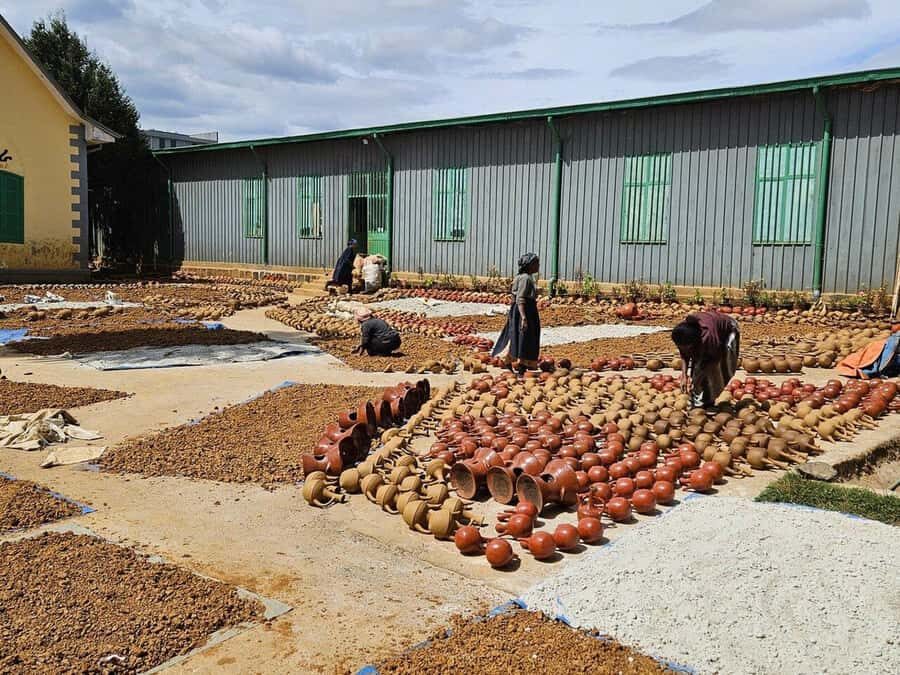
Ethiopian woman pottery is described as a workshop where low-class women have priority to work, and where they mash and prepare fine clay. You’re getting a view into how skill is passed through work, and it’s scheduled with a clear closure note: it’s closed on Sundays and public holidays.
Planning note: if your day falls on a Sunday or public holiday, your guide may need to adjust the route. It’s worth asking what will replace it if you’re traveling on those days.
Price and Value: What $75 Buys on a Private Day
At $75 per person for a 7-hour private tour, the value is in the package, not just in individual attractions.
Here’s what’s included:
- Entrance fees
- Private guide
- Private driver
- Hotel or airport pickup and drop-off
- Coffee
- Bottle of water
Lunch is not included, but you do get time set aside to eat at a very local restaurant, and coffee tasting is part of the day.
If you tried to replicate this on your own, you’d be paying for guide time, navigating sites, and covering transport between major areas. This tour bundles those costs into one price and adds the advantage of a guide who can interpret what you’re seeing—especially for the museum and the churches where details matter.
My take: this is a strong option if you want one day to feel “complete” without spending half your time solving logistics.
Who Should Book This Tour (and Who Might Want a Different Style)
This fits best if you want:
- A first-timer’s overview of Addis Ababa with local context
- A mix of museum learning, religious/imperial history, and market life
- A day that works well for solo travelers or families because it’s private and adjustable to your pace
- Cultural stops that go beyond photos, like coffee and the village house visit
In the feedback-style details you provided, guides like Getahun, Alex, and Desale get positive mentions for careful guiding and helpful photo support, while drivers like Adis are described as professional. That’s exactly what you want on a private day when you’re balancing crowded market time with calmer museum/church time.
If you prefer a slow, single-neighborhood walk where you spend most of your day in one place, this tour’s “several stops, several moods” style might feel too fast.
Should You Book Authentic Addis Ababa With a Local Guide and Driver?
I’d book it if your goal is to see the major Addis Ababa highlights while still getting real local texture. The pairing of Lucy at the National Museum, the imperial tombs and church stories, the Mercato market scale, and the Entoto panoramas is a smart way to compress a lot into one day without feeling like you’re rushing past everything.
Book with confidence if:
- You want a private guide/driver rather than piecing things together.
- You like a day that mixes big landmarks with everyday culture.
- You’re curious about Ethiopian history, faith, and handmade crafts.
Pass or consider a different format if:
- You hate changing locations multiple times in one day.
- You want a long, unhurried market day with no other stops.
- You’ll be traveling on a Sunday and you strongly want the pottery stop (it’s closed that day).
If you do book, one simple win: wear comfortable shoes and approach Mercato and the church visits with curiosity. This tour works best when you treat it like a guided conversation across Addis Ababa’s different worlds.
FAQ
How long is the tour?
It lasts about 7 hours.
What sites will I see during the day?
You’ll visit the National Museum of Ethiopia (including Lucy), an Ethiopian Orthodox Christian church (Bata Mariam Church or Holy Trinity Cathedral), Addis Mercato, Mount Entoto, and you may also include a local house in a village. Shiro Meda Market (textiles) and Ethiopian woman pottery are also part of what to expect.
Is lunch included in the price?
No, lunch is not included. There is a lunch break at a very local restaurant where you can taste Ethiopian food.
Is coffee included?
Yes. Coffee tasting is included, and coffee is also listed as included in the tour.
Are entrance fees included?
Yes, entrance fees are included.
Is the tour private?
Yes, it is a private group with a private guide and private driver.
Do I get pickup and drop-off?
Yes. Hotel or airport pickup and drop-off are included, within Addis Ababa.
What languages is the live guide available in?
The guide is available in Amharic, English, French, and Spanish.
Is the tour wheelchair accessible?
Yes, the tour is listed as wheelchair accessible.
Is Ethiopian woman pottery available every day?
No. Ethiopian woman pottery is closed on Sunday and public holidays.