REVIEW · ADDIS ABABA
Private Ethiopian Home Cooking Class in Addis Ababa with Transfer
Book on Viator →Operated by Traveling Spoon · Bookable on Viator
Home cooking in Addis Ababa feels personal fast. I love that this is a private Ethiopian home class with Hilena, plus you get a choice to see the ingredients up close with a Sansusi market walk. You also finish with the full meal together in the family kitchen, not a quick sampling and goodbye.
The main drawback is practical: expect a hands-on session with a lot of food, and since Hilena is not very fluent in English, her brother will translate the whole time. If you prefer minimal time in a home kitchen or you dislike slower meals, plan accordingly.
In This Review
- Key things to know before you go
- A Private Ethiopian Kitchen in Sansusi, Hosted by Hilena
- What You’ll Learn and Eat: Beyaynetu, Shiro, Genfo, and Anebabero
- The Optional Sansusi Market Walk: What to Notice and What You Might Buy
- The Real Itinerary Experience: From Cooking to Coffee
- Transfer, Timing, and Why the Sansusi Location Matters
- Language Support and Dietary Needs (So Your Meal Actually Works for You)
- Comfort, Privacy, and What It Feels Like in a Home Setting
- Coffee After the Meal: A Small Finale with Big Cultural Meaning
- Price and Value: Is $124 per Person Fair for This Kind of Class?
- Who This Ethiopian Cooking Class Is Best For
- Should You Book Hilena’s Cooking Class in Addis Ababa?
- FAQ
- Where does the cooking class take place?
- What dishes will I eat during the class?
- Will I learn to cook Ethiopian food or just watch?
- Is a market visit included?
- What if I need a vegetarian meal or have dietary restrictions?
- How does language work if Hilena does not speak much English?
- What is the refund policy if plans change?
Key things to know before you go
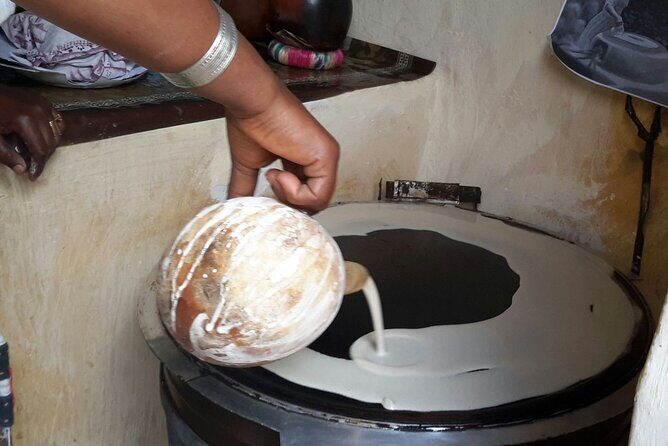
- Hilena in Sansusi: a local Addis Ababa cook who shares family-style methods in her own home kitchen
- Two-dish cooking focus: you learn how Ethiopian staples come together, then you eat as part of the family meal
- Optional market tour: a street-side neighborhood market in Sansusi, where you can buy ingredients
- Coffee at the end: Ethiopian coffee wraps up the experience after the meal
- Your group stays private: your class is just your party, even though Hilena runs a guest house
A Private Ethiopian Kitchen in Sansusi, Hosted by Hilena
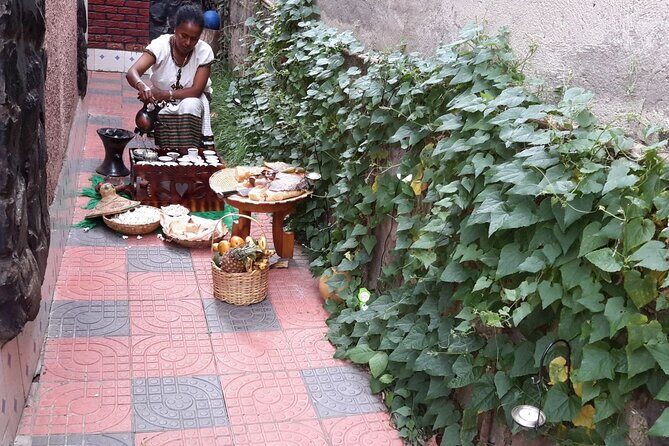
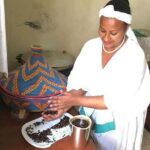
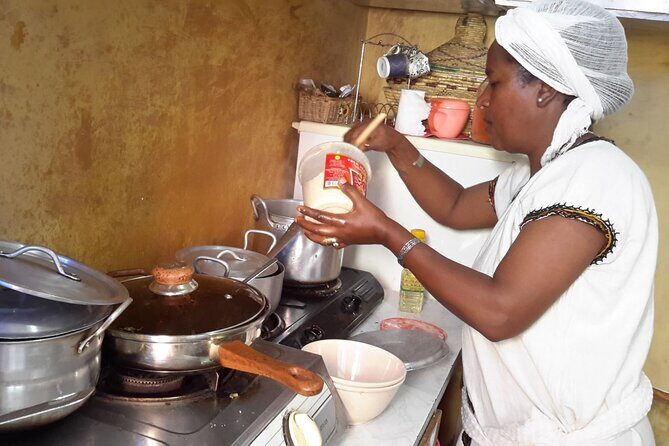
This is the kind of experience that turns food into context. Instead of a restaurant meal, you sit down inside a real Addis Ababa home setup, where you can watch how people cook and eat day-to-day. The host, Hilena, is from Addis Ababa and learned cooking from her family since childhood. That matters, because you are not just getting recipes. You are getting how recipes fit into daily life.
The class happens in Sansusi, in the outskirts of Addis Ababa, about 20 km from the airport. That distance explains why the experience includes pickup offered. Even if you are comfortable navigating the city, having someone organize the trip to a home address saves stress, especially if your time is tight.
One more nice touch: it is private for your group. Hilena runs a guest house, so you might see other people at the property, but the cooking class itself is private. In practice, that usually means you can ask questions, adjust your pace, and focus on learning rather than competing for attention.
You can also read our reviews of more private tours in Addis Ababa


What You’ll Learn and Eat: Beyaynetu, Shiro, Genfo, and Anebabero
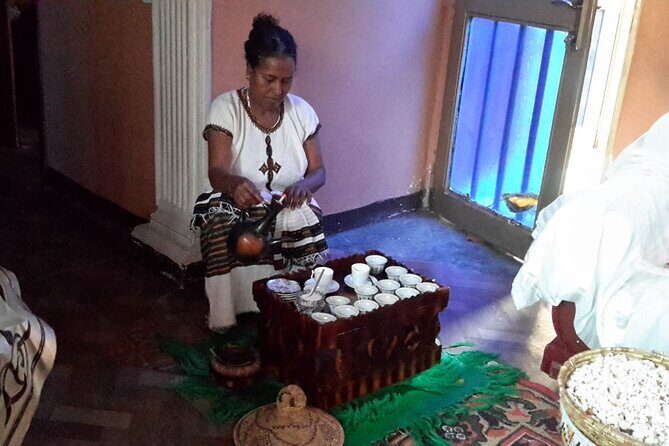
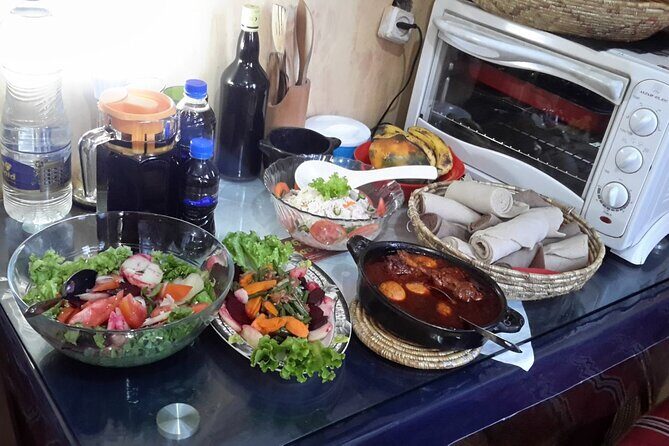
The experience is built around learning and then eating. Your session focuses on making two traditional Ethiopian dishes using Hilena’s family recipes. Then the meal you share includes key Ethiopian favorites, so you leave with both cooking skills and an actual full plate of what those dishes taste like.
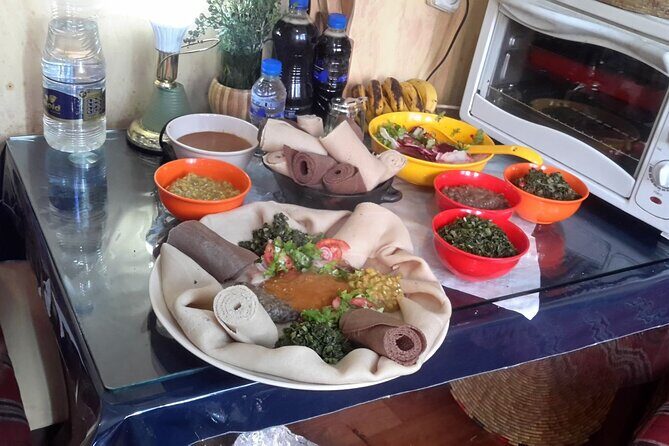
Here is what your shared meal is designed to include:
- Beyaynetu: a vegetable platter served as part of a larger Ethiopian meal format
- Shiro: a chickpea stew with the kind of thick, comforting texture Ethiopia does so well
- Genfo: a porridge-style dish you eat warm and filling
- Anebabero: Ethiopian bread served alongside the meal
Season can affect the menu, so the exact ingredients or variety may shift. But the structure stays the same: you learn Ethiopian cooking steps and then you taste the results as a complete meal, not as separate samples.
Also, if you have dietary needs, this is one of those experiences where you should speak up early. The experience notes that a vegetarian option is available, and you should advise restrictions at booking. Since the menu may vary depending on the season, giving details ahead of time is the best way to make sure you are included comfortably.
The Optional Sansusi Market Walk: What to Notice and What You Might Buy
If you choose the market tour option, you will visit a local neighborhood street-side market in Sansusi before you cook. This is not a themed market with everything arranged for tourists. It is a working place where you can see what people buy for everyday cooking.
From the market description, expect stalls that can include:
- grains
- vegetables and fruits
- live chicken and sheep
- and even clothing
You walk through, learn about what grows locally, and you may buy a few ingredients for your cooking class. For me, that is one of the smartest ways to understand the food: you connect the dish you will eat later to the ingredients you saw earlier. Even if you only buy small items, it makes the cooking feel grounded.
A practical tip: markets involve dust, standing, and lots of movement. Wear comfortable shoes you can walk in for a while. If you are sensitive to strong smells (common in food markets with livestock and spices), keep that in mind and consider bringing a light layer for comfort.
The Real Itinerary Experience: From Cooking to Coffee
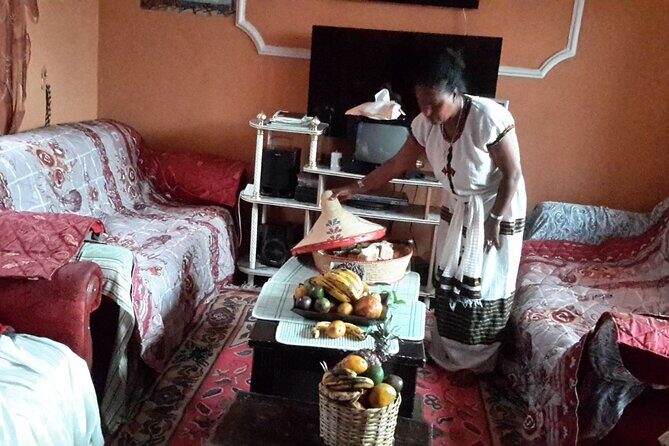
This is a 3-hour experience, and the best part is that the time is spent on an actual food flow. You are not just watching. You participate, then you eat what you made.
A typical rhythm looks like this:
1) Market time (only if you selected that option), where you get familiar with local produce and ingredients
2) Cooking class in the local home kitchen with Hilena as the teacher
3) Meal together after the cooking, where you enjoy the dishes as a full family-style setup
4) Ethiopian coffee at the end
One small detail that matters: Hilena is not very fluent in English, and her brother will be present throughout to help translate. So expect the experience to feel more like a conversation with a translator than a polished, scripted tour. That usually leads to better questions and less guessing.
Also, the cooking is described as a longer course with a lot of food in the kind of way that makes you slow down and actually enjoy the meal. You should go hungry. Plan for the class to feel substantial, not like a quick activity between sightseeing blocks.
Transfer, Timing, and Why the Sansusi Location Matters
The cooking class is not in the center of Addis Ababa. It is in Sansusi, about 20 km from the airport. That is exactly why the experience offers pickup. You are going to someone’s home on the outskirts, not to a studio in a central tourist zone.
The duration is about 3 hours, so your schedule needs a solid block. If you are stacking museums or long drives back-to-back, you may feel rushed. This class works better when you leave space for the pace of cooking and eating.
If you have limited time in Addis Ababa, this is still doable because it is not half a day. But it will feel complete. You cook, eat, and have coffee. So it is not just an activity; it is basically your meal experience.
You can also read our reviews of more cooking classes in Addis Ababa
Language Support and Dietary Needs (So Your Meal Actually Works for You)
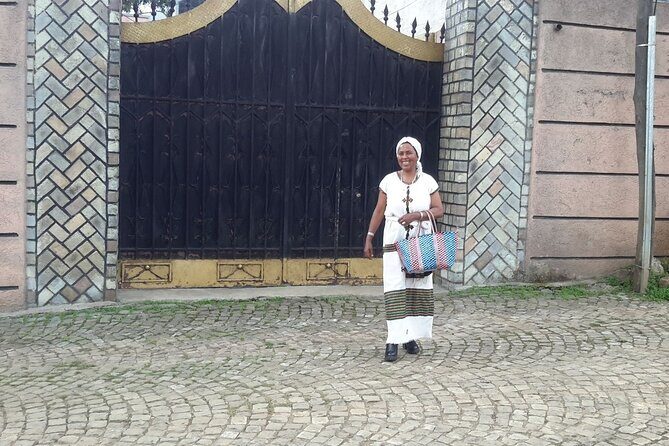
Because Hilena’s English is limited, you should think of the brother as part of the experience, not a backup. He will be present throughout to help translate, which means you can ask about ingredients, technique, and what makes each dish Ethiopian.
Dietary needs are clearly addressed. You can and should tell the provider about allergies, dietary restrictions, or cooking preferences at booking. The menu may vary with season, so details matter for planning. Vegetarian is available if you request it.
If you have strong dietary restrictions, I would treat this as a conversation you start before you arrive. If you are vegetarian, say so plainly. If you have allergies, list them clearly during booking. That gives the host the best chance to adjust the menu so you are comfortable when the food hits the table.
Comfort, Privacy, and What It Feels Like in a Home Setting
The class is private for your group, and that changes the whole vibe. In a home kitchen, privacy affects how you ask questions, how you move around, and how relaxed the host feels. Since Hilena runs a guest house, you might see other people around the property, but your cooking session stays private.
The home setting can also be a little different from a commercial cooking school. You may notice a less formal setup, more hands-on involvement, and a stronger focus on eating together. That is not a flaw. It is the point.
And one more practical consideration from the overall experience style: it is a lot of food. Expect a full meal rather than a light snack. The family welcome factor is part of the value here, too. You are joining a household process, and the best moments tend to be the ones where the host family explains and shares calmly as you cook and eat.
Coffee After the Meal: A Small Finale with Big Cultural Meaning
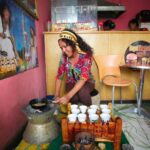
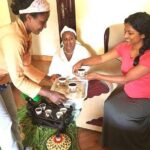
At the end of the tour, you relax with a cup of Ethiopian coffee. That sounds simple, but in Ethiopian food culture, coffee often functions like a closing chapter. It is a time to slow down, digest, and ask follow-up questions after the eating.
This also adds value because you leave with a complete cultural experience: market context (if chosen), cooking work, shared meal, and a final drink to round everything out.
Price and Value: Is $124 per Person Fair for This Kind of Class?
At $124 per person for about 3 hours, this is not a budget snack. But it also is not just a chef demonstration. You are paying for a private home setting, a host who shares family recipes, translation support, and included transfer pickup.
The value equation improves if you go as a group because the experience offers group discounts. Even if you do not have a group big enough to maximize savings, paying for private access to a real home kitchen can feel worth it, especially if you care about authenticity more than performance.
What makes the price more reasonable is that you get:
- a private cooking experience (not a large class)
- an optional market walk for ingredient context
- a full meal with several Ethiopian dishes
- Ethiopian coffee afterward
- pickup offered
In other words, you are not just buying time. You are buying a complete meal-and-learning package.
Who This Ethiopian Cooking Class Is Best For
This fits best if you want something real and practical: how Ethiopians cook, what they eat together, and how ingredients connect to the final plate.
You will likely enjoy it if you:
- want an Ethiopian cooking class in Addis Ababa that happens in a home, not a tourist kitchen
- like market experiences and want to see ingredients before cooking
- value a shared meal with the host family style
- want a vegetarian option and are willing to communicate your needs at booking
- are okay with translation support during the cooking process
You might want to think twice if you:
- dislike longer, heavier meals
- prefer highly English-heavy instruction with minimal translation
- want a very short activity that fits into tight sightseeing gaps
Should You Book Hilena’s Cooking Class in Addis Ababa?
I think you should book it if you want an experience that feels like a real household invitation, not a staged performance. The strongest reasons are the ones that show up clearly in how the class works: an attentive host family welcome, a genuinely educational cooking experience, and a full meal experience that leaves you satisfied.
Choose the market option if you love food detail and want to connect ingredients to the dishes you will cook. Skip it if your schedule is tight or you prefer to move straight to cooking.
Before you book, just do two things:
- Plan for a full course and a lot of food in a home kitchen
- Send dietary needs or allergies at booking so Hilena can adjust for you
If that sounds like your kind of day, this is a very solid way to experience Addis Ababa through cooking, eating, and coffee.
FAQ
Where does the cooking class take place?
The cooking class happens in a local home kitchen in Sansusi, on the outskirts of Addis Ababa, about 20 km from the airport. Pickup is offered.
What dishes will I eat during the class?
The meal includes house-made Beyaynetu (vegetable platter), Shiro (chickpea stew), Genfo (porridge), and Anebabero (Ethiopian bread). Menu may vary depending on the season.
Will I learn to cook Ethiopian food or just watch?
You will participate in a private cooking class where Hilena teaches you how to make two traditional Ethiopian dishes using family recipes.
Is a market visit included?
A neighborhood street-side market in Sansusi is available as an option. You will visit it only if you choose the market tour option.
What if I need a vegetarian meal or have dietary restrictions?
Vegetarian options are available. You should advise allergies, dietary restrictions, or cooking preferences at booking, since the menu may vary depending on the season.
How does language work if Hilena does not speak much English?
Hilena is not very fluent in English, so her brother will be present throughout the experience to help translate.
What is the refund policy if plans change?
You can cancel up to 2 days in advance for a full refund. If you cancel less than 2 days before the experience’s start time, the amount you paid will not be refunded.