REVIEW · ADDIS ABABA
Addis abeba Full Cooking class.
Book on GetYourGuide →Operated by vowland ethiopia tour · Bookable on GetYourGuide
Addis Ababa food tastes better when you make it yourself. This 4-hour experience pairs a hands-on injera lesson with a real Ethiopian home kitchen, plus the Ethiopia coffee ceremony run with freshly roasted beans. I especially love the way you get to cook and then eat what you make, and I like that the day also includes time at the National Museum to see Lucy the famous hominid fossil. One thing to consider: the injera dough ferments for days before baking, so you learn the process and bake, but you won’t be starting a fermentation from scratch on the spot.
You’ll go in a small group (up to 7), with English or French support, and pick-up is included from the airport or your hotel. If you’re short on time in Addis, this format makes the city feel personal fast—markets, museum, then cooking—without turning the afternoon into a long day.
In This Review
- Key things that make this class worth your time
- How the day flows: market views, Lucy, then the home kitchen
- Baking injera like a local: the fermented batter detail you shouldn’t skip
- Shiro wot in the same session: learning the stew that drives the plate
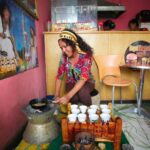
- The coffee ceremony: freshly roasted beans, and a ritual you can understand
- What you’re actually getting for $90 (and why it can be worth it)
- Logistics that matter: timing, group size, and how you’ll be picked up
- Etiquette and practical tips for a smoother experience
- Who this tour is for (and who might want a different plan)
- Should you book the Addis Ababa Full Cooking Class?
- FAQ
- What is the duration of the Addis Ababa full cooking class?
- How much does it cost?
- Is pick-up available, and where does it start?
- What’s included in the price?
- What languages are the guides available in?
- Is the group size small?
- Are there any restrictions on what I can bring or do?
- Is breakfast or dinner included?
Key things that make this class worth your time
- Small group (max 7) keeps the home-kitchen workflow from feeling rushed
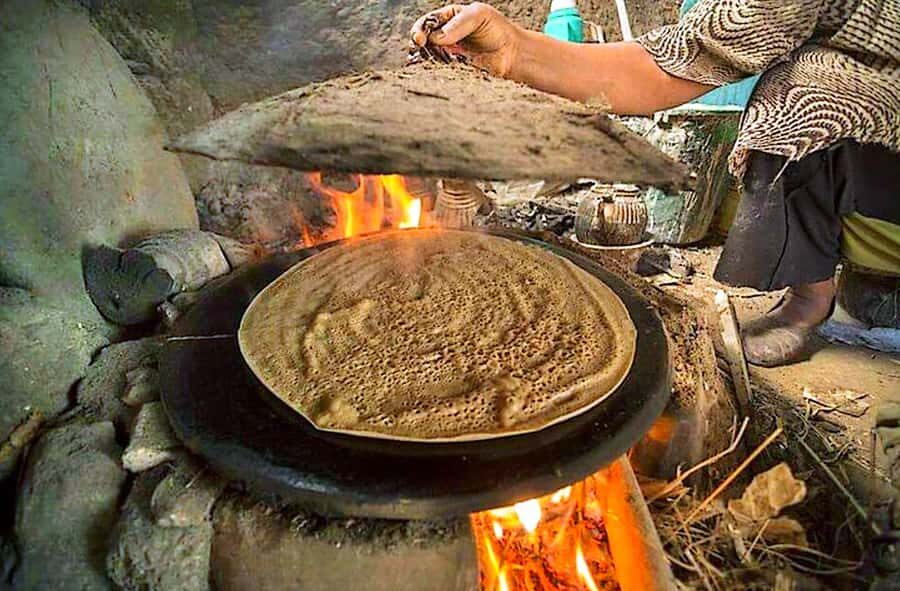
- Injera practice with the right texture and the slightly sour fermented character
- Shiro wot cooking: you learn to make a spicy puréed chickpea stew and eat it
- Coffee ceremony at home using freshly roasted beans, not instant or a demo-only setup
- National Museum visit for Lucy, Ethiopia’s best-known hominid fossil stop
How the day flows: market views, Lucy, then the home kitchen
This experience is built like a quick storyline of Addis Ababa: you start with a feel for daily life, then you get a major cultural anchor point, and only after that you slow down to cook.
You’re met by your guide and driven into the city, with an included pick-up option either from the airport (they’ll be waiting for you with banners with your name) or from your hotel. The first big stop is Shola market, a place where thousands of people sell their own products every day. Even if you’re not shopping, the market gives you instant context for what you’re about to taste—spices, staples, and the rhythms of local food supply.
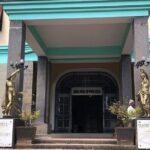
From there, you spend time exploring Addis with your guide and then head to one of the most famous museums in Ethiopia: the Ethiopia National Museum. The reason this stop matters is simple: you’re not only passing time between activities. You’re visiting the site where you can see Lucy, the well-known hominid fossil, which turns a cooking class into something larger than food. It’s a good contrast day: museum gravity in the morning, and hands-on cooking afterward.
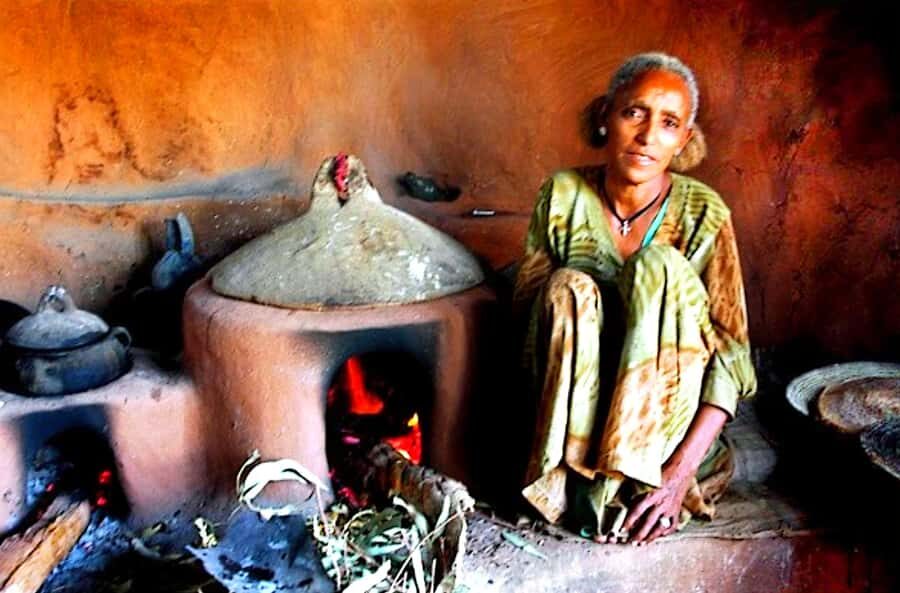
Then comes the best part: you go to a local home kitchen to cook with Abraham and Selam. Reviews repeatedly praise Abraham’s role as the instructor and Selam’s role as the host, teaching you in the space where the cooking happens day to day. With a small group size, you’re not stuck watching from the side.
You can also read our reviews of more cooking classes in Addis Ababa
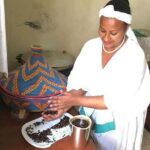
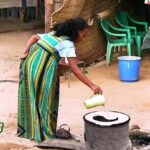
Baking injera like a local: the fermented batter detail you shouldn’t skip
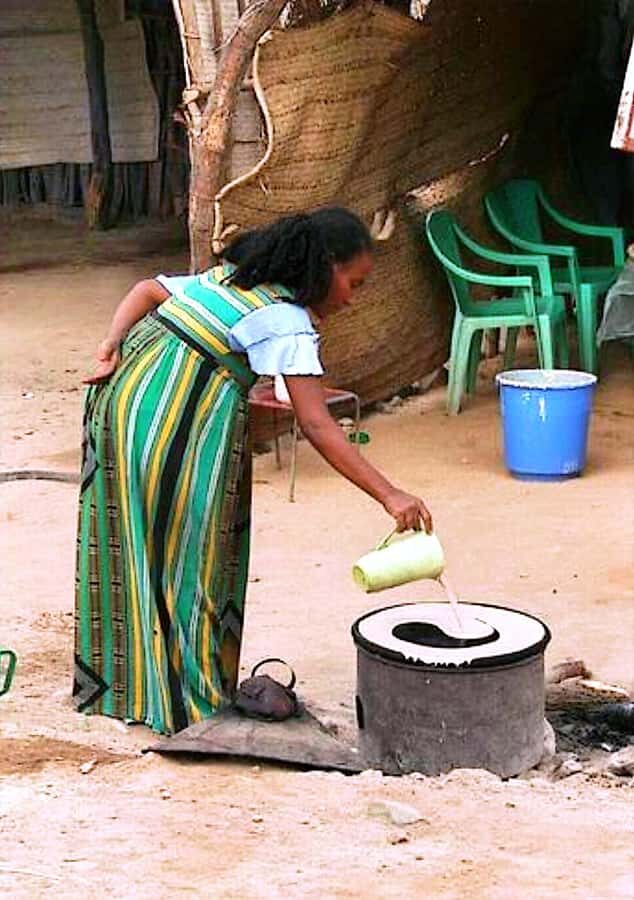
Injera is one of those foods that can seem mysterious until you stand over it and watch how it behaves. The class focuses on how Ethiopian injera is made and baked, and it pays attention to the texture that makes it what it is.
Here’s what you’ll learn and what you should keep in mind:
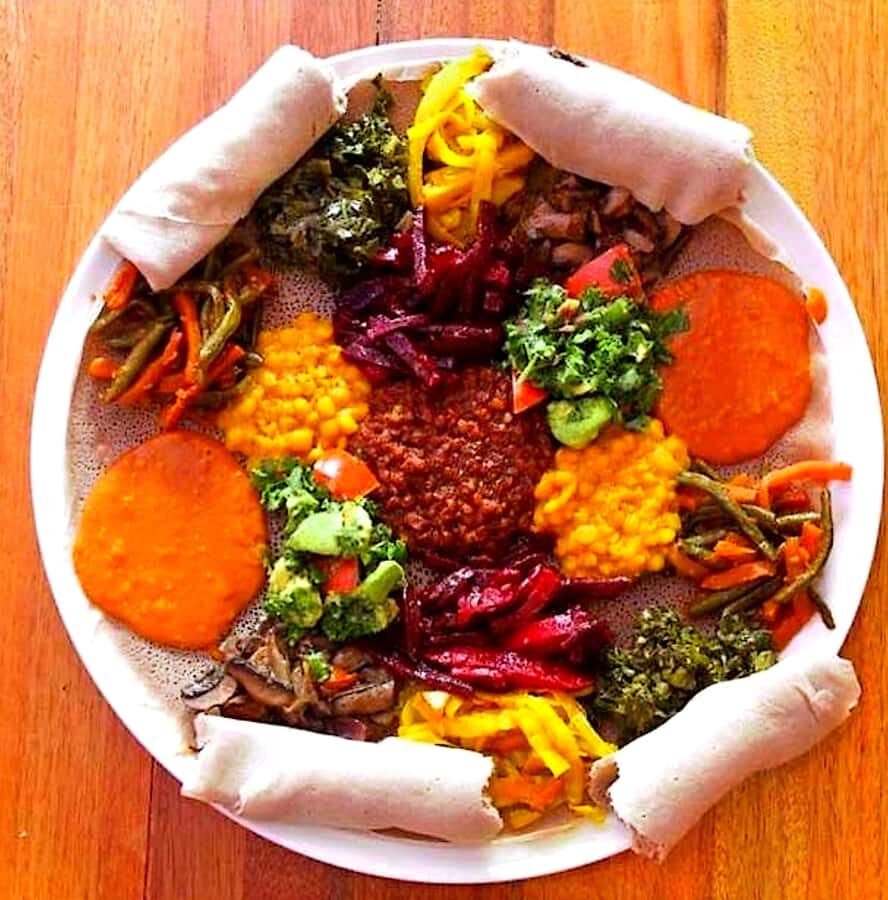
You’ll work with injera batter that’s fermented ahead of time (in Ethiopian practice, it ferments for three days before cooking). That fermentation is what creates the characteristic foam-textured surface and the lightly sour taste. This detail matters because many visitors expect something like a flatbread or crepe. Injera is different. It’s tangy, springy, and designed to be eaten with stew rather than treated like a side dish.
You’ll also see that injera comes in different colors—white, brown, and red. Even if the class is focused on what you’ll bake and eat during your session, the color varieties help you understand injera as a food system, not just one recipe.
Most importantly, you’re not just tasting—you’re baking. You’ll be actively involved in the cooking steps in the home kitchen. That hands-on part is what turns injera from an item on a restaurant menu into a skill you can recognize and appreciate.
Practical note: injera cooking can be a bit of a sensory lesson. You’ll learn how batter smell, heat, and timing all affect the final result. Bring your camera if you like food photos, but don’t expect every step to be easy to photograph—home kitchens have their own pace.
Shiro wot in the same session: learning the stew that drives the plate
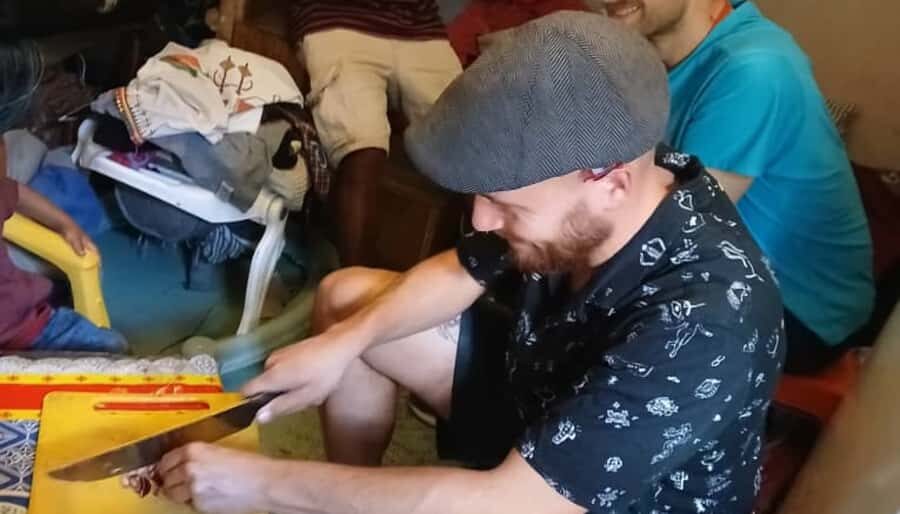
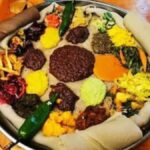
After injera, you move into one of Ethiopia’s most popular dishes: Shiro wot, a spicy puréed chickpea stew. This is a great pairing with injera because shiro wot is meant to be eaten with the bread, pulling flavor from underneath and building a bite together.
During the class, you learn how to cook shiro wot alongside your hosts. And you should go into this expecting heat and seasoning to be part of the learning curve. The stew is described as spicy, and the puréed texture means you’re working toward a smooth, thick consistency rather than chunky pieces.
Why I think this part is such good value: you’re not just learning one recipe. You’re learning how Ethiopia builds a meal. Injera isn’t separate food. It’s the base. The stew isn’t a garnish. It’s the flavor engine that makes you want to keep eating with your hands and breaking pieces off.
At the end, you taste what you cooked. That’s key. If you ever feel frustrated in cooking classes where you do the steps and then don’t eat, this session fixes that. Here, the whole point is to end by sampling your own injera and shiro wot as an actual meal.
The coffee ceremony: freshly roasted beans, and a ritual you can understand
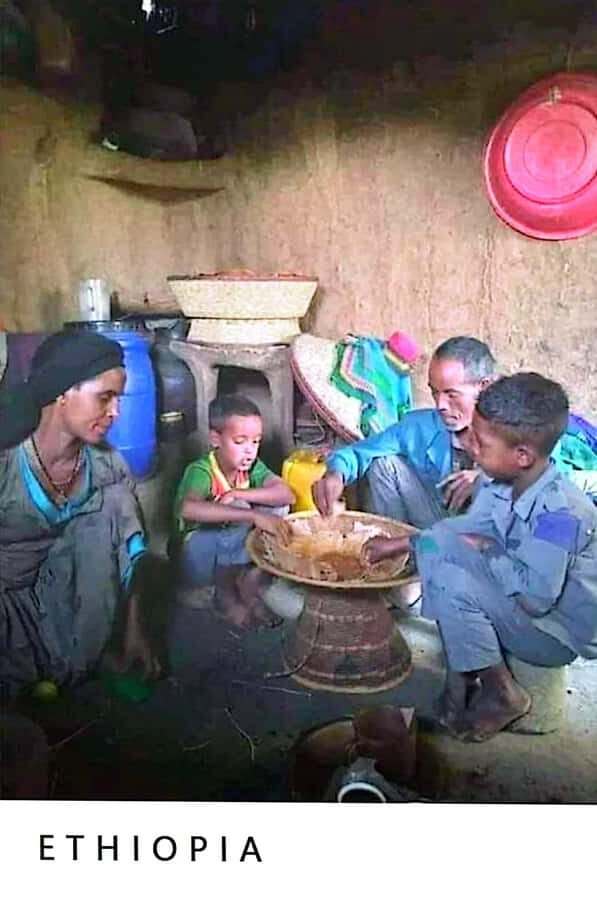
Then you shift to coffee. Ethiopia isn’t only famous for coffee—it’s famous for coffee culture, and this class includes a coffee ceremony-style experience with freshly roasted coffee beans.
You’ll learn how to make a coffee as part of the ceremony, using help from your host. The class specifically highlights freshly roasted beans, which is the difference between coffee that tastes like coffee and coffee that tastes like an aroma you can place and remember.
Even if you don’t consider yourself a coffee expert, this part works for two reasons:
First, you’re seeing the process, not just being served a cup. That makes it easier to understand why Ethiopian coffee is treated as something more than a caffeine routine.
Second, it connects back to your meal. After you cook and eat injera and stew, coffee becomes a finish, not an afterthought. You leave with the full cycle: cook, taste, then cap it off with a hot drink made from beans roasted specifically for the moment.
What you’re actually getting for $90 (and why it can be worth it)

This class costs $90 per person and runs for about 4 hours. That may sound like a lot for a “cooking lesson” until you look at what’s included and how the time is structured.
Included in the price are:
- airport or hotel pick-up and drop-off
- lunch
- full cooking classes for injera and shiro wot
- a full coffee class/ceremony
- entrance fee
So you’re paying for more than a recipe. You’re paying for transport, access, the museum entrance connected to Lucy, and a whole guided home-kitchen experience for a small group of up to 7.
Is the price perfect? If you plan multiple cooking experiences while you’re abroad, this one might feel pricier than an ultra-basic class. One review notes the price could be cheaper. But that same comment makes an important point: if you’re only in Ethiopia for a short stay, you get a lot of “real Addis” in one compact window—market vibes, Lucy at the National Museum, then a genuine cooking home session.
If you’re the kind of traveler who loves authentic experiences and wants something more personal than a restaurant stop, the value clicks. If you want a long cooking course where you can practice for hours and build a big take-home skill, you may find 4 hours short.
A few more Addis Ababa tours and experiences worth a look
Logistics that matter: timing, group size, and how you’ll be picked up
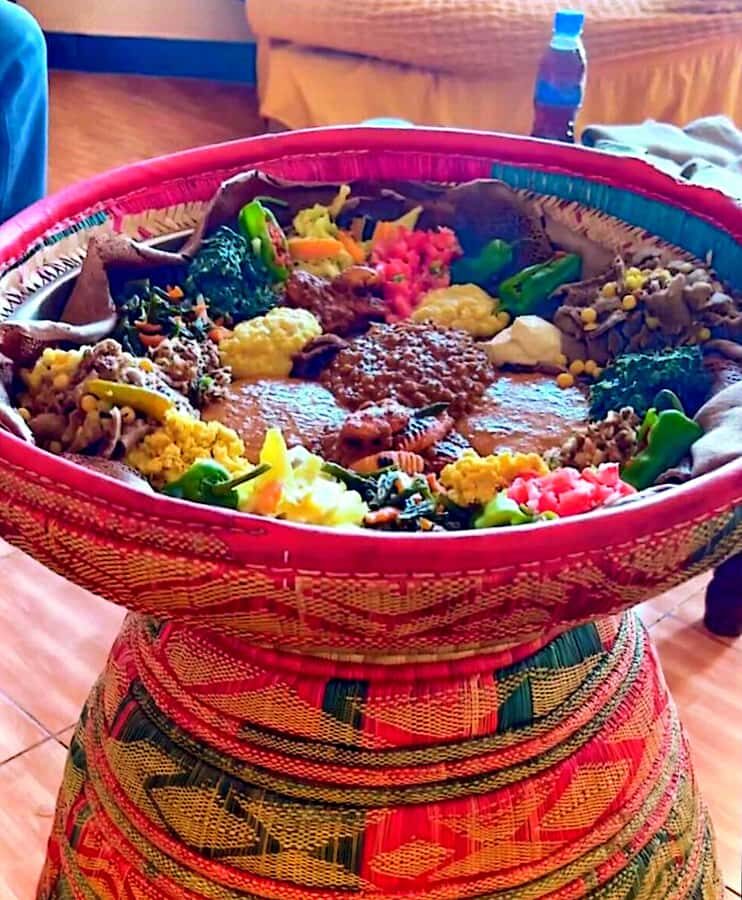
Because it’s a small group (limited to 7 participants), you’ll usually get more attention than you would in a large bus tour. In a home kitchen, that matters. It helps you get real participation, not just passive watching.
Also, the duration is listed as 4 hours and depends on starting times. That means you should plan your day with a little buffer so you don’t feel rushed before pick-up.
You’ll be met either at the airport with a name banner or at your hotel. That detail is surprisingly useful in Addis Ababa, where finding your driver can otherwise cost you time and stress. You don’t have to solve logistics first—you just meet and go.
Languages offered are English and French through a live tour guide, which helps if your comfort level with Amharic is limited.
A small but important consideration: this is not for everyone. The tour isn’t suitable for people over 95 years. Also, bring comfortable shoes and warm clothing, plus a camera if you want to capture the food and the day.
Etiquette and practical tips for a smoother experience
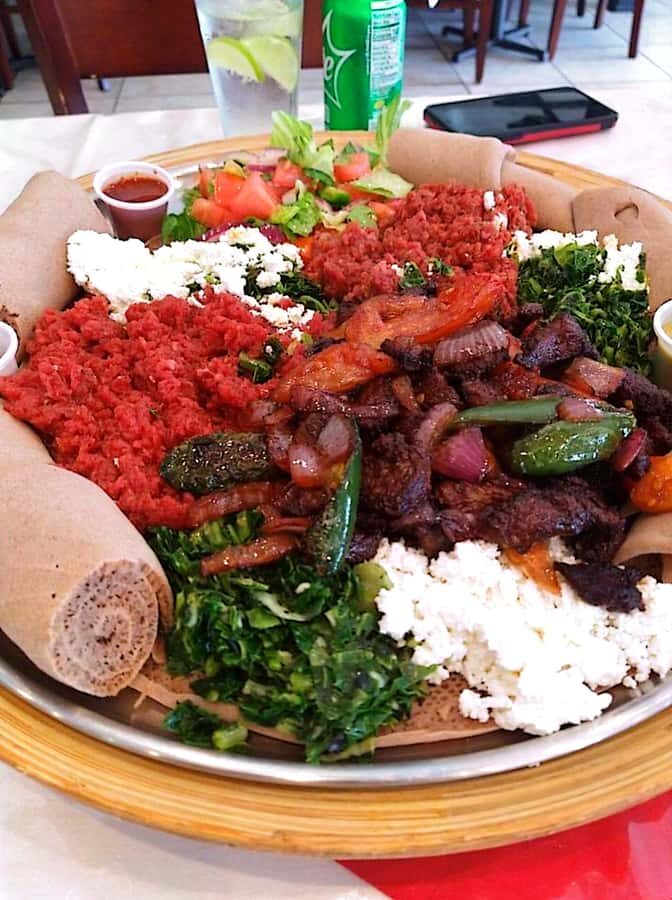
The tour’s rules are straightforward: no alcohol and no drugs. You’ll likely also notice that home settings run on comfort and respect rather than tourist formalities.
Here are tips that help you get the most out of the cooking portion without slowing the group down:
- Come ready to roll up sleeves. You’ll be baking and cooking, not just standing by.
- Wear shoes you can move in. Even when most tasks are indoors, kitchen and market movements add up.
- Keep your questions short and focused. If you’re curious about injera fermentation, colors, or shiro wot seasoning, ask while you’re actually cooking—timing makes the answers clearer.
- If coffee is your thing, pay attention during the steps. Coffee made with freshly roasted beans is where the difference really shows.
Also, since breakfast and dinner aren’t included, plan a full meal before or after depending on your schedule. Lunch is included, and it’s built around what you cook.
Who this tour is for (and who might want a different plan)
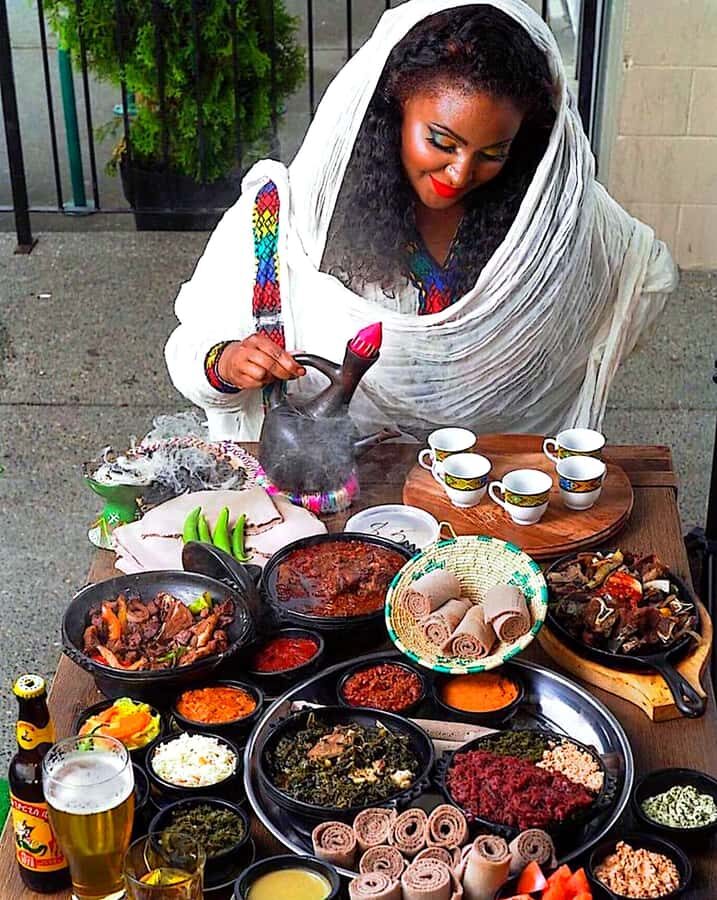
This cooking class is best for you if:
- you want hands-on Ethiopian food skills, especially injera and shiro wot
- you like cultural context, so adding Lucy at the National Museum isn’t a distraction
- you’re traveling with limited time and want a full day arc in 4 hours
- you prefer small groups and home-hosted experiences over large group dining
It might not be the best fit if:
- you’re looking for a long, slow cooking workshop
- you want a class where you start every ingredient from scratch (injera fermentation is described as being done over three days, so the class focuses on baking and cooking steps you can do during your session)
- you have mobility limitations that would make market walking and home-kitchen movement difficult
Should you book the Addis Ababa Full Cooking Class?
I’d book it if your goal is a real Ethiopia day—not just a meal, not just museum photos, but a combined experience that connects place and food. The pairing of Shola market and Lucy at the National Museum with a home kitchen led by Abraham and Selam is the main reason this works. You leave with food you made and a story you can tell that goes beyond a restaurant order.
If you’re sensitive to the idea that injera fermentation isn’t something you’ll personally start from day one, you should be okay with that expectation as long as you focus on learning the baking and tasting. And if the $90 price feels high, justify it by your time savings: pick-up, entrance, lunch, two cooking lessons, and coffee all in one compact block.
FAQ
What is the duration of the Addis Ababa full cooking class?
The experience runs for 4 hours.
How much does it cost?
The price is $90 per person.
Is pick-up available, and where does it start?
Yes. You can be picked up from the airport or from your hotel, and drop-off is included.
What’s included in the price?
It includes lunch, full cooking classes for injera and shiro wot, a full Ethiopia coffee class, entrance fee, and the airport/hotel pick-up and drop-off.
What languages are the guides available in?
The live tour guide offers English and French.
Is the group size small?
Yes. It’s a small group limited to 7 participants.
Are there any restrictions on what I can bring or do?
Alcohol and drugs are not allowed.
Is breakfast or dinner included?
No—breakfast and dinner are not included (lunch is included).