REVIEW · ADDIS ABABA
Ethiopian Cooking Class and Coffee Ceremony with a Local in Addis with transfers
Book on Viator →Operated by Traveling Spoon · Bookable on Viator
Addis Ababa tastes like a story you can eat. This Ethiopian cooking class and coffee ceremony is a home-kitchen experience where you learn injera and regional dishes, then finish by roasting coffee with Daniel and Tigist in their Addis home. I especially like the hands-on format (you cook, not just watch) and the way Daniel turns food into conversation—food, history, even politics—while explaining what you’re making.
The main thing to consider is that this isn’t a polished, commercial show. It’s a visit into a real household kitchen, and on weekends Daniel and Tigist’s three boys may join in, so the pace feels more like joining a family than touring a restaurant.
In This Review
- Key things that make this Addis experience worth it
- Addis Ababa at 3:30 pm: timing and how transfers help
- Daniel and Tigist: why a home visit changes the whole class
- Inside the home kitchen: the 1.5–2 hour cooking flow
- Menu flexibility (and what you should ask for)
- Shiro vs. tibs: what these teach you about Ethiopian flavor
- Injera technique: the real skill most classes skip
- Coffee roasting and the traditional coffee ceremony after your meal
- What’s included (and why it’s good value here)
- Who should book this Ethiopian cooking class and coffee ceremony?
- Practical considerations before you go
- Should you book this Addis Ethiopian cooking class and coffee ceremony?
- FAQ
- What time does the Ethiopian cooking class and coffee ceremony start?
- Where does the class take place?
- How long is the cooking part, before the coffee ceremony?
- Are vegetarian options available?
- Can you request additional dishes?
- Is it private for just my group?
- Can I cancel and get a refund?
Key things that make this Addis experience worth it
- Private home setting: Only your group participates, and you learn in Daniel and Tigist’s kitchen.
- Real skill, not just recipes: You’re taught how to pour and cook injera.
- Pan-Ethiopian menu variety: Even though they’re from Oromia, the cooking covers dishes from across Ethiopia.
- Coffee ritual you actually do: Roast coffee beans and follow the traditional ceremony after the meal.
- English-friendly hosting: Daniel speaks perfect English and shares cultural context as you cook.
Addis Ababa at 3:30 pm: timing and how transfers help
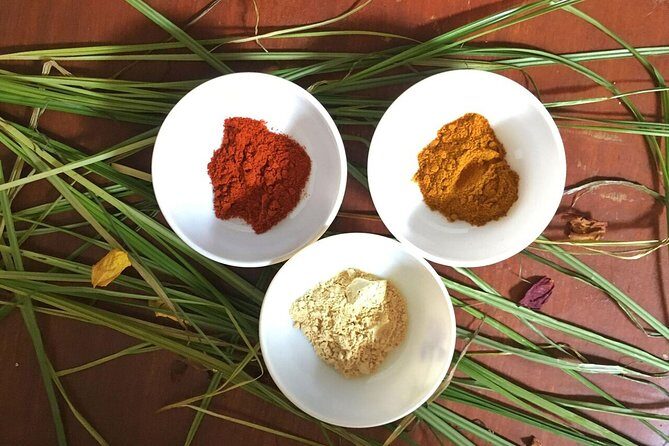
This experience starts at 3:30 pm and runs about 4 hours total. That late-afternoon timing is smart in Addis because you’re not trying to cram it between busy morning appointments and afternoon traffic. You end your day with coffee—so it works like a cultural snack-and-dinner event rolled into one.
The trip includes hotel pickup and drop-off, which matters here. Addis has plenty to see, but you don’t want logistics stress eating into your class time. With transfers handled, you can focus on the food and ask Daniel questions as you travel to their neighborhood.
You can also read our reviews of more cooking classes in Addis Ababa
Daniel and Tigist: why a home visit changes the whole class
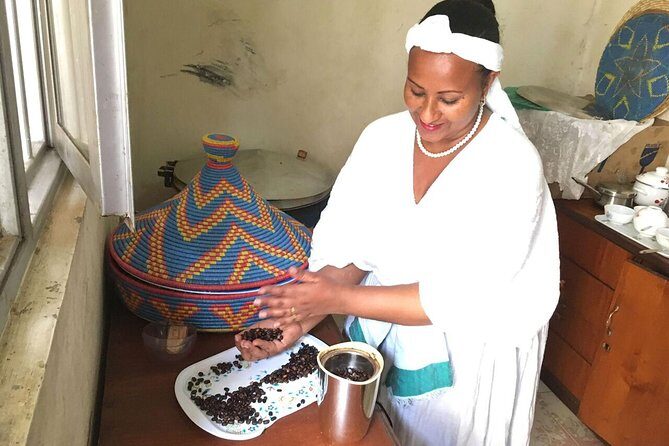
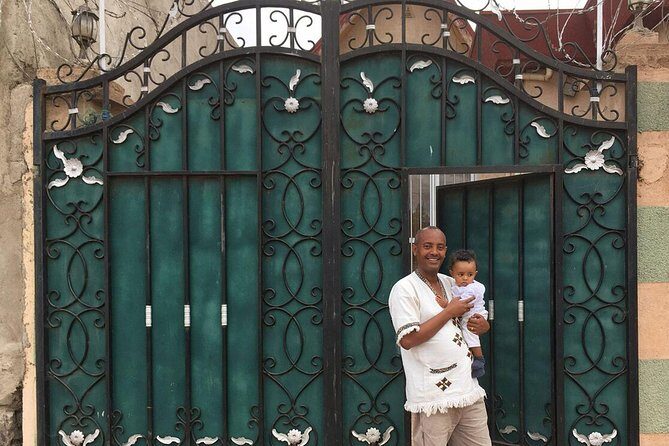
You’re not booking a cooking school with a single standardized script. Daniel and Tigist cook in their own home kitchen, and the hosts set the tone for the entire experience.
A few details make this feel personal:
- Tigist grew up cooking by helping her mother at home, then ran her own kitchen after marrying Daniel.
- Daniel has a master’s degree in Social Anthropology and has been a tourism professional for over a decade, leading trips around Ethiopia.
- Daniel speaks perfect English, and he enjoys discussing everything from food and history to politics.
That background shows up in how the meal feels. Instead of just getting instructions, you also get meaning—why certain spice mixes work a certain way, how injera fits into Ethiopian eating, and what coffee rituals represent in daily life.
One more useful point: Daniel and Tigist are from the Oromia region, but they love cooking dishes from around Ethiopia. So you’ll get a mix that feels broader than one regional style.
Inside the home kitchen: the 1.5–2 hour cooking flow
Your cooking class lasts about 1.5 to 2 hours, and you’ll cook alongside your hosts. The center of gravity is injera and whatever main dish Tigist has planned (the menu can vary by season).
Here’s the typical flow:
- Getting oriented and working with injera
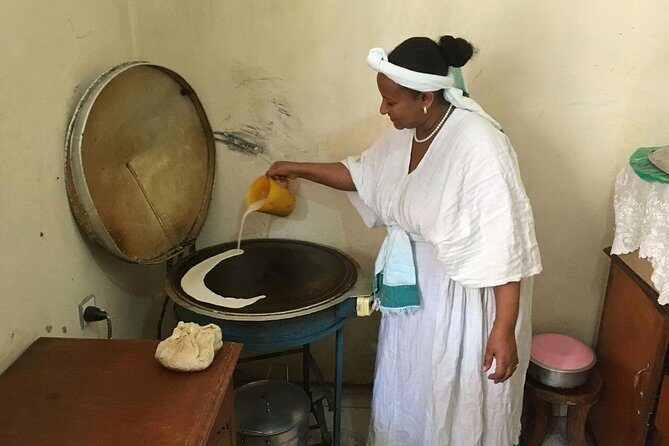
Tigist shows you how to pour and cook injera. That “how” is the whole point—injera isn’t just a flatbread you assemble; it’s a batter technique. You’ll learn the rhythm of pouring so the cooking surface sets correctly, and how to manage the pan so it cooks the way it should.
- Cooking a traditional stew or stir-fry
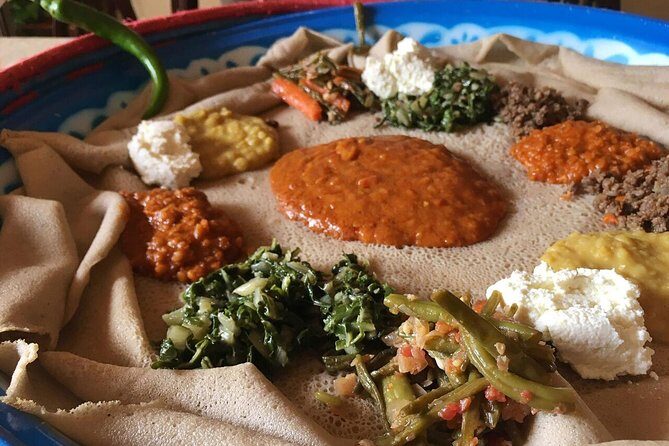
Depending on what’s on the menu, you may learn shiro (chickpea or broad bean stew) or tibs (stir-fried meat with vegetables and spices). Both are classic Ethiopian choices for a reason: they teach you how Ethiopian seasoning behaves in a pot—spices that bloom, sauces that cling, and flavors that build as the dish simmers.
- Turning it into a meal you can eat right away
After cooking, you sit down and enjoy what you made. Eating from what you cooked gives the instructions meaning fast, because you immediately notice textures and how spices taste in real food, not just in the pan.
Menu flexibility (and what you should ask for)
The menu may vary depending on the season. If you have a strong preference for an additional dish, you can include it in advance when booking—just note it will extend your cooking time. That’s ideal if you’re a serious foodie and want more practice, not just one dish.
If you’re vegetarian, there’s a vegetarian option—tell the provider when you book. And if anyone has allergies or dietary restrictions, you should advise at booking so Tigist can plan safely.
Shiro vs. tibs: what these teach you about Ethiopian flavor
If you land on shiro, you’re working with a dish that’s all about thick comfort and spice depth. Since shiro can use chickpeas or broad beans, it’s a great “flavor training” dish. You learn how to build a stew that’s rich enough to stand on injera, not just taste good on the side.
If you land on tibs, you get a different lesson. Tibs is stir-fried, so it rewards timing—spices need contact with the pan, vegetables need the right treatment, and the meat (if used) should stay tender. Even if you’re not taking the exact recipe home, you’ll understand the method: Ethiopian cooking often mixes slow warmth (in stews) with fast spice work (in stir-fries), and both fit together on a single table.
Either way, the big practical win is that you’re not guessing. Tigist guides you, and you leave with a sense of what to look for in texture and smell—not just a list of ingredients.
A few more Addis Ababa tours and experiences worth a look



Injera technique: the real skill most classes skip
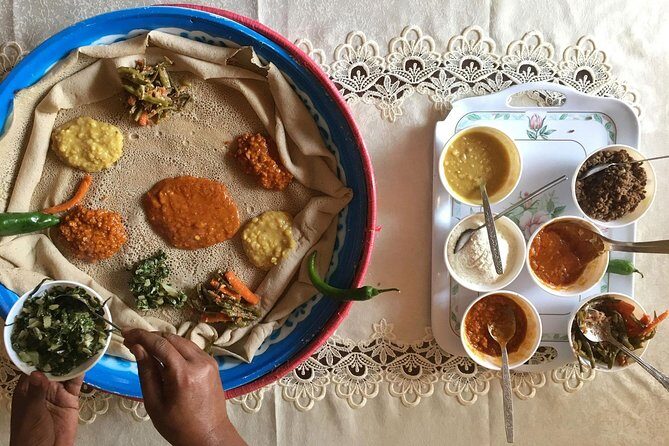
Plenty of cooking experiences in other countries hand you injera as a side. Here, Tigist teaches you how to pour and cook it. That’s the difference between eating Ethiopian food and learning Ethiopian food.
Injera is a central Ethiopian staple used to scoop stews and sauces. It also has a distinctive spongy texture that changes how flavors land on your palate. When you make it yourself, you start noticing how the surface texture matters—how it absorbs sauce, how it holds spice, and how it supports a messy, satisfying meal style.
Practical tip for your comfort: don’t worry about perfection. Your goal is understanding the process. Tigist’s teaching style is the kind that makes mistakes part of learning—because you’re cooking in a home kitchen, not performing in front of a crowd.
Coffee roasting and the traditional coffee ceremony after your meal
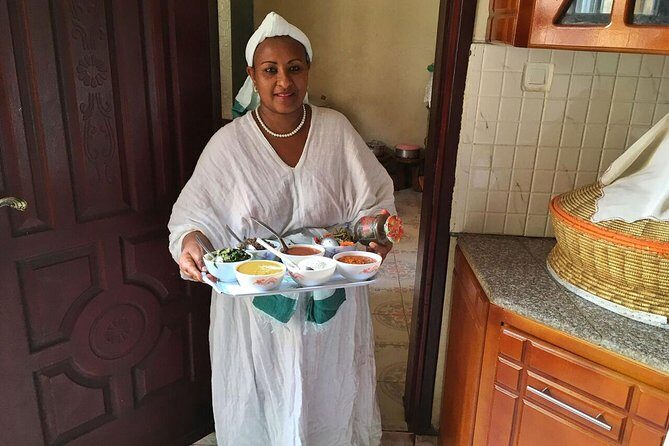
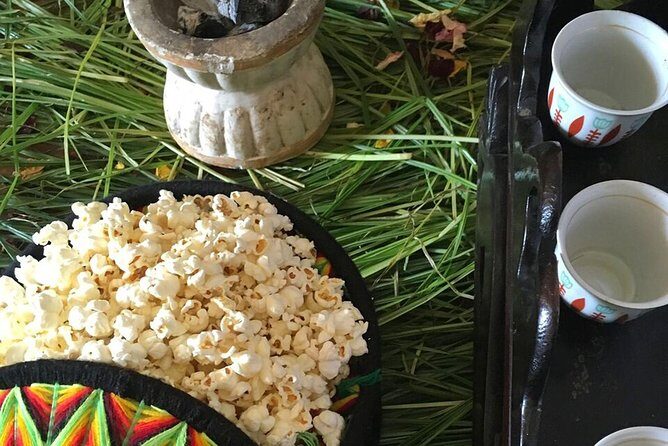
After the meal, the experience shifts from cooking to coffee. You’ll learn to roast coffee beans, then take part in a traditional coffee ceremony in coffee’s birthplace.
This part matters more than it sounds. Coffee ceremony isn’t only about caffeine; it’s a social ritual with a sequence, and it’s part of how Ethiopians slow down and share time. So when you roast the beans yourself, you connect the smell and taste to the work—not just the final cup.
You also get coffee and/or tea as part of the experience. That’s useful because you can pair the ceremony with the meal you just ate, and you’ll understand why Ethiopians treat the coffee moment as its own chapter.
What’s included (and why it’s good value here)
At $154 per person, this isn’t the cheapest cooking class in town. But it also isn’t a factory-style workshop. You’re paying for:
- Private instruction in a home kitchen
- Transfers (hotel pickup and drop-off)
- The cooking class and the meal with your host
- Beverages, plus coffee and/or tea
- Bottled water
- All taxes, fees, and handling charges
- Gratuities included
That bundle is where the value shows. Many “cheap” options exclude key items and nickel-and-dime you with extra fees, or you end up paying for transportation on top. Here, the pricing includes the whole arc—getting you there, feeding you, teaching you, then sending you back.
Alcoholic drinks are not included, so if you want that part of the evening, you’d need to plan separately. But for a coffee ceremony-focused afternoon, that usually isn’t the priority.
Who should book this Ethiopian cooking class and coffee ceremony?
This suits you best if you want:
- A cultural cooking experience, not a commercial demo
- Hands-on teaching with injera and at least one main dish
- Coffee as a ritual, not an afterthought
- A relaxed setting where Daniel can talk with you as you cook
It’s especially good for couples or small groups who like asking questions and want a personal pace. It also works for food lovers who plan to eat in Addis anyway—this gives you context for what you’ll notice later when you order Ethiopian dishes outside.
If you’re traveling solo, the private format can still feel warm and focused, since it’s your group only.
Practical considerations before you go
A few smart things to consider so you’re comfortable and get the most out of the afternoon:
- Home kitchen pace: Since it’s a household experience, the setup is likely casual. That’s part of the charm, but it’s good to expect a real home rhythm rather than a staged studio.
- Seasonal menu changes: Your dish choices may depend on what’s available. If you care about a specific option, you can ask in advance—especially if you want an extra dish added.
- Allergies and dietary needs: If anyone in your party has allergies or a dietary preference (vegetarian is available), you must share it when booking.
- Weekend possibility: Daniel and Tigist’s three boys may join during weekend experiences. If you prefer quieter settings, consider booking on a weekday.
Should you book this Addis Ethiopian cooking class and coffee ceremony?
I’d book it if you want an authentic Addis experience where your hands actually do the work. The combination of injera technique, a classic Ethiopian dish (shiro or tibs), and a coffee ceremony where you roast the beans gives you real skills and real context—not just a meal.
Pass if you’re looking for a highly structured, professional kitchen environment with strict timing and zero family-life interruptions. This is a local home visit, and that’s the point.
If you want one afternoon that connects food, coffee, and culture in a way that actually sticks, this is a strong pick.
FAQ
What time does the Ethiopian cooking class and coffee ceremony start?
It starts at 3:30 pm and lasts about 4 hours total.
Where does the class take place?
Your cooking class happens in Daniel and Tigist’s home kitchen in Addis Ababa.
How long is the cooking part, before the coffee ceremony?
The cooking class is about 1.5 to 2 hours.
Are vegetarian options available?
Yes. A vegetarian option is available, but you should tell the provider when you book.
Can you request additional dishes?
Yes, you can request an additional dish when booking. It will extend the cooking time.
Is it private for just my group?
Yes. It’s private, personalized, and only your group participates.
Can I cancel and get a refund?
You can cancel up to 2 days in advance for a full refund. Within 2 days of the start time, the amount paid is not refunded.