REVIEW · ADDIS ABABA
Ethiopian Culinary Tour – Market, Coffee Ceremony and More
Book on GetYourGuide →Operated by myGuzo Ethiopia Tours · Bookable on GetYourGuide
A coffee lesson with a food-filled city course. This Ethiopian Culinary Tour strings together Merkato spices, injera baking, and a real traditional coffee ceremony, all in Addis Ababa, with stops built around flavor you can smell before you taste. I like that it’s not just watching. You do the making, you ask questions, and you sample along the way.
I also like the built-in variety: Tomoca-style Italian coffee and macchiato to start, then the open-air market where you practice bargaining, and a tej honey-wine bar to finish. One possible drawback: it’s a full 6-hour day with market walking and hands-on food work, so comfy shoes and a little patience for crowds help.
In This Review
- Key highlights worth marking on your mental map
- Tomoca Coffee Shop Start: Italian-style meets Ethiopian arabica
- Merkato’s spice market: the real work of smelling and bargaining
- Injera baking workshop: hands-on learning for a spongy, essential staple
- Coffee ceremony: the step-by-step tradition you can actually picture
- Tej honey-wine bar: sweet fermented honey, served in a local way
- Lunch at the first Ethiopian hotel: vegetarian buffet that hits the spot
- How the tour pacing actually works in 6 hours
- Price and value: why $85 can make sense here
- Who should book this, and what to do before you go
- Should you book this Ethiopian culinary tour?
- FAQ
- FAQ
- How long is the Ethiopian Culinary Tour?
- What does the tour cost?
- Is pickup and drop-off included?
- What food and drinks are included?
- Does the tour run in bad weather?
- What should I bring?
- What if I need to cancel?
Key highlights worth marking on your mental map
- Merkato spice market: Addis Ababa’s biggest open-air market experience, with lots to see and bargain over
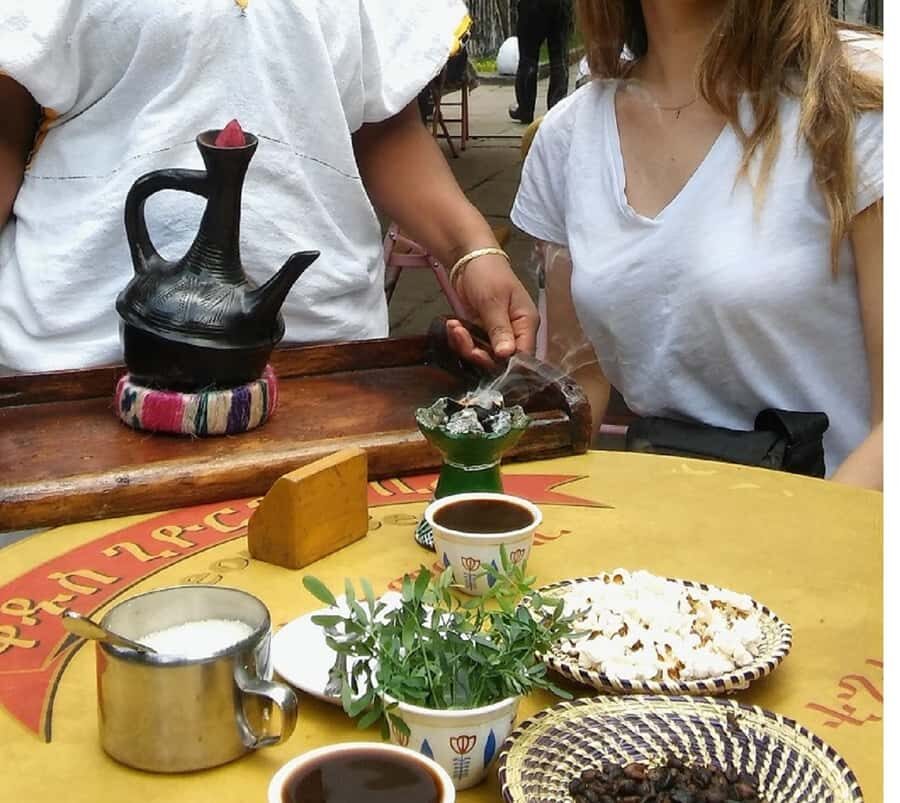
- Traditional coffee ceremony: step-by-step roasting and brewing the Ethiopian way
- Injera baking workshop: learn the spongy texture and try your own batch
- Tej honey-wine bar: sample a traditional fermented honey drink similar to mead
- Oldest-hotel buffet lunch: practical, satisfying fuel before the next tasting
Tomoca Coffee Shop Start: Italian-style meets Ethiopian arabica
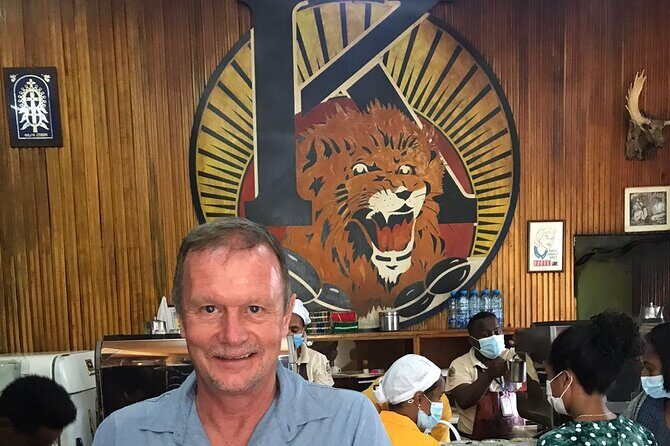
You begin with coffee, and not the generic kind. The tour starts at a Tomoca Coffee shop where you try an Italian-style coffee and macchiato made with Ethiopian arabica beans. It’s a smart warm-up because it sets a baseline. You get to notice the difference in aroma and taste before the day gets more traditional and more intense.
This opening stop also helps you get your bearings in Addis Ababa. Coffee is a low-stress start: you’re sitting, observing, and syncing your senses. Then, once you step into the market later, you’re not just “shopping around.” You’re already tasting and thinking in flavor categories.
If coffee is your thing, this stop is the kind of detail that usually gets missed on city tours that treat food as an afterthought. Here, the day’s theme is clear from minute one. And if coffee is not your thing, it’s still a good way to kick off without committing to a long tasting session right away.
You can also read our reviews of more shopping tours in Addis Ababa


Merkato’s spice market: the real work of smelling and bargaining
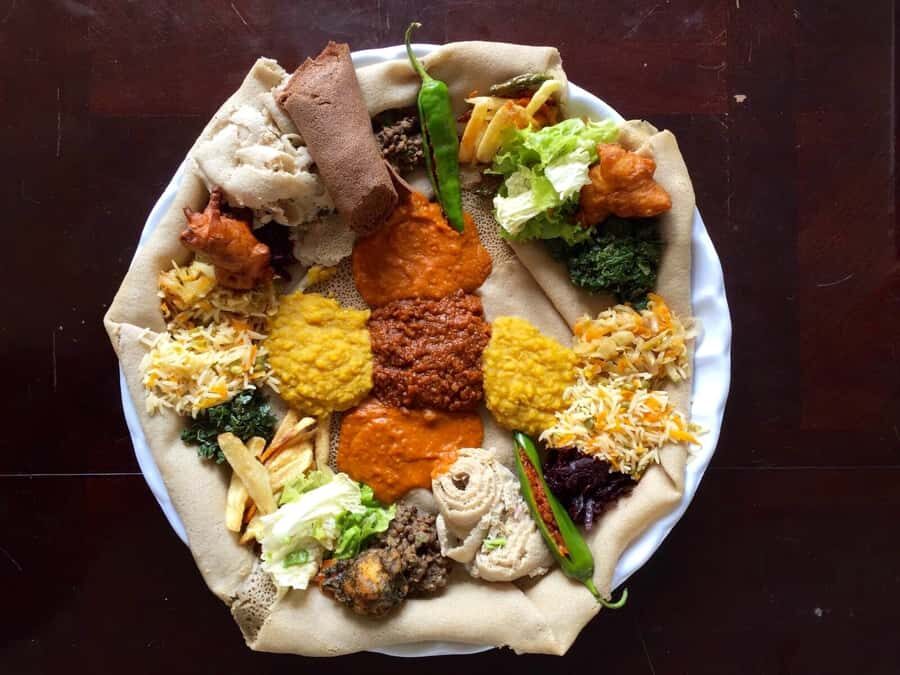
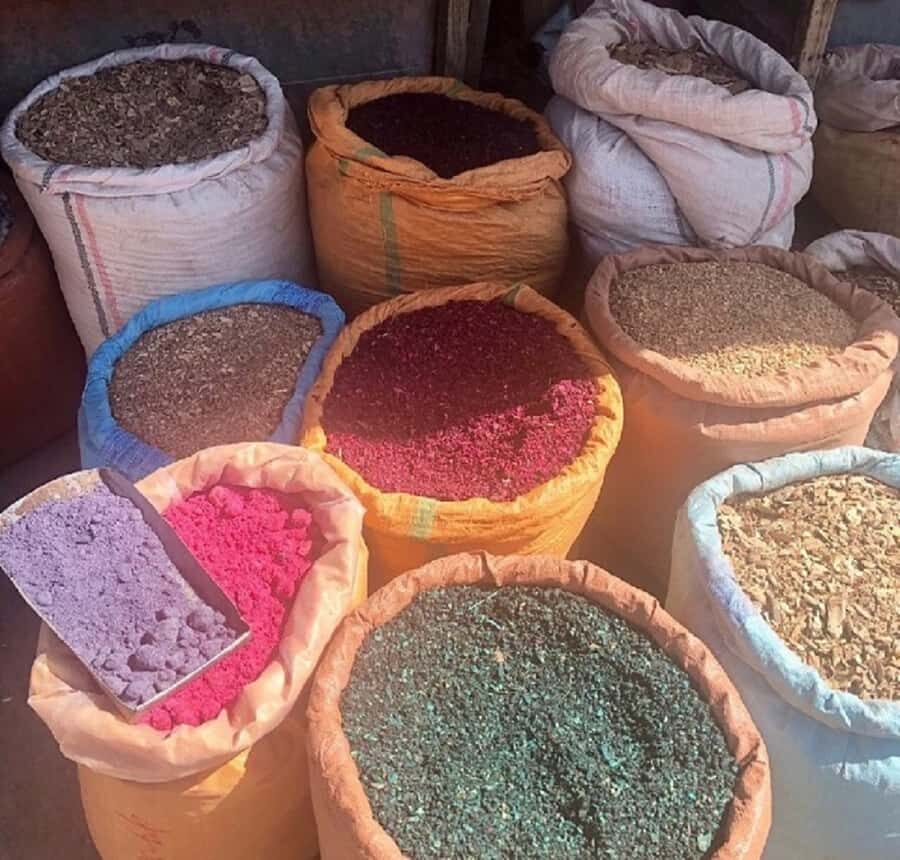
Next comes Merkato, described as the largest open-air market in Africa. That’s big enough to feel overwhelming if you show up alone, which is exactly why you want a guide for this part. You get brought into the chaos with a plan: you’ll see spices, coffee being sold, and a lot of everyday items wrapped into one giant street-market world.
The most practical part here is bargaining. You’ll put your bargaining skills to test with spice dealers who know the rhythm of tourists. This isn’t about winning at a game. It’s about learning how prices and value talk work in the market. The guide helps you read the situation, and you’ll get a better sense of what you’re paying for when you compare spices you’re actually curious about.
What I like about Merkato as an experience is that it’s sensory before it’s visual. You’re not just looking at jars. You’re noticing how different spices smell and how they get described and sold. Even if you only buy one or two things, you’ll leave with a sharper sense of Ethiopian flavor building blocks.
Watch-outs (not negatives, just reality): expect lots of foot traffic, a crowded layout, and a few sellers who are very persistent. If you hate being pushed, decide early on what you’ll buy and what your budget ceiling is.
Injera baking workshop: hands-on learning for a spongy, essential staple
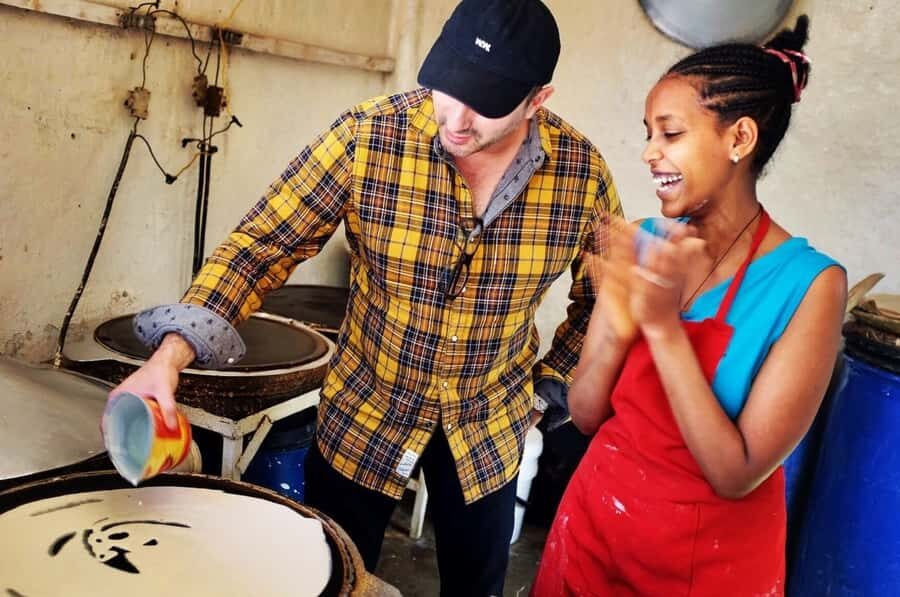
Then you get hands-on: you’ll be presented with the challenge of baking injera, the spongy Ethiopian bread. This is one of the best reasons to book the tour, because injera is so central to Ethiopian meals, yet most visitors never touch the process. You get the step-by-step support, and you’ll be able to try what you make.
The biggest value of injera here isn’t “perfect bread.” It’s understanding why injera matters. It’s the base for eating—meant to pick up stews and sauces—and its texture affects how food sits on it. When you’ve made even a small batch, you start to see meals differently. Instead of treating injera as a side dish, you realize it’s part of the whole eating system.
There’s also a practical side: injera baking can get messy. That’s not a problem—it’s part of the charm. If you like learning through doing, you’ll probably enjoy this section more than you expect. If you hate sticky hands and kitchen heat, keep your mindset flexible and go for the cultural lesson, not the flawless result.
Small tip: wear clothes you don’t mind getting a bit flour/batter-adjacent. That single choice will make the whole “challenge” feel fun instead of stressful.
Coffee ceremony: the step-by-step tradition you can actually picture
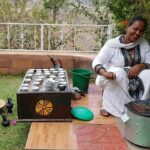
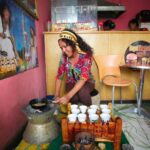
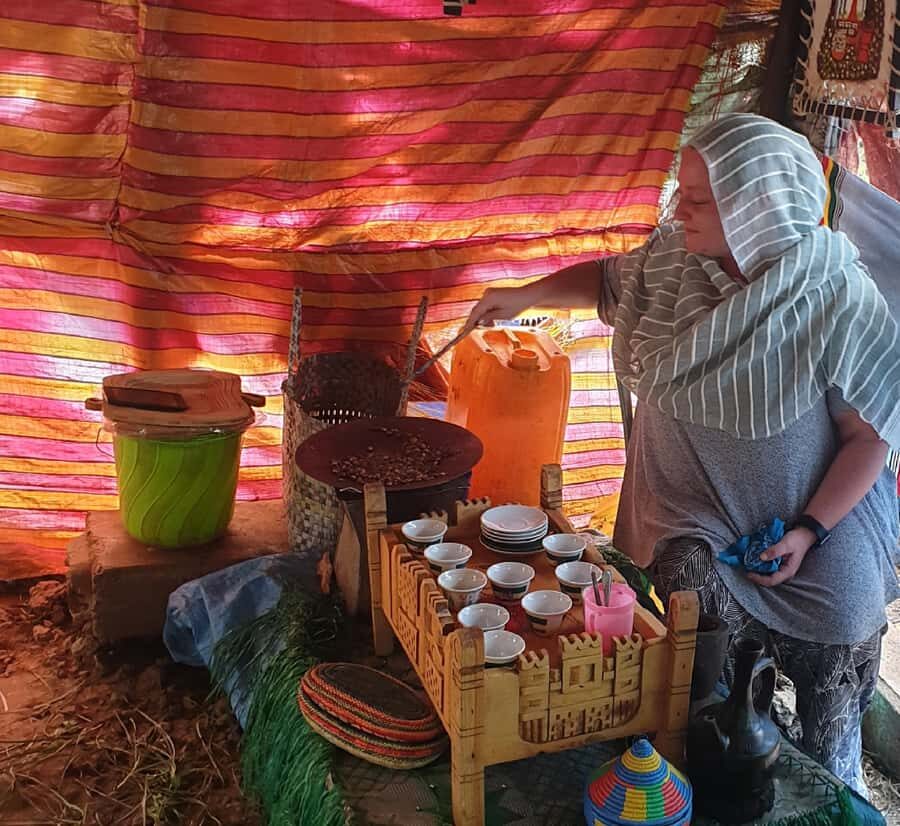
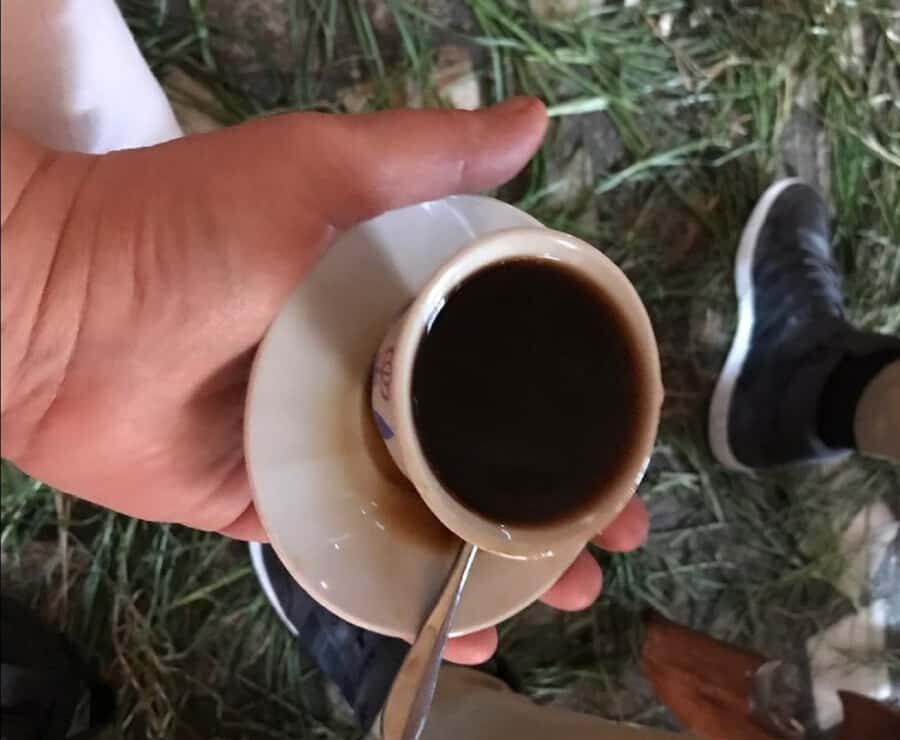
After injera, the tour shifts into a classic Ethiopian tradition: a coffee ceremony. You’ll be shown the process step by step, including how Ethiopian coffee is prepared as part of everyday culture rather than a quick caffeine stop.
This is where the earlier Tomoca tasting pays off. You’ve already tried Ethiopian arabica beans in an Italian-leaning style. Now you experience how coffee becomes its own event: roasting, brewing, and serving with attention to smell and timing.
I like that the tour treats coffee as culture, not product. The guide can explain what you’re seeing while you watch the process in real time. That matters because coffee ceremonies can be hard to appreciate when you don’t know what the steps mean.
You’ll also likely notice that Ethiopian coffee has a different flavor arc than many Western expectations. It can feel deeper, with distinctive aroma that shows up even before the first sip. When you’re done, you don’t just taste coffee—you can explain what you experienced.
If you’re someone who enjoys food rituals—tea ceremonies, bread-making traditions, anything like that—this section is a highlight. It gives you something to carry home: a clearer idea of how people mark hospitality and time.
Tej honey-wine bar: sweet fermented honey, served in a local way
To close the day, the tour goes to a local Ethiopian honey-wine bar, where you can taste tej. Tej is a traditional honey wine made primarily from fermented honey, with a flavor profile similar to mead.
This is a fun ending because it adds contrast. You start with coffee, move through spice and bread, and then finish with something sweet and fermented. It’s also a good chance to ask questions about how tej fits into local food and social life.
You should know one practical detail: the tour includes alcohol only in the form of honey-wine samples. Other alcoholic beverages aren’t included. If you’re trying tej for the first time, treat it like a tasting flight. Sip, compare, and decide what you like rather than rushing to chase a bigger buzz.
I also like that this stop feels local. Instead of a fancy restaurant with Ethiopian-themed marketing, you’re entering a place where honey-wine is normal enough to be served regularly. That kind of environment is where cultural details show up—in the way people order, talk, and share.
One consideration: if alcohol is a hard no for you, you can still enjoy the cultural context, but the tasting part may not be your favorite segment.
A few more Addis Ababa tours and experiences worth a look
Lunch at the first Ethiopian hotel: vegetarian buffet that hits the spot

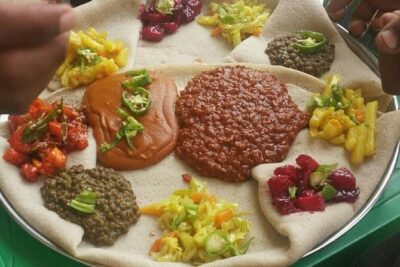
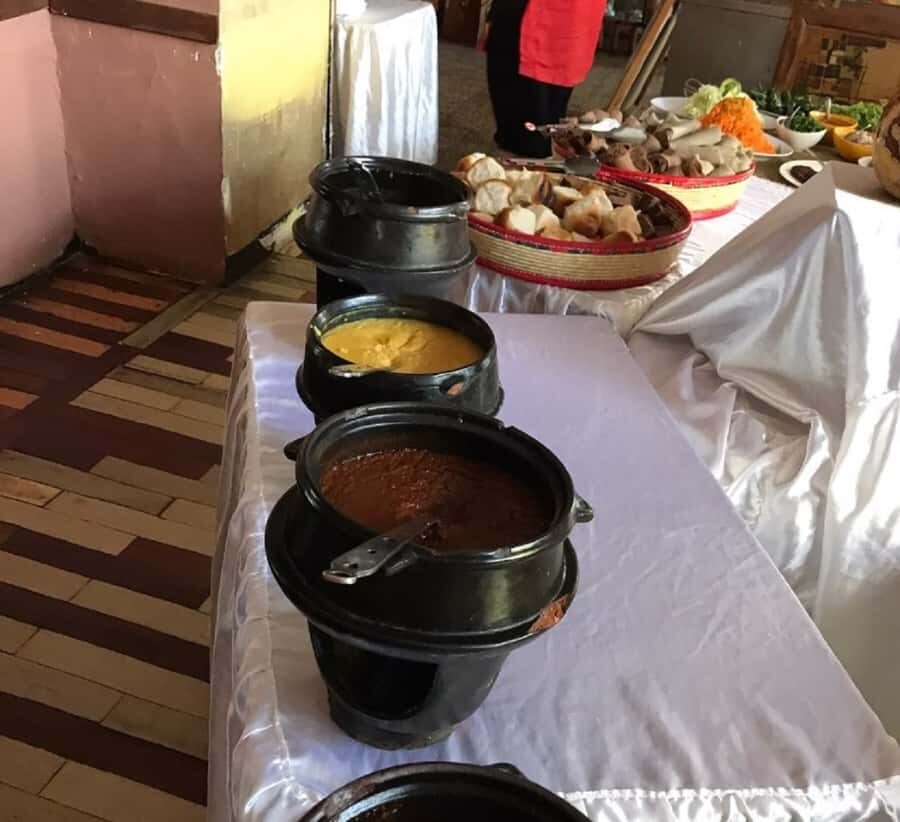
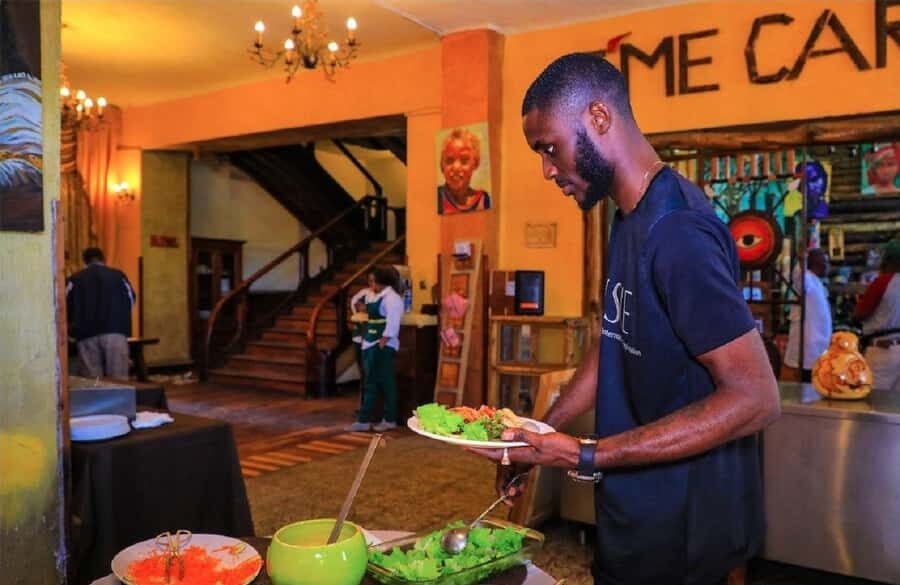
For lunch, you’ll have a buffet-style meal at the first Ethiopian Hotel on the program, with samplings of popular dishes. The tour info also points specifically to a vegetarian buffet option, which is useful if you want to eat safely and comfortably while still trying a range of flavors.
A buffet can sometimes feel like a shortcut. Here, it’s practical. After market walking and cooking work, you want something filling and varied without decision fatigue. Buffets are designed for that: you can sample, return for a dish you like, and keep moving.
Ethiopian meals are built around sauces and spices served with injera. So by the time lunch arrives, you’ve already done the hardest learning part: you now understand what injera is for. That makes lunch more meaningful, not just convenient.
If you have dietary needs, a vegetarian spread is often a relief. Still, you’ll want to use your guide to confirm ingredients and spice levels if you’re sensitive to anything.
Lunch is the point in the day where you stop learning and start enjoying—no worksheets, just food.
How the tour pacing actually works in 6 hours
This tour is about 6 hours, and that time is spent in a way that makes sense: coffee, market, hands-on baking, coffee ceremony, lunch, then tej. The structure keeps you from burning out on one sensory category too long.
You also get ground transportation with a driver, fuel, and pickup/drop-off across Addis Ababa, including hotels, houses, and even the airport. Pickup is included, and you should wait about 15 minutes before or after the scheduled time. That flexibility matters in a city where timing can be fluid.
Because it’s rain or shine, plan like a local: bring something light for drizzle or sun. Market time can get uncomfortable in heavy weather, and injera/baking spaces can be warm even when the outside air cools down.
Also note the human factor: the tour includes an English-speaking guide, and the day moves faster when someone can explain what you’re seeing. Several guide names come up from past experiences, including Desale, Seid (with driver Muse), and Zerefa—all the kind of people who can connect food steps to city context instead of treating it like a checklist.
Price and value: why $85 can make sense here
At $85 per person for a 6-hour day, the value depends on what you want from a food tour.
If you only want a meal, you can find cheaper. But this isn’t just lunch. You’re paying for:
- multiple tasting moments (coffee early, coffee ceremony, honey-wine samples),
- hands-on teaching (injera baking),
- transportation across Addis Ababa,
- market access with bargaining support,
- fees tied to the activities,
- and an English-speaking guide.
Food experiences that include instruction and access tend to cost more, especially when you’re not going back and forth on your own. Here, the tour packages the logistics so you can focus on tasting and learning. The honey-wine bar adds another layer most half-days skip, and Merkato is not a casual stop—big markets take time to navigate.
My practical take: if you enjoy food culture, coffee culture, and learning by doing, $85 feels fair. If you want a quick photo walk with one dish, you may feel stretched.
Who should book this, and what to do before you go
This is a great fit if:
- you love coffee and want the Ethiopian ceremony explained in real steps,
- you enjoy food that you can taste and then recreate the idea of later,
- you want a guided way into Merkato without feeling lost,
- you’re okay with hands-on baking and a bit of kitchen mess.
It may not be the best fit if you hate crowds, don’t handle walking well, or want a very low-activity schedule. Merkato plus injera work means you’ll be on your feet more than in a sit-down tasting tour.
Before you go, bring a passport or ID card. Also, wear comfortable shoes. And if you’re the type who likes to buy souvenirs, keep a small budget set aside for spices. You’ll likely want at least one purchase once you smell the options.
One more small strategy: set your food goals before the market. Pick what you want to taste (coffee notes, injera experience, tej), then decide on buying after. It keeps impulse spending under control.
Should you book this Ethiopian culinary tour?
Book it if you want a day that connects Ethiopia’s food staples to actual hands-on practice: injera you help bake, coffee you prepare and drink in ceremony form, plus a finish at a tej honey-wine bar. It’s the kind of tour where the learning sticks because your hands and senses do the work.
Skip it (or rethink) if you want a light, low-intensity day. Merkato is big and active. You’ll be moving, tasting, and participating, rain or shine. Also, if alcohol is a deal-breaker, remember that honey-wine tasting is part of the schedule, even if it’s only honey-wine and not other drinks.
If you’re aiming for authentic flavor and practical cultural context in one compact 6-hour block, this one earns a strong yes.
FAQ
FAQ
How long is the Ethiopian Culinary Tour?
The tour lasts 6 hours, with starting times depending on availability.
What does the tour cost?
It costs $85 per person.
Is pickup and drop-off included?
Yes. Pickup and drop-off are included at any location in Addis Ababa, including hotels, houses, or the airport.
What food and drinks are included?
You’ll have lunch (with a bottle of water and hot drinks) and you’ll also experience coffee and tej honey-wine samples. Other alcoholic beverages are not included.
Does the tour run in bad weather?
Yes. The tour takes place rain or shine.
What should I bring?
Bring your passport or ID card.
What if I need to cancel?
You can cancel up to 24 hours in advance for a full refund, and you may also book with a pay later option. Tip for the guide is not included.