REVIEW · GONDER
3 Days Simien Mountains Trekking
Book on Viator →Operated by Simien Tour and Travel · Bookable on Viator
Three days, and the peaks steal the show. The Simien Mountains feel built for drama: deep gorges, huge valleys, and that unforgettable high-altitude sense of space. You start with a proper park setup—driving from Gondar toward Debark, getting the required paperwork at the park base, then heading up to your first camp before your feet ever hit the trail.
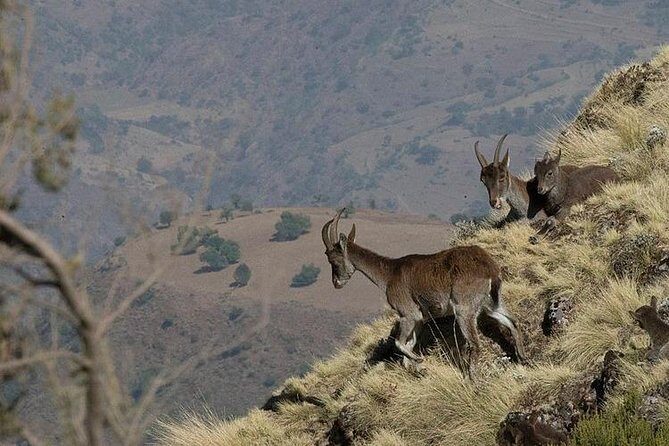
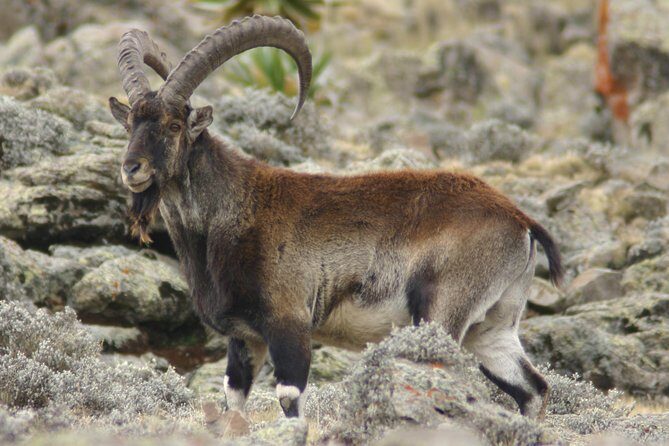
I especially love how much the trip leans on real nature knowledge. The local team brings a strong eye for flora and fauna, and that matters because it’s how you end up with memorable sightings like gelada baboons, plus rarer high-country animals people hope for. I also like the practical camp side of things: good tents and sleeping bags, food that keeps you going, and thoughtful touches such as hot water bottles at camp.
The one consideration is effort and altitude. You’re looking at several hours of walking each day and sleeping at elevations around 3,250–3,600m, so plan for cooler nights and take the moderate-fitness requirement seriously.
In This Review
- Key things I’d watch for on this Simien trek
- Why the Simien Mountains feel special (not just scenic)
- From Gondar to Debark: the real start is paperwork and timing
- Day 1 to Sankabar: Buytras (Simien Lodge) to camp at about 3,250m
- Day 2 to Geech via Jinbar waterfall: giant lobelia and a sunset plan
- Day 3 from Geech to Imet Gogo: peak views and lammergeier watching time
- Camp life that actually helps you enjoy the trek
- Price and value: what $387 buys you in real terms
- Who this trek suits best (and who should be cautious)
- What to know before you go (so you’re not surprised)
- Should you book this Simien Mountains 3-day trek?
- FAQ
- FAQ
- What city is this trek based on?
- How long is the Simien Mountains trek?
- What time does the experience start?
- Is pickup offered?
- What’s included for park entry and guides?
- Are meals included?
- Is transportation included, and what kind?
- Are mules provided?
- Where can the trip end?
- What is the cancellation policy for a full refund?
Key things I’d watch for on this Simien trek
- Permit + scout day-1 setup in Debark before you start climbing toward Sankabar
- Jinbar waterfall approach on day 2, with a long walk through changing terrain
- Geech camp at 3,600m beside giant lobelia plants and near a top spot for sunset
- Imet Gogo promontory on day 3 for big views and time to watch for lammergeier vultures
- Mule and handler support so you hike with less weight and more focus on the scenery
- Small group size (max 20), which keeps the pace comfortable in a remote area
Why the Simien Mountains feel special (not just scenic)
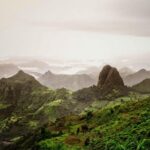
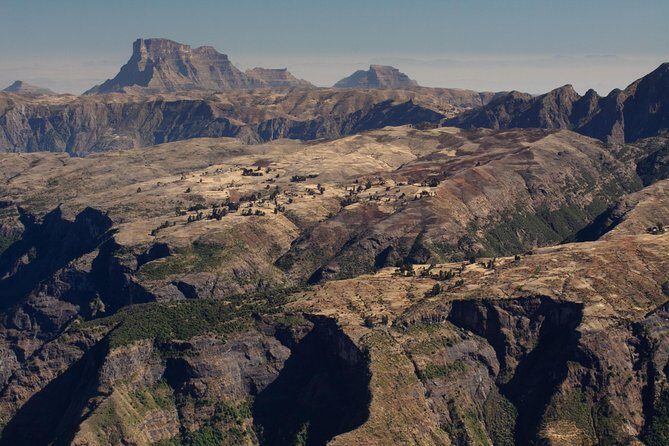
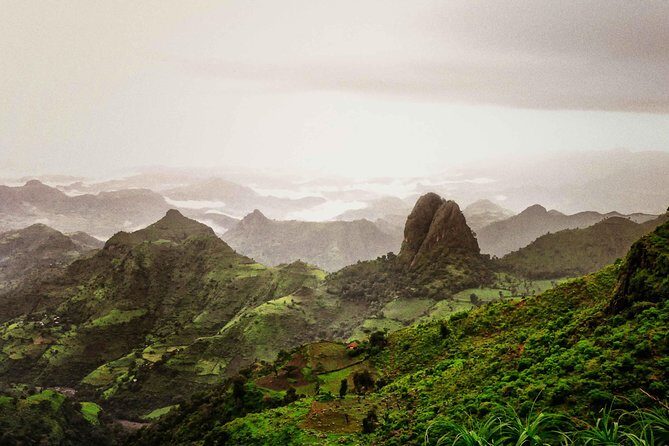
The Simien Mountains are famous because the scenery looks like it was carved with intention—steep rock, dramatic drops, river valleys, and high plains that seem to run on forever. People often describe the peaks as the chess pieces of the gods, which sounds poetic until you’re standing near the edges and realizing how sharp and structured the terrain looks.
This trek works because it doesn’t rush you through big viewpoints. Your route climbs into the heart of Simien Mountains National Park and then keeps moving between camps that sit at distinct altitudes. That means each day has its own rhythm: a first climb into the park world, a day that leans into waterfall country and giant lobelia, and a final push toward a promontory where birds of prey can steal the show.
You can also read our reviews of more hiking tours in Gonder
From Gondar to Debark: the real start is paperwork and timing
The experience starts at 8:00am, and that early start pays off. You’re doing a drive from Gondar that can take about 2–3 hours to reach the Debark area, and the trek officially begins only after you complete the required park steps.
Here’s why that matters. Getting permits and the park-required scout early means your day stays on track once you’re committed to the trail. It also signals something important: this is not a casual walk in the hills. You’re in a managed protected area, and the trip is built around respecting that.
You’ll transfer in an air-conditioned vehicle, and your package includes all fees and taxes—so you’re not scrambling for payments once you’re already out there.
Day 1 to Sankabar: Buytras (Simien Lodge) to camp at about 3,250m
Day 1 is your entry point. After the drive toward Debark and the park setup, you continue onward to the Sankabar area (around 3,250m). Then the trek proper begins at Buytras (Simien Lodge).
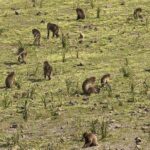
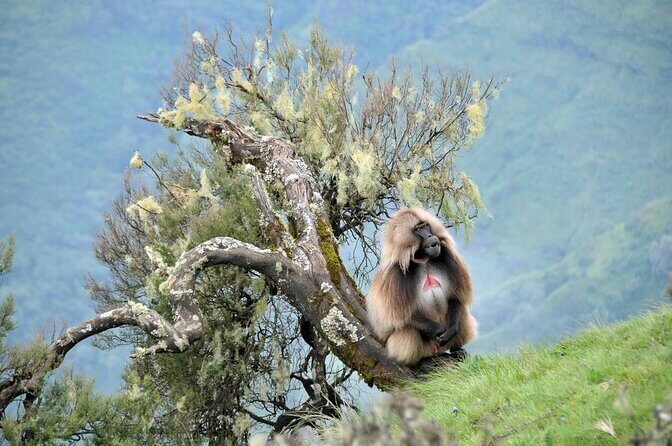
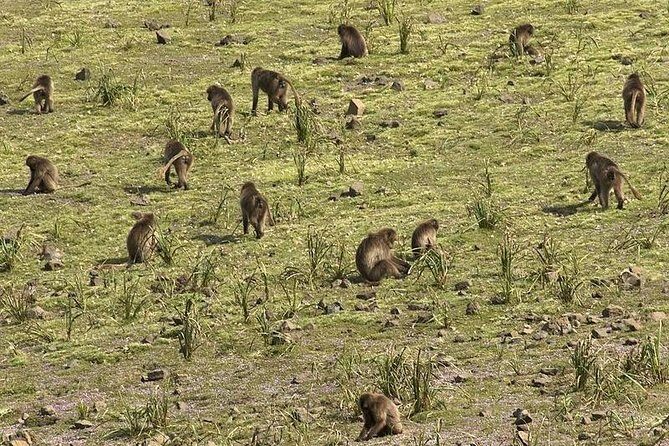
What I’d call the “feel” of day 1 is steady progress. The walking segment is typically around 3–4 hours, which is long enough to get you warmed up without turning the first day into a grind. As you move, you’re also in the right habitat for one of the Simien’s most iconic animals: gelada baboons. You don’t control wildlife, but the chance is real early on.
Practical takeaway: day 1 is where you learn the pace. Since you’re starting at high altitude, I’d treat the first hours as a test run for how quickly you get winded. Don’t fight the air—settle into a rhythm and save your stronger push for day 2 and day 3.
Day 2 to Geech via Jinbar waterfall: giant lobelia and a sunset plan
Day 2 is the long one, and it’s the day where the park starts feeling like its own world. You trek from the Sankabar area toward Geech, typically 5–7 hours of walking.
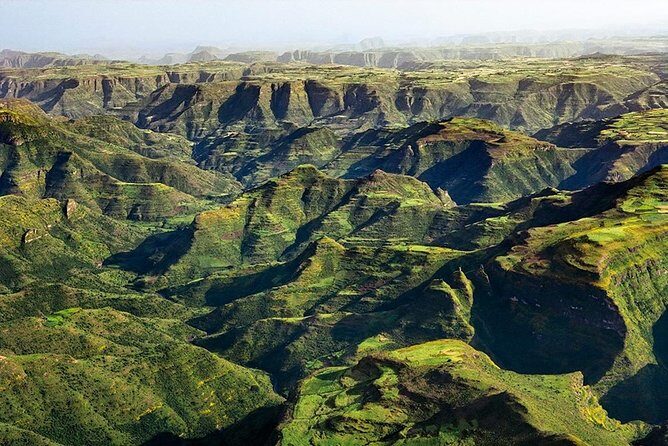
The headline feature is the route through Jinbar waterfall. You descend down toward Jinbar Wenz, which feeds the waterfall, and then you climb again with a short ascent to the Geech village area. That up-and-down profile is part of what makes the day satisfying: you get a true change in scenery rather than one long, uniform climb.
When you reach Geech, the camp area sits at about 3,600m and it’s known for views and giant lobelia plants. That plant detail isn’t just a nice trivia point—it tells you you’re in high-elevation ecosystems where the vegetation shifts sharply with altitude. It’s one of those small things that makes the walk feel like you’re crossing zones, not just gaining meters.
The other reason I like this day: the nearby Kedadit summit gives one of the best sunset chances in the area. After a full day on the trail, being able to walk less and still catch a proper golden-hour moment is a big quality-of-life win.
Day 3 from Geech to Imet Gogo: peak views and lammergeier watching time
Day 3 is shorter on paper—about 4–5 hours of trekking—but it’s the day with the strongest “finale” payoff. You start at Geech and head toward Imet Gogo promontory, one of the most dramatic viewpoints in the range.
This is also where wildlife watching becomes more focused. The area is known for lammergeier vultures, and the trip’s timing gives you a real chance to look for them while you’re at your most scenic point.
After the promontory time, you trek back toward the road near a village called Ambaras. Then you meet the car and drive back to Gondar. There’s also an option to end in Axum, so the trip can fit a longer Ethiopia plan if you’re already building toward the historical circuit.
A few more Gonder tours and experiences worth a look
Camp life that actually helps you enjoy the trek
Trekking in the Simien Mountains is a full-day experience, so camp quality matters. This package includes practical support that makes the difference between feeling tired and feeling miserable.
Meals are included across the days: 2 breakfasts, 3 lunches, and 2 dinners. You also get bottled mineral water, which is exactly what you want after a long walk and before you start packing for the next day.
On the shelter side, the camp setup is described as solid—people talk about good tents and sleeping bags—and there’s a surprisingly comforting detail: hot water bottles in camp. That’s not a luxury you forget quickly when you’re sleeping at altitude.
Another thing I appreciate: with mules and a mule handler included, the gear load is handled for you. That doesn’t mean you’ll still feel totally fresh—hiking uphill still takes effort—but it makes it easier to keep your focus on the trail and the animals.
Price and value: what $387 buys you in real terms
At $387 per person for about three days, you’re paying for more than a walking route. The value comes from three parts that add up quickly in Ethiopia treks:
First, you’re not just getting a guide. The package includes a local guide and scout, plus park-related costs and the admission ticket. Second, you’re not organizing transport and logistics alone—there’s an air-conditioned vehicle transfer, and the route includes the Debark-to-park movement needed for a proper start. Third, you’re covered for the practical stuff that turns a tough trek into a doable one: mules and handler, camp support, and multiple meals.
If you tried to piece this together on your own, it’s the combination of permits + scout requirements + gear support that often makes the real cost jump. Here, those moving parts are already bundled.
Also, the small group cap of up to 20 people helps. In big crowds, treks can feel like a line. A smaller group tends to keep the pace more human and the wildlife stops less chaotic.
Who this trek suits best (and who should be cautious)
This tour is best for you if you want a high-country trekking experience without running your own logistics. It’s listed for moderate physical fitness, which matches the walking times you’ll be doing—around 3–4 hours day 1, 5–7 hours day 2, and 4–5 hours day 3.
You should be cautious if you dislike long hiking days or if you have trouble with elevation changes. Even if you’re a capable walker, altitude can change how hard each kilometer feels. I’d treat this as a serious trek, even though the route is well supported.
What to know before you go (so you’re not surprised)
A few practical tips based on how the days are paced:
- Plan for layers. Night temperatures at 3,600m can feel sharp, and camp comfort matters. The tour’s hot water bottle detail hints at real cold, so pack accordingly.
- Go steady early. Day 1 is your warm-up. Day 2 is the long one. Don’t use up your best energy on the first stretch.
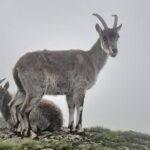
- Expect wildlife, not guarantees. This area is known for animals people hope to see, and the team’s focus on flora and fauna can improve your odds. Still, mountain weather and animal movement remain outside anyone’s control.
- Bring a good mindset for time on foot. The walking hours are part of the value. If you only want the viewpoint photos and none of the trail work, this one might feel like too much.
Should you book this Simien Mountains 3-day trek?
I think you should book it if you want the Simien Mountains in a way that’s structured, well-supported, and wildlife-aware—without turning your trip into a project. The combination of permits and park setup, mule support, included meals, and camp comfort makes it easier to focus on the real reason you came: the dramatic mountain world and the chance to see animals that belong to this high-elevation ecosystem.
Skip it or reconsider if you’re looking for very light walking, or if altitude and multi-day hikes are a concern. This is not a short walk. It’s a real trek in the high country—just delivered in a way that’s practical and thoughtfully organized.
If your Ethiopia itinerary has Gondar already, this is an excellent way to spend three days doing something you can’t easily recreate on your own.
FAQ
FAQ
What city is this trek based on?
It’s located around Gondar, Ethiopia.
How long is the Simien Mountains trek?
The duration is approximately 3 days.
What time does the experience start?
Start time is 8:00am.
Is pickup offered?
Yes, pickup is offered.
What’s included for park entry and guides?
Local guide and scout are included, along with all fees and taxes and admission ticket.
Are meals included?
Yes. The package includes 2 breakfasts, 3 lunches, and 2 dinners.
Is transportation included, and what kind?
An air-conditioned vehicle is included.
Are mules provided?
Yes. Mule(s) and a mule handler are included.
Where can the trip end?
You can return to Gondar, and there’s also an option to end in Axum.
What is the cancellation policy for a full refund?
You can cancel up to 3 days in advance of the experience for a full refund, and cut-off is based on the local start time.