REVIEW · GONDER
Simien Mountains National Park – 7 Day Trek
Book on Viator →Operated by Simien Image Ethiopian Tour and Travel Company · Bookable on Viator
Simien hiking in the Simien Mountains feels earned, not staged. This 7-day route is built for serious walkers, moving you between 2000 and 4000 meters with big daily effort and wildlife you can actually hope to see. I like the small-group feel (max 15) and the fact that your day-to-day logistics are handled, including admission tickets and all meals.
One thing to consider: this trek is not gentle. Expect long hiking days, tent camping, and real altitude work including a high pass, so you’ll want solid fitness and patience for a steep, slower pace.
In This Review
- Key things to know before you hike the Simien Mountains
- Gondar to Sankaber: the cliff-edge start that sets the tone
- Why it matters for your trip
- Sankaber to Geech: Jinbar’s waterfall power plus a real village pause
- The trade-off
- Geech to Chennek via Imet Gogo: the view that makes the work feel worth it
- Why I’d prioritize this day
- Chennek to Sona via Buwhit Pass: walia ibex and the high-altitude challenge
- A drawback to plan for
- Sona to Mekarebya: near-all downhill and the temperature shift you’ll feel
- What to watch for
- Mekarebya to Mulit: verbat monkeys, Insya River crossings, and a steep finish
- Why this day feels like a turning point
- Mulit to Adiarkay, then back to Gondar: the final downhill wrap-up
- What you’ll feel
- Wildlife expectations: what you can hope to see, and how to improve your odds
- A balanced note
- Price and logistics: why $900 can feel fair for this trek
- What might still cost extra
- What this trek asks of you: fitness, altitude, and realistic pace
- A practical drawback to weigh
- Small details that make the difference on trail
- Should you book the Simien Mountains 7 Day Trek?
- FAQ
- How long is the Simien Mountains trek?
- Where does the tour start and finish?
- What time does the tour start?
- What kinds of wildlife might I see?
- What is included in the price?
- Is the trek suitable for everyone?
Key things to know before you hike the Simien Mountains
- Gondar starts at 8:00 am, then you’re in the park by late morning with a car drop before Day 1’s hiking segment
- Cliff-edge trekking early on, then river and forest scenery as you move deeper into the park
- Imet Gogo (3926m) is your big panoramic payoff point with true 360-degree views
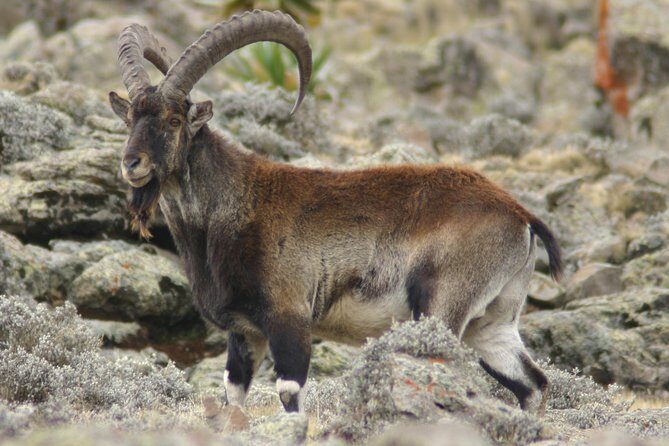
- Buwhit Pass (4200m) is the high-stamina day, with your best odds for walia ibex and a rare Simien fox
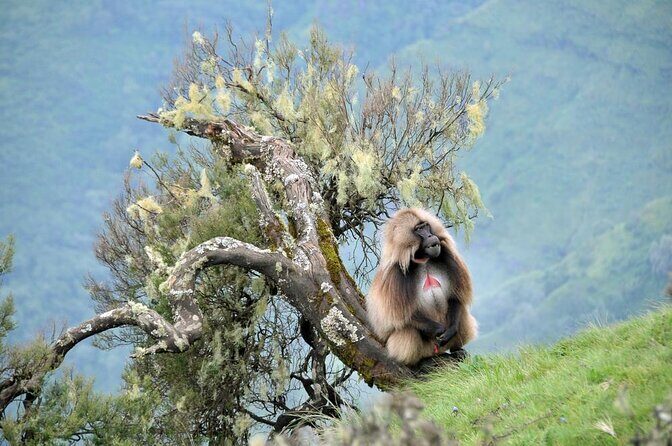
- Wildlife focus includes gelada monkeys, walia ibex, and lots of bird life, with leopards possible if you’re lucky
- Value packed into the price: guide and scout fees, air-conditioned vehicle, and meals are included
Gondar to Sankaber: the cliff-edge start that sets the tone
Your trek begins with pickup from Gondar, leaving around 8:00 am. You’ll drive up into the Simien Mountains and reach the park around 11:00 am, then the vehicle drops you roughly two hours before Sankaber, so your first walking segment starts right away.
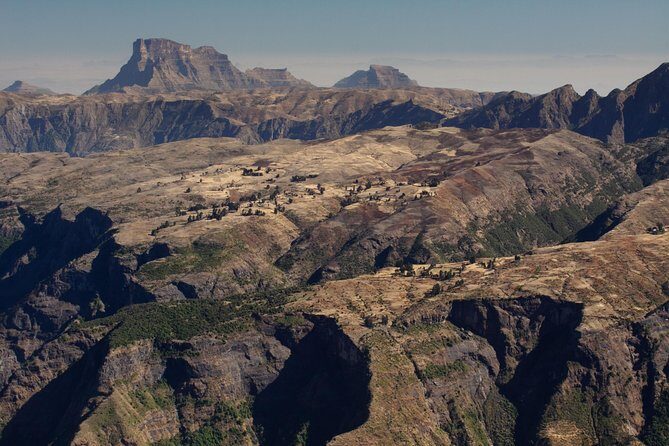
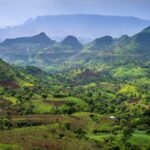
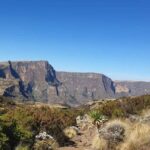
Day 1 is a mix of effort and drama. You hike along the cliff edge toward Sankaber, and this is where you get that instant sense of scale: sharp drop-offs, changing light across rock, and a steady feeling that you’re on the edge of something wild. Lunch is handled as a picnic lunch along the way, which keeps the day from turning into a constant stop-and-start.
That first night is camping in tents at Sankaber. Coming from a city, tent camping can be a culture shift even for experienced hikers. The upside is that it places you close to the trekking rhythm immediately, instead of spending days simply traveling and catching up.
You can also read our reviews of more hiking tours in Gonder
Why it matters for your trip
Starting with a cliff-edge day does two smart things. It eases you into park hiking while still giving you the big visual payback early. And it gets you learning the trail pace before the higher passes show up later.
Sankaber to Geech: Jinbar’s waterfall power plus a real village pause
Day 2 runs about 5 to 6 hours of trekking, moving through scenery that threads between cliff edges and forest areas. This is a good day to notice how the Simien changes as you walk: the air can feel different, the vegetation shifts, and the soundscape gets more layered as you get closer to water.
A highlight is Jinbar waterfall, described as about 500 meters high. You also stop for lunch near the banks of the Jinbar river, which is exactly the kind of break that helps your body reset without losing the momentum of the day.
Then comes a human moment that I think makes this trek more than just a hike. You pass through Geech village, where you can have coffee with a local family in their traditional tukul hut. It’s not an attraction-style stop. It’s a glimpse of day-to-day mountain life, with a simple activity that slows the day down without killing the energy.
The trade-off
This day mixes scenic walking with social time. That’s a plus if you like meeting people, but if you’re trying to move fast and ignore distractions, you’ll still have to allow time for that village pause.
Geech to Chennek via Imet Gogo: the view that makes the work feel worth it
Day 3 is one of the biggest “wow” days. The trek from Geech to Chennek takes about 7 to 8 hours, and you’re headed toward Imet Gogo, which reaches 3926 meters.
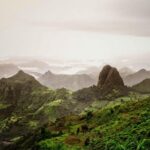
What makes Imet Gogo special is the promise of 360-degree panoramic views. You get canyons, cliffs, and valleys that seem to stretch endlessly. It’s the kind of viewpoint where your brain keeps trying to map the distance, and the map keeps changing as the light shifts.
Walking time matters here. Seven to eight hours means you’ll want to pace yourself early, not save everything for the top. Even if you feel strong at the beginning, altitude can flatten your rhythm once you start climbing.
Why I’d prioritize this day
The Simien Mountains can be dramatic in every direction, but Imet Gogo is the kind of high stop that gives the whole range context. It’s not just pretty; it helps you understand what you’re walking through.
Chennek to Sona via Buwhit Pass: walia ibex and the high-altitude challenge
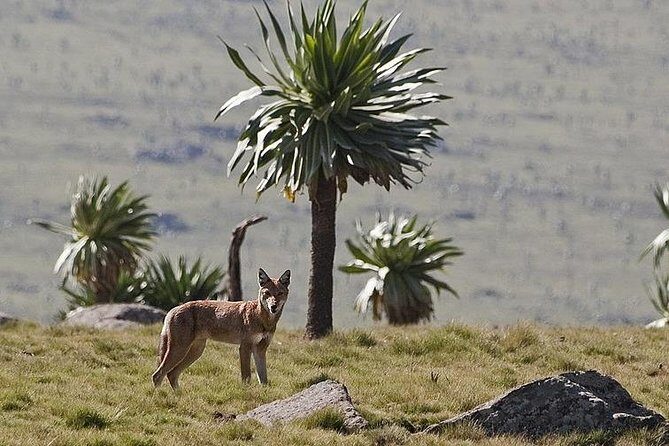
Day 4 takes you from Chennek to Sona via Buwhit pass at 4200 meters. This is the day your stamina gets tested. The trek is about 8 hours, and you’re balancing uphill effort, altitude, and the mental rhythm of staying steady when your breathing rate won’t behave.
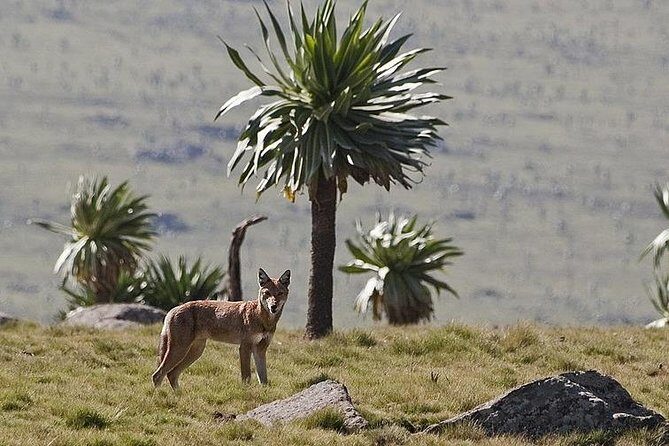
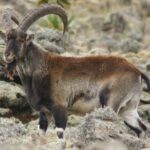
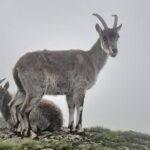
This is also one of the best days for wildlife. You have a chance to spot walia ibex—and potentially the endemic Simien fox, noted as rare. You’ll be working around a lot of time outside, so your odds improve when you slow down, watch carefully, and don’t rush past likely sighting spots.
After crossing Buwhit Pass, you descend to Sona, a place known for fantastic sunsets. That’s an easy win for hikers who like their rewards built into the route rather than added later.
A drawback to plan for
High passes can feel mentally easier than they are. Your body might not keep the pace you want, so plan for a slower, more deliberate walk. This trek is meant for strong fitness, not for racing.
Sona to Mekarebya: near-all downhill and the temperature shift you’ll feel
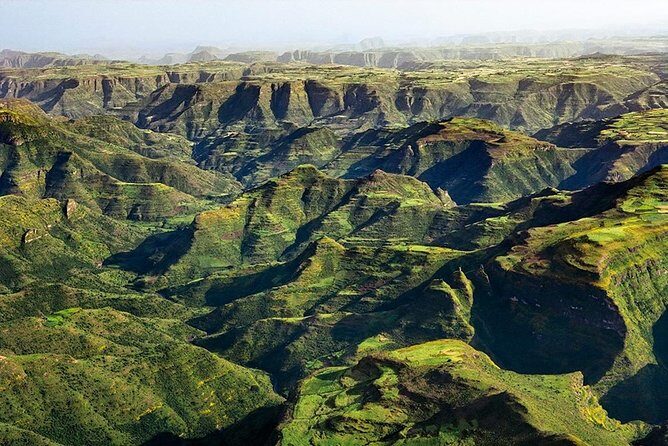
Day 5 runs about 5 hours, and it’s described as downhill almost all the way. That matters because your legs get a different kind of workout: less lung demand, more focus on foot placement and knee comfort.
As you descend, you’ll likely notice the temperature go up. The vegetation also changes, moving toward what you’d see in the highlands. It’s one of those subtle experiences that still feels big. You start to feel the mountain’s different “layers” without needing a lecture.
The upside of a downhill-heavy day is that you can keep moving while reducing the stress of continuous climbing. The downside is that long descents can be hard on the body if you don’t manage your speed.
What to watch for
If your hiking style is fast, you might be tempted to “make up time” downhill. Try to resist that. Slow and controlled usually pays off by Day 6.
Mekarebya to Mulit: verbat monkeys, Insya River crossings, and a steep finish
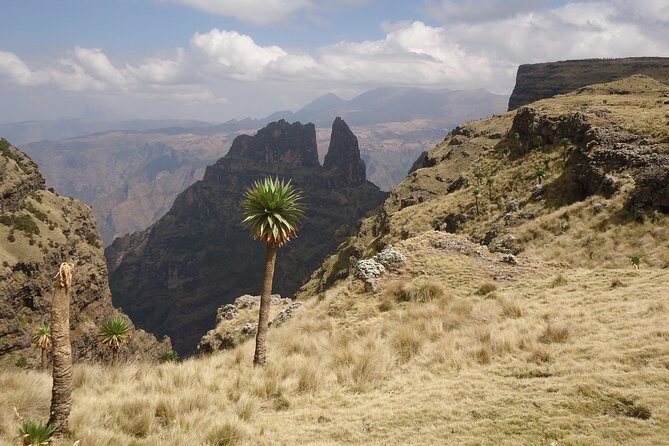
Day 6 is about 5 to 6 hours hiking from Mekarebya to Mulit, with a final steep climb to the campsite. Along the way, you’re likely to see verbat monkeys, plus plenty of birds as you scan the edges of the trail.
You’ll cross the Insya river a couple of times. River crossings are never your favorite part of a hike, but they’re also a sign you’re moving through varied terrain, not repeating the same type of path all week.
The day ends with a final steep hike to Mulit. This is a key moment to take seriously: even if the earlier miles felt easier, the last push can catch you if you treat the day like a downhill-only bonus.
Why this day feels like a turning point
By Day 6, you’ve seen enough of the Simien rhythm that you’ll start judging the trip by effort remaining. That steep finish helps remind you this is still a serious trek.
Mulit to Adiarkay, then back to Gondar: the final downhill wrap-up
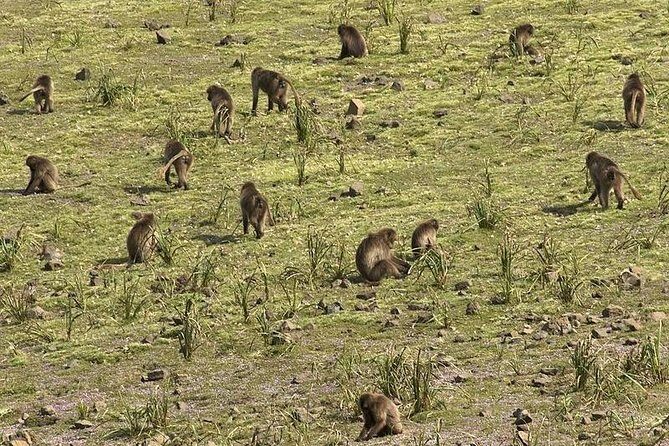
On Day 7 you make your way mostly downhill for about 2.5 hours from Mulit to Adiarkay. Once you reach the main road, you start the drive back to Gondar, and the program finishes after you return.
That short final hiking segment is a relief. It’s not “easy” in the sense of being effortless, but it’s a smart ending: you’re not faced with another long day of climbing on the last date.
What you’ll feel
You’ll likely feel mentally ready to stop, but the body often still needs an hour or two to fully come down from altitude and exertion. The drive helps, even if it’s just to get your legs back in a normal rhythm.
Wildlife expectations: what you can hope to see, and how to improve your odds
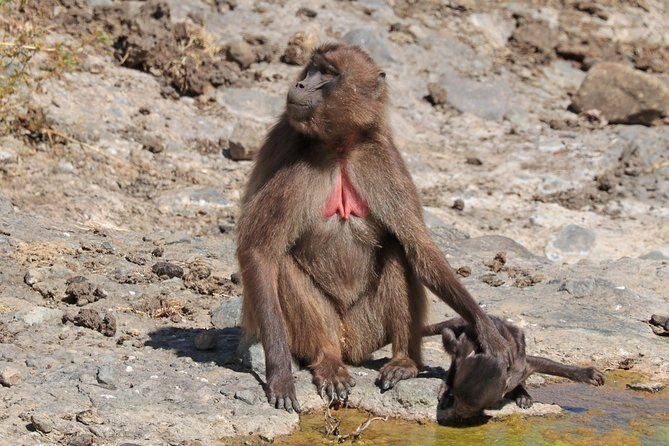
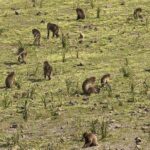
This trek is built around wildlife possibilities, and the park offers multiple targets. You’re looking out for gelada monkeys and walia ibex, plus a variety of bird life throughout the route.
There are also mentions that if you’re lucky you may spot Simien fox and even leopards. Those last two are not guarantees, but the route timing and variety of habitat increase the chances compared with a more limited hike.
A practical way to improve your odds is simple: don’t rush your scanning. Pause when your guide indicates a likely area, and give your eyes time to adjust. Wildlife sightings often come from small still moments, not constant movement.
A balanced note
Wildlife viewing can’t be forced. If you go in expecting guarantees, you’ll be disappointed. If you go in expecting chances, you’ll enjoy the whole walk more.
Price and logistics: why $900 can feel fair for this trek
At $900 per person for a 7-day trek, this price isn’t trying to be cheap. But it also isn’t just paying for a trail and a watermark on a map.
Here’s what you’re getting that matters on the ground:
- All fees and taxes and admission tickets
- Guide and scout fee
- Air-conditioned vehicle for the transfers
- Meals included: breakfast 6 times, lunch 7 times, dinner 6 times
- Pickup offered and mobile ticket
- Small group with a maximum of 15 travelers
Value is partly about what’s included, and partly about what you avoid. When guides handle routing, timing, and camp movement, you spend less time solving problems and more time walking a good plan.
I also like that the company emphasizes hands-on help. In one review, a planner named Alex (the manager) helped shape an itinerary around budget and needs, and that same review highlights smooth arrangements and knowledgeable guiding. That kind of planning energy matters on a trek where one sloppy detail can become a bigger issue fast.
What might still cost extra
Alcoholic beverages aren’t included. So if you like winding down with drinks after a hard day, plan on paying separately.
What this trek asks of you: fitness, altitude, and realistic pace
The trek rises and falls between 2000 and 4000 meters above sea level, with the big high point being Buwhit Pass at 4200 meters. The activity level is clearly serious: it’s tailored toward hikers with a strong physical fitness level.
The structure also says a lot. You get two half days and five full days, with days ranging from about 5 to 8 hours hiking. That means you won’t just “walk a little.” You’ll work most days, and you’ll do it on changing terrain—cliff edges, forest edges, river areas, and steep climbs.
A practical drawback to weigh
Even if you’re fit, altitude adds a second challenge: slower movement and more careful breathing. If you’ve never hiked at high elevations before, build in patience. If you want to set personal records, this route might not be the right place.
Small details that make the difference on trail
Even without the fine print, a few practical patterns stand out:
- Start time is set: leaving around 8:00 am helps you get daylight hiking and avoids starting too late.
- Tent camping means you’re living with the mountain: pack for the temperature swings you may feel at elevation.
- River and pass days will feel different from pure descent days, so adjust your expectations day by day.
If you’re the kind of traveler who likes a plan that runs smoothly, you’ll appreciate the structure. The trek is not random wandering. It’s a sequence of purposeful segments, with breaks built in: picnic lunch early, river-side lunch later, and a serious viewpoint day at Imet Gogo.
Should you book the Simien Mountains 7 Day Trek?
Book it if:
- You’re a serious hiker who’s comfortable with 5 to 8 hour hiking days
- You want a route that combines big viewpoints, varied terrain, and wildlife chances
- You’d rather have logistics handled than build the trek yourself
Skip or rethink if:
- You’re not ready for altitude and the slower pace it brings
- You want a relaxed walk with minimal climbing
- You’re hoping for guaranteed leopard or Simien fox sightings
If you match the fitness level and you like the idea of walking across real Simien terrain instead of ticking boxes, this tour is a solid value. At $900, the price makes sense because meals, admission tickets, a guide and scout, and key transport pieces are already included, which lets you focus on one thing: the trail and the views that come with it.
FAQ
How long is the Simien Mountains trek?
The trek lasts about 7 days.
Where does the tour start and finish?
It starts and finishes in Gondar, with the trekking beginning in the Simien Mountains National Park and ending back at the main road for the drive to Gondar.
What time does the tour start?
The start time is 8:00 am.
What kinds of wildlife might I see?
You may see gelada monkeys, walia ibex, and various bird life. If you are lucky, you may also see the Simien fox and leopards.
What is included in the price?
Included are all fees and taxes, an air-conditioned vehicle, guide and scout fees, admission tickets, and meals: 6 breakfasts, 7 lunches, and 6 dinners.
Is the trek suitable for everyone?
It’s tailored toward serious hikers. You should have strong physical fitness since the route climbs and drops between 2000 and 4000 meters, including a 4200m pass.