REVIEW · GONDER
4 Days Trekking to Simien Mountain National Park
Book on Viator →Operated by Ethio Target Tours · Bookable on Viator
Simien Mountain treks come with real drama. In four days you’ll walk through Ethiopia’s high ridges and abyss views, with Ras Dejen on the horizon and a real shot at Walia ibex. I love the mix of big altitude scenery with hands-on natural history moments, like giant lobelia fields and gelada baboons. I also like that the trek doesn’t ignore local life, with a traditional coffee ceremony in Gich. The one catch: altitude and long stone steps can test you, and the whole trip depends on having good weather.
Logistics are fairly smooth for the region. You can start with pickup from Gondar airport or your hotel, then the road transfer kicks off the trek day with about a 100 km drive to Debark (roughly two hours), plus permits and a scout arranged at the park headquarters. I also appreciated the small-group feel (maximum 8) and the use of a mobile ticket, which keeps check-in simple.
Over the four days you’ll move from escarpment viewpoints to the Jinbar River abyss, then up through lobelia country toward major peaks, before dropping back down to Chenek camp. Expect a mix of steep edges, cliffside walking, and high points that force you to slow your pace and breathe.
In This Review
- Key highlights you’ll actually care about
- Why Simien’s 4,000m peaks feel like a different kind of trek
- Getting from Gondar to Debark: the start that sets your pace
- Escarpment drama and the Jinbar Abyss on Day 2
- Giant lobelia, Imet-Gogo cliffs, and the “vertical edge” walking on Day 3
- Buwahit’s 4,430 m climb, Walia ibex chances, and the return to Gondar
- Trail conditions, pace, and altitude reality checks
- Price and value: what $275 covers for a 4-day Simien trek
- Who should book this Simien trek, and who should skip it
- Should you book this Simien Mountains trek?
- FAQ
- Where does the trek start and is pickup included?
- How long is the trek?
- How much does it cost?
- Is a guide and park permit help included?
- How big is the group?
- What age and fitness level are you aiming for?
- Does weather affect the trip?
Key highlights you’ll actually care about
- Small group of up to 8 for a less chaotic trekking rhythm
- Big altitude targets: Imet-Gogo up to summit climbing near 4,070 m, and Buwahit at 4,430 m
- Wildlife moments: gelada baboons early, and a chance at the endemic Walia ibex on the final ascent
- Iconic Simien views: Gich Abyss and the Jinbar River waterfall plunging about 500 m
- Scenery with botanical drama: long stretches of giant lobelia around Imet-Gogo
- A human stop, not just hiking: traditional coffee ceremony in Gich village
Why Simien’s 4,000m peaks feel like a different kind of trek
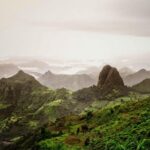
The Simien Mountains sit high enough that the weather, air, and even the plants change as you gain elevation. You’re not just walking in mountains; you’re crossing through a stacked band of habitats, and that’s why the place works so well for natural history fans and trekkers alike.
The numbers alone set expectations. This protected area includes at least a dozen peaks over 4,000 m, and the region is tied to Ethiopia’s highest point, Ras Dejen, plus other major summits in the 4,000–4,400 m range. The park has been protected since 1966, and the wider mountain area is recognized as a UNESCO world heritage site. What that means on the ground: you’re walking in a place that still feels wild, with strong chances for seeing birds and other wildlife.
You can also read our reviews of more hiking tours in Gonder
Getting from Gondar to Debark: the start that sets your pace
Most treks in this region start with a long drive, but this one uses that time to get you ready. Pickup is available from Gondar airport or your hotel, and you’ll head to Debark, about 100 km away. The drive takes roughly two hours on a paved road, then you’ll arrive at the park headquarters to sort permits and meet a scout.
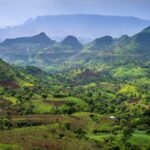
After that, you don’t jump into a hard day immediately. You start with an easy introductory walk along the northern edge of the escarpment. The payoff is quick: you get viewpoint time over the foothills and plains of northern Ethiopia, so you can get your bearings before the climb-and-descent pattern takes over.
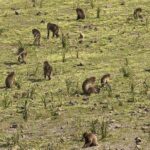
Day 1 also sets up one of Simien’s signature wildlife moments. Along the hike you may encounter gelada baboons, and the plan includes overnight at Sankaber—so you’re in prime country for the kind of animal spotting that makes people remember this trek.
Escarpment drama and the Jinbar Abyss on Day 2
Day 2 builds on that first feel of height. You’ll head east along the northern escarpment, then descend a bit into the Kaba Valley before climbing back up. That up-down sequence matters because it trains your legs for the next days’ steeper edges.
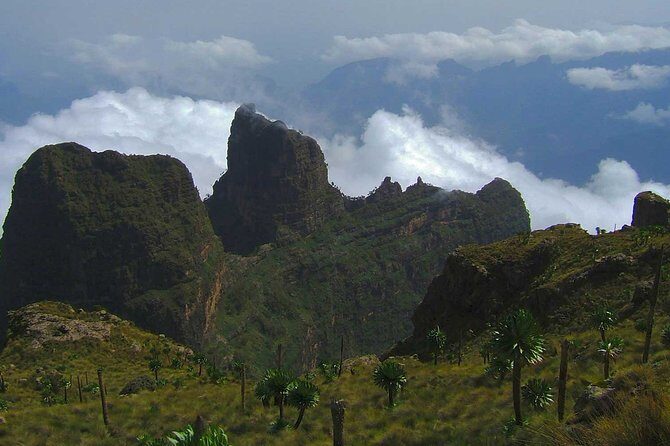
The big scenic target is Gich Abyss. You continue over a narrow ridge to a cliff where you can look down into the abyss toward the Simien foothills. This is also where you’ll find a striking waterfall scene: the Jinbar River plunges about 500 m into the abyss. Even if you’re not a waterfall person, this one forces your attention—500 m is the kind of vertical drop that changes how you see the valley.
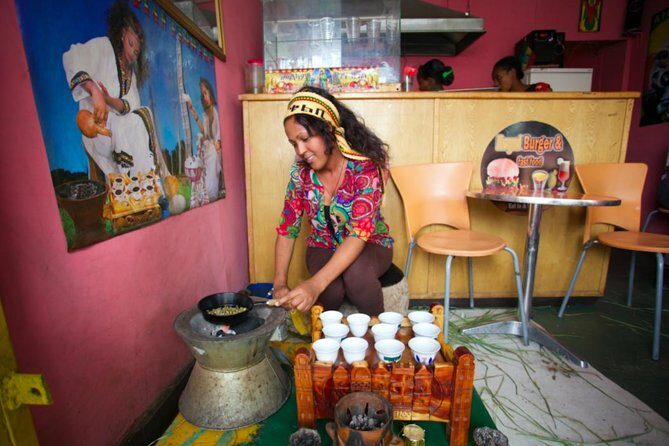
The day stays practical. After walking about two hours, you’ll have lunch at the Jinbar River, then you move through barley fields before reaching Gich village. Here’s where the trek becomes more than just scenery. You can enjoy a traditional coffee ceremony in a hut, learning more about farm life and how people live around the mountains.
Finally, you’ll walk from Gich village to Gich camp for the night. It’s a good transition: you’ve done the cliff work, eaten well, and then you settle into a calmer rhythm before the next altitude push.
Giant lobelia, Imet-Gogo cliffs, and the “vertical edge” walking on Day 3
If Day 2 is about abyss views, Day 3 is about walking through a very specific Simien ecosystem. From Gich camp you’ll stroll through long fields of giant lobelia, a plant you won’t see anywhere else in the same way. It changes the mood of the trail: instead of only watching cliffs, you’re walking through a living high-altitude garden.
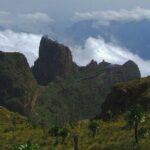
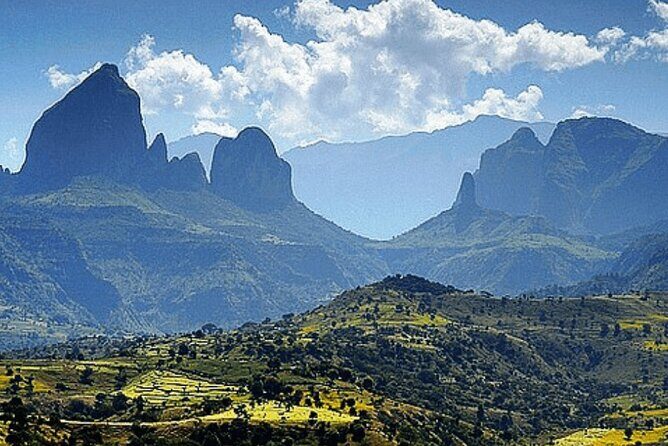
Then comes the main viewpoint section: the towering cliffs of Imet-Gogo (3,926 m). You’ll pause long enough to take in mountain valleys below and strange-shaped domes in the distance. Those dome-like forms are part of the volcanic landscape feeling in this area, and they make the mountains look sculpted rather than just piled.
After that, the route shifts. You’ll descend into the Jinbahir River Valley, giving you a different perspective on Imet-Gogo. The trail then follows the edge of the escarpment in sections that are completely vertical for several hundred meters. That’s the part where you want to keep your footing slow and steady, because the view is thrilling and the slope demands respect.
The day also includes a major altitude moment. You’ll climb to a summit around 4,070 m, where you’re higher than you were at Imet-Gogo itself. This is the point where your pace should get quieter—short steps, steady breathing, and no heroics. The reward is being able to see the scale of the mountain system you’ve been tracing for days.
Buwahit’s 4,430 m climb, Walia ibex chances, and the return to Gondar
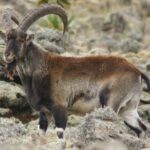
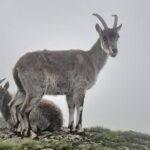
Day 4 is the big finish. You’ll climb Buwahit (4,430 m), described as the second highest peak in the Simien Mountains. This is also where wildlife odds become more exciting: the plan includes a chance to see Walia ibex, the endemic goat-like animal famous to these high areas.
Even when wildlife doesn’t show up instantly, the views do the job. The climb area is set up for sweeping looks around the Simien peaks, including the chance to see Ras-Dejen (4,543 m)—Ethiopia’s highest point. Seeing Ras Dejen from near Buwahit feels like putting a name to a silhouette you’ve heard about since before you arrived.
When you’ve worked your way up, you descend back toward Chenek camp. The practical piece matters here: the car is waiting at Chenek camp to pick you up. From there it’s about a four-hour drive back to Gondar.
After four days of altitude hiking, that car ride feels like a reward you’ve earned, not a chore. It’s also helpful because it keeps you from needing extra transfers on the final day.
A few more Gonder tours and experiences worth a look
Trail conditions, pace, and altitude reality checks
This trek is best for people with moderate physical fitness. That phrase sounds soft until you remember the altitude factor. You’re moving through elevations where your breathing and energy can feel different even if you’re reasonably active at home.
The age range listed is 12 to 70, which tells you the route has a manageable structure for a broad range of hikers—but altitude is still altitude. If you tend to get breathless quickly, you’ll want to take the climbing sections very seriously and follow the pace your guide sets.
Trail quality is described as strong enough to support an “extensive network of trails,” and the plan uses that. Still, expect stone steps, narrow edges, and steep sections, especially around the escarpment where the drop is dramatic. This is the kind of hike where a careful step beats a fast stride.
My practical tip: treat your first two days as your “altitude calibration.” Don’t rush. Eat on time. Drink enough to keep your body working, even when the cooler air makes you feel less thirsty.
Price and value: what $275 covers for a 4-day Simien trek
At $275 per person for roughly four days, you’re paying for more than just guided hiking. You’re also paying for the moving parts that would be annoying to arrange alone: pickup options in Gondar, the drive to Debark, park permits handled at the headquarters, and the scout support.
You’ll also notice the park entry is marked as free on the activity days in the provided details, which makes a difference in the real cost. On top of that, the day structure includes long-drive transfers, overnight camp days, and a final vehicle return from Chenek camp to Gondar.
The small group size (maximum 8) adds value in a way you feel immediately. With fewer people, you’re less likely to wait for the slowest pace, and your guide can help manage time better when the terrain turns steep or weather shifts.
Who should book this Simien trek, and who should skip it
This is a strong fit if you want a classic Simien mix: high peaks, cliff and abyss viewpoints, endemic wildlife chances, and botanical highlights like giant lobelia. It’s also a good pick if you like nature photography and bird life, since the setting is described as a paradise for natural history enthusiasts.
You’ll probably enjoy it most if you like guided structure but still want real walking time each day. The trek is not framed as a leisurely stroll; it’s a working hike with a few longer viewpoint pauses and some steeper moments.
Consider skipping if altitude is a big challenge for you or if you dislike strenuous hikes on exposed edges. Also note the trip requires good weather. If conditions are poor, the plan may shift or dates may change.
Should you book this Simien Mountains trek?
Yes, if you’re ready for altitude and you want a real Simien experience with both peaks and biology. This trek gives you a smart route through key areas—from Debark’s escarpment intro to the Jinbar Abyss, giant lobelia country, and the Buwahit climb with Walia ibex potential.
I’d book it if value matters to you. At $275, the structure covers permits and support, not just walking time, plus it includes the return drive from Chenek camp to Gondar. And with a max group size of 8, it has a personal feel without going private.
If you’re the type who needs everything to be easy and flat, this may feel too demanding. But if you’re okay slowing down, taking careful steps, and letting the mountains set the pace, Simien can deliver a truly memorable four days.
FAQ
Where does the trek start and is pickup included?
The start is in Gondar, with meeting at Gondar Airport as the stated meeting point. Pickup is also offered from your hotel or from Gondar Airport, and the experience ends back at the meeting point.
How long is the trek?
It runs for about 4 days (approx.).
How much does it cost?
The price is $275.00 per person.
Is a guide and park permit help included?
Permits are arranged at the park headquarters in Debark, and you are picked up with a scout after that.
How big is the group?
The trek has a maximum group size of 8 travelers.
What age and fitness level are you aiming for?
The stated age range is 12 to 70. Travelers should have a moderate physical fitness level.
Does weather affect the trip?
Yes. The experience requires good weather, and if it’s canceled due to poor weather, you’ll be offered a different date or a full refund.