REVIEW · GONDER
Simien Mountains – 4 Days
Book on Viator →Operated by Ethio Travel And Tours · Bookable on Viator
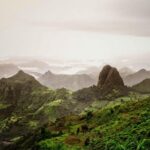
The Simien Mountains hit fast, even before the real climbs. This 4-day route in Simien Mountains National Park is built around dramatic escarpment walks, high viewpoints, and chances to spot wildlife like gelada baboons on day one. You also get a good mix of scenery—abysses, a major waterfall, river valleys, and high ridges—without feeling like the trip is just a checklist of peaks.
I especially like the practical setup: you’re picked up from Gondar (airport or hotel), and the tour handles permits, the compulsory park ranger, camping equipment, and even the people and animals needed to move your load camp to camp. You’ll also enjoy the cultural stop in Gich, where you can take part in a traditional coffee ceremony during the walking day.
One thing to consider is that this trek depends on good weather. The itinerary is weather-sensitive, and high passes mean you’ll feel it if conditions turn windy, rainy, or cloudy—especially around the bigger summit moments.
In This Review
- Key highlights you’ll actually care about
- Why the Simien Mountains feel bigger than the height numbers
- Day 1: Gondar to Debark, permits, and that first escarpment view
- Day 2: Northern escarpment to Gich Abyss, Jinbar waterfall, and coffee in Gich
- Day 3: Giant Lobelia, Imet-Gogo cliffs, and a hard climb to 4,070 m
- Day 4: Buwahit (4430 m), Walia ibex chances, and the return drive to Gondar
- Price and Logistics: what $500 covers in real trekking terms
- Comfort on a steep, high-altitude route (without overpacking)
- Should you book this 4-day Simien trek?
- FAQ
- FAQ
- Where does this tour start and when does it begin?
- How do I get to the park area from Gondar?
- Are park permits and entrance fees included?
- Do I hike with a guide and ranger?
- Is camping gear included?
- What kinds of meals and drinks are provided?
- How many people are in the group?
- What animals might you see during the trek?
- What is not included in the tour price?
- What happens if weather is poor?
Key highlights you’ll actually care about
- Escarpment walking from day one with easy-to-moderate footing plus big viewpoints over northern Ethiopia
- Jinbar River waterfall: a serious drop into the abyss, with lunch nearby
- Gich village coffee ceremony and a look at farm life in the middle of the trek
- Giant Lobelia fields on day three, with Imet-Gogo cliffs and strange domes in the distance
- Buwahit (4430 m) hike with a chance at the endemic Walia ibex
- Small group size (up to 4), plus a ranger and guide who keep the experience organized
Why the Simien Mountains feel bigger than the height numbers
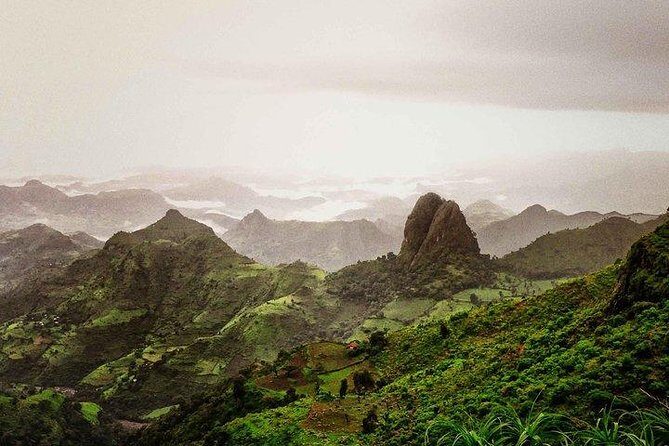
Simien Mountains is one of those places where “high altitude” isn’t a slogan—it’s the setting. This area is home to many peaks over 4,000 meters, including Ras Dejen, Ethiopia’s highest point, and Buwahit and Imet-Gogo, both close enough in the drama to shape the whole route.
The park protections matter, too. Simien Mountains National Park was created in 1966, and the wider range became a UNESCO World Heritage site in 1978. That translates into real conservation presence: you’ll move with a ranger on the route, and you’re hiking inside a landscape that’s actively managed rather than an unofficial trail network.
And even with a shorter 4-day trek, you still get variety. You’ll start with escarpment views, then spend walking days near abyss cliffs and river systems, and you’ll finish with big-summit energy. The Simien Mountains don’t just look impressive; they behave differently across days.
A few more Gonder tours and experiences worth a look
Day 1: Gondar to Debark, permits, and that first escarpment view
Day one begins with logistics that make a difference on day one: you’re picked up from Gondar Airport or your hotel, then drive toward the park. The road from Gondar to the headquarters area in Debark is about 100 km and usually takes around two hours. After that, you’ll reach the park headquarters, arrange permits, and pick up your scout.
Then comes the “warm-up with payoff” part. You drive for another hour before your first hike, and the walk is described as easy—along the northern edge of the escarpment. This is a smart opening. You get time to adjust to the terrain and altitude feeling without starting the trip with a brutal climb.
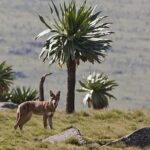
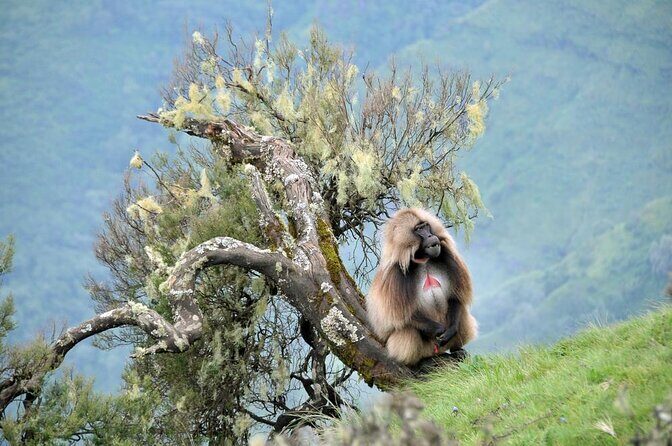
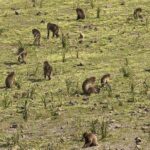
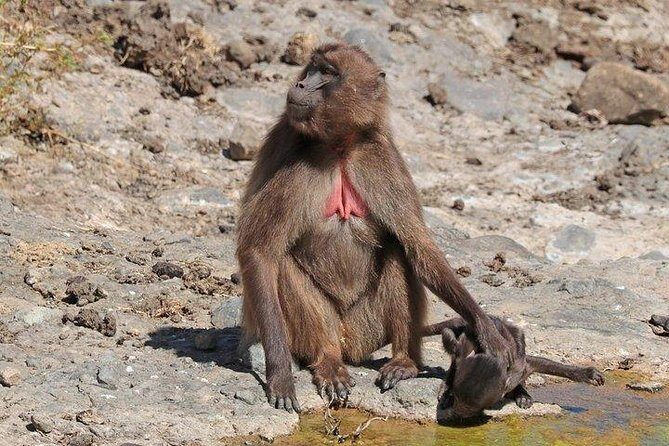
The views are the hook: you look out over the foothills and plains of northern Ethiopia. You also have your first wildlife moment with gelada baboons along the hike. Geladas aren’t the only reason to go, but they’re a great sign that the route is alive with the park’s character rather than just stone and sky.
Plan for a roughly 4-hour walking day, plus driving and setup time around the headquarters. Start time is 8:30 am, so you’ll want an early morning routine that keeps you fueled and not rushed.
Day 2: Northern escarpment to Gich Abyss, Jinbar waterfall, and coffee in Gich
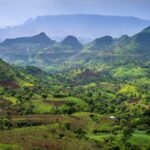
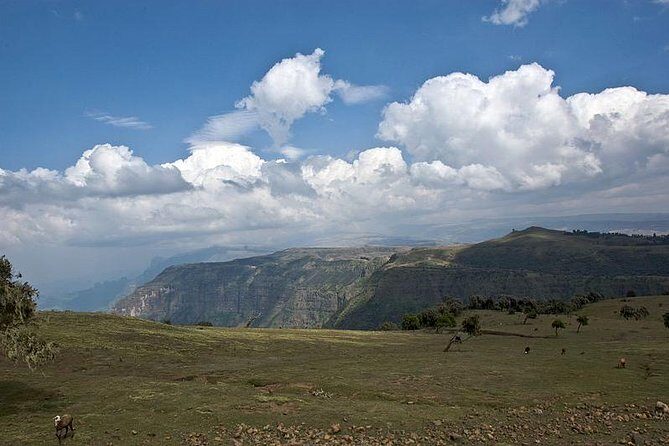
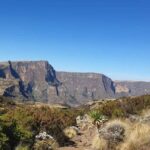
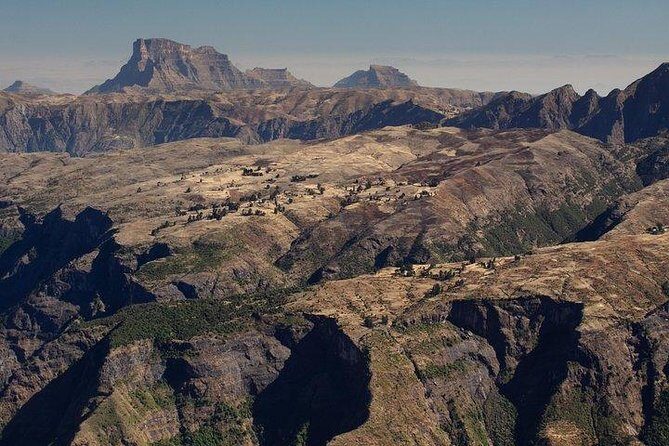
Day two follows the northern escarpment eastward before the route changes rhythm. You’ll descend a bit into the Kaba Valley, then climb again until you reach Gich Abyss. From there, you move across a narrow ridge to a cliff viewpoint where the abyss opens toward the Simien foothills.
The best moment here is the waterfall. At this section you’ll see the Jinbar River plunging about 500 meters into the abyss. After that, you walk for about two hours and have lunch at the Jinbar River. Eating on a river setting like this is one of those rare trekking comforts: you get a real break that doesn’t feel like a random pause on the trail.
After lunch, you shift into farmland. You’ll walk through fields of barley, then arrive at the village of Gich. This is where the trip becomes more than wilderness. You can enjoy a traditional coffee ceremony in one of the huts and learn more about local farm life—exactly the kind of stop that makes a short trek feel human-scale, even with the big altitude.
From Gich village, it’s a short walk to Gich camp, where you’ll camp overnight. Day two is around 6 hours walking time, so you’ll likely feel the full “day rhythm” by now: walk, viewpoint, lunch, farmland, village welcome, then camp.
Day 3: Giant Lobelia, Imet-Gogo cliffs, and a hard climb to 4,070 m
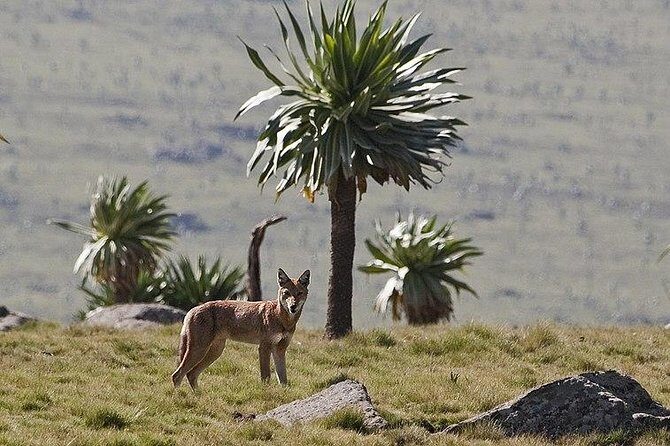
Day three is where the Simien Mountains start showing their odd, high-mountain character. You leave Gich camp and stroll through fields of Giant Lobelia. These plants are part of why the Simien range has a recognizable look at altitude: you don’t just see rock and sky—you see an ecosystem that belongs to this elevation zone.
Then you reach Imet-Gogo (3926 m). The cliffs here bring strong views over mountain valleys below, and you’ll notice strange domes in the distance. The itinerary includes time to absorb these shapes up close, which matters—because the Simien’s geology can look like “random jagged peaks” until you spend a little time staring.
After that, the route changes direction again. You descend into the Jinbahir River Valley. This is a different perspective on Imet-Gogo and the volcanic feel of the area: from here, it looks like large chunks of mountain have been blown away. That isn’t a vague artistic description—it’s the way the terrain reads from different angles while you’re walking and dropping elevation.
Then you’re on a trail edge that’s completely vertical for several hundred meters. You’ll climb to a summit around 4070 m. That final push is the day’s big work moment, and it’s also where weather matters most. If visibility drops, you may still get the climb, but the “what you came for” part—those high views—can be muted.
Day three is around 8 hours, so pace yourself. This is also a day where you’ll want to keep your effort controlled: walking in thin air feels harder than walking the same number of hours at sea level.
Day 4: Buwahit (4430 m), Walia ibex chances, and the return drive to Gondar
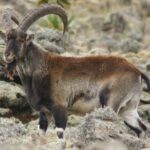
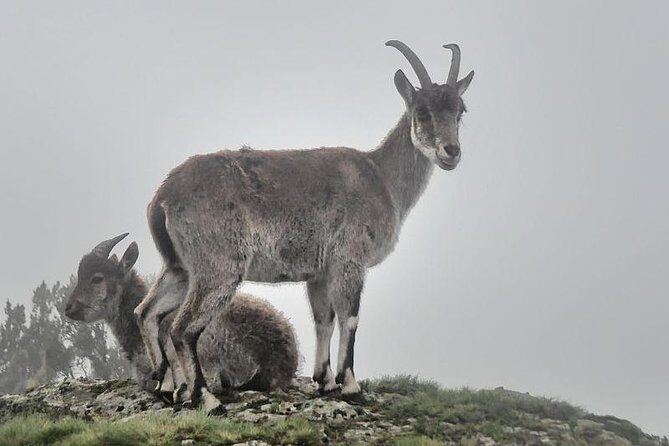
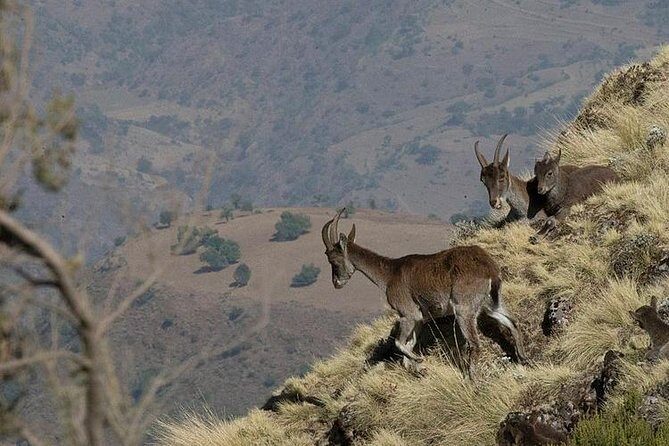
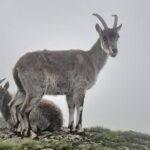
Day four is the payoff day. You climb the second highest peak in the Simien Mountains, Buwahit (4430 m), and the reward is twofold: huge scenery, plus a chance to spot the endemic Walia ibex.
The itinerary frames Walia ibex as a key animal moment for this day. That’s meaningful because this species is tied to these mountains. If you’ve come for wildlife in a high-altitude setting, you’ll feel like the trek earns it on the final day.
You also get the geographic drama of Simien Peaks in one walk. The route includes scenic views of the surroundings and a chance to see Ras-Dejen (4543 m), Ethiopia’s highest peak. Even if you don’t get a perfect line of sight, it’s still one of the most direct ways to understand the mountain hierarchy you read about on paper.
From the peak, you descend back toward Chenek camp. After that, the logistics land on your side: the car is waiting to pick you up, and the drive back to Gondar takes about 4 hours. That means you finish with real civilization nearby, not another long day of walking.
Day four walking time is about 5 hours, but treat it as a high-effort day. You’re climbing a peak altitude that doesn’t forgive sloppy pacing.
Price and Logistics: what $500 covers in real trekking terms
At $500 per person for a 4-day trek, this isn’t a cheap add-on—but it’s also not paying only for a guide’s footsteps. The included package is built around taking care of the big operational costs that usually blow up trek budgets.
Here’s what’s included:
- Transportation in and out (Gondar to the park area and back)
- Food and mineral water
- A cook for fresh food each day
- An English-speaking guide
- A park ranger (compulsory)
- Park entrance fees
- Camping equipment: tent, mattress, sleeping bags
- Mule and muleteers to move luggage and camp loads between camps
That list matters because it changes how you experience the trek. With camping gear provided and supplies carried, you can focus on the trail and altitude instead of turning your back into a load-bearing weapon.
What’s not included:
- International and local flights
- Alcohol
- Videographer or camera fees (if any are required)
- Personal expenses like internet, fax, or phone
- Laundry
- Anything not stated in the included list
Two practical notes for value: first, the tour limits group size to a maximum of 4 travelers, which can make it feel less like a conveyor belt. Second, pickup and permits are part of the package, so you’re not stuck doing administrative work while trying to get physically ready.
Comfort on a steep, high-altitude route (without overpacking)
This trek targets moderate physical fitness. That sounds friendly until you remember the itinerary includes long days and significant elevation work, plus sections of trail that are described as vertical along the escarpment edge.
My advice is to prepare for discomfort you can manage, not discomfort you can’t. Keep your layers simple and adjustable. Expect that mornings can feel cooler and later hours can feel harsher with sun and wind. Bring what you can move in for hours, and plan for the fact that you may be walking in changing conditions even if the weather is overall “good.”
Also, the tour is described as requiring good weather. That’s not just corporate language. Around summit sections, cloudy skies can rob you of the viewpoint payoff, and rain can turn steep footing into a cautious slog. If you’re booking this trip, be ready for weather-related changes, and treat your schedule as flexible.
Finally, think about hydration and fueling. The tour includes mineral water and food, but you’ll still do better if you start each day already set up to walk steadily, not catch up on missed breakfasts or a late morning routine.
Should you book this 4-day Simien trek?
If your priority is a well-run, end-to-end trek that mixes big mountain days with animal moments and a village coffee stop, this route makes sense. The package value is strongest because camping gear, meals, ranger presence, and luggage movement are all handled for you—so you’re not juggling the logistics of a remote high park.
That said, I’d book only after you confirm the exact on-the-ground expectations in writing, especially the day-by-day stops and any camp names. I’ve seen negative reports about this operator failing to match promised plans on other trips, so don’t rely on assumptions. Ask for clear confirmation of your route for these 4 days and what you can expect if weather forces adjustments.
FAQ
FAQ
Where does this tour start and when does it begin?
The tour starts with pickup from Gondar Airport or your hotel, with a start time of 8:30 am.
How do I get to the park area from Gondar?
You’ll drive from Gondar to the park headquarters area in Debark (about 100 km, around two hours), and then drive further before your first hike.
Are park permits and entrance fees included?
Yes. The tour arranges permits at the park headquarters and includes park entrance fees.
Do I hike with a guide and ranger?
Yes. You’ll have an English-speaking guide and a park ranger (compulsory).
Is camping gear included?
Yes. Camping equipment is included: tent, mattress, and sleeping bags.
What kinds of meals and drinks are provided?
The tour includes food and mineral water, and a cook prepares fresh food daily.
How many people are in the group?
The tour has a maximum group size of 4 travelers.
What animals might you see during the trek?
You may see gelada baboons on day one and the endemic Walia ibex on day four.
What is not included in the tour price?
Not included are international and local flights, alcoholic drinks, any videographer or camera fees if required, personal expenses like internet/phone, laundry service, and anything not listed under included services.
What happens if weather is poor?
The experience requires good weather. If it’s canceled due to poor weather, you’ll be offered a different date or a full refund.