A trip to the Omo Valley changes your ideas fast. This 6-day circuit strings together Addis Ababa, UNESCO sites, and multiple southern tribes, using a flight to cut long road time. You also get a smooth flow between regions, from Arba Minch down toward Turmi and the Mago area.
I like the pacing here because it’s built to cover more than one cultural zone without spending all your vacation hours stuck on the road. Air-conditioned vehicle, an English-speaking guide, and a small group limit (up to 15) make the trip feel controlled, even when the days are long. I also love that you’ll see famous stops like Lake Chamo’s crocodile market and UNESCO-recognized Konso terracing, not just one “tribe visit” box.
One thing to think about: not everyone has had smooth experiences with pricing and refunds. Some people reported a private-tour expectation turning into a shared-tour reality, plus refund trouble. That means you should confirm exactly what you’re paying for and keep written proof.
In This Review
- Key highlights worth your attention
- Six Days, Two Flights, and a Lot of Culture: The Real Value
- Addis Ababa Orientation: Mount Entoto, Lucy, WWII, and Merkato
- From Tiya to Arba Minch: UNESCO Stelae and Southern Road Time
- Lake Chamo Boat Trip and the Dorze Beehive Huts
- Konso Terraces and the Trip Toward Turmi’s Hamer People
- Mago National Park and Mursi Villages: Lip Plates and Straw-Lived Homes
- The Extra Morning That Completes the Omo Valley Story
- Driving, 4WD Legs, and the Group Size Reality Check
- Price and Trust Checks Before You Pay
- Who This Trip Suits (and Who Might Want a Different Style)
- Should You Book This Omo Valley Tribes Trip?
- FAQ
- How long is the Omo Valley tribes trip?
- Where does the tour start and what time?
- Is pickup included?
- Is a domestic flight included?
- What’s included in the price?
- Are meals included?
- How many people are in the group?
- Are entrance fees included?
- What is the cancellation policy?
Key highlights worth your attention
- Flight-assisted routing to save time getting into the south
- Multiple tribe areas across Konso, Hamer, Dassanech, Mursi, and more
- UNESCO stops like Tiya and Konso Cultural Centre
- Lake Chamo boat time for crocodiles and hippos viewing
- Small group (max 15) with an English-speaking guide
Six Days, Two Flights, and a Lot of Culture: The Real Value
This kind of trip lives and dies on logistics. Southern Ethiopia takes time to reach, and the best Omo Valley experiences happen when you spend more daylight with people and less time bouncing down roads. This route is designed with that in mind: it brings you into the southern circuit using a domestic flight rather than forcing you to drive the entire distance.
At $1,100 per person (6 days approx.), what you’re really paying for is the full package: domestic flight ticket, accommodation, an English-speaking guide, and the vehicle support (including 4WD for the Omo Valley legs). Meals are not included, so you’ll budget for that separately, but the big-ticket logistics are handled.
You’ll also notice the trip is structured so you’re not only visiting villages. You get a first day that orients you in Addis Ababa, then you transition into UNESCO sites and then into the cultural heart of the south. If you’ve got less than a week, that “build-up then action” pacing is a smart way to experience Ethiopia without feeling rushed in the wrong places.
A few more Addis Ababa tours and experiences worth a look



Addis Ababa Orientation: Mount Entoto, Lucy, WWII, and Merkato
You start in Addis Ababa with a simple arrival flow: you’ll be met and transferred to your hotel, then you begin sightseeing the same day. The day’s plan takes you up to Mount Entoto for panoramic views, then back down into the city.
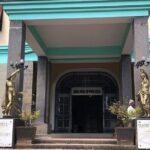
Next comes the National Museum, where you can see the famous Lucy fossil. Whether you’re a science nerd or just curious, it helps set context for Ethiopia beyond the headlines. After that, you visit the Holy Trinity Church, built during the WWII era, which adds a strong historical and architectural pause to balance the energy of the market day.
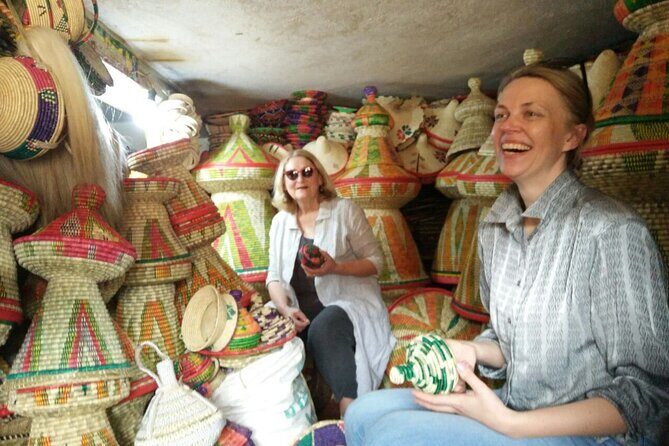
Then you close the day at Merkato, the biggest market in East Africa. This is the point where Addis feels fully alive. Plan to move slowly through the crowds and be ready for sensory overload, especially if it’s your first day in Ethiopia.
Practical tip: since meals aren’t included on the tour, use this first day to get your bearings, figure out how you’ll handle food costs, and buy any basics you’ll want later (bottled water, snacks, simple day supplies).
From Tiya to Arba Minch: UNESCO Stelae and Southern Road Time
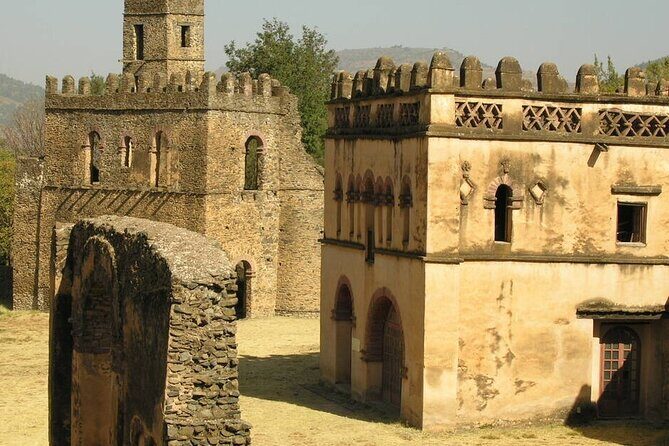
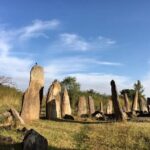
Day two turns from city life into southern roads. You head to the Tiya World Heritage Site, a UNESCO-recognized zone known for engraved, standing stelae. If you like places where history is visible without needing a museum ticket, this stop works well: it’s outdoor archaeology with an instant sense of place.
Then the route carries you onward toward the town of Welayta for lunch, before continuing to Arba Minch for overnight. This is a key transition day. You’re moving from Ethiopia’s highland rhythms into environments and communities that feel very different.
The practical value: arriving at Arba Minch the night before you start the Lake Chamo and Dorze area helps you start the next day without burning daylight on transfers. When you only have six days, that “saved time” matters.
Lake Chamo Boat Trip and the Dorze Beehive Huts
Day three begins with a boat trip on Lake Chamo. Your highlight here is the crocodile market area, a local spot where crocodiles come out of the lake and hang around. The important detail is that it’s not described as a place for buying or selling—think viewing and wildlife spotting, not a shopping stop. You’ll also have a chance to see hippos and various birds.
After the boat time, you go to Dorze Village in the Gughe Mountains. Dorze housing is visually distinctive: their traditional huts are described as high, beehive-shaped structures. They’re even recognized as notable architecture through UNESCO recognition, so you’re not just “seeing a village,” you’re looking at a specific building tradition.
Then you loop back toward Arba Minch for lunch before continuing on toward Konso. This is a long day, but it’s a productive one: wildlife on the lake, mountain architecture, then a move into the Konso cultural region.
What to expect: this day is outdoors and warm. Dress for sun, and keep water handy between stops. Also, start mentally accepting that the day’s timing is about connections—if the boat schedule runs, you go with it.
Konso Terraces and the Trip Toward Turmi’s Hamer People
The Konso area is where the trip really shows off one of its core strengths: structured cultural stops. You visit the Konso Cultural Centre, tied to Konso village and known for terracing. This is one of those UNESCO-linked places where the human work shapes the environment, and you can see it.
There’s also coffee context: Konso is associated with some of the best coffee in Ethiopia. Even if you don’t taste it here, it gives the area a living, agricultural meaning rather than treating it like a static museum.
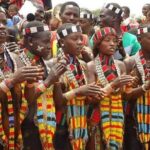
From Konso, you continue to the Bana village, where men are described as wearing colorful clay caps decorated with feathers. The next major move is toward Turmi, home to the Hamer people.
Turmi is a name you’ll hear in Omo Valley travel for a reason: it’s one of the places where you can observe cultural details clearly, especially in how people dress and move through daily life. This is also where the trip transitions into the “multi-tribe Omo zone” feeling, meaning you’ll be spending more time in remote regions and dealing with more basic infrastructure.
If you’re the type who worries about travel comfort, this is where you’ll want to loosen your standards. You’re not on a resort schedule. You’re on a culture schedule, and the driving reflects that.
Mago National Park and Mursi Villages: Lip Plates and Straw-Lived Homes
Day six is a day excursion to Mago National Park to visit Mursi villages. The Mursi are described as living in very low huts made of straw leaves. Women are also described as wearing terra cotta on their enormously stretched lower lips and ear lobes.
This is the big-ticket “Omo Valley people” encounter day. It’s also the day most likely to feel emotionally intense, because the cultural details are visible and specific, and the village environment can feel raw compared with cities. I’d treat this day like a guided lesson, not a photo challenge. If you remember that these are real lives and not costumes, the visit tends to feel more meaningful.
After the park visit, you drive back for lunch, then you’re dropped at Jinka Airport to fly back to Addis Ababa. That flight back is a smart move: it keeps your last day from turning into another long, dusty drive.
When you land back in Addis Ababa, your driver meets you at Bole Airport and transfers you to your hotel. It’s the kind of finish that saves you from end-of-trip stress.
The Extra Morning That Completes the Omo Valley Story
One thing in the route concept that you should be aware of: there’s mention of an early morning excursion to the Karo tribes. After that morning village time, the plan includes driving back to Arba Minch and then taking a flight to Addis Ababa.
Because your detailed day-by-day listing doesn’t label that morning with a specific day number, you should ask your guide where that Karo morning fits in your final schedule. But the key point is this: the trip is trying to pack in an additional cultural layer before the flight out of the south.
This is useful if your goal is to see the region as a network of neighboring communities, not just one highlighted location.
Driving, 4WD Legs, and the Group Size Reality Check
This tour keeps the group small, with a maximum of 15 travelers. That matters in the Omo Valley, where time, movement, and vehicle capacity can become issues if groups are large. Small groups also make it easier for your guide to manage the day’s pace and handle questions without losing you in the crowd.
The vehicle approach is split: air-conditioned transport is listed, but the Omo Valley legs are described as being done in 4WD. Expect more “road reality” on those segments: dust, longer pauses, and the kind of stop-and-go timing that comes with rural roads.
Also, physical fitness matters. The tour specifies moderate fitness. That doesn’t mean you need to be an athlete, but it does mean you should be comfortable with uneven walking, heat, and long sitting days.
And then there’s the meal issue. Meals aren’t included. Plan for lunch and other snacks on your own. This isn’t a reason to skip the tour, but it means you should budget for food and treat meals as part of your flexibility.
Price and Trust Checks Before You Pay
Let’s talk value honestly. At $1,100, you’re buying: accommodation, domestic flights, a guide, and transportation support (including 4WD) across multiple regions. For Ethiopia’s south—where flights and long-distance logistics can quickly multiply costs—this can be a good value if everything is confirmed clearly.
But here’s the part you should take seriously: there are complaints about money handling. Some people described a mismatch between a private-tour price expectation and what they ended up receiving (shared-tour experience). Others mentioned refund trouble, including communication issues around refund requests.
So before you book, do three basic things:
- Ask for clear written confirmation of whether your price is for a private or shared arrangement.
- Get the exact start time and meeting point in writing.
- Clarify how payments and refunds would work if your plans change.
This doesn’t mean the tour is automatically a bad fit. It means you should treat the booking like you would for any high-stakes, cross-region cultural trip: get it in writing, and keep your paperwork.
Who This Trip Suits (and Who Might Want a Different Style)
This is a strong choice if you want a highlight-heavy southern Ethiopia trip that covers multiple cultural regions in under a week. It fits best with travelers who:
- like structured guiding and don’t want to handle logistics themselves,
- are okay with long drive days and outdoor conditions,
- want UNESCO context plus tribe-area visits.
It might feel stressful if you hate rushed schedules, dislike cultural intensity, or want a low-commitment “go at your pace” style. In other words: if your ideal vacation is quiet and spontaneous, this one may feel like a sprint. If your ideal vacation is learning fast and seeing a lot, it’s built for you.
Should You Book This Omo Valley Tribes Trip?
I’d book it only if your main goal is seeing several Omo Valley cultural zones in a short time with guided logistics handled. The combination of Arba Minch connections, UNESCO stops, and the Mago/Mursi day makes it efficient for a six-day visit.
But I’d also book it with caution: confirm the exact arrangement you’re paying for, especially around shared vs private expectations, and keep written records. If you do that, you’ll protect yourself while still getting the cultural variety this route aims to deliver.
FAQ
How long is the Omo Valley tribes trip?
The tour is listed as 6 days approximately.
Where does the tour start and what time?
The meeting point is Harmony Hotel (104 Namibia St) in Addis Ababa, with a start time of 8:00 am.
Is pickup included?
Pickup is offered, and after the flight back to Addis Ababa, a driver picks you up from Bole Airport for the transfer to your hotel.
Is a domestic flight included?
Yes. A domestic flight ticket is included, including the flight from Jinka back to Addis Ababa. The route also describes flying down to Arba Minch as part of saving driving time.
What’s included in the price?
Included items list air-conditioned vehicle, all fees and taxes, an English speaking guide, accommodation, and the domestic flight ticket.
Are meals included?
No. Meals are not included.
How many people are in the group?
The tour has a maximum of 15 travelers.
Are entrance fees included?
Entrance fees vary by day in the schedule. Some stops are listed as included, and some are listed as free.
What is the cancellation policy?
You can cancel for a full refund if you cancel at least 24 hours before the experience’s start time. If you cancel less than 24 hours before, the amount you paid will not be refunded.