REVIEW · ADDIS ABABA
9 days Omo Valley Tribes and Photography Tour
Book on Viator →Operated by Sycamore Ethiopia Tours · Bookable on Viator
Omo Valley is a different kind of camera challenge. This 9-day Ethiopia tour strings together tribal culture, big wildlife moments, and Ethiopia’s city heritage—so your photos won’t just look good, they’ll make sense. I like the way the route balances human culture (Ari, Mursi, Hammer, Dassanech, Karo, Konso) with nature stops (Mago National Park, Omo River boat time, Chamo Lake crocodiles and birds). The vibe feels organized, and one client specifically praised Haile from Sycamore Ethiopia Tours for care that made the trip feel personal.
The main drawback is the pace: you’re on the move a lot, including long drives and boat time, so comfort depends on your physical stamina. If you’re sensitive to heat, dust, or back-to-back early starts, plan smart and pack light. Still, this is a private tour, so the schedule can be handled as a single group rather than being swallowed by crowds.
In This Review
- Key things you’ll notice on this tour
- Why this Omo Valley photo-and-tribes route makes sense
- Addis Ababa in one day: Lucy, Entoto views, Trinity Cathedral, and Merkato
- A practical note for your first day
- Flying to Jinka: museum context and the Ari tribe village
- Mago National Park and the Mursi: lip plates, portraits, and ethics
- Turmi and the Hammer tribes: sunset village light
- Dassanech and the Omo River boat segment
- Konso and the Karo/Dimeka market rhythm: terraces plus people
- Konso terraces and village life, then on to Arba Minch
- Arba Minch boat trip on Chamo Lake and the Dorze bamboo-house visit
- Hawassa and the green-scenery drive: Sodo stops, lake views, and city time
- Back to Addis Ababa: fish market, Ziway birds, and a welfare program night
- What to expect from this ending
- Photography notes that match the real schedule
- Comfort, food, and the reality of long days
- Price and value: what you’re really paying for
- Who this tour fits best
- Should you book this Omo Valley tribes and photography tour?
- FAQ
- Is this a private tour?
- What’s included in the tour cost?
- Are any meals or drinks excluded?
- Does the tour include airport transfers or pickup?
- What cities and areas does the route cover?
- What fitness level is needed?
- What if the weather is poor?
Key things you’ll notice on this tour
- Private, photography-friendly pacing across Ethiopia’s south-country highlights
- Lucy at the National Museum plus Entoto viewpoints before the Omo Valley segment
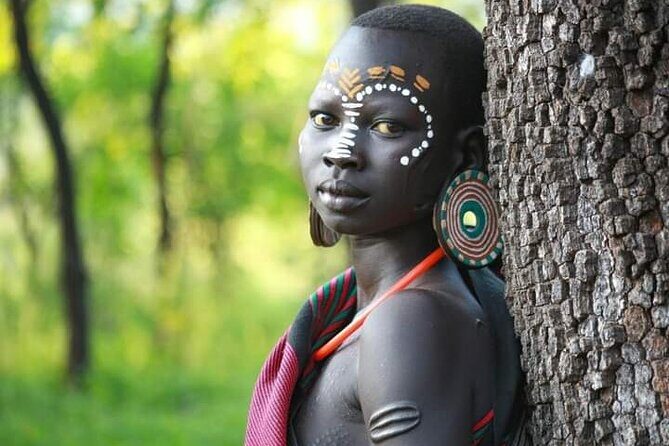
- Mursi and Hammer villages in Mago and Turmi, timed for daylight shooting
- River and lake time via boat trips on the Omo River and Chamo Lake
- Konso terraces and market culture tied to village life, not just photo stops
Why this Omo Valley photo-and-tribes route makes sense
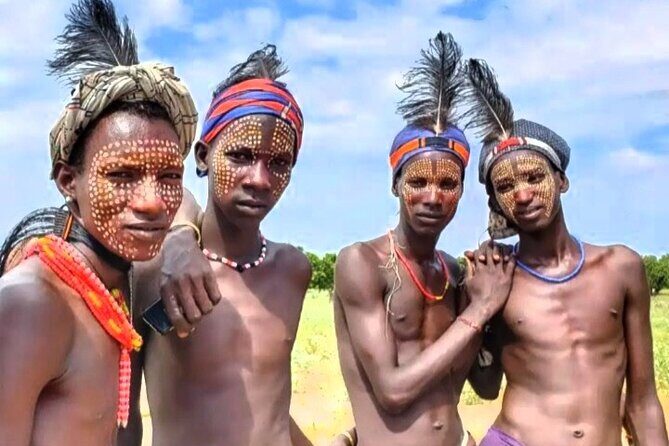
If you’ve seen Omo Valley trips that feel like a checklist, this one reads more like a story. You start with Addis Ababa to get context—then you move into the south where people, landscapes, and wildlife meet. The itinerary also keeps the “photo” part practical: you’ll have repeated village visits plus nature breaks, so you’re not bouncing between random stops with no time to reset.
I also like that the tour is structured around key regions. Jinka, Turmi, Konso, Arba Minch, and Hawassa each have their own feel, and you get time in between rather than constant whiplash. That matters because Ethiopia rewards patience. You’ll often get better portraits and better animal sightings when you’re not rushing to the next photo spot every ten minutes.
One more thing: Sycamore Ethiopia Tours includes transportation, accommodation, and all fees and taxes, plus a flight segment. That doesn’t eliminate discomfort, but it reduces the hidden costs that can ruin a photography trip budget.
You can also read our reviews of more photography tours in Addis Ababa
Addis Ababa in one day: Lucy, Entoto views, Trinity Cathedral, and Merkato
Most people treat Addis as a quick layover. This plan gives it weight, which helps before you head to the Omo Valley tribes.
National Museum of Ethiopia (Lucy)
You’ll see the famous fossil remains of Lucy here. It’s not just a famous name—getting that early in your trip changes how you look at the rest of Ethiopia’s human story. The museum stop is listed at about 1 hour, and it’s an included admission. If you like history that’s concrete (bones you can literally stand near), you’ll feel your trip has a stronger foundation.
Entoto Natural Park (viewpoint time)
Then you go uphill to Entoto for panoramic city views and a chance to see Addis from a different angle. This is a good buffer day activity because it breaks up museum time with a change of air and a wider view—useful if you’re sensitive to noise or crowds.
Trinity Cathedral Addis Ababa
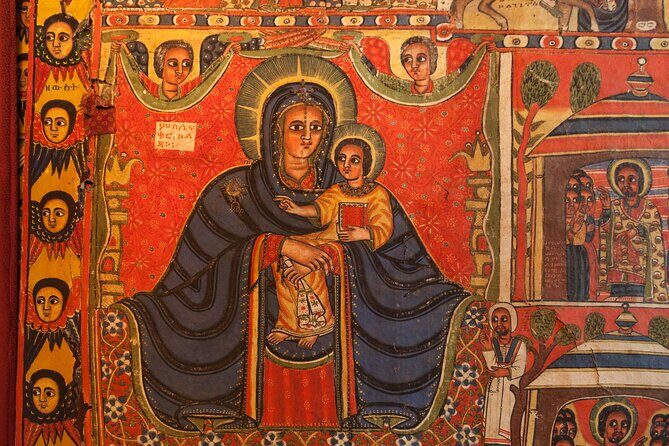
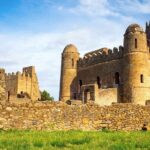
The Trinity Cathedral visit takes you into Ethiopian Orthodox architecture and faith life. The cathedral was built by Emperor Haile Silassie in 1944 and is described as an important church for Ethiopian Orthodox Christians. This is also a smart photography moment because churches often give you clean lines, texture, and light—if you’re careful around worshippers.
Merkato (the open-air market)
Finally, you finish at Merkato, described as one of the biggest open-air markets in Africa. The tour frames it as a central marketplace for Ethiopians, and you’ll spend about an hour. Merkato can be intense—crowds, movement, and bargaining energy—so keep your camera settings ready and your belongings secure.
A practical note for your first day
Addis is your chance to prep your body and gear. I’d use this day to check straps, extra batteries, and how your camera handles shifting light between indoor museum spaces and outdoor street areas.
Flying to Jinka: museum context and the Ari tribe village
Day 2 starts with a flight from Addis Ababa to Jinka. That’s a big change in both altitude and rhythm, and it’s exactly what you want on a multi-region photo tour: you’re not grinding the whole trip by car.
In Jinka, the plan includes:
- A stop at the Jinka museum
- Time in an Ari tribe village
The Ari village visit is listed as about 3 hours. This is where the trip starts to shift from Ethiopia’s national story into everyday local culture. A museum stop before a village visit also helps you read what you’re seeing. Even if you don’t catch every detail, it puts the people and traditions in a clearer frame.
Mago National Park and the Mursi: lip plates, portraits, and ethics
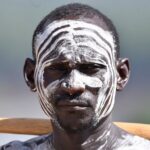
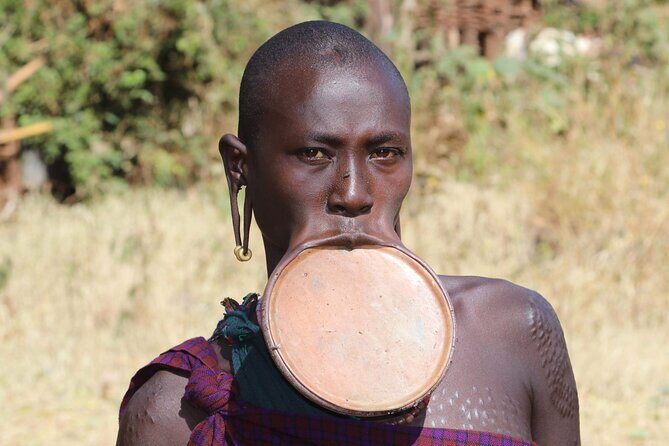
On Day 3, you drive to Mago National Park in the morning for the Mursi tribe visit. Mursi are known for their lip plates, and the tour describes meeting their village in the park area.
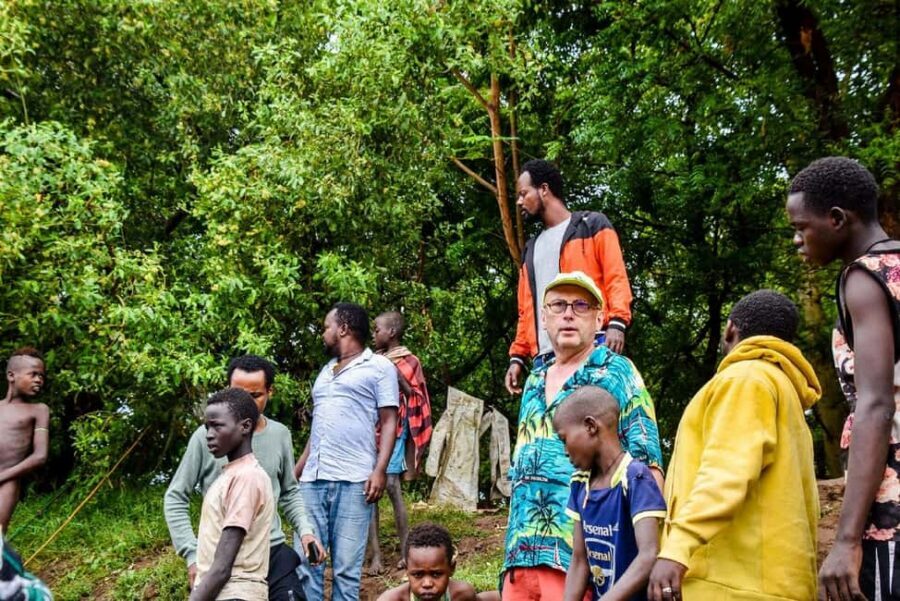
This is one of those segments where photography is both powerful and tricky. You’re likely working at close range, and people may respond to cameras in different ways depending on the moment. I’d treat this as a “slow down and ask” situation. If your guide sets rules, follow them. If you don’t have clear permission cues, take less and observe more.
The schedule is long—about 7 hours total including later driving toward Turmi in the afternoon. That means:
- You’ll probably shoot in changing light
- You’ll need to ration your camera time and rest your eyes between portrait sessions
If you’re aiming for strong portraits, plan to spend more effort on a few people than trying to photograph everything at once. A calmer approach also tends to get better expressions.
Turmi and the Hammer tribes: sunset village light
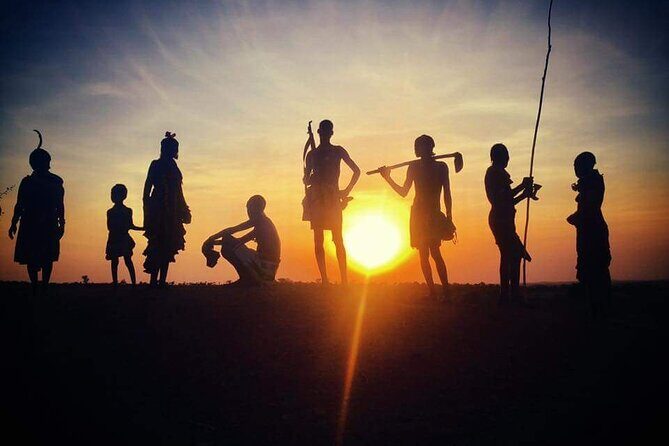
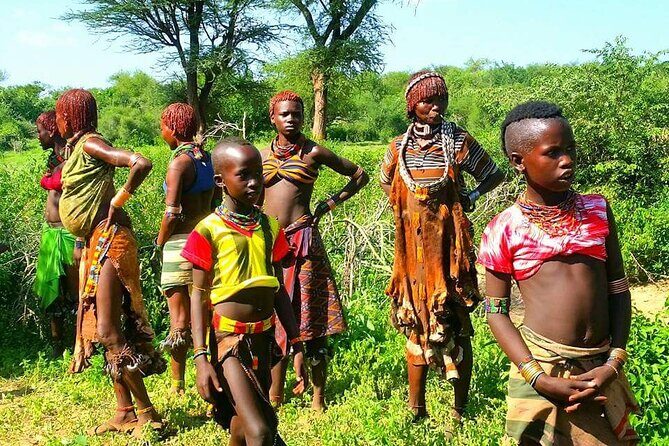
Day 4 is Turmi-focused. After visiting the Dassanech area earlier in the day, you return to Turmi for lunch, then continue visiting Hammer villages late afternoon with a sunset angle.
This mix—river-side time, then village time—creates variety in your photos:
- Omo River moments (moving water, boats, wider context)
- Hammer village moments (people, movement, handwork scenes, and sunset light)
The tour notes that the Hammer area is the “heart” of the Hammer tribes, and that you’ll have a late-day continue-visit. For photography, sunset is where shadows soften faces and colors get warmer. It can also be where skies become dramatic. Just remember: sunset also means temperatures drop fast, and dust can become a factor if vehicles keep moving.
Dassanech and the Omo River boat segment
Before the sunset village time, the tour includes visiting Dassanech tribes near the Ethio-Kenya border and using a local boat to traverse the Omo River to the point described as flowing until Lake Turkana in Kenya. This boat section is important because it gives you a different viewpoint than roadside shooting. You’re photographing from water level, and it can create a more natural sense of place.
Konso and the Karo/Dimeka market rhythm: terraces plus people
Day 5 moves you toward Konso, and it adds a Karo tribe stop plus a market moment in Dimeka.
The key stops:
- Karo tribes near the Omo River (morning drive)
- A stop in Dimeka, described as a small Hammer town, to see the biggest tribal market held on Saturday
- Woyto spectacular roads on the drive to Konso
- Arrival late afternoon for overnight
The schedule is long (about 8 hours). This is one of those days where your photos will reflect travel, not just waiting. If you like motion—people walking, market activity, vehicles framed by scenery—you’ll likely enjoy it. If you prefer controlled portrait sessions, ask your guide for the best time windows for fewer crowds and more light.
When the Dimeka market lines up with your travel date, that can be a real photo advantage. Market days mean more variety in faces, clothing choices, and expressions. If your group lands on a different day, you’ll still get village and road views, but the market energy may be reduced.
Konso terraces and village life, then on to Arba Minch
Day 6 stays in Konso in the morning. The plan includes:
- Visits to Konso tribes, noted for terrace work and unique villages
- A stop at the Konso museum up to mid-day
After lunch, you drive north of Konso to Arba Minch (about 8 hours total for the day).
Konso terraces are special because they’re not only pretty to photograph—they show human engineering over time. If you shoot with a wide lens (or you like architectural patterns), this is the area where you can build images that aren’t just portraits. Think geometry: terraces, village layout, and agricultural rhythm.
Then Arba Minch gives you a chance to shift from cultural villages to nature-heavy days.
Arba Minch boat trip on Chamo Lake and the Dorze bamboo-house visit
Day 7 is one of the more wildlife-forward segments:
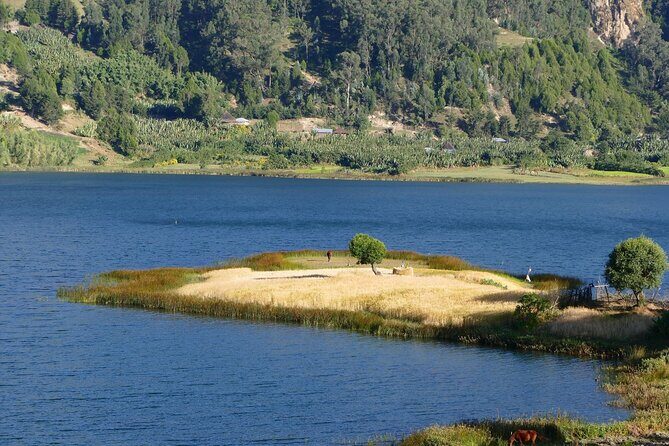
- A drive (about 12 km) to Chamo Lake
- A boat trip to see the biggest Nile crocodiles and aquatic birds until mid-day
- Lunch back in Arba Minch area
- Then a drive of about 30 km to Dorze village
- Dorze is described for traditional bamboo houses and a waving system
- Return to Arba Minch for overnight
This is a great day for photographers because you’ll be working with different subjects:
- Wildlife at the lake (often best at lower angles when the light is kind)
- Bird activity around water
- Village scenes where local traditions create strong human-scale composition
A boat trip also means your pace changes. You’re moving through the scene, so you’ll shoot differently—more “track and frame” than “stand and compose.” If you tend to shake when you’re excited, practice steadier stance or use a strap and brace your elbows.
Hawassa and the green-scenery drive: Sodo stops, lake views, and city time
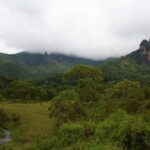
Day 8 drives from Arba Minch/Hawassa direction—about 272 km to reach Hawasa. The tour mentions passing through green mountains and stopping in Sodo town to see villages of Wolayta and Sidamo tribes. Then you arrive in Hawassa mid-day.
The afternoon includes Hawassa Lake and the city’s highlights.
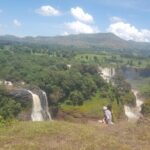
This is a useful change-of-mood day. After multiple village regions, you get a calmer water-based setting plus time in a larger town. For photography, lakes often give you soft light and reflections, and you can shift from close portrait work to wider context images.
Back to Addis Ababa: fish market, Ziway birds, and a welfare program night
Day 9 is the return journey. After breakfast, you visit the fish market in Addis Ababa, then drive back with stops to see Ziway Lake and birds. You arrive in Addis late afternoon. The evening includes a welfare program and then transfer to the airport.
This final day helps close the loop: you started with a museum and city landmarks, and you end with everyday life (fish market) plus bird time (Ziway Lake). It’s a nice way to keep the trip from ending with only long-distance driving.
What to expect from this ending
You’ll likely feel the trip’s pace here. Give yourself a few minutes at each stop to reset and change lenses. If you’re shooting birds at Ziway, you’ll want stable settings and patience—the tour schedule allows time for birds, but it won’t be endless.
Photography notes that match the real schedule
This tour is built for photo-makers, but your results will depend on how you handle village visits and changing conditions.
Think in light blocks
You’ll have late-day opportunities in places like Turmi for sunset village light. Use these moments to build images with mood—faces, gestures, and sky changes. For midday stops (like market areas), focus on texture and crowd energy rather than trying for perfect portrait light.
Plan for dust and quick movements
Many stops involve drives and outdoor time. Keep a microfiber cloth handy, and keep lens changes quick. If you switch lenses often, protect the camera from fine dust kicked up by vehicles.
Respect camera timing in villages
In Mursi and Hammer areas, the tour highlights strong visual identity elements like lip plates and village markers. That can tempt you to shoot fast and hard. A better approach is to ask your guide when it’s appropriate, then shoot deliberately: one or two frames when someone is ready, not a constant burst.
Boat days are different
You’ll be on water both on the Omo River and on Chamo Lake. Brace yourself, keep horizons level, and shoot wider for context, then tighten for wildlife moments when the action appears.
Comfort, food, and the reality of long days
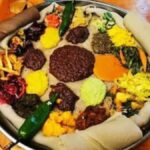
On paper, this trip is packed: city day, then flight, then repeated drives, then multiple village visits, plus boat time. The good news is that the tour includes accommodation and meals—breakfast (9), lunch (9), dinner (9)—so you don’t have to chase food between stops.
What isn’t included:
- Alcoholic drinks
- Tips and gratitude’s
- Visa fees and air ticket expenses
- Anything related to your own travel beyond what’s listed
Also, the tour notes a moderate physical fitness level is required and it’s not recommended for travelers with health problems. I’d treat this as a practical warning: you’ll deal with long days, dust, heat, and frequent transitions.
If you’re someone who needs downtime, consider how you’ll handle it:
- Use evenings in Arba Minch and Konso for real rest
- Bring layers for late-day village visits and lake/boat breezes
- Stay hydrated between stops, even when you don’t feel thirsty
Price and value: what you’re really paying for
The listed price appears as $0.00 in the details I received, so you’ll need to confirm the real rate with Sycamore Ethiopia Tours before you commit. Still, the inclusion list tells you what the tour is designed to cover:
- Private transport
- Accommodation
- All fees and taxes
- One flight per person
- Meals for all nine days
That’s important because Omo Valley travel can get expensive fast once you add guides, entry fees, transport, and inconsistent meal coverage. Here, you can budget with fewer unknowns—especially if you’re coming specifically for photography and want a schedule you can trust.
The reviews also highlight the human side. One client credited Haile and the team with high care and a feeling of being treated like family rather than a transaction. That kind of service matters when you’re shooting in remote areas and you need help with timing, access, and translations.
Who this tour fits best
This is a strong fit if you:
- Want a single trip that covers Omo Valley tribes plus nature moments
- Are comfortable with long drives and want a planned schedule
- Care about photography beyond just portraits—boats, markets, wildlife, and village life
- Prefer a private tour over a big group
It may not fit you as well if you:
- Need very slow pacing and lots of quiet downtime
- Have health conditions that make travel, dust, or heat difficult
- Want a strictly wildlife-only trip with minimal village interaction
Should you book this Omo Valley tribes and photography tour?
I’d consider booking if your goal is cultural photography with real context: Lucy and Addis Ababa first, then Mago and Hammer villages, then Konso terraces, lake wildlife, and a final Addis return with market and bird time. The itinerary is built around variety, and the inclusion list reduces the chance of surprise costs.
Before you commit, do two quick checks:
- Confirm the actual price since the details show $0.00
- Talk with Sycamore Ethiopia Tours about how they handle village timing and any photography guidance for the Mursi and Hammer areas
If you match the physical pace and you want a guided, private route with strong photographic opportunities, this one is easy to recommend.
FAQ
Is this a private tour?
Yes. It’s described as a private tour/activity, meaning only your group participates.
What’s included in the tour cost?
The tour includes private transport, accommodation, all fees and taxes, one flight per person, and meals: breakfast (9), lunch (9), and dinner (9).
Are any meals or drinks excluded?
Alcoholic drinks are not included. Tips and gratuities are also not included.
Does the tour include airport transfers or pickup?
Pickup is offered, and you’ll also have airport transfer included on the final evening for departure.
What cities and areas does the route cover?
You’ll be based around Addis Ababa, Jinka, Turmi, Konso, Arba Minch, Hawasa, and stops such as Mago National Park, Chamo Lake, Dorze village, and Ziway Lake.
What fitness level is needed?
You should have a moderate physical fitness level. It’s not recommended for travelers with any health problems.
What if the weather is poor?
This experience requires good weather. If it’s canceled due to poor weather, you’ll be offered a different date or a full refund. You can cancel up to 3 days in advance for a full refund; within 3 days there’s no refund.