REVIEW · ADDIS ABABA
Photography Expeditions to Omo Valley
Book on Viator →Operated by Ethiopian Photography Tours · Bookable on Viator
Tribes, paint, and river crossings in six days. This trip through Ethiopia’s Omo River Valley is built for people who want real cultural encounters and strong photo moments, not just bus rides and quick stops. I like that you’re moving with a plan: fly into the south, spend concentrated time in tribal areas, and finish with Lake Chamo and weaving villages.
What I like most is the mix of subject matter. You get the chance to photograph well-known Omo groups with body painting and distinctive adornments, then you pivot to wildlife around Lake Chamo and traditional weaving. One potential drawback to keep in mind: this is a long, road-heavy, sometimes-remote route, so you’ll want to handle early starts and long drives with patience.
In This Review
- Key highlights I’d plan around
- Why the Omo Valley fits photographers (and curious travelers)
- Addis Ababa start: museum, market, and a smooth handoff
- Jinka and Ari village: getting your eyes ready
- Mago National Park and the Mursi: lip-plate portraits with real context
- Turmi route: Mursi-area days followed by Hamer and Karo artistry
- Omorate and the Dassanech canoe crossing: hair buns and river life
- Lake Chamo from Arba Minch: crocodiles, hippos, and birds
- Dorze and Chencha near Guge Mountains: weaving, beehive houses, and farm gardens
- Logistics, comfort, and how private groups change your experience
- Price and value: what $3,312.83 per group really buys
- Who this tour suits best (and who should reconsider)
- A quick word on guides and how the trip stays on track
- Should you book Ethiopian Photography Tours for the Omo Valley?
- FAQ
- Where does the tour start and end?
- Is pickup included?
- What’s included in the tour cost for meals and activities?
- Do I need to pay for a visa or international airfare?
- Is this a private tour, and how many people are in a group?
- What if I need to cancel?
Key highlights I’d plan around
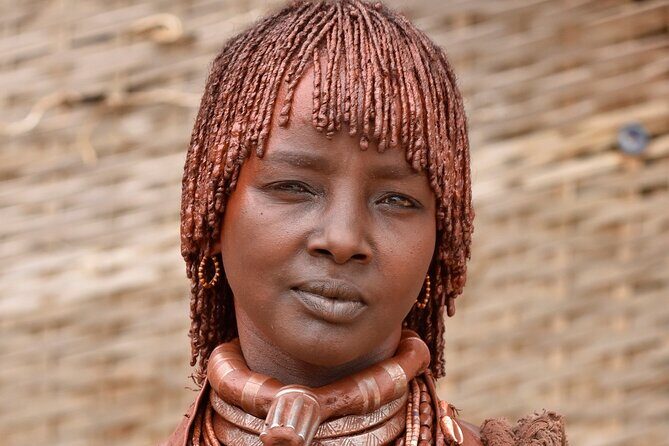
- Mursi lip-plate portraits in the Mago region with dedicated time in the Mursi highlands
- Clay-and-pigment body painting with the Karo, plus photo options like bull-jumping rehearsal
- A canoe crossing to Dassanech villages for a different way of life and strong human-portrait angles
- Lake Chamo boat time for crocodiles, hippos, and birds on clear water conditions when possible
- Dorze and Chencha weaving stops to photograph beehive-shaped houses and cotton production
- Private group setup for up to 7 with village entrance and photography fees included
Why the Omo Valley fits photographers (and curious travelers)
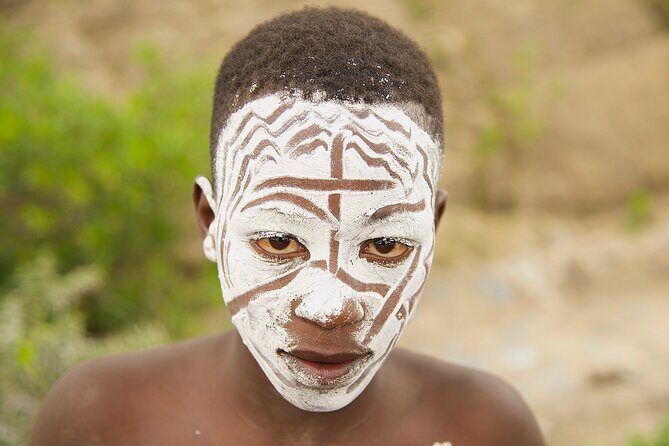
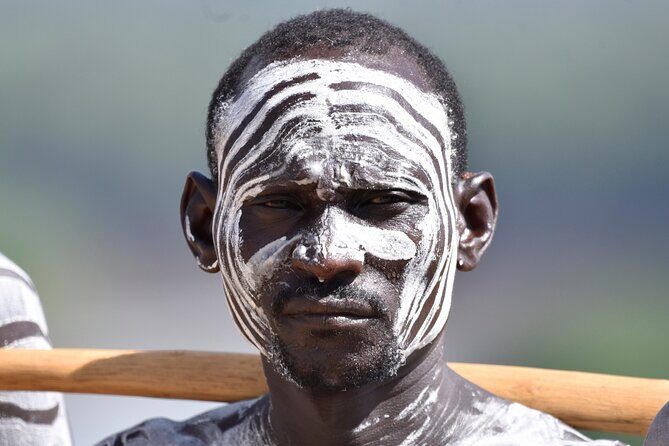
The Omo River Valley is famous for a simple reason: culture here is visible. In a relatively compact region, you’ll see many different ethnolinguistic groups living with traditions that change slowly compared with much of the rest of the world. That means your camera work is more than scenery—it’s faces, techniques, clothing, hairstyles, and ceremonies-like moments you can frame close up.
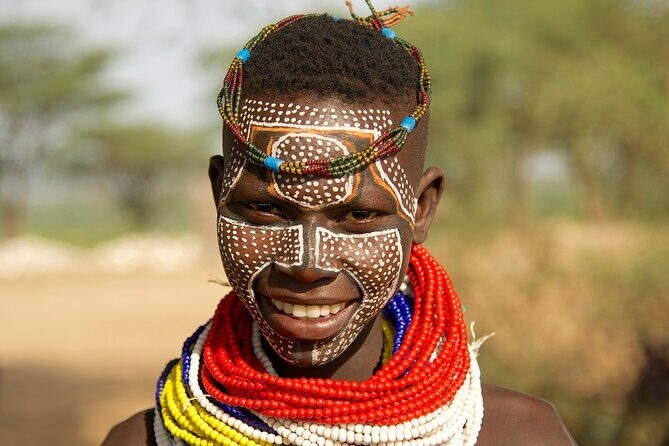
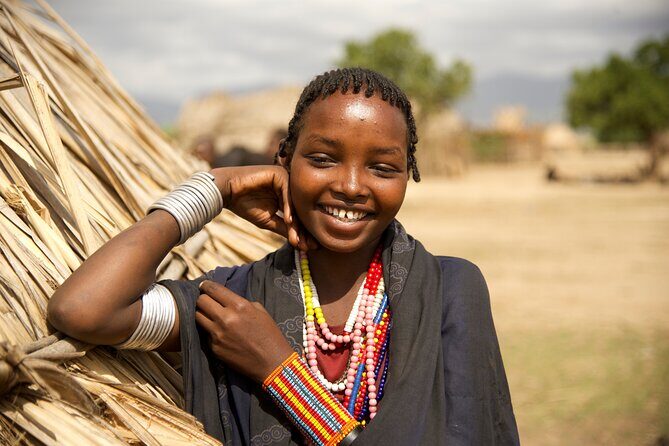
This kind of photography trip also forces you to pay attention. You can’t just shoot from far away and call it a day. You’ll spend time with communities where adornment and body art communicate identity—like the Mursi lower-lip plates, Karo painted patterns using clay and locally made vegetable pigments, and Dassanech hair styles. And because the program isn’t only about people, you’ll also get nature subjects: Lake Chamo’s wildlife scene and birds.
You can also read our reviews of more photography tours in Addis Ababa
Addis Ababa start: museum, market, and a smooth handoff
Your trip starts in Addis Ababa (Bole). The program offers pickup, which matters more than it sounds. After arriving in Ethiopia, you don’t want to spend your first day hunting down the right address or figuring out a last-minute connection.
You get an option on the first afternoon: you can visit the National Museum or head to Merkato, Addis Ababa’s large open market area. Then you fly south to Jinka and meet the driver at the airport before setting out to the Ari village. Even if you’re a focused photographer, this structure is helpful: it keeps your first day from turning into pure transit stress.
Practical note: if you want museum context before tribal visits, choose the museum option. If you want energy, bargaining, and Ethiopian daily life, Merkato is the better first taste.
Jinka and Ari village: getting your eyes ready
The Ari village stop is one of those “warm-up” moments. After a flight and a shift in pace, you’ll have a chance to get used to local rhythms, light, and how people move in communal spaces. For photography, that early acclimation is gold. It helps you arrive at later stops less rattled and more ready to talk, ask, and frame.
The program keeps this part efficient. There’s a clear morning-to-afternoon flow: arrive, meet your driver, then drive to Ari village. That pacing matters because later days involve long drives and multiple stops in the same region.
Mago National Park and the Mursi: lip-plate portraits with real context
Early on the second day, you drive to Mago National Park and then into the Mursi highlands, where the program centers on one of Ethiopia’s most recognizable visual traditions: the Mursi women’s lip plates. The tour frames the plate as a source of identity and pride, and it’s easy to understand why this would become a photographic focus—there’s strong shape, strong contrast, and a clear focal point for close portraits.
What I like about this stop is the way it’s presented as more than a single trophy photo. You’re there to photograph culture and tradition, and the day includes time to move and work your angles rather than forcing you through a checklist.
Possible consideration: lip-plate imagery is iconic, but it can also make people feel like a “photo prop” if your approach is rushed. Bring a respectful attitude, keep your interactions human, and plan on taking fewer shots but doing them well.
Turmi route: Mursi-area days followed by Hamer and Karo artistry
The program’s next stretch shifts from Mago/Mursi toward Turmi, with stops along the way. You’ll drive through Dimeka to visit the Hamer tribes, and on the way you can also stop at Alduba market. Markets are often unpredictable, but for photographers they can be a gift: you can capture people in motion, everyday trade, and spontaneous expressions without the formality of a specific ceremony setting.
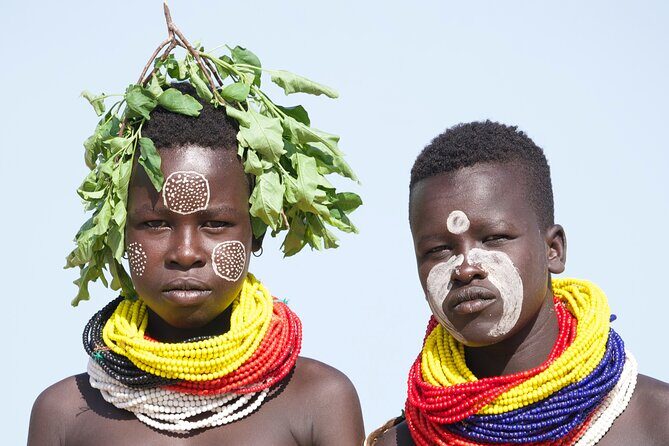
Then comes one of the most visually satisfying days: Karo–Korcho. The Karo are known for body painting using clay and vegetable pigments. The key detail here is that the patterns are made for aesthetic and competitive fun—artists try to out-do each other. That means your photos can lean toward artistry. Look for skin texture, paint boundaries, and how designs stretch across faces and bodies.
There’s also the possibility of photographing bull-jumping rehearsal or a ceremony after you return toward Turmi. The wording here is important: you might get more ritual energy in the late day. If that happens, you’ll want to be ready for lower light and faster moments.
Omorate and the Dassanech canoe crossing: hair buns and river life
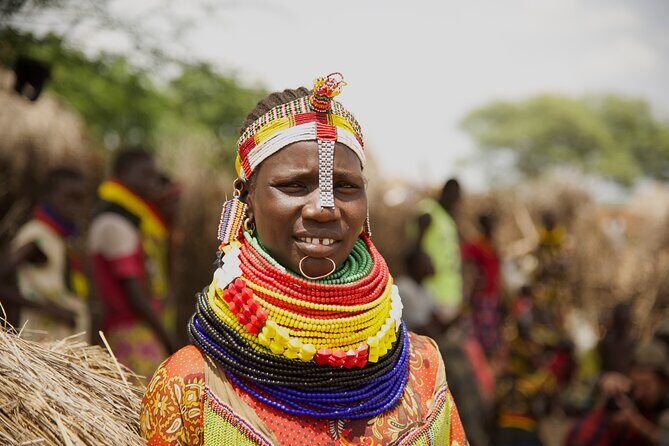
On the next morning, you head to the edge of the Omo River and cross by canoe to visit the Dassanech. This is a different kind of photography experience than the highlands. The environment brings movement, reflections, and tighter compositions that feel more intimate.
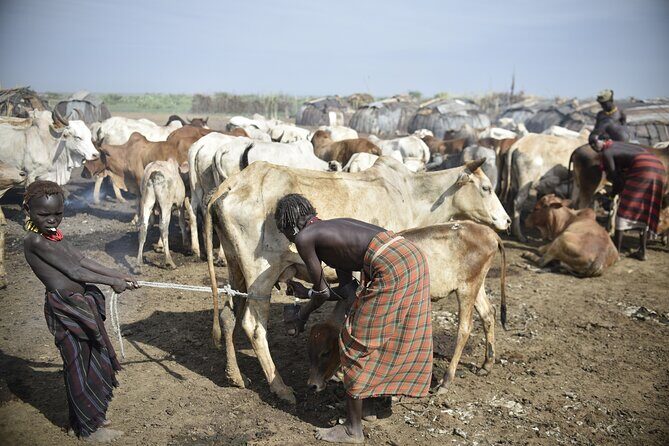
The Dassanech are described as semi-nomadic, with clans spanning across Sudan, Kenya, and southern Ethiopia. For a photographer, that matters because their lifestyle shapes what you see: patterns of settlement, how people interact outdoors, and the way daily life plays out around the river.
After photographing the tribe, you return to Turmi. You also have time to relax in the afternoon or head out to photograph the town of Turmi. That free chunk is more useful than it looks. It gives you a chance to catch up on camera settings, review photos in your mind, and plan how you’ll approach the next long day.
Lake Chamo from Arba Minch: crocodiles, hippos, and birds
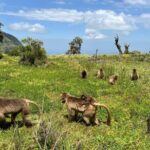
Your trip continues to Arba Minch. Then, after 3 pm, you get a boat trip on Lake Chamo to photograph crocodiles, hippos, and aquatic birds. This is a smart pivot. You’ve been shooting mostly people and cultural identity. Now you switch to wildlife behavior and big animal silhouettes along the shoreline.
The program specifically notes that the northern shores of Lake Chamo are known for large crocodiles lounging in the heat. That detail is practical for your shot planning: you’re not just hoping for movement, you’re photographing established animals and observing patterns like resting posture and eye-line direction. You might also photograph birds like African fish eagle, flamingos, herons, storks, and kingfishers, depending on where the boat travels and what’s visible at the time.
Possible consideration: wildlife photography always depends on conditions. Even when you’re in the right place, you’ll get better results if you’re patient and keep your shutter speed flexible for sudden action.
Dorze and Chencha near Guge Mountains: weaving, beehive houses, and farm gardens
The final day takes you northwest of Arba Minch to the Guge Mountains area for Dorze and Chencha villages. This stop is about craft and daily work, which often makes the best photographs long after the trip ends.
The Dorze have shifted from being warriors to farming and weaving. They’re known for woven cotton cloth, and that’s a clear subject for your camera: hands at work, texture, and the visual rhythm of production. The program also highlights beehive-shaped houses made entirely of organic material, each with a small garden around it, including spices, cabbage, and tobacco beds.
After lunch, you transfer back to Arba Minch airport and fly to Addis Ababa, arriving late afternoon. You then get a day-use room for washing and changing, which is an underrated comfort win at the end of a road-and-photo heavy week.
Logistics, comfort, and how private groups change your experience
This is a private tour/activity, meaning only your group participates. With a maximum group size of up to 7, the experience tends to feel more flexible and less rushed than larger group tours. That matters for photography because you often need a little extra time for one more shot or a quiet minute to reset your plan.
The program includes an air-conditioned vehicle. In southern Ethiopia, heat and long drives add up. AC won’t make the roads magically smooth, but it can help you preserve energy for late-day photo work.
Meals are also covered in a helpful way: you’re set up with breakfast (5), lunch (5), and dinner (5), and lunch is included during the earlier village days as well. That reduces the decision fatigue of constantly hunting for food.
Price and value: what $3,312.83 per group really buys
The price is $3,312.83 per group (up to 7) for an about-6-day program starting in Addis Ababa. That sounds high until you break it down.
If you have a full group of 7, that’s about $475 per person for a multi-day, vehicle-based trip plus village entrance and photography fees, with meals included. If you end up with fewer people, the per-person cost climbs, but you still get structured value: multiple distinct stops, a mix of cultural portrait opportunities and nature photography time, and meals that cover most of your daily basics.
Also important: the program states that village entrance and photography fee are included. For photography travel, those kinds of charges can add up fast when booked separately.
Not included items are the usual ones: visa fee, international flight, personal expenses, tips, and alcohol. So budget for your visa and international airfare first, then treat this tour cost as the organized, on-the-ground package.
Who this tour suits best (and who should reconsider)
I’d point this tour at three types of travelers:
- You’re a photographer who wants subject variety: tribal portraiture plus Lake Chamo wildlife.
- You want a guided structure but not a huge bus-group vibe. Up to 7 is a sweet spot for keeping things moving while staying human-sized.
- You care about learning names, traditions, and how people live—not just snapping photos and leaving.
If you hate long drives, early starts, or you want a slow, hotel-spa pace, this might not match your style. This is a get-out-and-go kind of trip.
A quick word on guides and how the trip stays on track
The strongest theme from past experiences shared with the provider is the importance of execution. People describe planning support ahead of arrival and a guide team that adapts when logistics don’t cooperate. You’ll work with Mulugeta and his team (sometimes referred to as Mulu and a captain), which signals you’re not just getting a driver. You’re getting local guidance that helps keep the schedule intact.
For photographers, that kind of adaptability matters. When you’re chasing light and timing for wildlife or portrait moments, delays can hurt. The way the program is organized aims to reduce missed opportunities.
Should you book Ethiopian Photography Tours for the Omo Valley?
Book it if your priority is cultural photography with strong structure, plus at least one serious nature/wildlife session on Lake Chamo. The inclusion of village entrance and photography fees, the vehicle support, and the meal plan are practical value for a trip this specific and remote-feeling.
Skip it or compare carefully if you’re mainly looking for a low-effort vacation. This trip is better seen as an organized photo journey: you’ll get moving, you’ll shoot, and you’ll trade comfort-for-effort the way photographers usually do.
If you want an Ethiopia experience that mixes people, craft, and wildlife in one tight program, this is a logical choice.
FAQ
Where does the tour start and end?
The tour starts in Bole, Addis Ababa, and it ends back at the same meeting point.
Is pickup included?
Yes. Pickup offered is included as part of the experience.
What’s included in the tour cost for meals and activities?
The included items list air-conditioned vehicle, village entrance, photography fee, plus breakfast (5), lunch (5), and dinner (5). Village entrance and photography fee are specifically covered.
Do I need to pay for a visa or international airfare?
Yes. The visa fee and international flight are listed as not included.
Is this a private tour, and how many people are in a group?
Yes, it’s private, and only your group participates. The group size is up to 7.
What if I need to cancel?
You can cancel for a full refund up to 24 hours in advance of the experience’s start time. If you cancel less than 24 hours before, the amount paid is not refunded.